• Home
  • ABOUT
    • PROJECTS
    • SPRING CHECKLIST 2026
    • Landscape Teams
    • LANDSCAPE DESIGN
    • LANDSCAPE CONSTRUCTION
    • LANDSCAPE MAINTENANCE
    • Nursery
    • BULK MATERIAL
    • PLANT PROFILES
  • Application
  • EVENTS
  • FIELD NOTES
  • TESTIMONIALS
  • Contact
Menu

Vineyard Gardens

484 State Road
West Tisbury, MA, 02575
508.693.8512
Landscaping & Garden Center

Your Custom Text Here

Vineyard Gardens

  • Home
  • ABOUT
  • LANDSCAPING
    • PROJECTS
    • SPRING CHECKLIST 2026
    • Landscape Teams
    • LANDSCAPE DESIGN
    • LANDSCAPE CONSTRUCTION
    • LANDSCAPE MAINTENANCE
  • NURSERY
    • Nursery
    • BULK MATERIAL
    • PLANT PROFILES
  • Application
  • EVENTS
  • FIELD NOTES
  • TESTIMONIALS
  • Contact

SCREENING FOR NATURAL PRIVACY

May 15, 2026 Karen Logan

Screening for Natural Privacy

Balancing Budget, Environment, and Aesthetics

Screening is one of the most frequently requested landscape functions we encounter. From a homeowner’s perspective, the request seems simple: “I need privacy from my neighbors.” However, from a designer and grower’s perspective, creating a successful, long-lasting living wall is a beautiful but complex puzzle.

To understand how we approach this challenge, we look at a recent Island project, followed by the core principles that dictate a successful screening design.

Before planting new screening

Transplanting giant Arborvitae

A Recent Client Scenario: Instant Restoration

Over the winter, a client watched as their neighbor’s property was cleared for the construction of a new, two-story house. Overnight, their front yard, once a mature, oak forest, was transformed into an open construction site. The clients reached out to Vineyard Gardens to help them restore the natural privacy they were accustomed to.

The Solution: Vineyard Gardens collaborated with Maciel Land and Tree to bring back the natural barrier. Utilizing Maciel’s giant 90-inch diameter tree spade, we successfully transplanted five mature, 20-foot Thuja plicata (Western Red Cedar) directly into the void. The result was seamless; this new screen looks as though the trees have been growing there for decades, providing instant natural relief and peace of mind.

While a large-scale transplant is the ultimate instant fix, every property requires a tailored approach based on three critical factors: Budget, Environment, and Taste.

After planting new screening

A couple of years later once established

1. The Budget: Time vs. Money

Privacy is a universal need regardless of budget, but your financial investment directly correlates to the time it will take to achieve your end goal.

  • The larger the tree, shrub, or grass, the more expensive it is to source and the more labor-intensive it is to install. Furthermore, even very large transplants require a couple of years of dedicated care to re-establish their supporting root systems.

  • Homeowners are often tempted to choose the fastest-growing plants available. However, fast-growing varieties are often weak-wooded, making them highly susceptible to high winds and winter storm damage, or they can become invasive, quickly outgrowing their intended footprint.

The Economical Choice: Often, the hardiest and most economical solution is to start your screening vision with smaller, high-quality plants that can quickly adapt to the native soil and rapidly establish themselves.

2. The Environment: Above and Below Ground

Martha's Vineyard may be small, but it features an incredibly diverse range of microclimates and habitats. A plant that creates a flawless screen in Vineyard Haven yard will not necessarily survive in Chilmark.

When designing a living screen, remember that what you see above ground is only half the plant; what happens below is even more critical.

  • Soil Types: The sandy, nutrient-poor soils of Oak Bluffs drain instantly, while other pockets of the Island feature heavy clay soils that retain water and can slowly suffocate new roots.

  • Moisture Levels: Ample groundwater is a blessing for some species, but it will quickly cause root rot in drought-loving plants like Juniper.

  • The Browse Line: Deer pressure varies heavily across the Island. Up-island, heavy deer browsing can decimate certain evergreen screens in a single winter.

3. Taste vs. Practicality: Cultivating Flexibility

When walking through the nursery, it is easy to become overwhelmed by the beautiful varieties on display. But while we may carry 15 different types of evergreens, your specific site conditions might dictate that only 3 or 4 will actually thrive.

Success requires observing your unique growing conditions and remaining flexible in your aesthetic expectations:

  • Sun vs. Shade: If planted in the shade, sun-loving Junipers will languish for years before dying. Conversely, if planted in full sun and exposed to high winds, classic Arborvitae will scorch and lose their uniform shape.

  • The Deer Workaround: If you have high deer pressure, native American Hollies (Ilex opaca) are an excellent shade-tolerant choice, but deer will often defoliate them up to the 4 to 5 foot "browse line" over the winter. To counter this, we recommend pairing Hollies with an under-planting of Clethra (Summersweet) or Winterberry, both of which are shade-tolerant, deer-resistant, deciduous native shrubs that elegantly fill the lower gaps where the deer nibble.

Deer defoliated Holly

Clethra under deer damaged Rhodie

Carpinus as a hedge (at Cronig's up-Island)

The Deciduous Alternative for Summer Residents

If you primarily live on the Island during the summer season, you don't necessarily need a dense evergreen. Deciduous screening options offer exceptional texture, faster establishment, and beautiful seasonal transitions:

  • Hornbeam (Carpinus betulus 'Fastigiata'): A stunning, upright deciduous tree that forms a dense, natural-looking screen in just a few years, even when starting from a smaller, economical plant size. They also transplant beautifully as larger specimens, offering a solution for every pocketbook.

  • Native American Beech (Fagus grandifolia): A highly dependable native screening tree. Beeches naturally hold onto their lower branches, and once leafed out, they provide an impenetrable summer screen. As an added bonus, they tend to hold onto their dried, warm-copper fall foliage throughout the winter (marcescence), extending their screening utility deep into the off-season.

Let Us Help You Design & Install Your Screen

Whether you need an immediate intervention or a thoughtful, budget-friendly blueprint using smaller native species, the landscape team at Vineyard Gardens is here to help you navigate the process. Every property on the Island is unique, and selecting the right plant for the right place is the key. We will work with you to analyze your soil, evaluate your light, and choose the perfect palette for your property.

LANDSCAPE PROJECTS
LANDSCAPE SERVICES
In EVERGREENS, MAY, FIELD NOTES Tags landscape screening, evergreen screening, holly screening, Vineyard Gardens, Martha's Vineyard, Vineyard Gardens Landscaping, Marthas Vineyard landscape services

FEATURED PROPERTY BY VINEYARD GARDENS LANDSCAPING

September 6, 2023 Karen Logan

A QUIET OASIS

VINEYARD GARDENS LANDSCAPING HARMONIOUSLY MERGES THIS CHILMARK PROPERTY INTO ITS NATIVE ECOSYSTEM

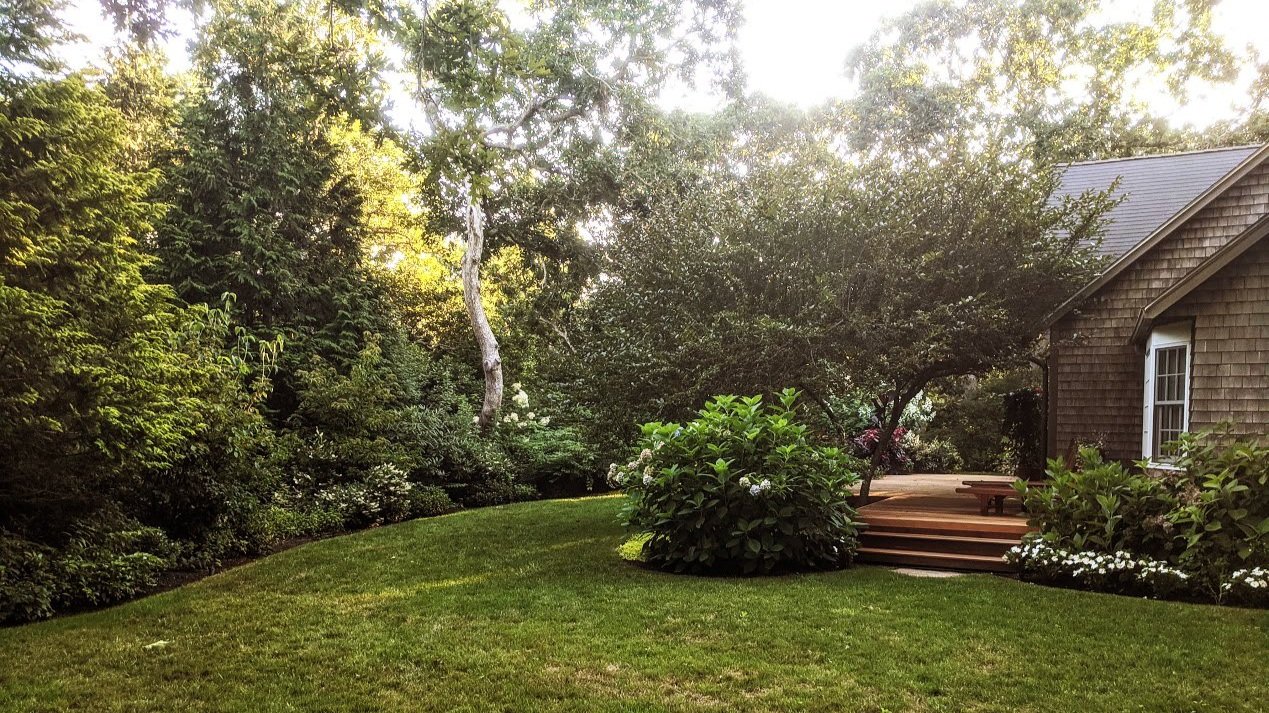
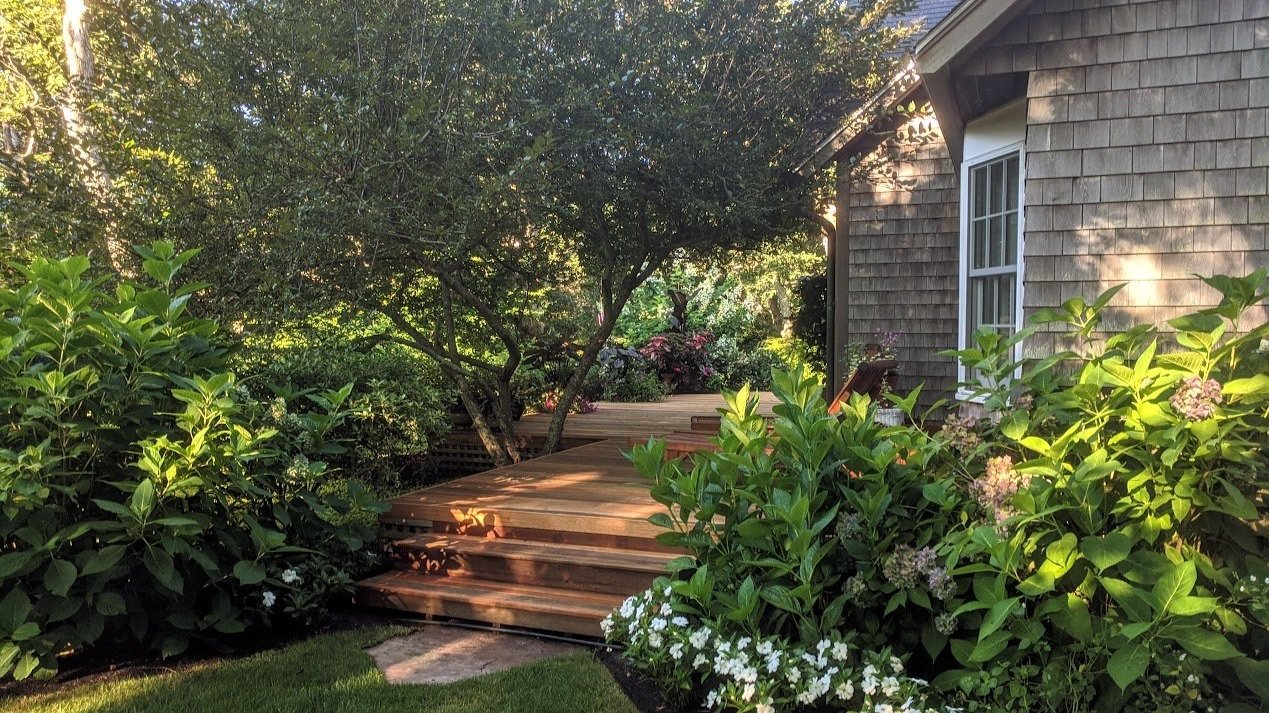
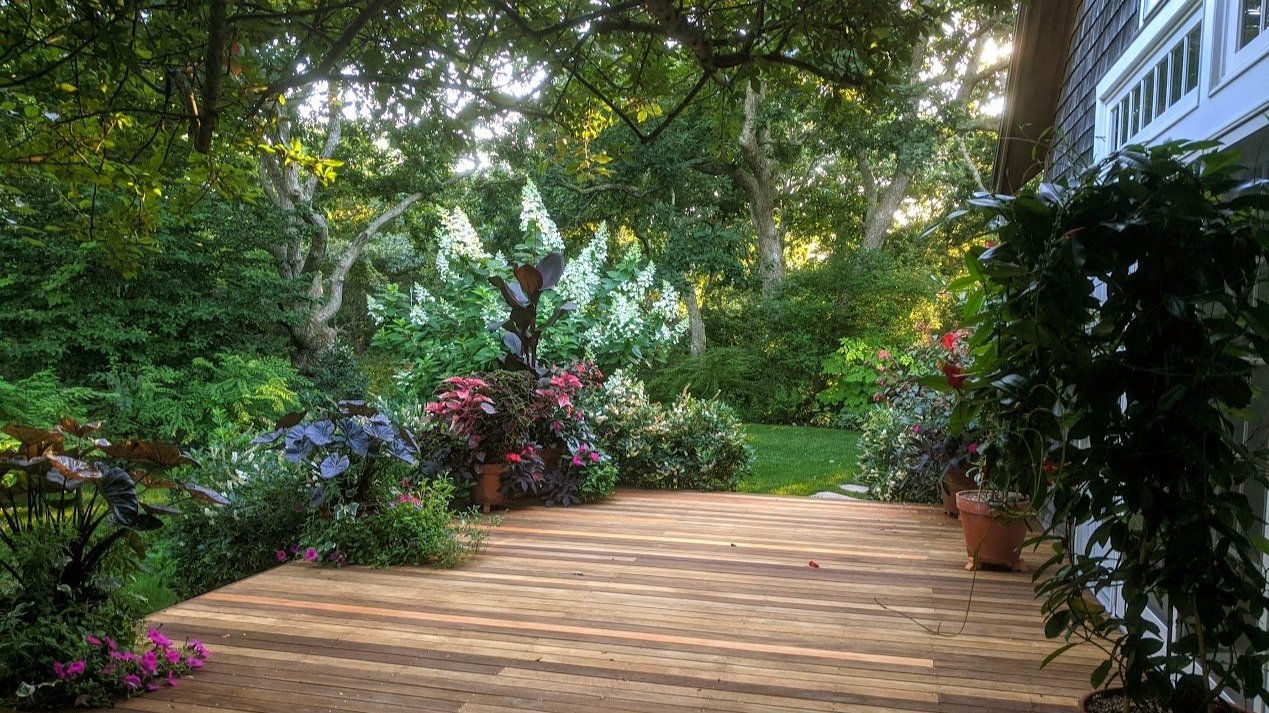
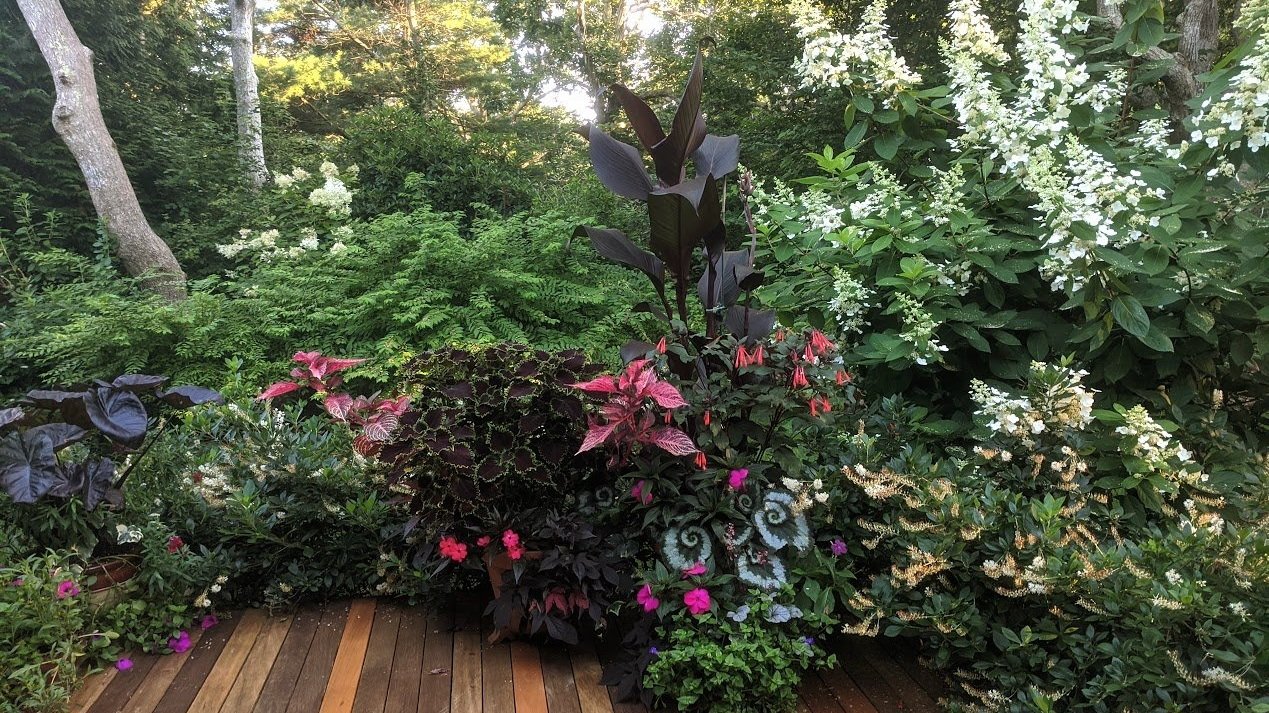
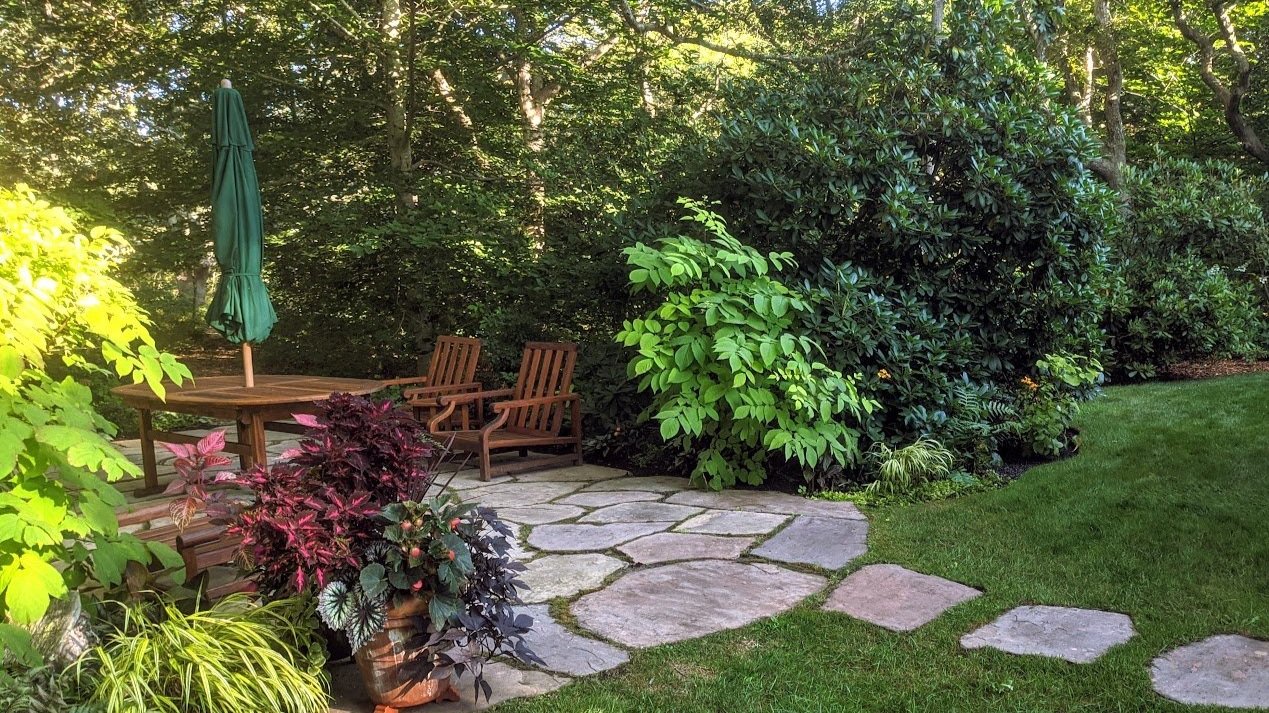
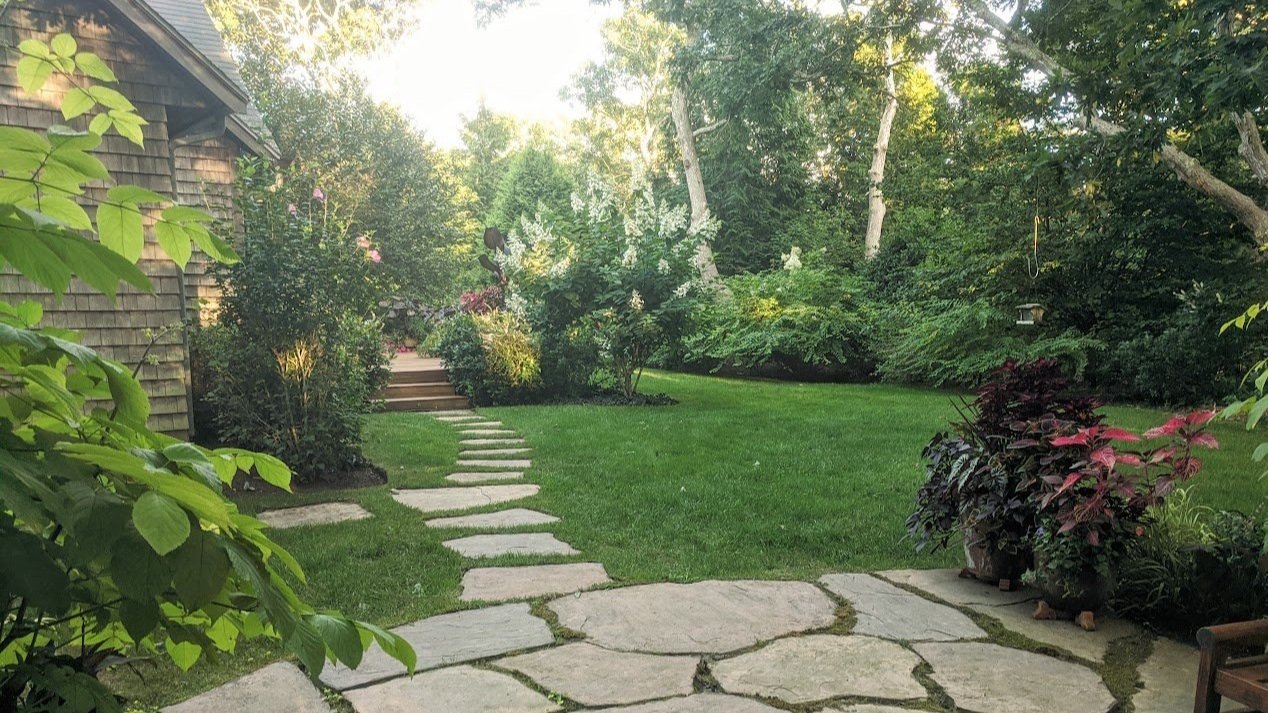
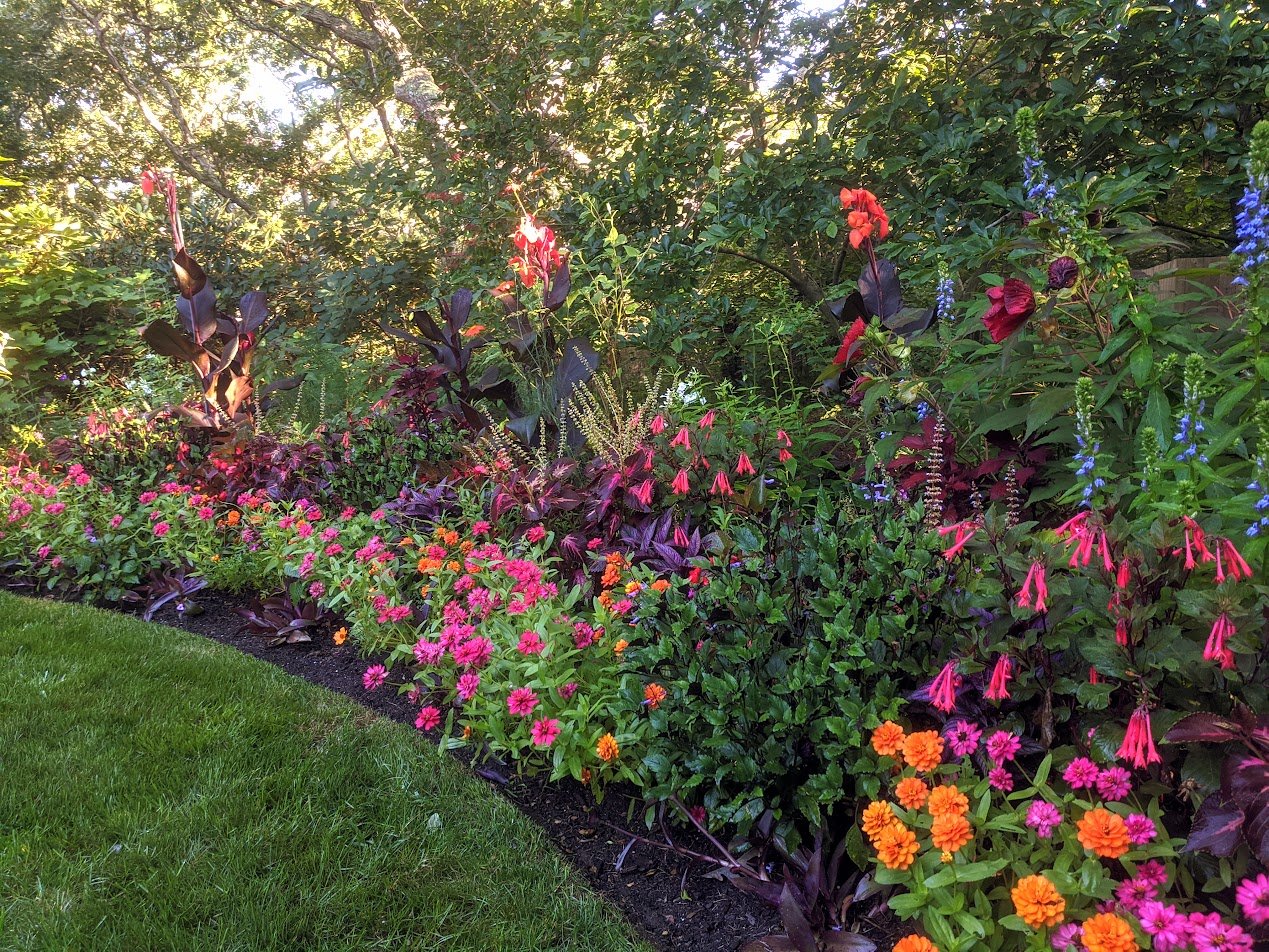
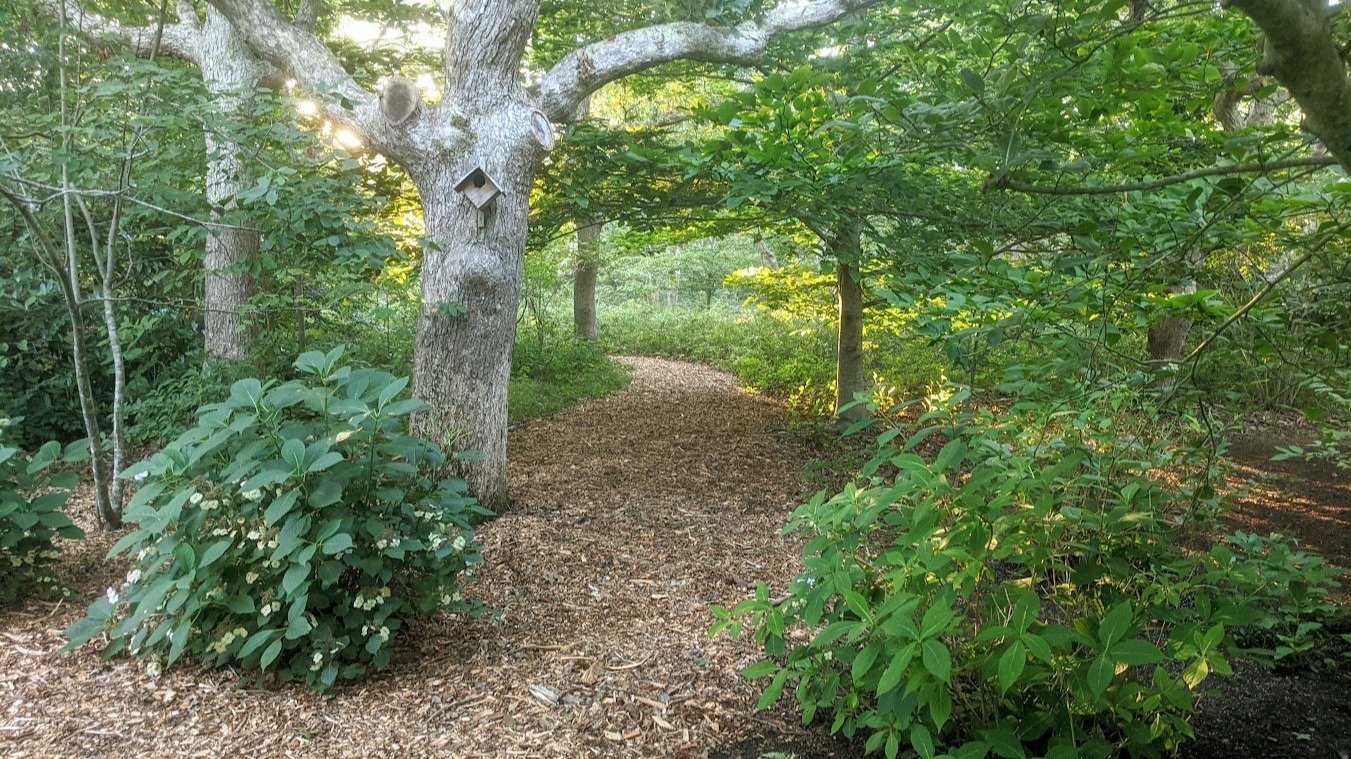
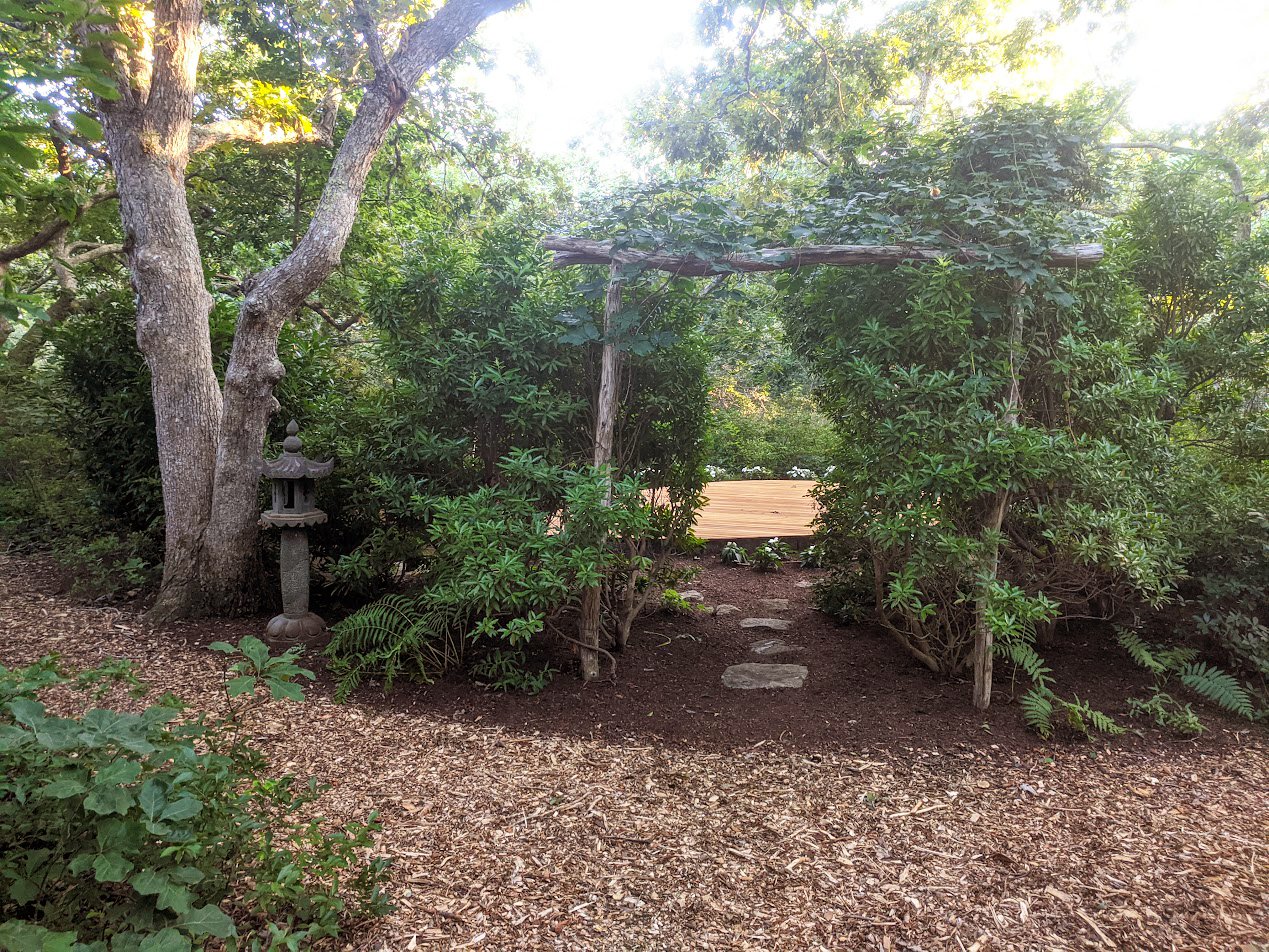
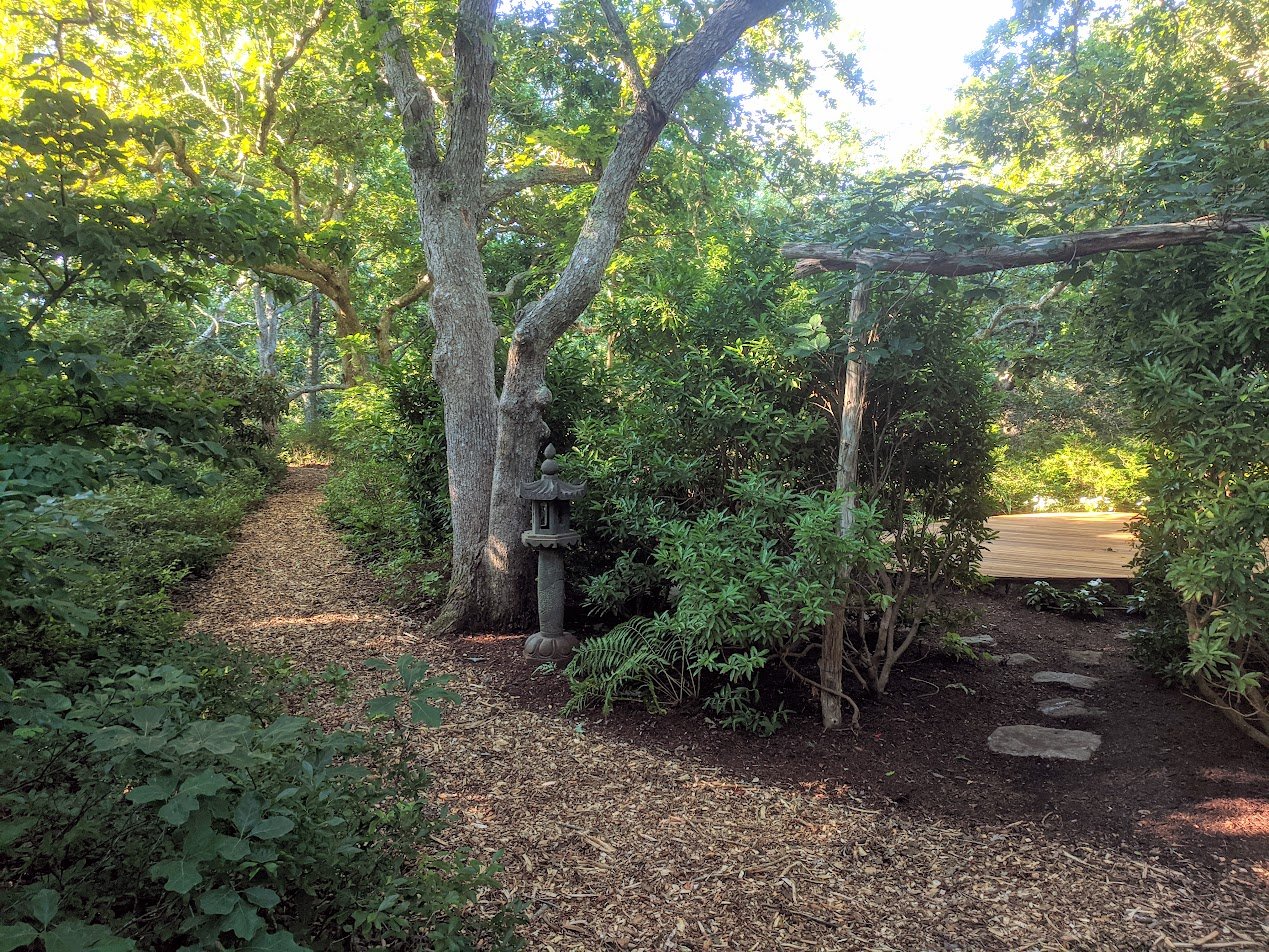
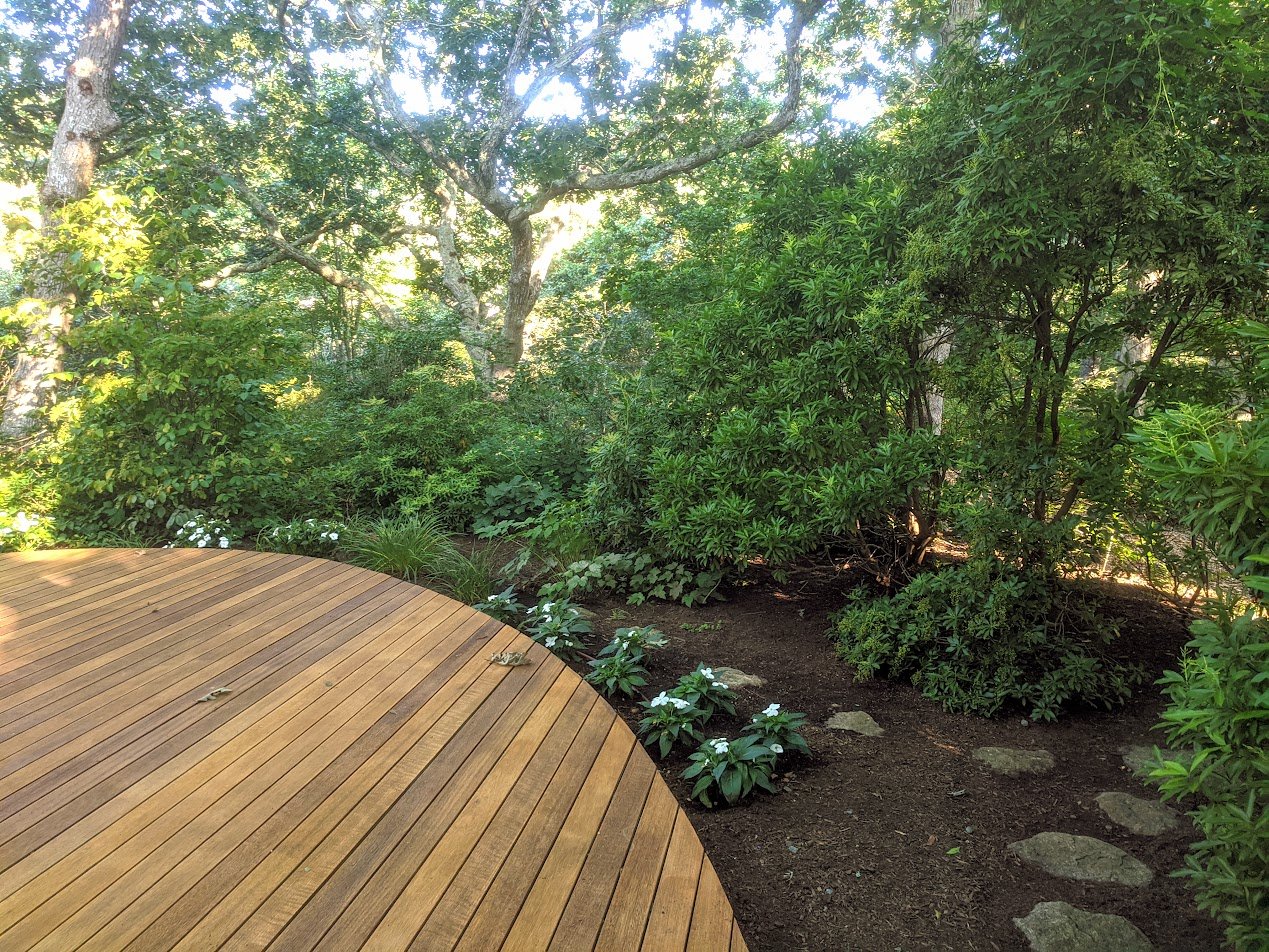
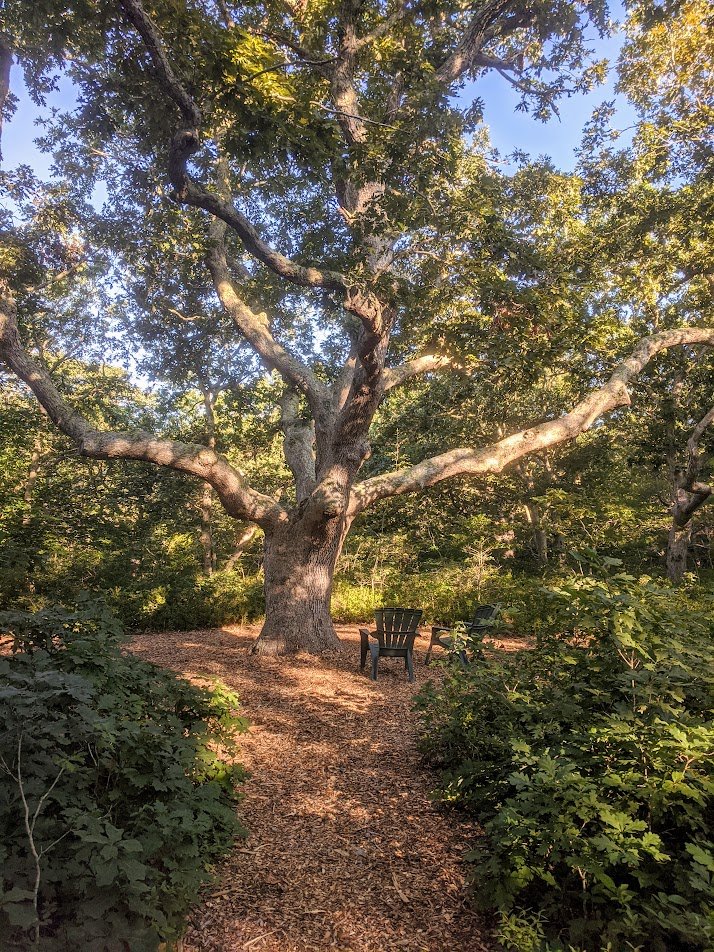
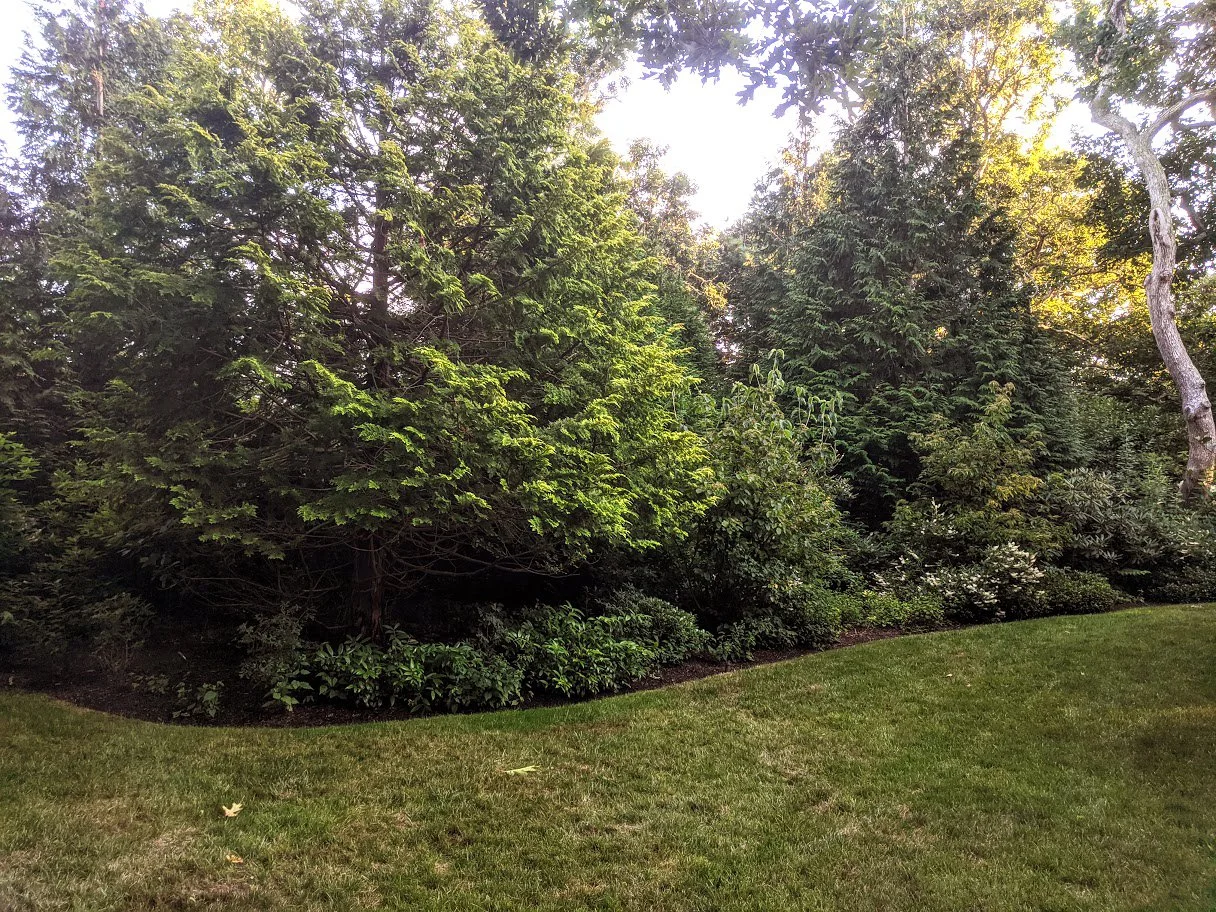
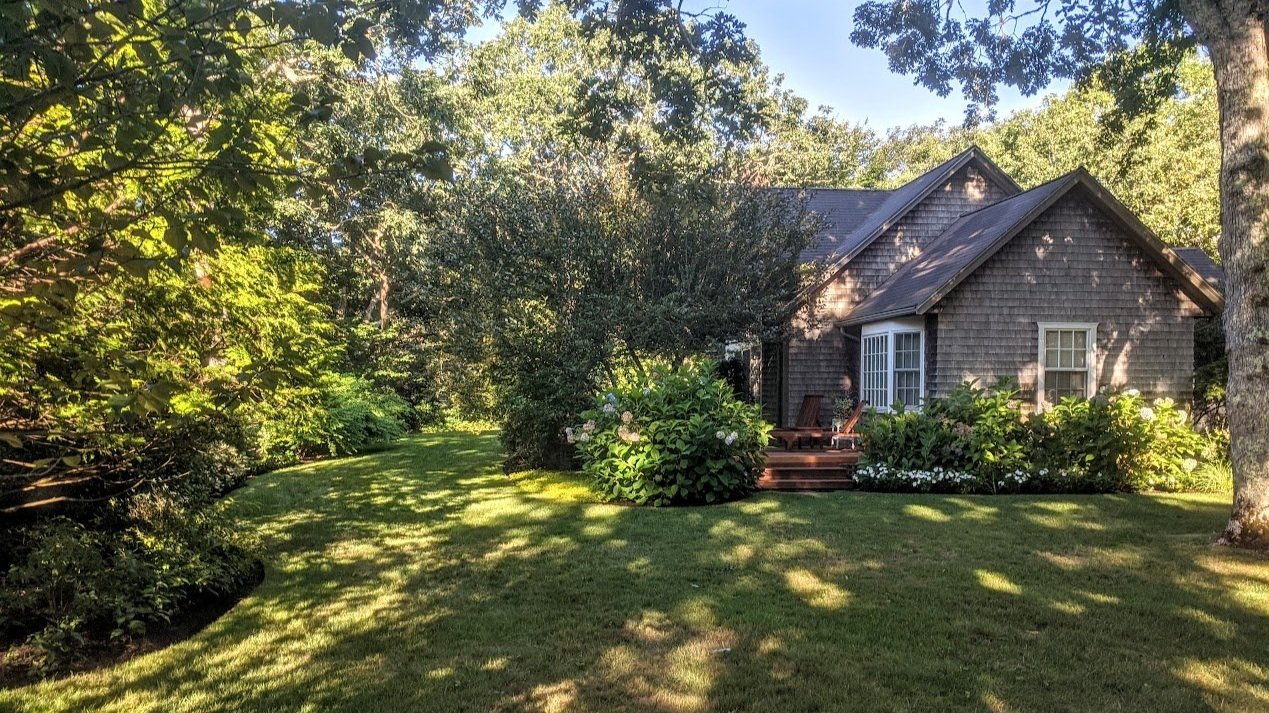
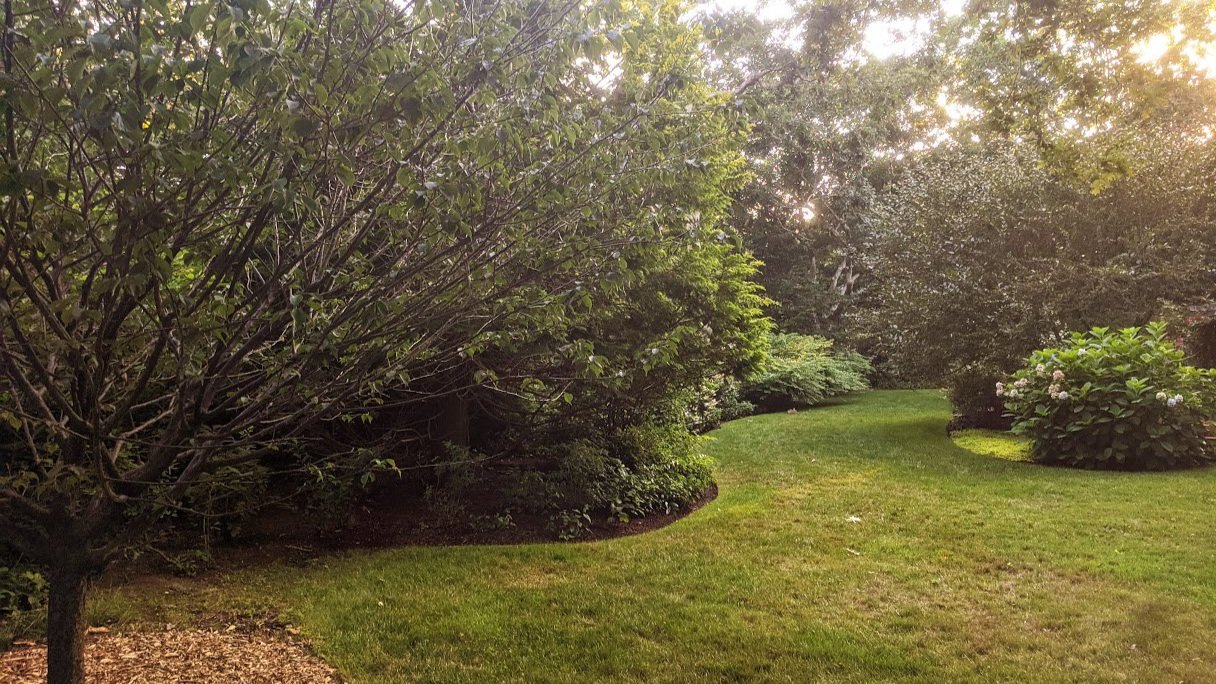
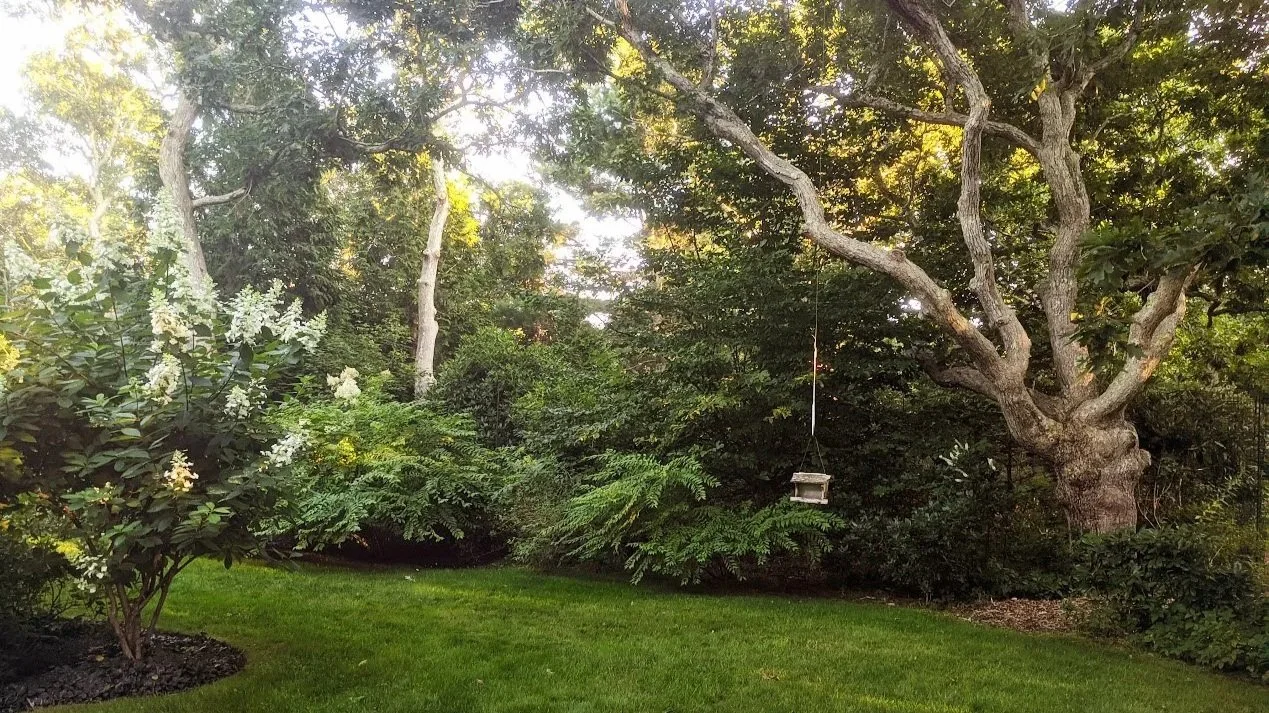
Situated down a dirt road in the woods of Chilmark, this property is surrounded by mature oaks, pines and flowering shrubs. The cultivated landscape meshes beautifully with the surrounding ecosystem. A path-like lawn winds it’s way around the house meandering past native and ornamental shrubs alike, a mixture of evergreen screening and a colorful annual garden. A beautiful container garden sits upon the back patio with the backdrop of large PG Hydrangeas and native Clethra. A stone pathway from the house leads to a patio nestled in the woods. This property sits on a few acres with wood chip paths lined with well placed rhododendrons, hydrangeas and native shrubs. The path meanders past a yoga area and a sitting area under a gorgeous oak tree.
1_IMG_20220819_080820.jpg
2_IMG_20220820_185138.jpg
7_IMG_20220820_183423.jpg
9_IMG_20220819_080632.jpg
12_IMG_20220820_183449.jpg
17_IMG_20220820_183519.jpg
25_IMG_20220819_075141.jpg
26_IMG_20220820_184208.jpg
32_IMG_20220819_074618.jpg
30_IMG_20220820_184449.jpg
40_IMG_20220820_183836.jpg
41_IMG_20220819_075620.jpg
42_IMG_20220819_075529.jpg
43_IMG_20220819_080000.jpg
1_IMG_20220819_080820.jpg 2_IMG_20220820_185138.jpg 7_IMG_20220820_183423.jpg 9_IMG_20220819_080632.jpg 12_IMG_20220820_183449.jpg 17_IMG_20220820_183519.jpg 25_IMG_20220819_075141.jpg 26_IMG_20220820_184208.jpg 32_IMG_20220819_074618.jpg 30_IMG_20220820_184449.jpg 40_IMG_20220820_183836.jpg 41_IMG_20220819_075620.jpg 42_IMG_20220819_075529.jpg 43_IMG_20220819_080000.jpg

**************************

SHRUBS, TREES & PLANTS INCORPORATED INTO THIS LANDSCAPE

The screening is a mixture of big evergreens: Western Red Cedar (native), American Hollys (native) and Rhododendron maximum (native to eastern seaboard but not Martha’s Vineyard). Deciduous flowering shrubs are incorporated within the screening such as Viburnums (some native) and a mixture of hydrangeas (Oak Leaf (native), Blue Ball, Climbing and PG). To finish it off we intermixed many ferns and astilbe.

Big evergreens for screening: Western Red Cedars (native), American Hollys (native)

Viburnums in the screening (native), Oak Lead Hydrangea, Clethra (native)

Rhododendron maximum

**************************

BEFORE & AFTER : TRAILS ON THE PROPERTY

BEFORE

AFTER
autumn climbers

plant profile

autumn garden

learn more

In SEPTEMBER, LANDSCAPING, VINEYARD GARDENS PROJECTS, FIELD NOTES Tags featured garden, landscaping, landscape screening
Comment

484 State Rd. West Tisbury, MA 02575

Mon - Sat : 8am - 5pm / Sun : 9am-3pm

(508) 693.8512