EVERGREENS
FOR SCREENING, BEAUTY AND FUNCTION
Evergreens retain their foliage for a full year or more and are classified as either conifers or broadleaf evergreens. Conifers belong to the phylum gymnosperms which are plants that bear cones instead of flowers as reproductive structures. Their leaves are called needles or scales and are adaptations for survival in tough windy drought conditions, like on top of mountains. While broadleaf evergreens belong to the phylum Angiosperms (flowering plants) and produce flowers and seeds. Both conifers and broadleaf evergreens are a wonderful and highly functional asset to your landscape, especially when privacy is a goal.
Screening is one of the most requested landscape functions.
This can seem like a very simple request however from the grower’s perspective it is much more complex and dependent on budget and environment.
Layered screening with large Thuja plicatas that give wonderful privacy
BUDGET & TIMELINE
How much you have to spend on screening directly correlates to the amount of time it will take to achieve your end goal. The bigger the tree, shrub, or grass, the more expensive it is and the more labor intensive it is to install. Large transplants can take a couple of years to re-establish their root systems.However, faster growing plants are not always an ideal option. A fast growing plant can be weak wooded, susceptible to high winds or winter ice damage, or prone to outgrowing their space entirely. The most economical and resilient strategy is to start your screening "vision" with smaller plants that can quickly establish themselves backed by slower-growing structural evergreens.
ENVIRONMENT & MICROCLIMATE
The Island may be small but it is remarkably diverse in terrain and habitats. What would work for a screen in Vineyard Haven will not necessarily work for screening in Chilmark. Soil types, sun exposure, and local wildlife play massive roles in plant decisions.
Deer Pressure: High up-island deer populations require careful plant selection.
Soil Variations: Sandy coastal soils dry out quickly (Oak Bluffs), while low-lying clay soils can trap moisture and cause poor drainage that slowly stresses root systems.
Water Compatibility: Matching the plant to the soil moisture is critical. Planting a drought-loving juniper in a damp, heavy clay area, for instance, sets it up for failure.
It helps to remember that what you see above ground is only half of the plant, what goes on below is perhaps even more important.
Thuja plicata Virginian
Thuja plicata Green Giant

Thuja plicata Fluffy
Conifers
Picea abies (Norway Spruce): A reliable, fast growing evergreen averaging about 13 inches per year! It adapts wonderfully to island growing conditions and tolerates acidic, loamy, sandy, well-drained, and even clay soils.
Cupressocyparis leylandii (Leyland Cypress): A powerhouse screen growing at least 24 inches per year. It handles island conditions well, though it should be avoided directly on the waterfront where heavy salt spray and high winds can cause irreversible damage.
Pinus strobus (Eastern White Pine): A classic native beauty that prefers acidic, moist, well-drained soil and adds a soft texture while growing at least 24 inches a year.
Thuja plicata 'Green Giant' (Western Arborvitae): We have been carrying this cultivar for years. This specific variety can get up to 60' tall! Many use arborvitae as screening for privacy on their properties, as well as a windbreaker. We have them in several sizes.
Thuja plicata 'Virginian' (Virginian Arborvitae): A smaller newer cultivar growing 15' tall x 6' wide in ten years(with a steady 1-to-2-foot annual growth rate). It is known to be deer-resistant and compact for tight screening needs. We offer three different sizes up to 9 feet.
**********
Broadleaf Evergreens
Broadleaf evergreens make magnificent, texturally rich privacy screens, and they excel in areas with partial shade.
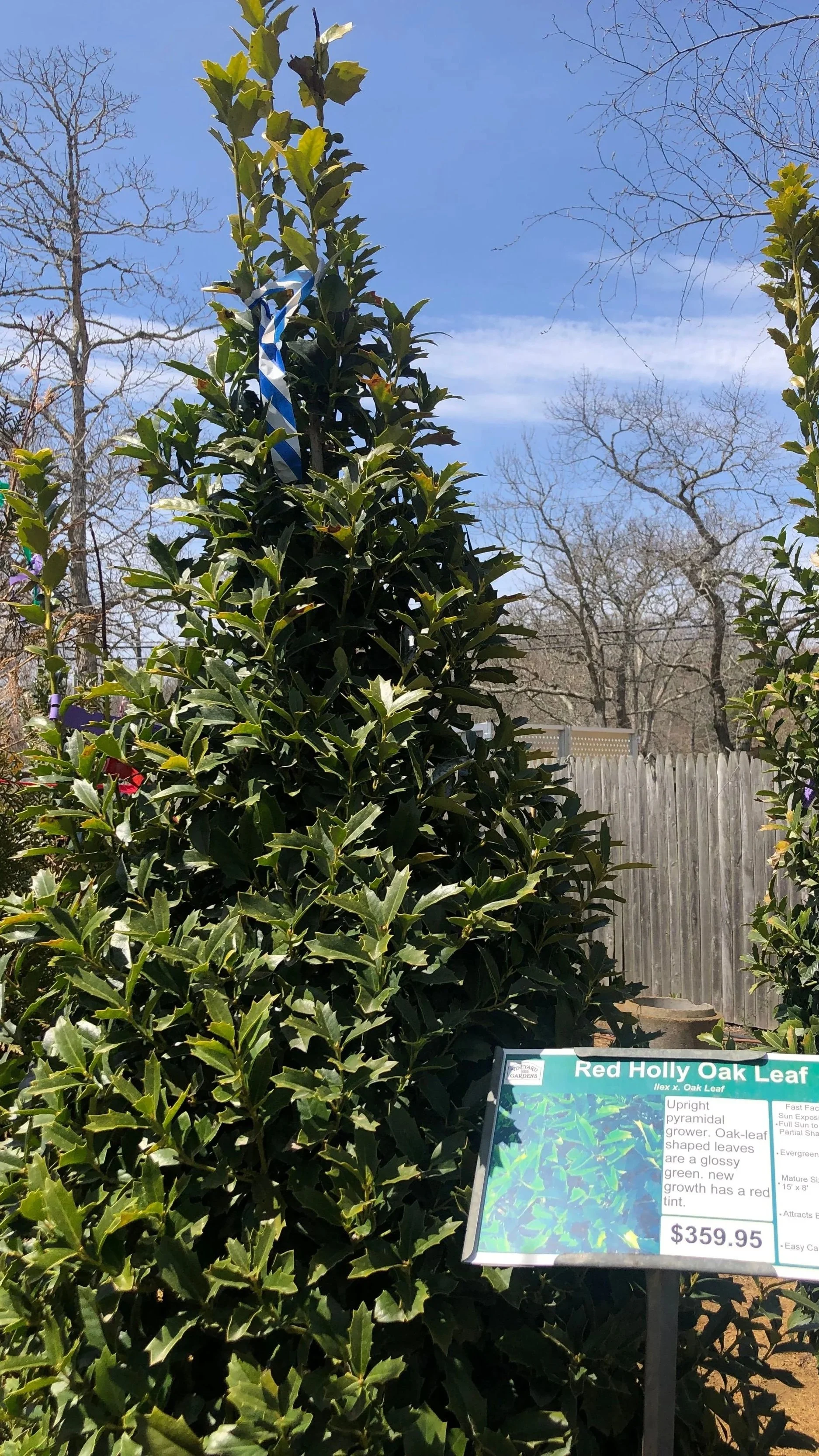
Hollies (Ilex): Tough, glossy, and brilliant for privacy and winter color.
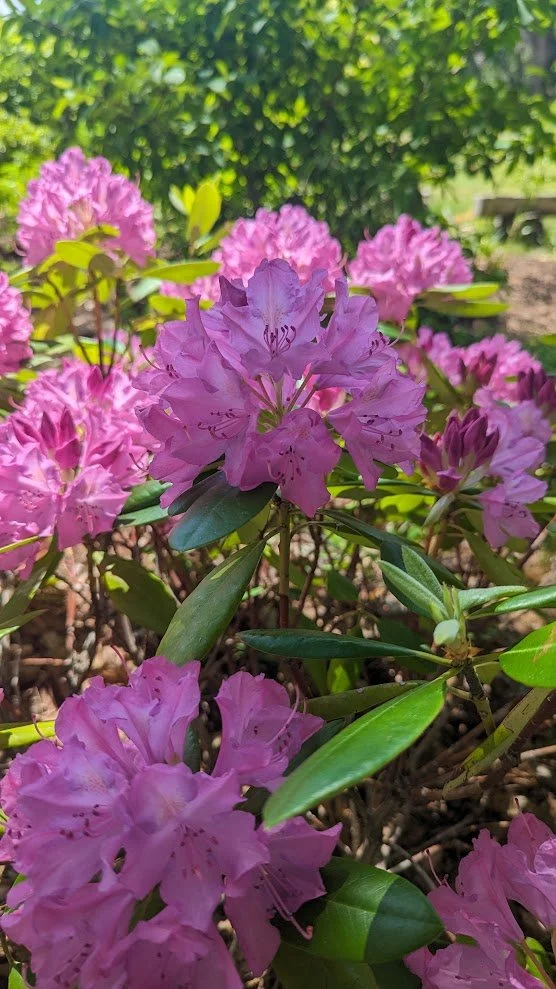
Rhododendrons: Offer lush foliage, stunning spring blooms, and year-round structure.
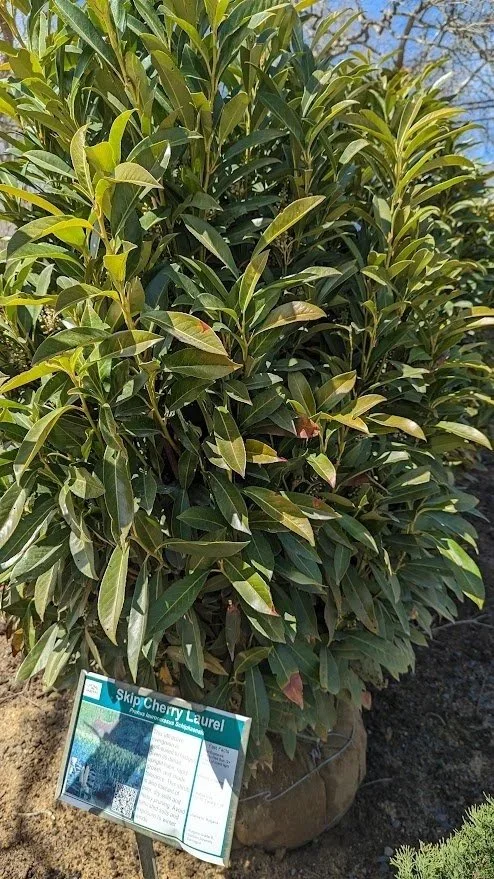
Cherry Laurels: Dense, fast-establishing, and classic.
Andromedas (Pieris): Provide early spring blooms and delicate, year-round foliage.
**********

Chamaecyparis lawsoniana ‘Pinpoint Blue’

Chamaecyparis pis. ‘Gold mop’
Chamaecyparis pisifera Baby Blue
The Benefits of Evergreens
Year-Round Interest: Gives the landscaper structure year round and stays green even through the dead of winter.
Privacy & Windbreaks: Block unwanted views and buffer cold seasonal winds.
Wildlife Habitat: Offer critical shelter and nesting sites for birds and small mammals.
Resilience: Exceptionally drought-resistant once their root systems are established.
Climate Suitability: Perfectly adapted to Martha’s Vineyard's climate zone (traditionally zone 7A, with many varieties proving even hardier)

Juniper Blue Star
Juniperus Blue Pacific
Juniperus procumbens Nana
Juniperus chinensis Blue Point
Stop by Vineyard Gardens to find the perfect evergreens for your screening project and let our team help you create privacy that lasts for generations!
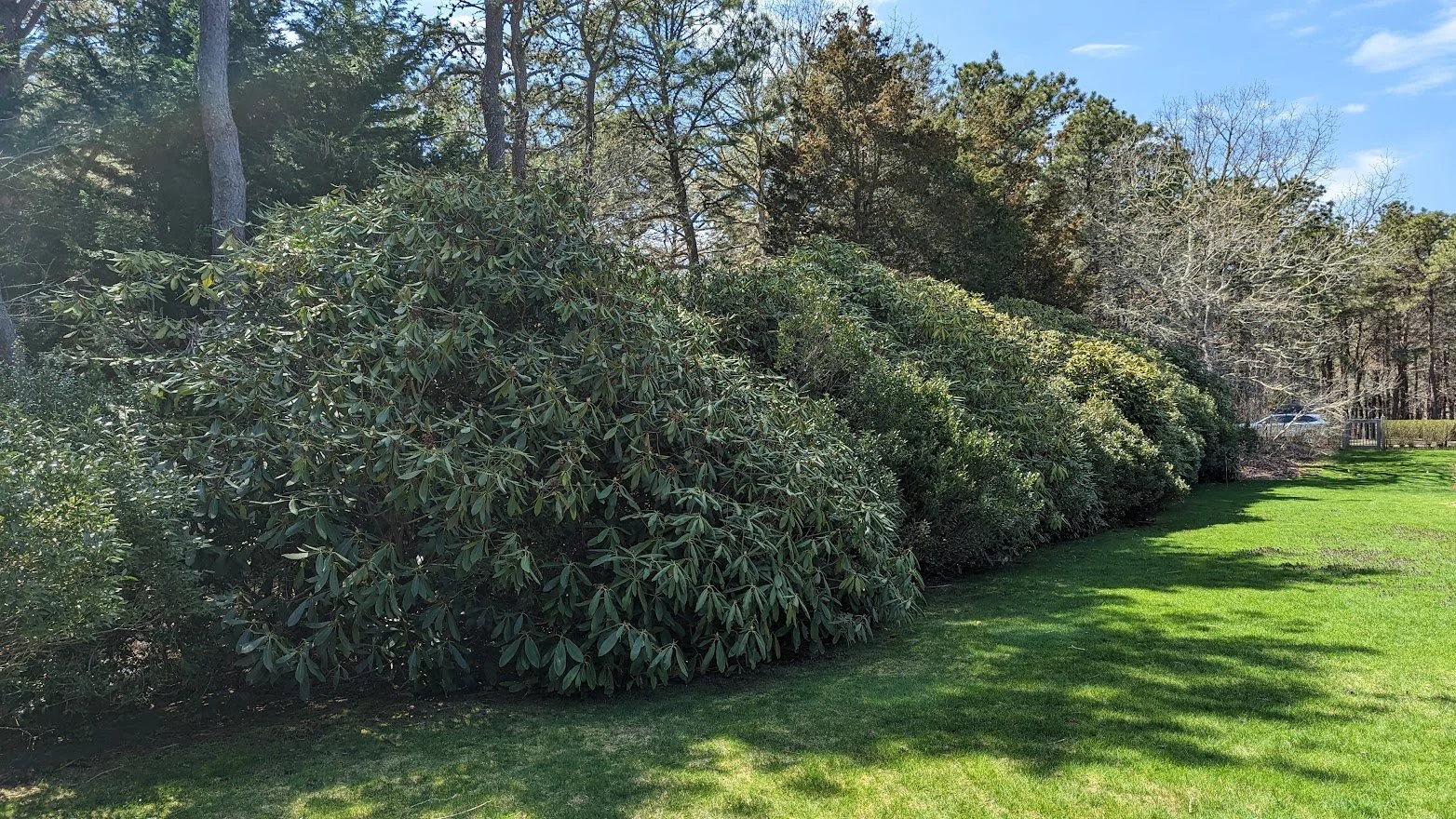
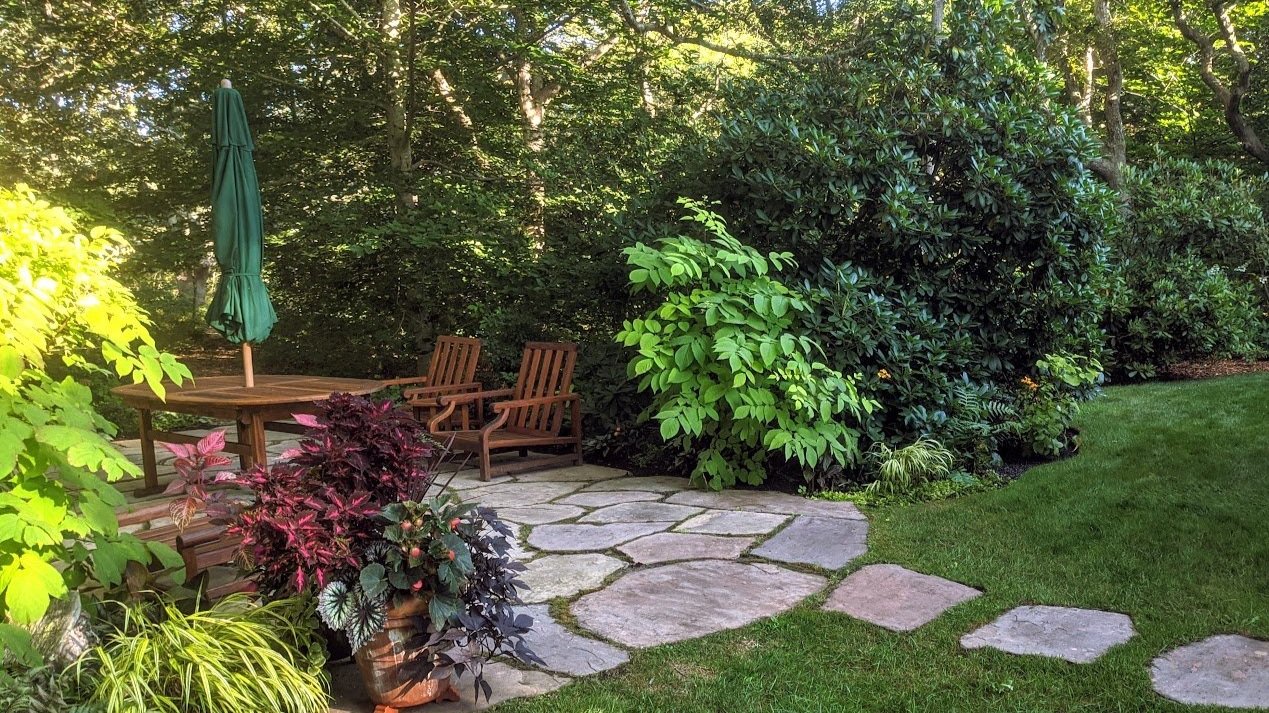
Rhododendron screening