
NOVEMBER
GARDEN TIPS
Quieting the Garden
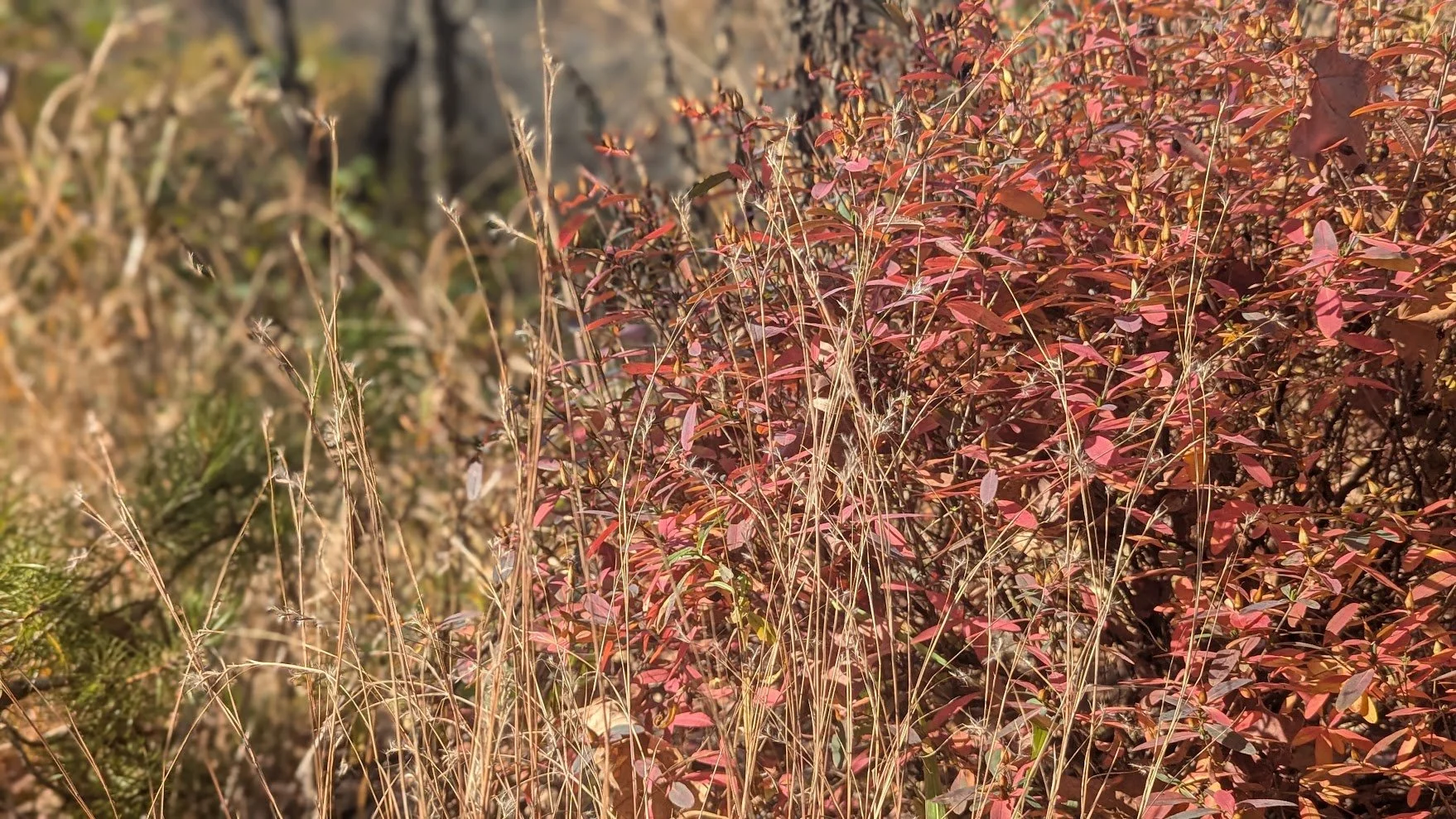
November marks the true beginning of the garden's transition into winter. As temperatures drop and leaves fall, nature shifts its rhythm: wildlife is busy gathering food for the months ahead, and beneficial insects are settling into safe, overwintering spots among dry plant stalks and fallen foliage.
Fall clean-up is a balancing act. It is a wonderful time to prepare your property for the colder months while blending traditional aesthetic polish with a subtle, eco-conscious approach that supports local biodiversity.
*****************
Leave the Leaves
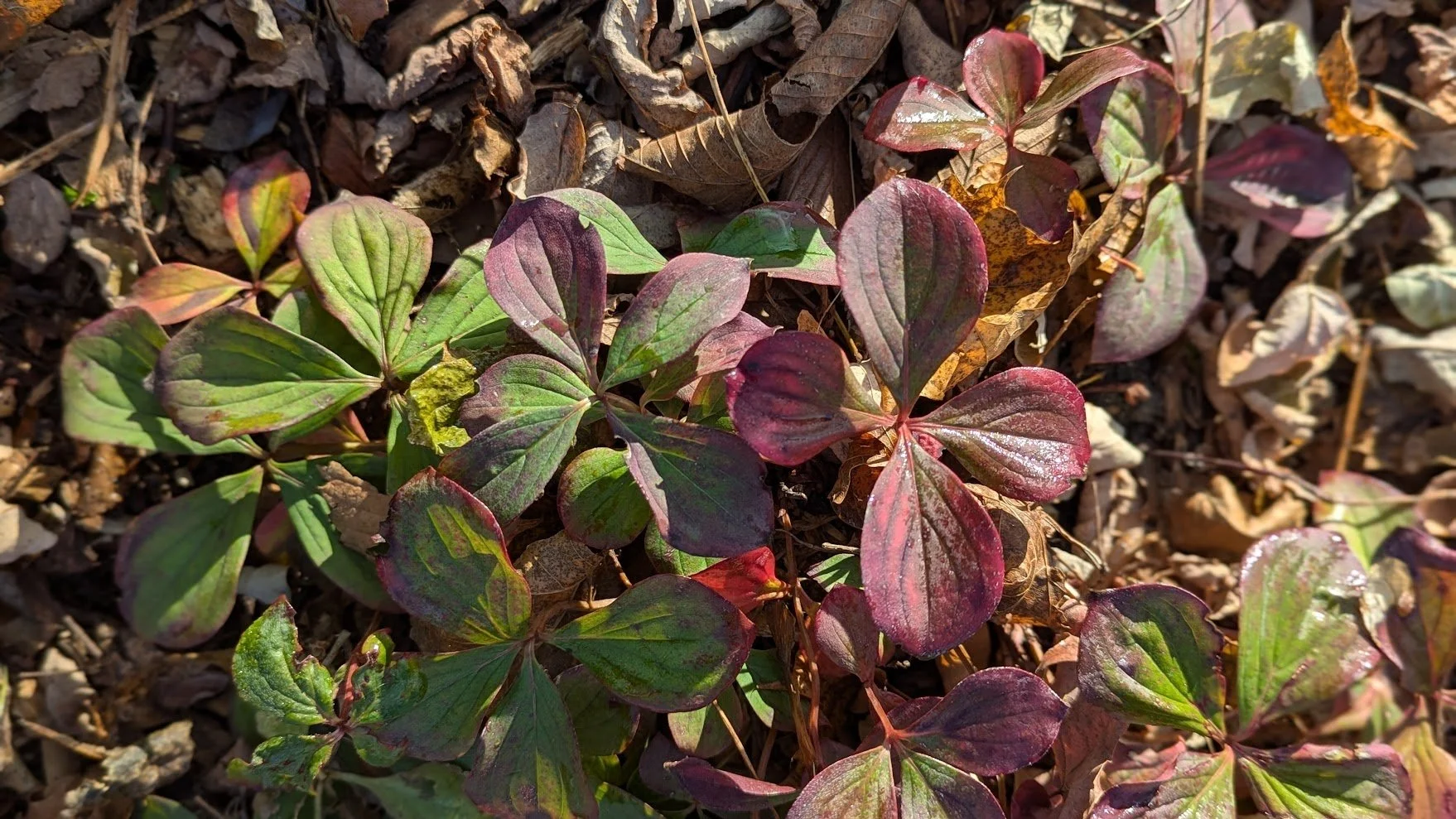
Beneath a layer of fallen leaves lies the foundation of next season's ecosystem, pollinators and beneficial insects resting safely for winter, ready to pollinate your spring and summer blooms.
A Balanced Approach: If you prefer a crisp, polished look for lawns and formal areas, you don't have to choose between a tidy property and a healthy habitat. Simply rake the leaves off the lawn and pathways, and move them neatly into your garden beds. This keeps the visible areas looking pristine while tucking the fallen leaves safely away where it can insulate perennials and enrich the soil while protecting the ecosystem.
To Cut Back Perennials or Not?
Traditional fall maintenance often involves cutting everything back to bare earth, but a more mindful approach leaves certain elements standing.
What to tidy: Cut back perennials prone to powdery mildew, such as hostas and peonies, to prevent disease from lingering over the winter.
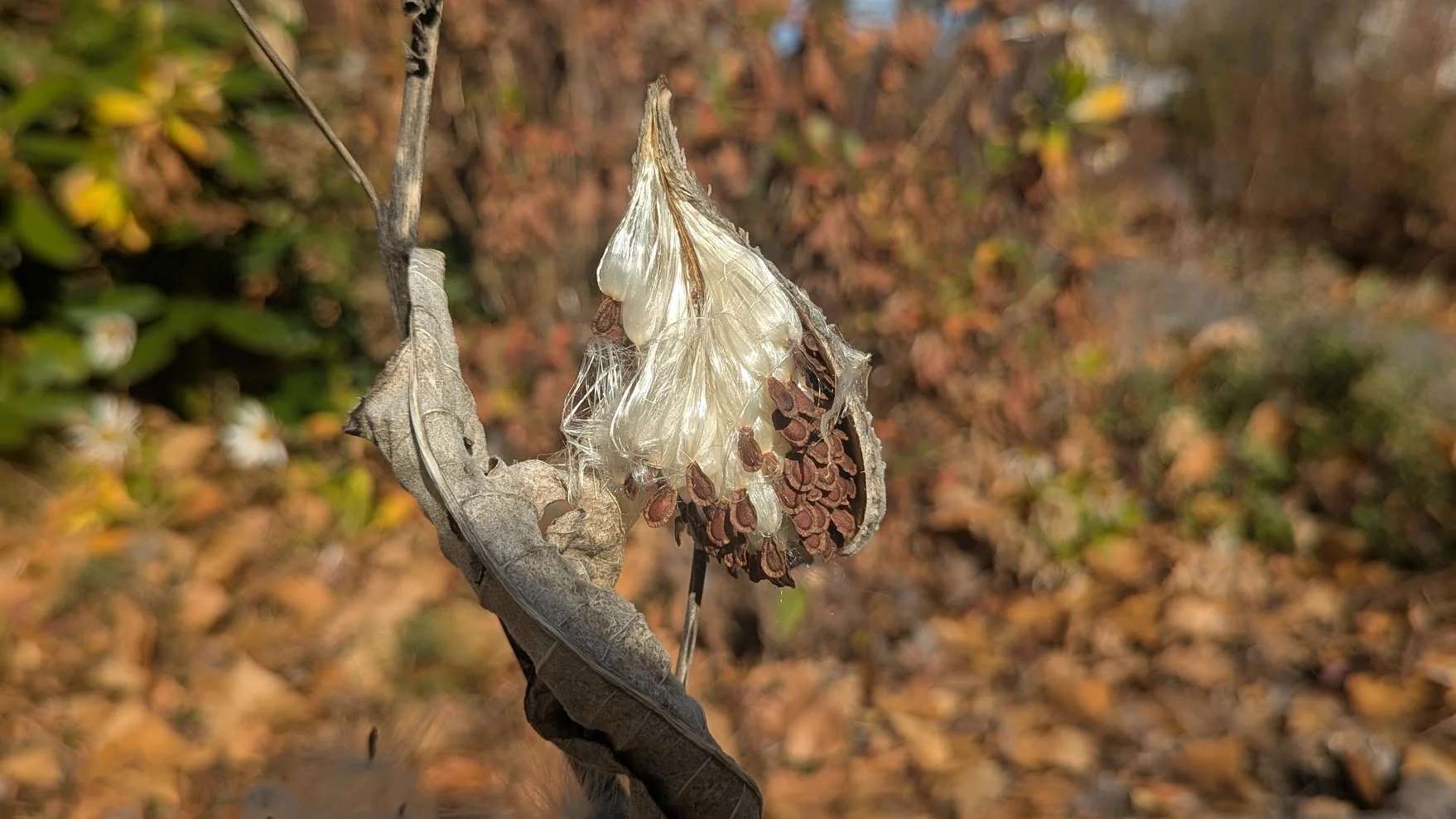
What to leave: Ecologists recommend leaving many dried plant stalks intact through the winter. Hollow stems serve as vital nesting sites and shelter for native bees and beneficial insects, while dried seed heads provide essential winter nutrition for local birds.
This Fall, Think Spring
November is the ideal window for planting spring-blooming bulbs before the ground freezes solid.
What to plant: Daffodils, alliums, tulips, and crocus can all go into the ground now, ensuring a vibrant, colorful awakening across your property when spring arrives.
Hydrangea Care
Proper pruning in late autumn is essential to protect next year's blooms, particularly on classic varieties.
Mophead Hydrangeas: Do not prune blue and pink mophead hydrangeas in the fall. They set their flower buds on "old wood" (last year's stems), so cutting them back now will accidentally remove next summer's flowers.
Winter Interest: Leave the dried flower heads on the plant through the winter; they add wonderful architectural texture and structure to the dormant landscape.
Weather and Deer Protection
Winter on the coast brings harsh winds, salt spray, and hungry wildlife looking for a meal.
Burlap Wrapping: Protect vulnerable evergreens, such as boxwoods, rhododendrons, arborvitae, and specimens near the water, by wrapping them in burlap to shield them from drying winter winds, road salt, and deer browsing when food is scarce.
Deep Watering: Give all evergreens one final, thorough soaking before the first hard freeze to help them retain moisture through dry winter winds.
Pottery
Protect Your Pots: Bring all clay and ceramic pots into the garage or shed before hard freezing temperatures hit. Trapped moisture inside unglazed or porous pots will expand as it freezes, causing the pottery to crack.