• Home
  • ABOUT
    • PROJECTS
    • SPRING CHECKLIST 2026
    • Landscape Teams
    • LANDSCAPE DESIGN
    • LANDSCAPE CONSTRUCTION
    • LANDSCAPE MAINTENANCE
    • Nursery
    • BULK MATERIAL
    • PLANT PROFILES
  • Application
  • EVENTS
  • FIELD NOTES
  • TESTIMONIALS
  • Contact
Menu

Vineyard Gardens

484 State Road
West Tisbury, MA, 02575
508.693.8512
Landscaping & Garden Center

Your Custom Text Here

Vineyard Gardens

  • Home
  • ABOUT
  • LANDSCAPING
    • PROJECTS
    • SPRING CHECKLIST 2026
    • Landscape Teams
    • LANDSCAPE DESIGN
    • LANDSCAPE CONSTRUCTION
    • LANDSCAPE MAINTENANCE
  • NURSERY
    • Nursery
    • BULK MATERIAL
    • PLANT PROFILES
  • Application
  • EVENTS
  • FIELD NOTES
  • TESTIMONIALS
  • Contact

ROSES

May 25, 2026 Karen Logan

Roses [illustration by karen blackerby logan]

The Perfect Fit:

Roses in the

Vineyard Garden

With so many breathtaking varieties available, how do you choose the right rose for your landscape? Whether you are looking to cover a classic picket fence, fill a sunny border, or plant a low-maintenance native, Vineyard Gardens is here to help you select the perfect match for your property.

Here is a breakdown of the primary rose categories and a sampling of the beautiful varieties we are carrying at the nursery this season.

David Austin Roses photo by keith kurman

David Austin Roses

CLIMBING ROSES

Climbing roses are spectacular for adding vertical color to fences, arbors, or trellises. You can easily train these vigorous growers to climb in any direction by gently tying the canes as they grow.

  • New Dawn: One of the most popular climbing roses. Its pale pink blooms offer the iconic look famously seen draping over the white fences of Edgartown.

  • Zephirine Drouhin: A stunning, thornless climber featuring deep rose-pink flowers and a strong, fruity fragrance. Great for training over high-traffic walkways, arches, seating areas, or doorways where you won't have to worry about anyone getting snagged.

  • Tess of the d'Urbervilles (David Austin): A compact climber producing striking crimson-red blooms with a medium, classic Old Rose fragrance.

  • Bathsheba (David Austin): An elegant climber sporting apricot-toned flowers and a unique, beautiful scent.

Climbing New Dawn Rose (David Austin Roses)

Climbing New Dawn Rose

SHRUB ROSES

Shrub roses are upright, bushy plants that offer incredible versatility. They are perfect for hedges, mixed garden beds, or stand-alone focal points.

Classic & Native Shrub Favorites

  • Knock Out® Roses: Famous for a reason! These are exceptional, continuous repeat-bloomers that flower much longer than traditional rose bushes. They maintain a tidy, mounded shape when pruned correctly (note: they do not climb).

  • Rosa palustris (Swamp Rose): A fantastic native, multi-branched shrub boasting intensely fragrant pink blooms and fleshy red rose hips. This plant is a true ecological powerhouse; as a keystone wetland species, it prevents soil erosion while supporting an incredible diversity of wildlife. It serves as a vital larval host for multiple native moths, provides safe, dense nesting sites for songbirds, and offers a critical food source for native bees, butterflies, and birds.

  • Julia Child: Features warm, pale yellow flowers paired with a delicious licorice and clove scent.

  • Seafoam: A low, sprawling shrub covered in creamy white blooms with a light, delicate fragrance.

  • Blanc Double de Coubert: A rugged rugosa hybrid known for its intensely fragrant, pure white double blooms.

David Austin Shrub Roses:

David Austin varieties are world-renowned for combining the romantic, multi-petaled double flowers of Old Roses with the disease resistance and repeat-blooming power of modern varieties.

  • Vanessa Bell: Soft, pale yellow flowers with a fragrance reminiscent of green tea. Forms a bushy, upright shrub (4’ x 3’).

  • Desdemona: Beautiful white blooms flushed with a pinkish hue. Features a complex Old Rose fragrance with hints of almond blossom, cucumber, and lemon zest.

  • Gertrude Jekyll: A large shrub with bright pink blooms and a quintessential, rich Old Rose scent.

  • Olivia Rose Austin: A well-balanced medium shrub with soft, mid-pink flowers and a delightful, fruity fragrance.

  • The Fairy: A charming, smaller shrub that stays compact, producing clusters of light pink flowers with a mild scent.

Knockout Roses

Rosa double pink knockout.

GROUND COVER ROSES

These low-growing, sprawling varieties are ideal for the front of garden borders, slopes, or erosion control. They thrive in full sun and add a vibrant carpet of color.

  • Rosa rugosa (Beach Rose): Our naturalized beach rose is hands-down the most salt-tolerant and drought-tolerant rose around. Perfect for coastal Island landscapes.

MINIATURE & CONTAINER ROSES

Do you dream of growing roses but have limited garden space? We’ve brought in a few different varieties of dwarf roses to give you the opportunity to grow these great cut flowers right on your patio or deck!

Rose mini

ROSE CARE

To get the absolute most out of your roses, keep these three golden rules in mind: Roses love full sun, well-drained soil, and plenty of organic nutrients!

  • Feed Them Now: Spring is the perfect time to apply a high-quality fertilizer to kickstart the blooming season. We highly recommend Espoma Plant-tone or Rose-tone for organic, steady feeding.

  • Mind the Drainage: Whether planting in a garden bed or a large patio container, ensure the roots never sit in waterlogged soil.

Looking for something different? We’ve only scratched the surface of the incredible rose varieties we carry. Stop by Vineyard Gardens, and our team will help you find the perfect rose to elevate your home landscape!

PLANT PROFILE: PEONIES
MAY GARDEN TIPS
In GROUNDCOVERS, PERENNIALS, MAY, SHRUBS, PLANT PROFILES Tags Roses, climbing roses, groundcover roses, knockout roses, shrub roses, miniature roses, rosa rugosa, New Dawn Rose
Comment

SEDUMS

August 5, 2024 Karen Logan

SEDUMS

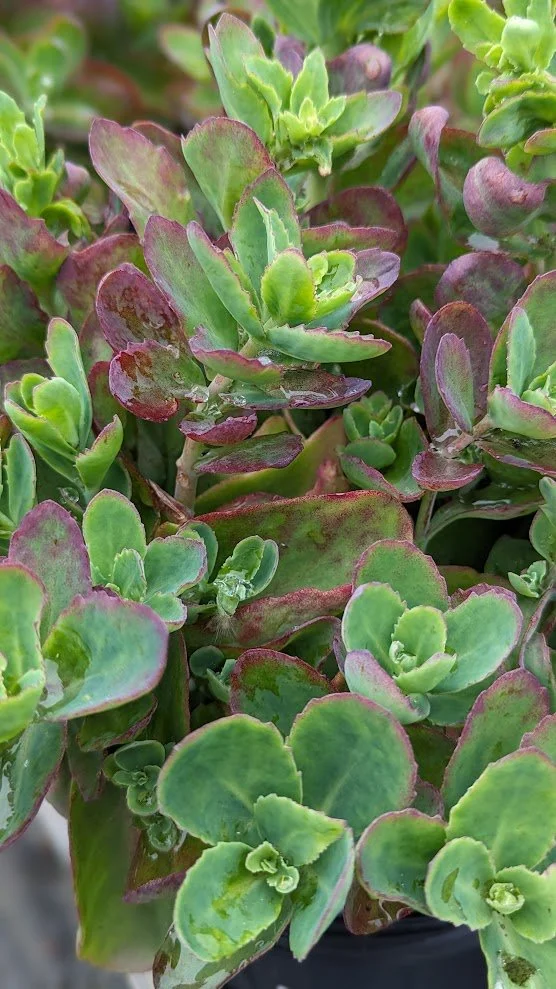
There are over 400 species of sedums, in the family Crassulacea. They are known for their succulent foliage and drought tolerance. Sedums are easy to grow, hardy perennials that come in a range of sizes, colors and shapes and flower beautifully. Plant them in full sun and well drained soil and they will be happy campers. Some even do fine with afternoon shade.

Sedums are terrific low maintenance plants which really stand out in late summer to fall.

Sedums grown at our on site production location

SEDUM PLANT TYPES

  • Creeping Sedum: Groundcover that can spread up to 3 feet. This low growing sedum usually spreads quite wide like a carpet. Many of them have little rosettes for foliage which look like flowers but are actually foliage. The Sedum major is a great example of foliage that resembles flowers.

  • Tall Sedum: Upright habit that can reach 2-3’ tall and wide. These taller sedums are like small shrubs. They can even work as hedges.

  • Trailing Sedum: Used in containers, hanging baskets or spill over rock walls.

Vineyard Gardens usually divides Sedums into the low growing, spreading type referred to as rock garden sedums and the taller more upright type many of which are in the species spectabile, which means showy.

View fullsize A8l7z2Fg.jpeg
View fullsize IMG_20220610_092422.jpg
View fullsize MUNSTEAD DARK RED SEDUM.jpg
View fullsize prima angelina sedum stonecrop.jpg
View fullsize sedum frosted fire.jpeg
View fullsize sedum lemon ball.jpeg
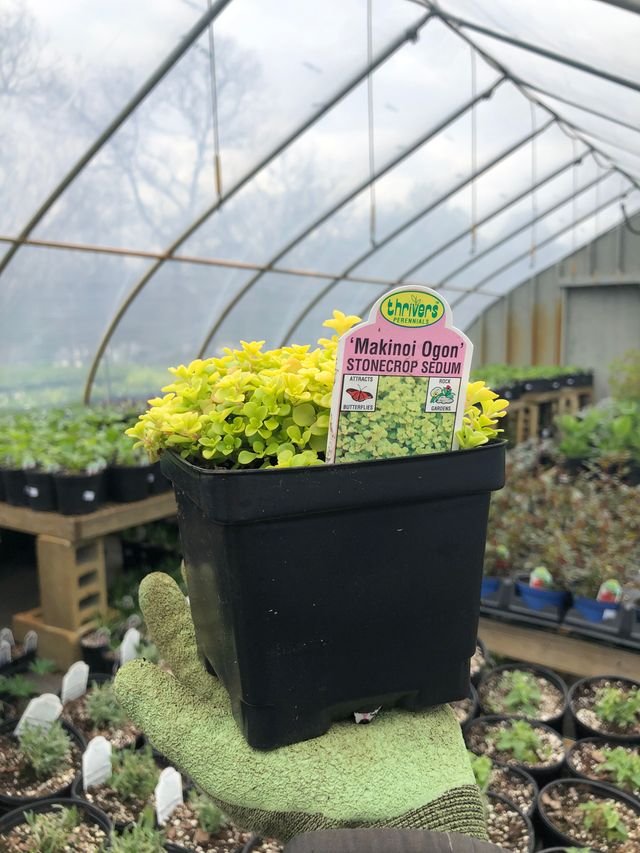
View fullsize sedum makinoi ogon.jpeg
View fullsize sedum matrona.jpeg
View fullsize sedum munstead dark red.jpeg
View fullsize spellbound SEDUM1.jpg
View fullsize stonecrop.jpg
View fullsize PXL_20230925_152658407.PORTRAIT.jpg
View fullsize PXL_20240416_131740333.jpg
View fullsize IMG_20220506_111415.jpg
View fullsize IMG_20220513_152347.jpg
View fullsize PXL_20240613_144008271.jpg

SEDUMS AT VINEYARD GARDENS

  • Sedum rupestris Angelina: A rock garden spreader with yellow foliage and yellow flowers.

  • Sedum reflexum Blue Spruce: Great in rock gardens and have bluish gray foliage.

  • Sedum Steel the Show: This sedum is the perfect ground cover for a sunny garden. It has bright blue green foliage.

  • Sedum dasphyllum Major: A rock garden type whose foliage looks like tiny little blue flowers.

  • Sedum Sunsparkler Series: This series is medium size and the foliage ranges from plum purple to green with cream variegation.

    We carry Dazzleberry, Plum Dazzler, Cherry Tart, Lime Zinger, Firecracker and Blue Elf.

  • Sedum Munstead Dark Red: A spectabile type that grows 15-18” tall with greenish foliage and dark red flowers.

  • Sedum Mojave Jewels Saphire: A plum colored upright sedum.

  • Sedum Night Light: Flower color in shades of yellow to gold. 22-26” tall; 30-36” spread.

    Sedum blooms attract pollinators. Birds, butterflies and many insects love them!

Sedum in a planted container

Flowering yellow sedum with Butterfly Bush and Hydrangea paniculata

In AUGUST, GROUNDCOVERS, PLANT PROFILES Tags Sedums, creeping sedums, trailing sedums, Tall sedums
Comment

PERENNIALS FOR SHADE

July 12, 2024 Karen Logan

Gorgeous combination of Thalictrum ‘Elin,’ Aquilegia, Euphorbia and the leaf and seed pod of Paeonia delavayi. The glowing spikes on the right are from a bedding pocket of a pale yellow Digitalis [photo by Andrew Wiley]

PERENNIALS

FOR SHADE

******************************************
SUMMER BLOOMING PERENNIALS FOR SHADE

Even if your yard is shady, you can still have beautiful flowers and foliage! If your yard needs more sun but you don’t want to cut down trees you can limb up or thin out a few trees to let in more sun. On the other hand, If you have a very sunny garden and want to grow some of these wonderful shade perennials, plant a few small trees or large shrubs in the beds. Not only will they provide a little shade but height and size will add interest to perennial beds.

Alchemilla

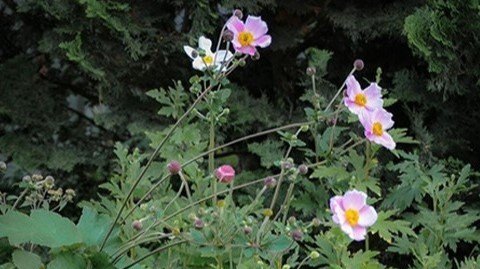
Anemone

Asarum

Astilbe

Cimicifuga

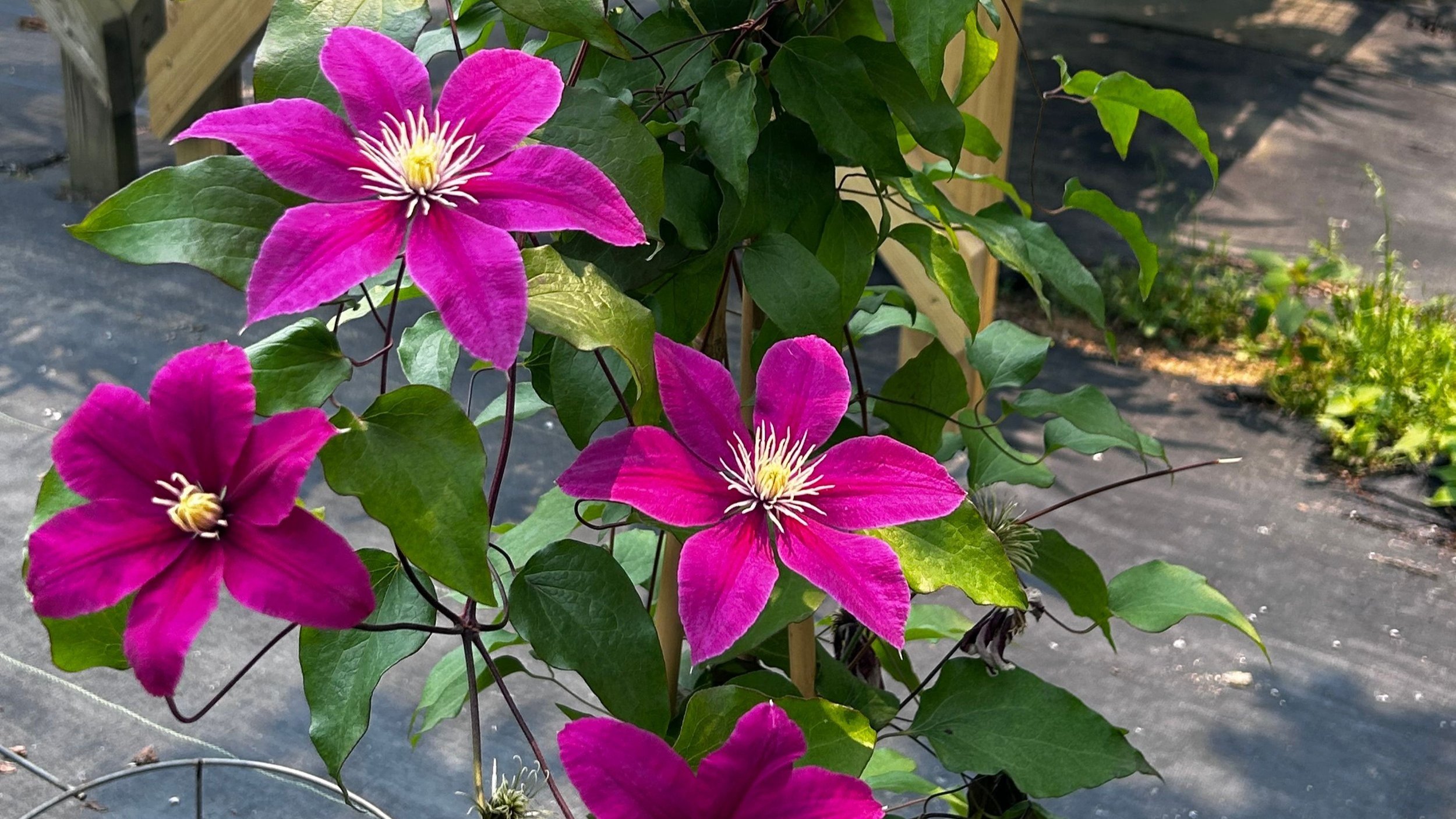
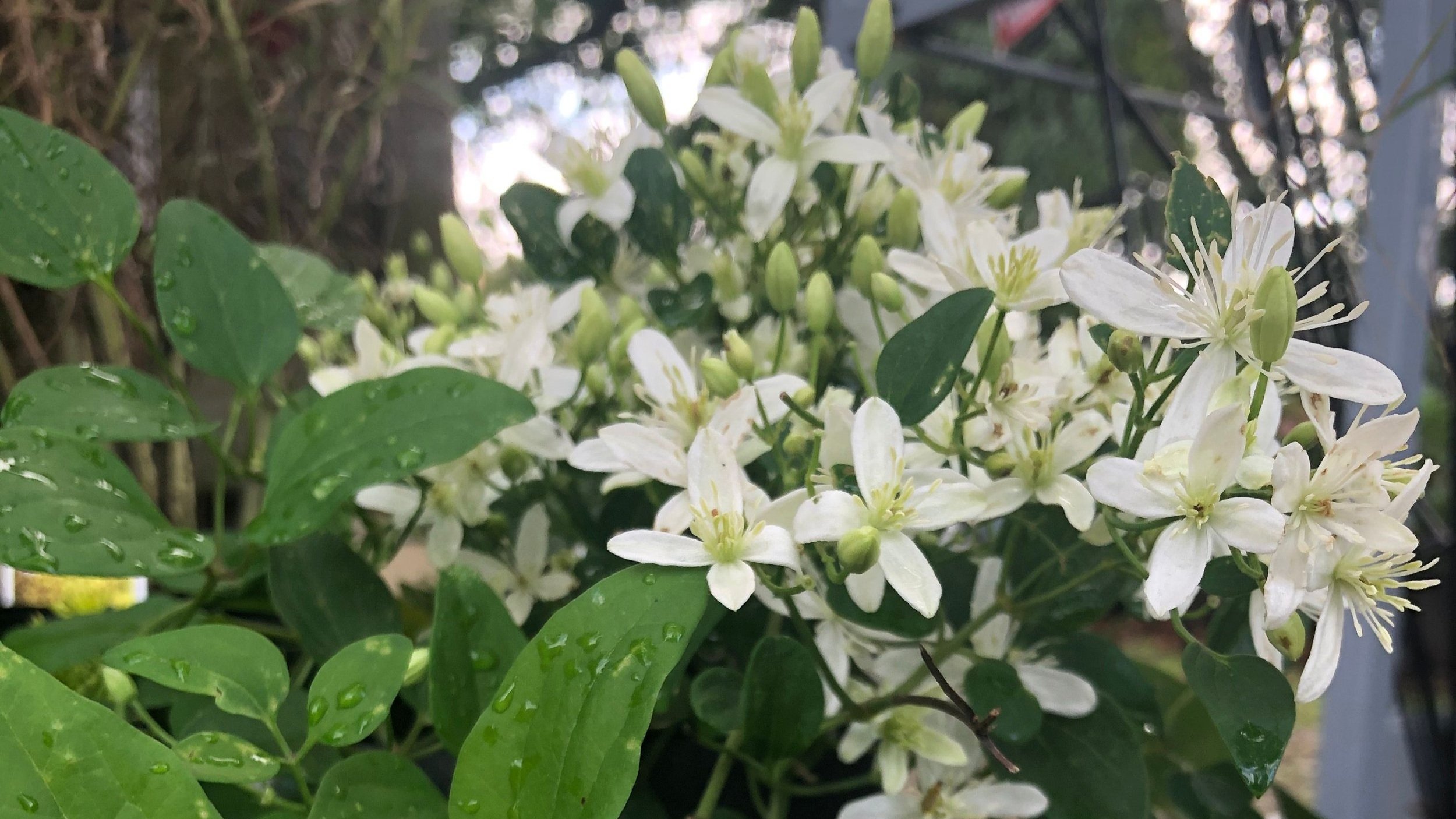
Clematis

Dicentra

Epimedium

Euphorbia

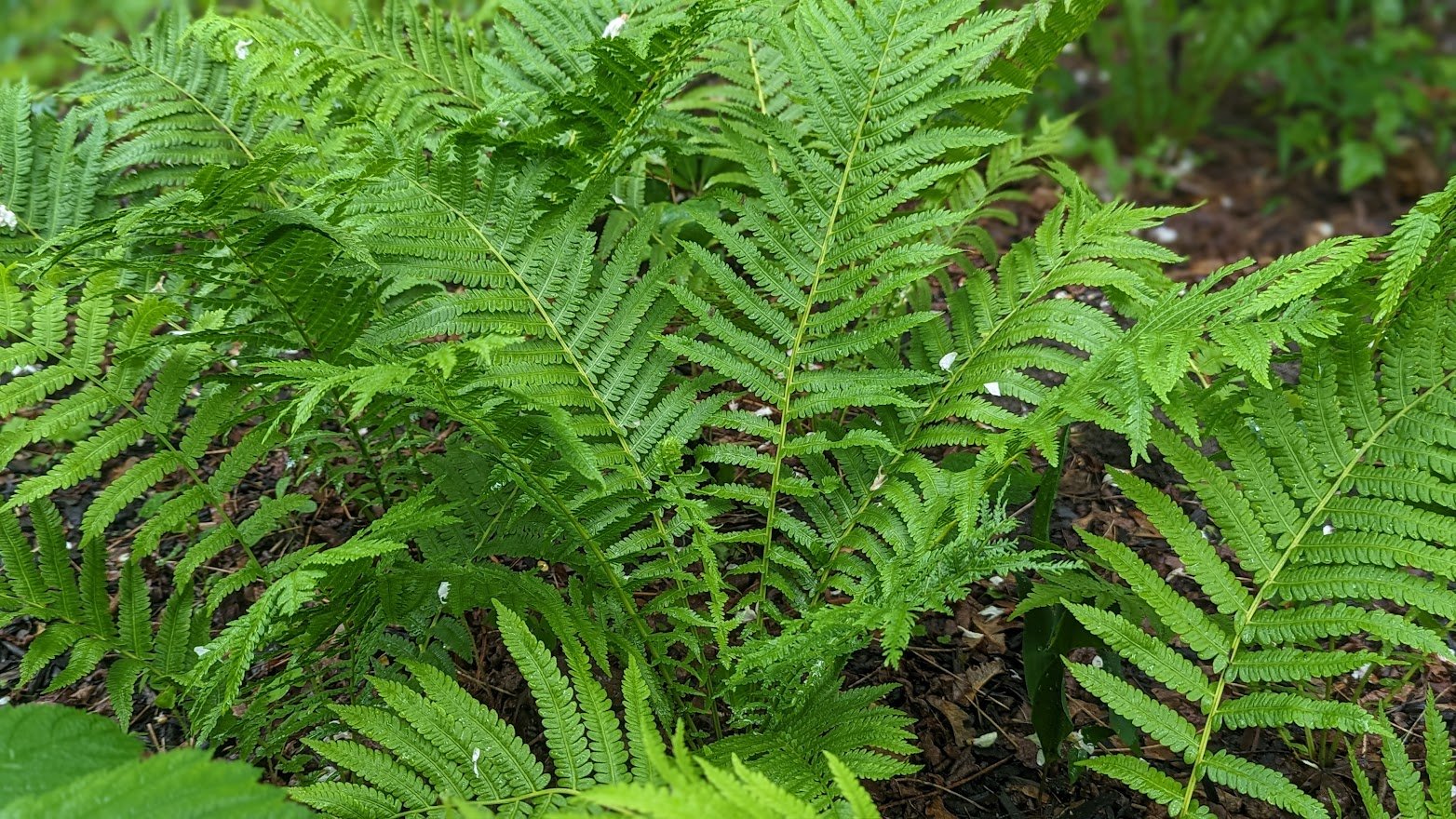
Ferns

 Foxglove

Galium

Ferns, Heuchera & Columbines

Geraniums (perennial)

Hackonechloa

Heucheras

Hostas

Ligularia

Pachyhsandra

Polygonatum

Rodgersia

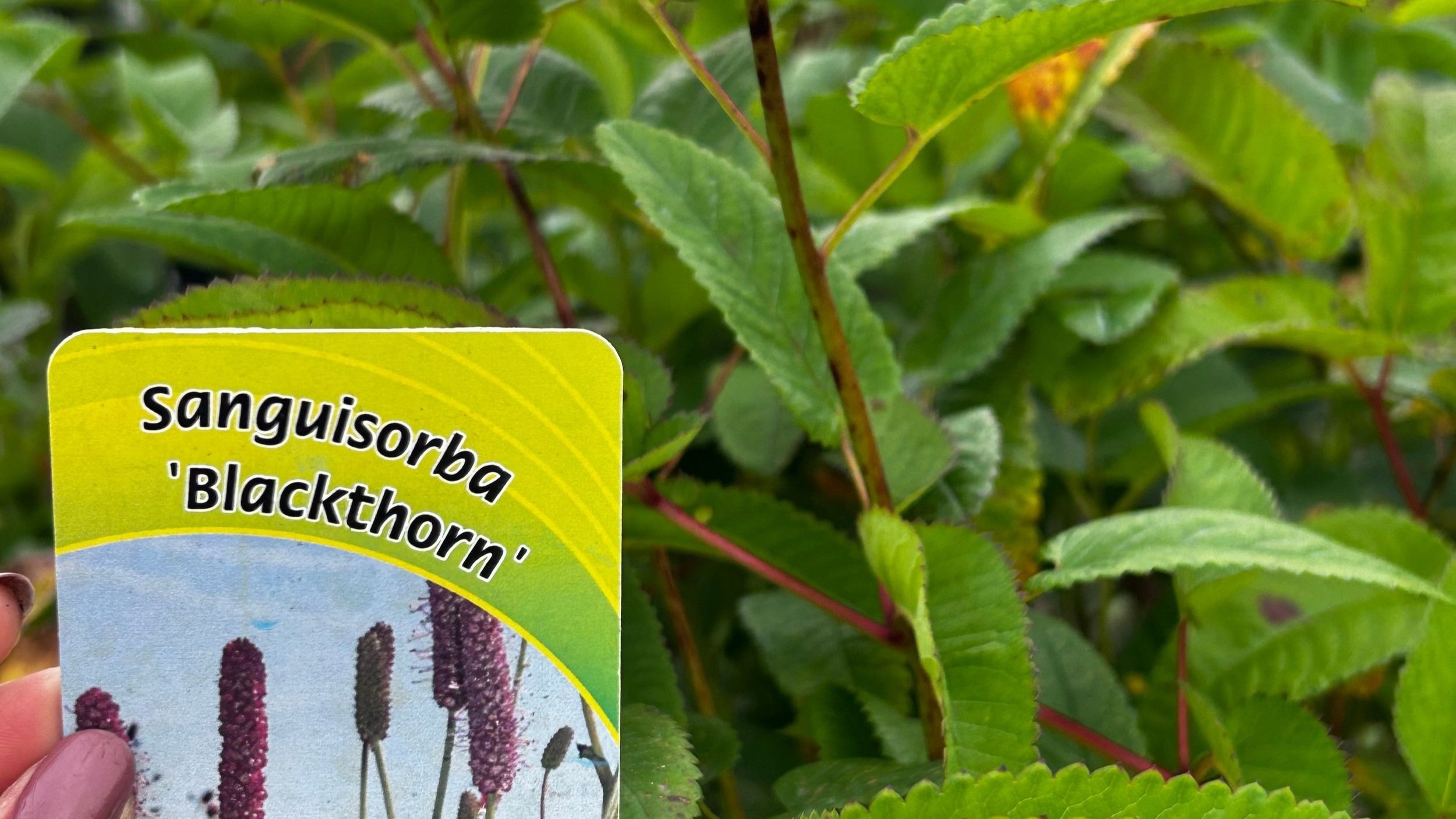
Sanguisorba

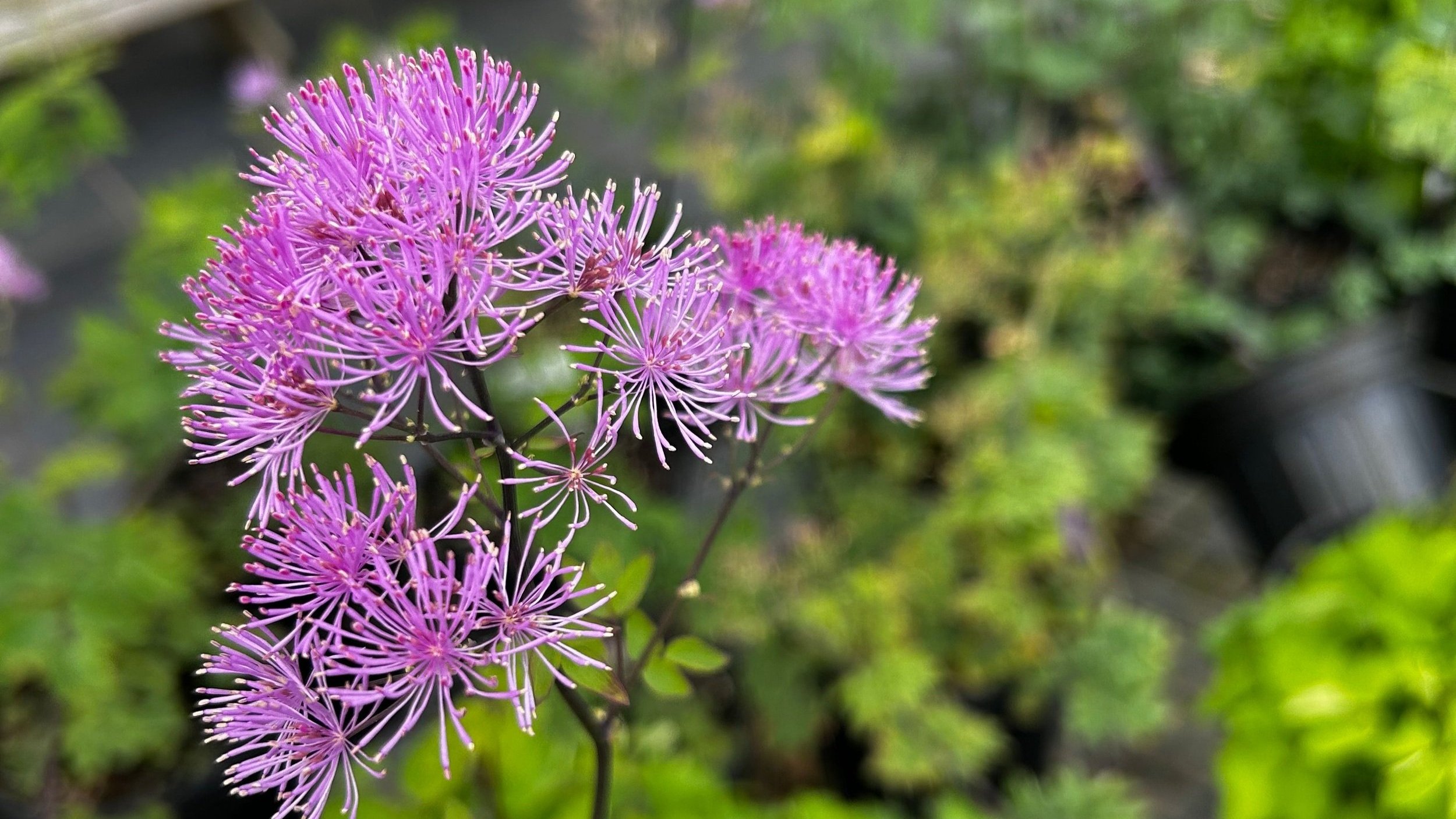
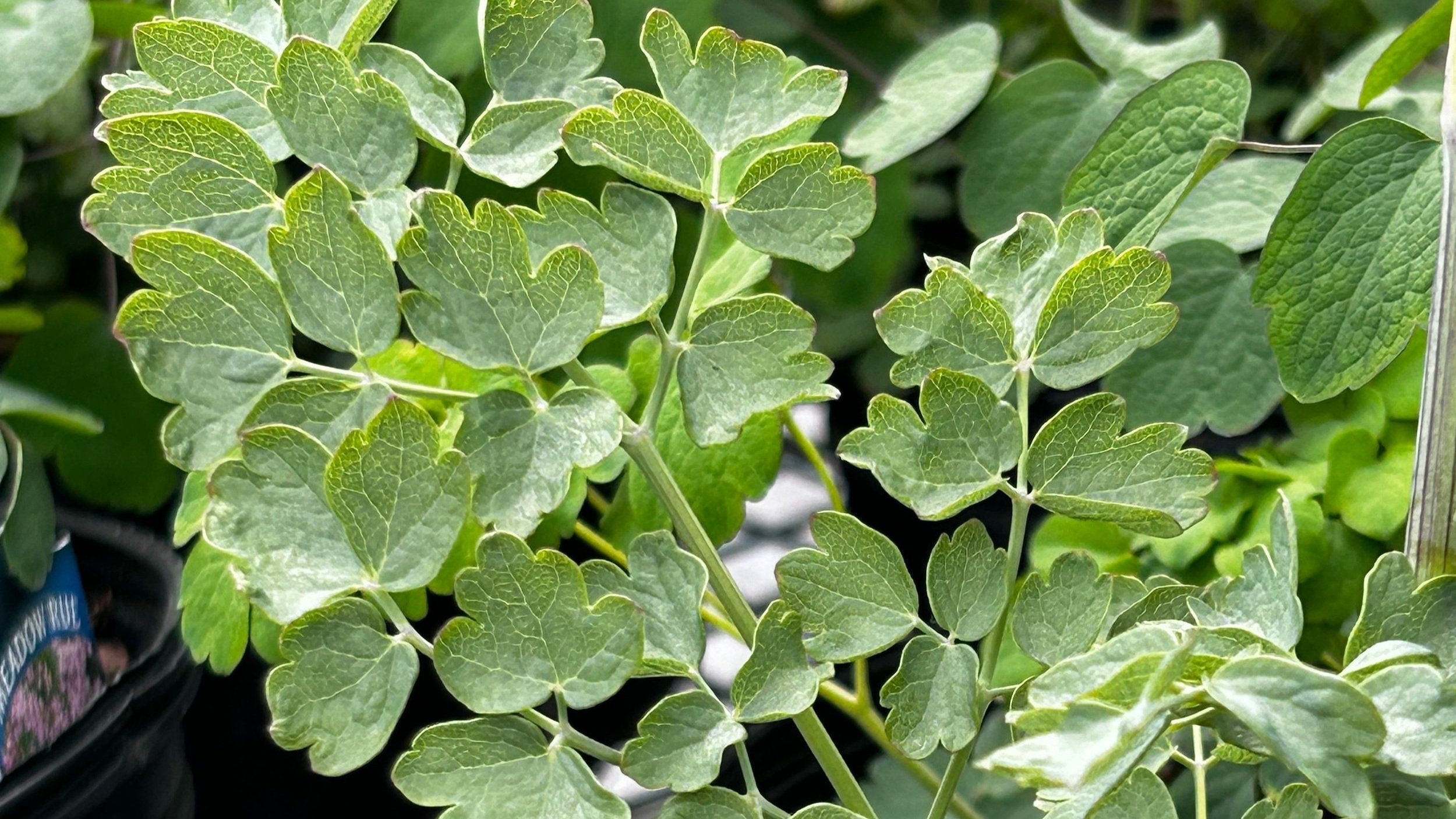
Thalictrum

Vinca

**************************************
Perennials that thrive in shade often do quite well with more sun, as long as they get enough water. The reverse does not apply. Perennials that need sun often grow long and leggy in the shade. Plants that evolved in shade, usually in the understory of other plants, often have larger leaves to capture as much sun as possible. Some good examples are Rodgersias, Hostas, Astilboides and many Heucheras, like the popular Autumn Bride. These plants usually like a rich moist but well drained soil.

**************************************
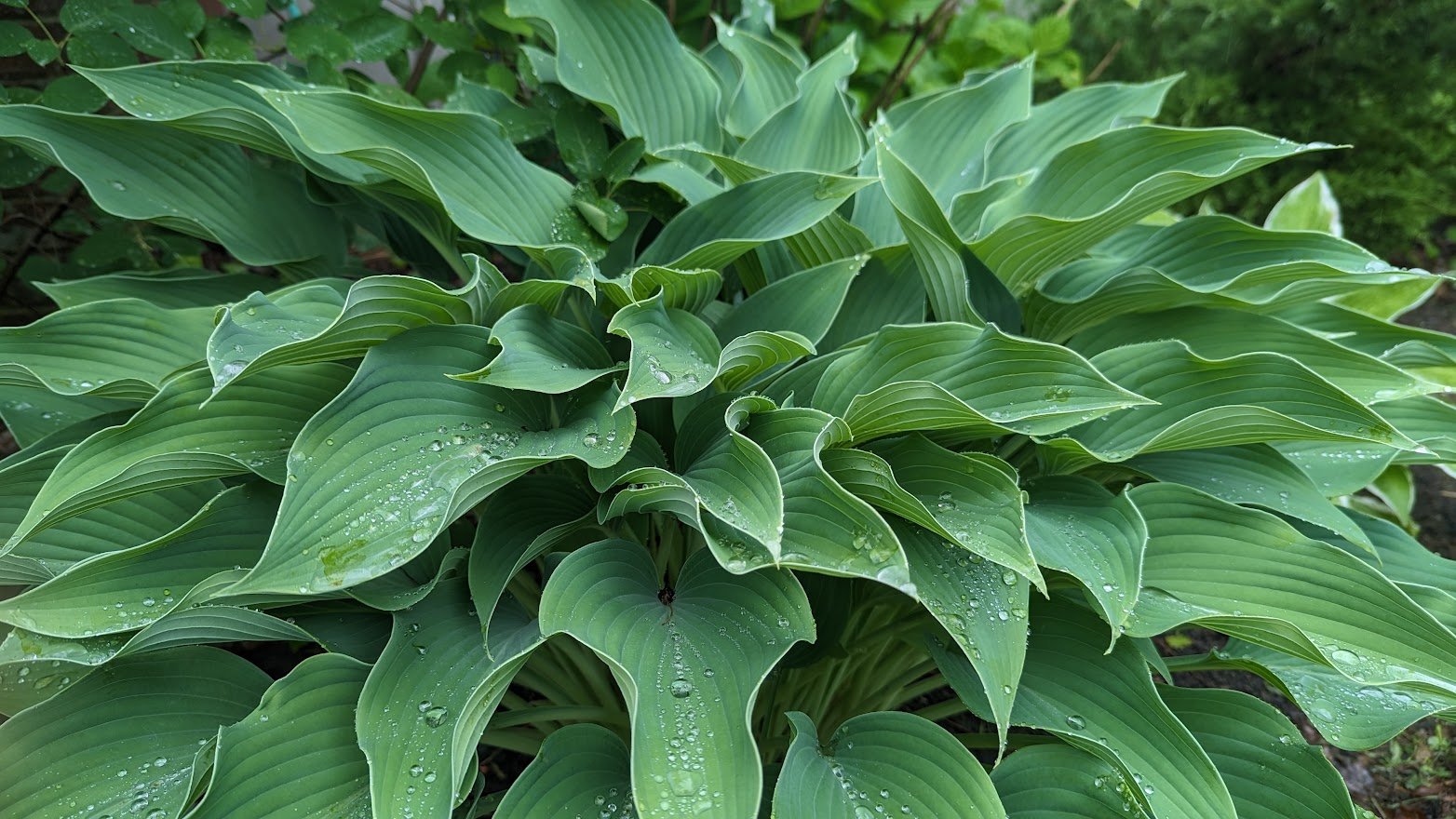
Hosta
Hosta
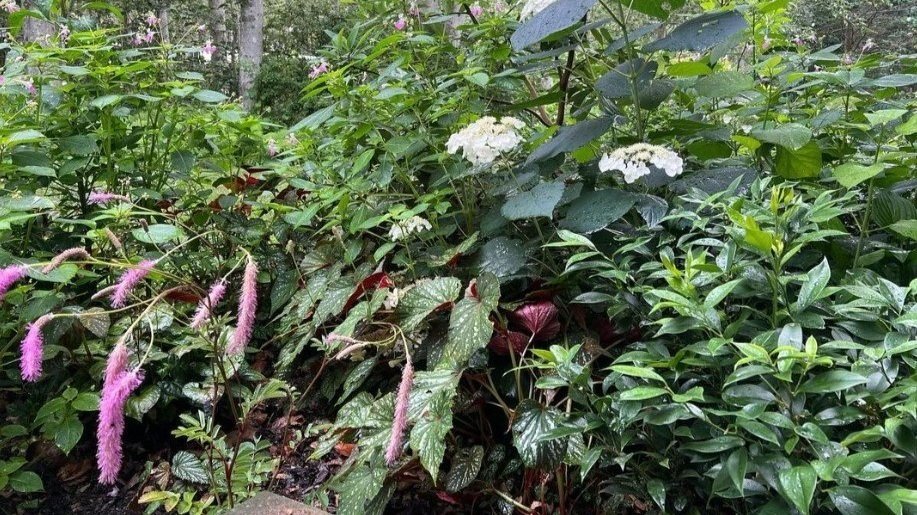
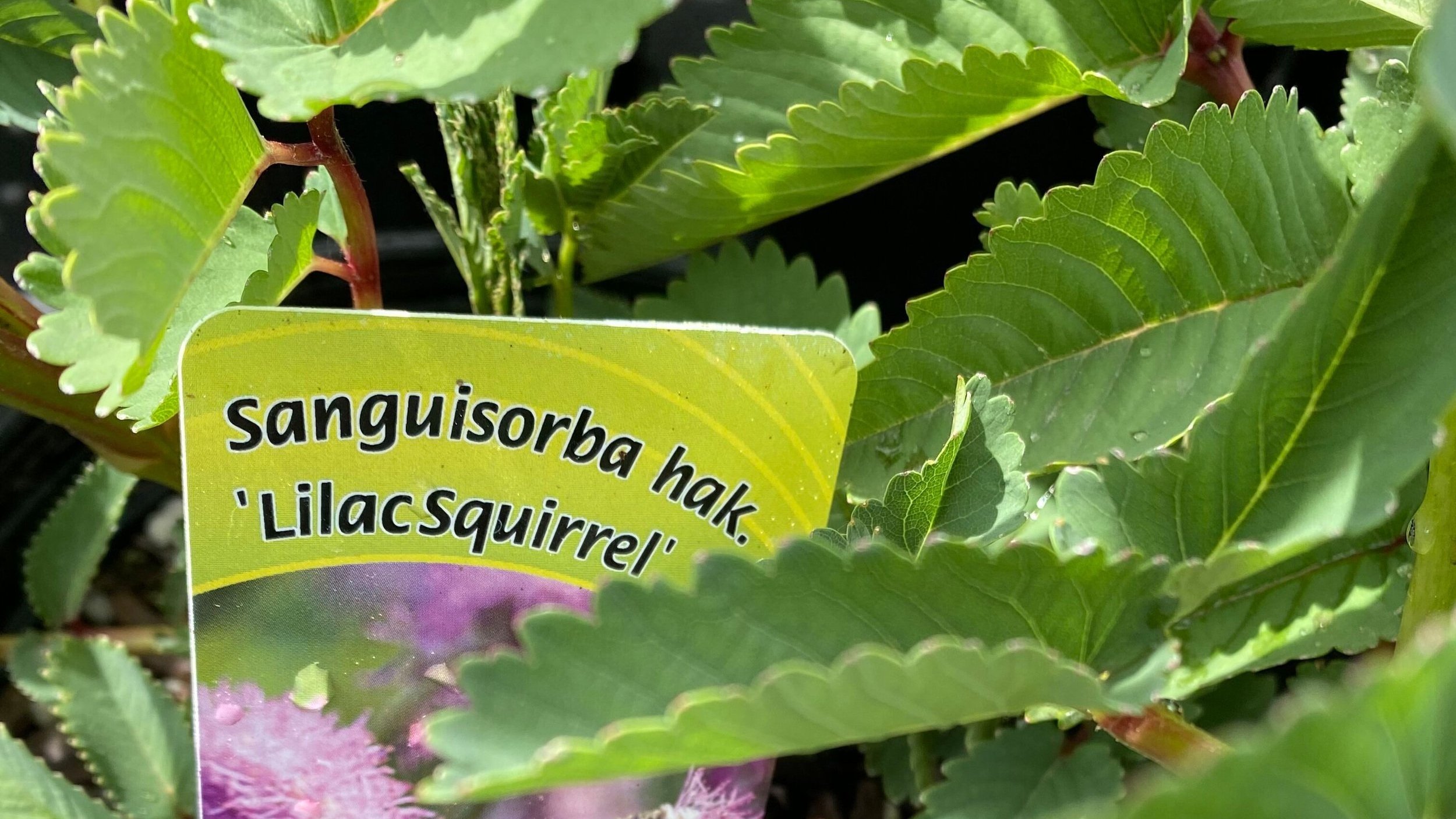
Sanguisorba ‘Lilac Squirrel’
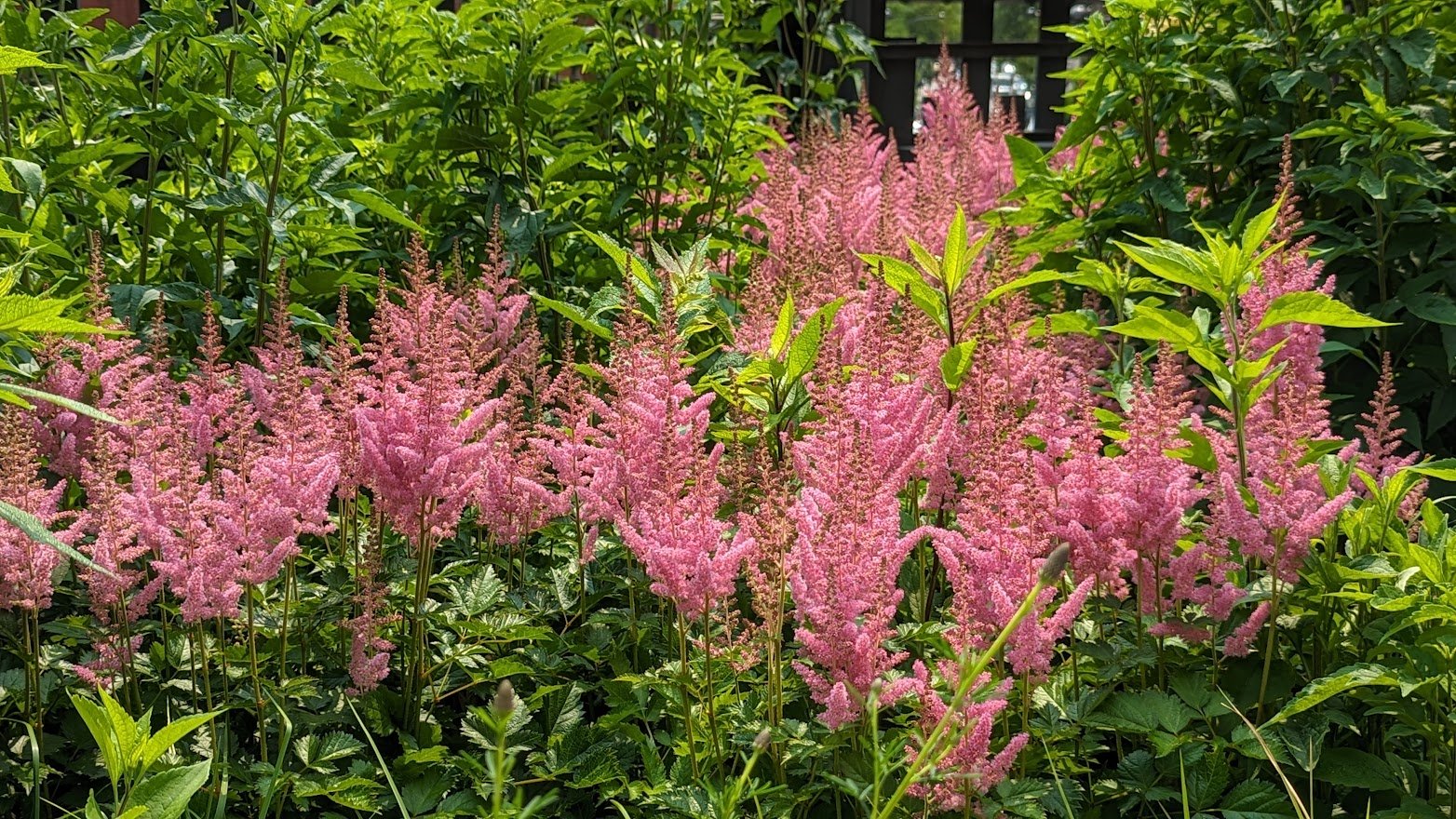
Astilbe
Astilbe
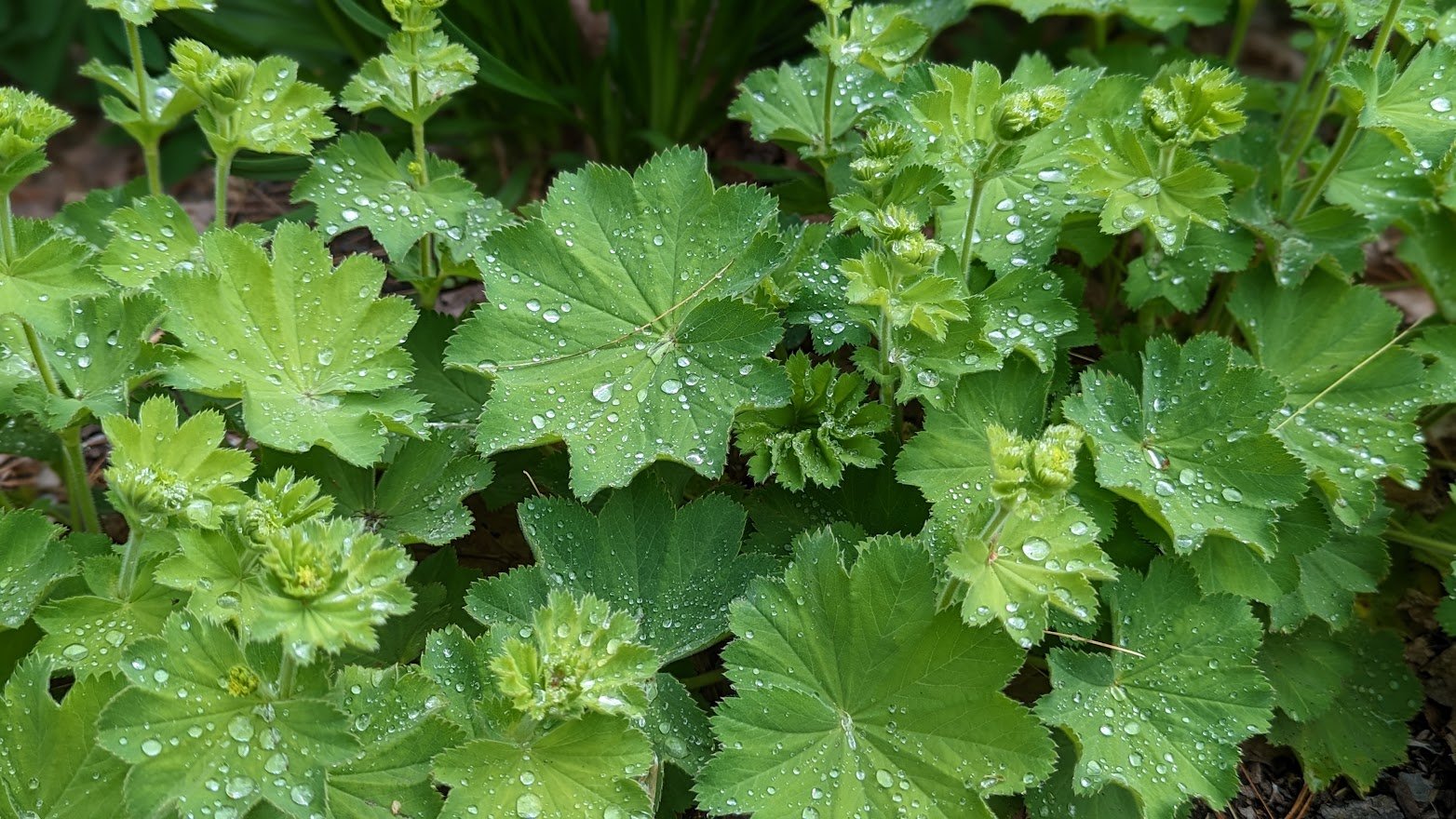
Alchemilla, Lady's Mantle
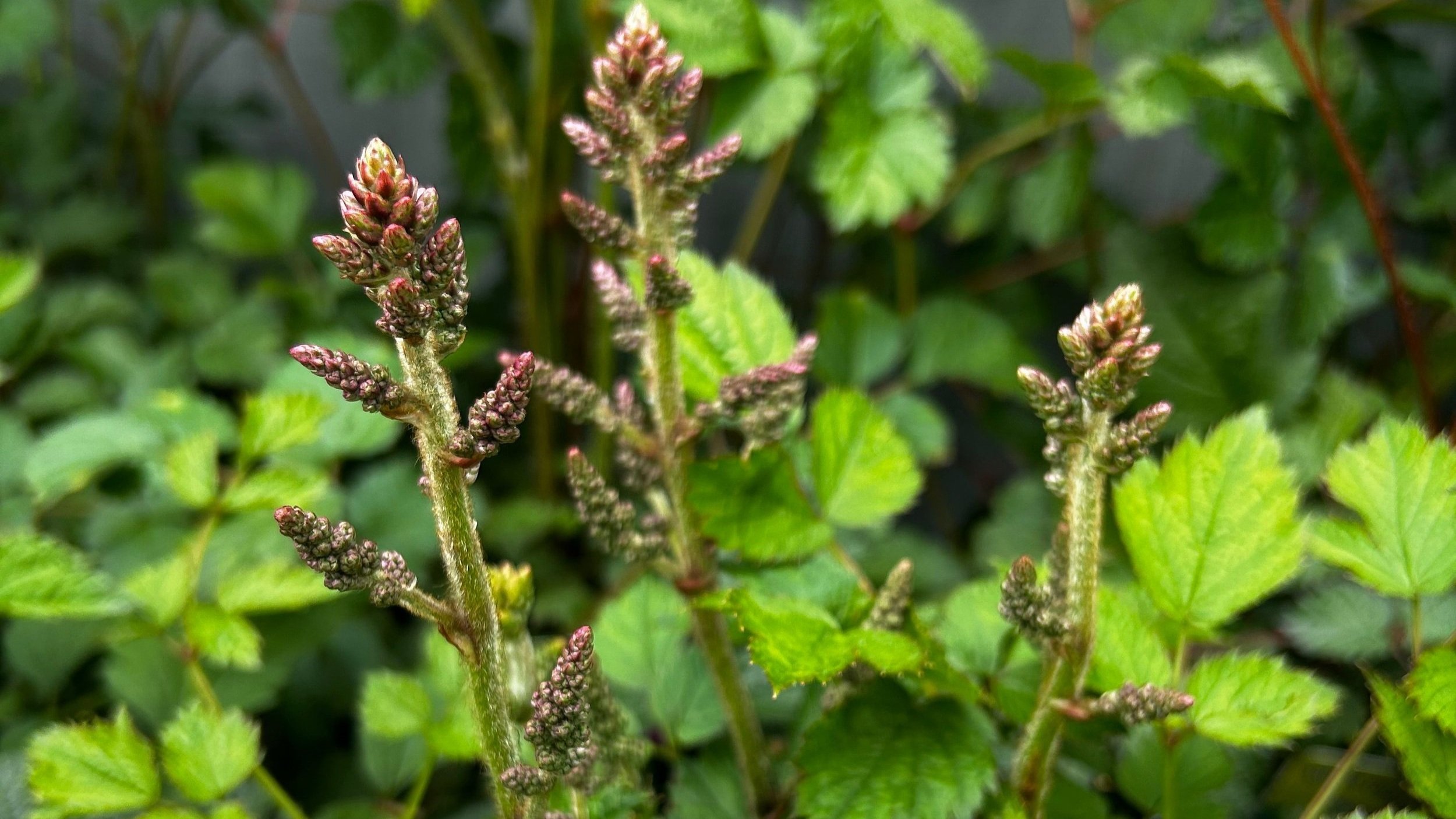
Astilbe Pumila
Astilbe Pumila
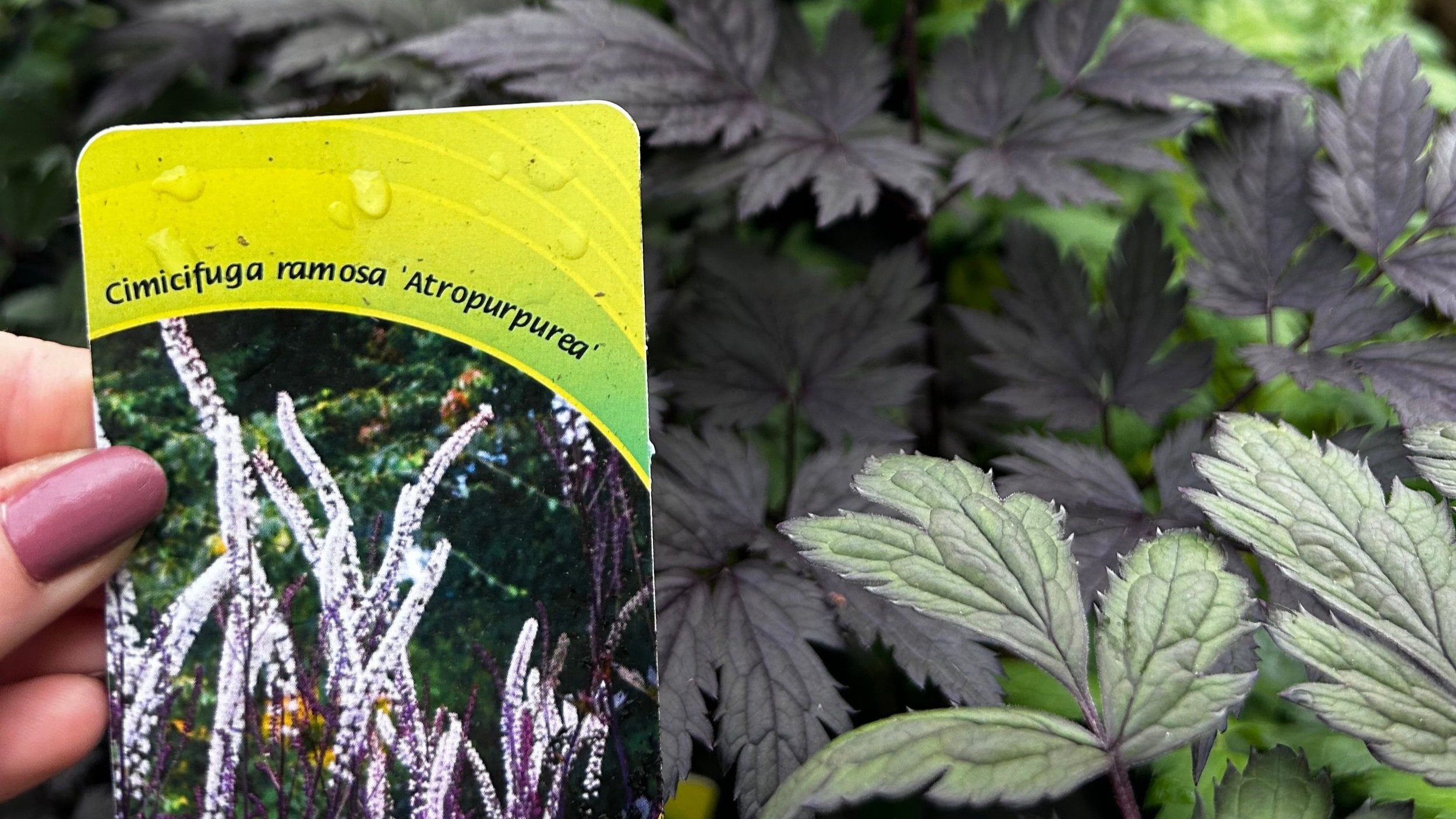
cimicifuga+atropurpurea.jpg
Anenome
Anenome
Clematis Boulevard Acropolis
Clematis Sweet Autumn
Ferns
Ferns
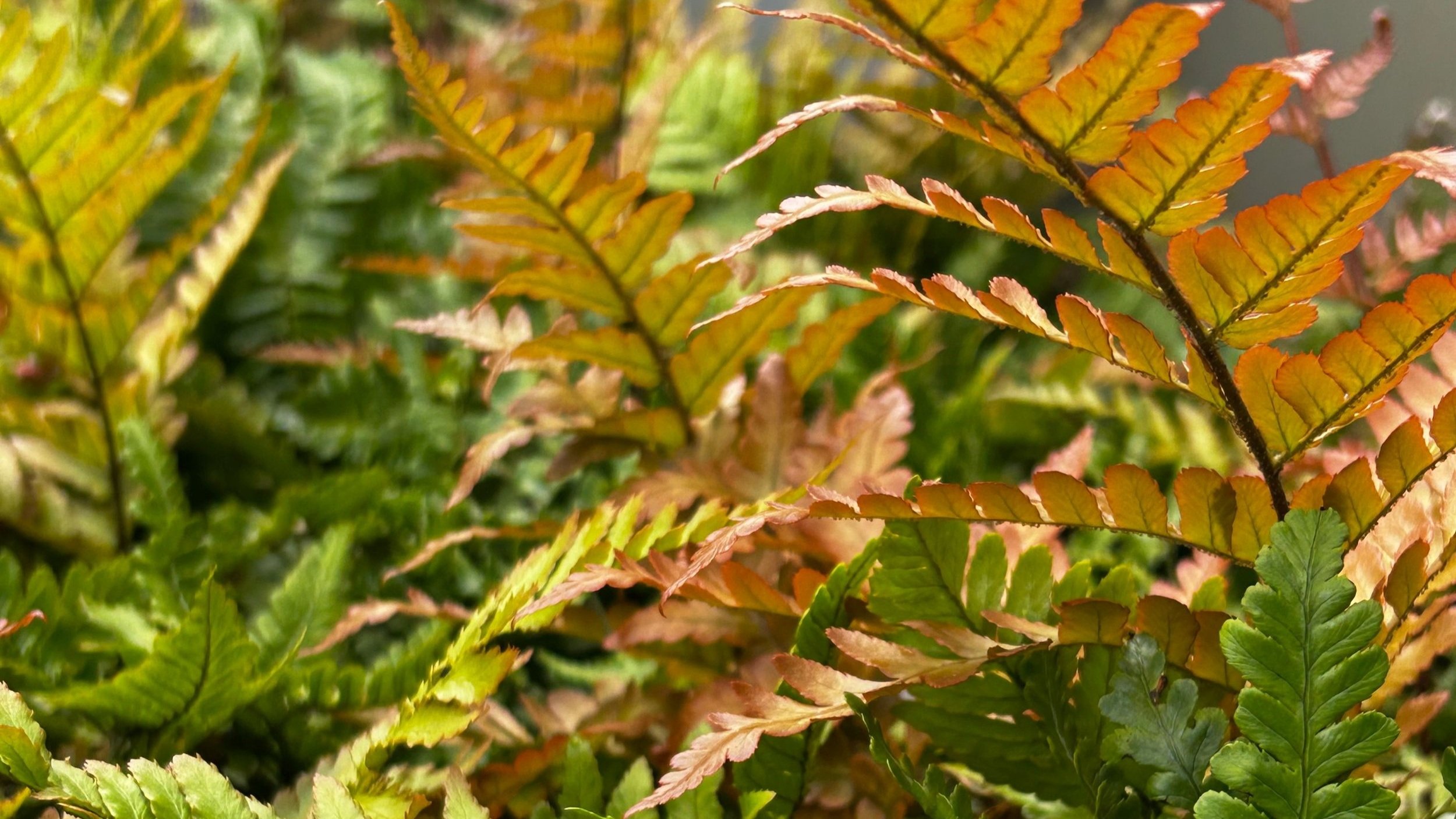
Athyrium Brilliance
Athyrium Brilliance
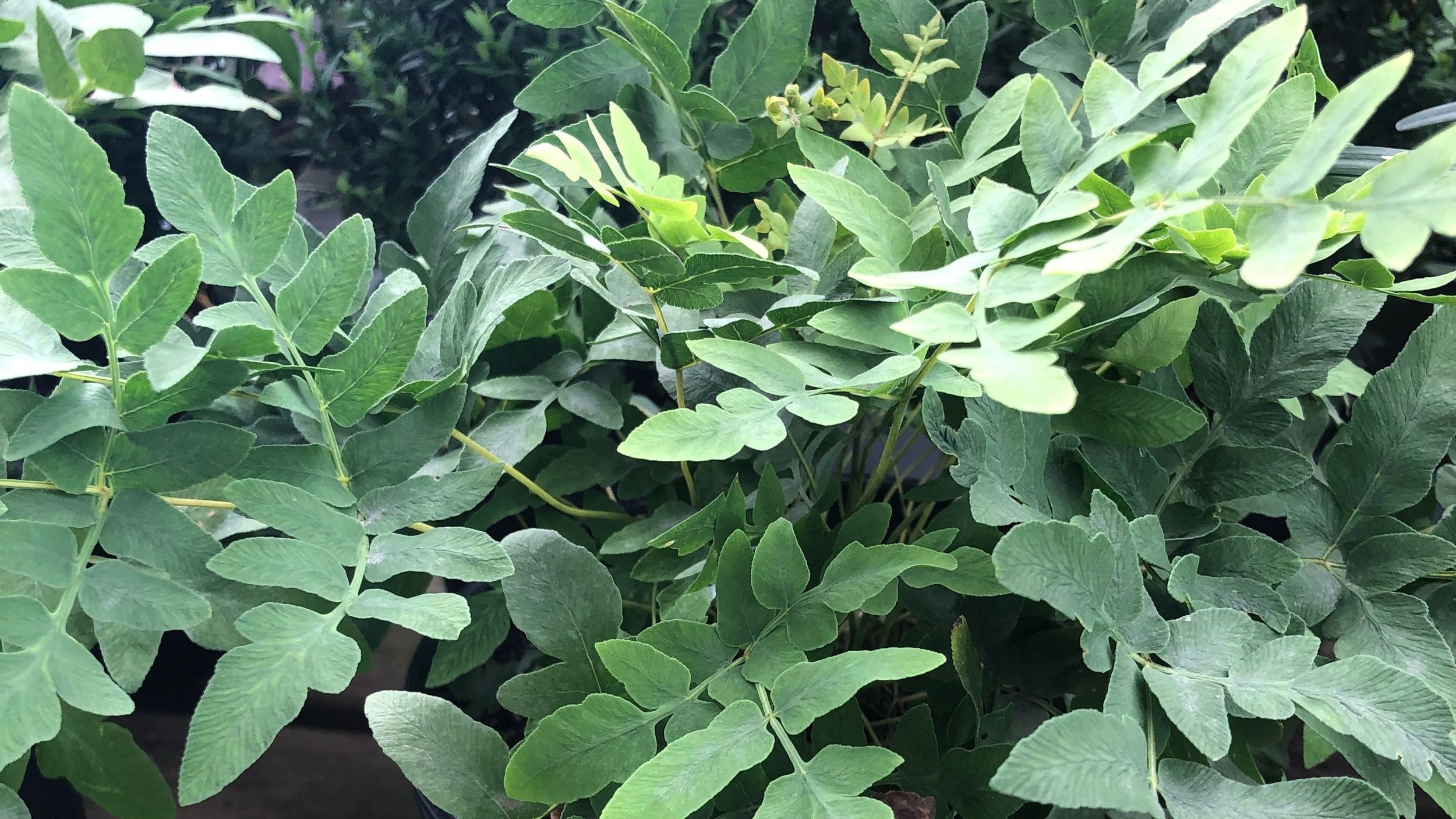
Osmunda regalis
Osmunda regalis
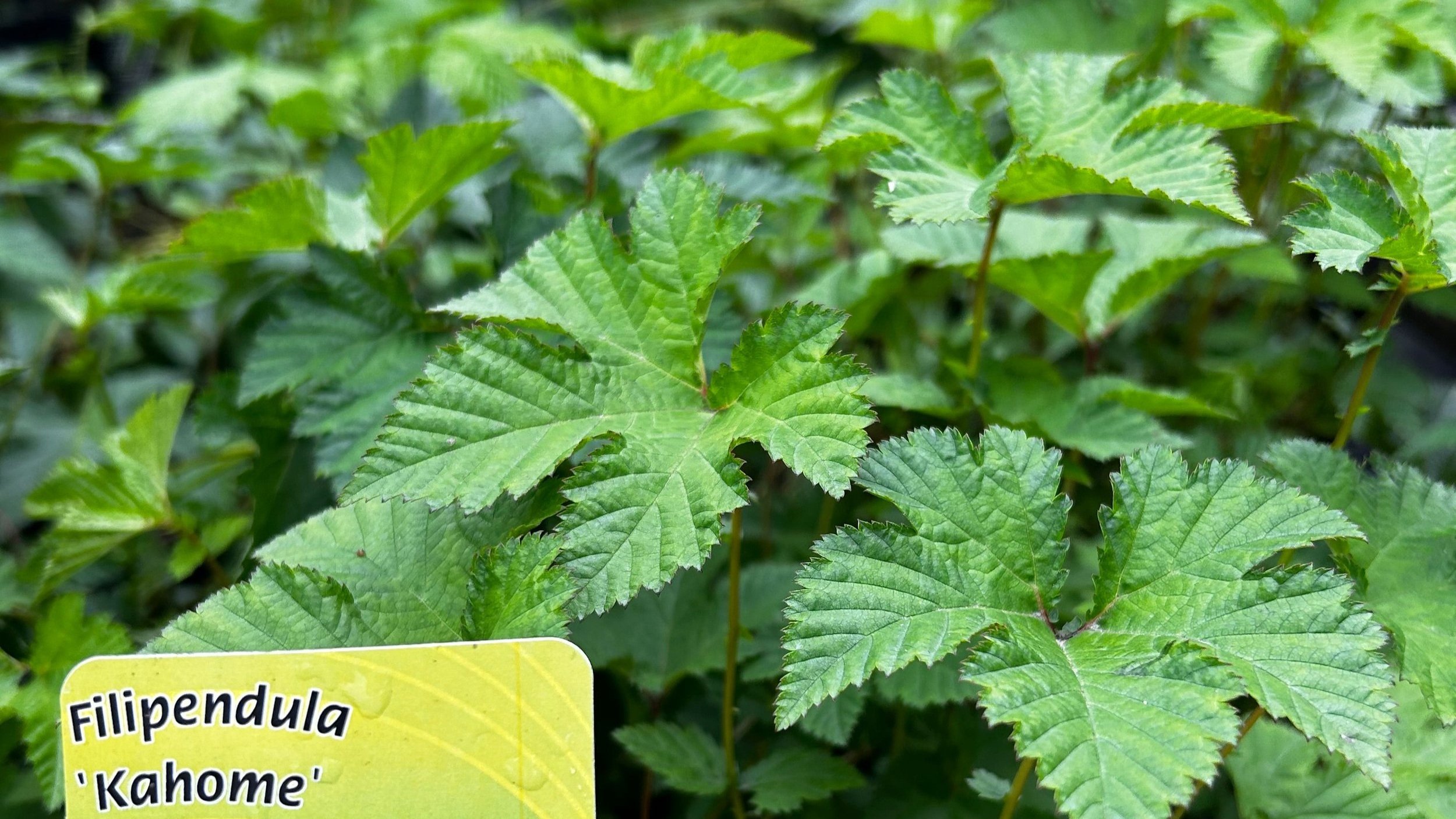
Filipendula Kahome
Filipendula Kahome
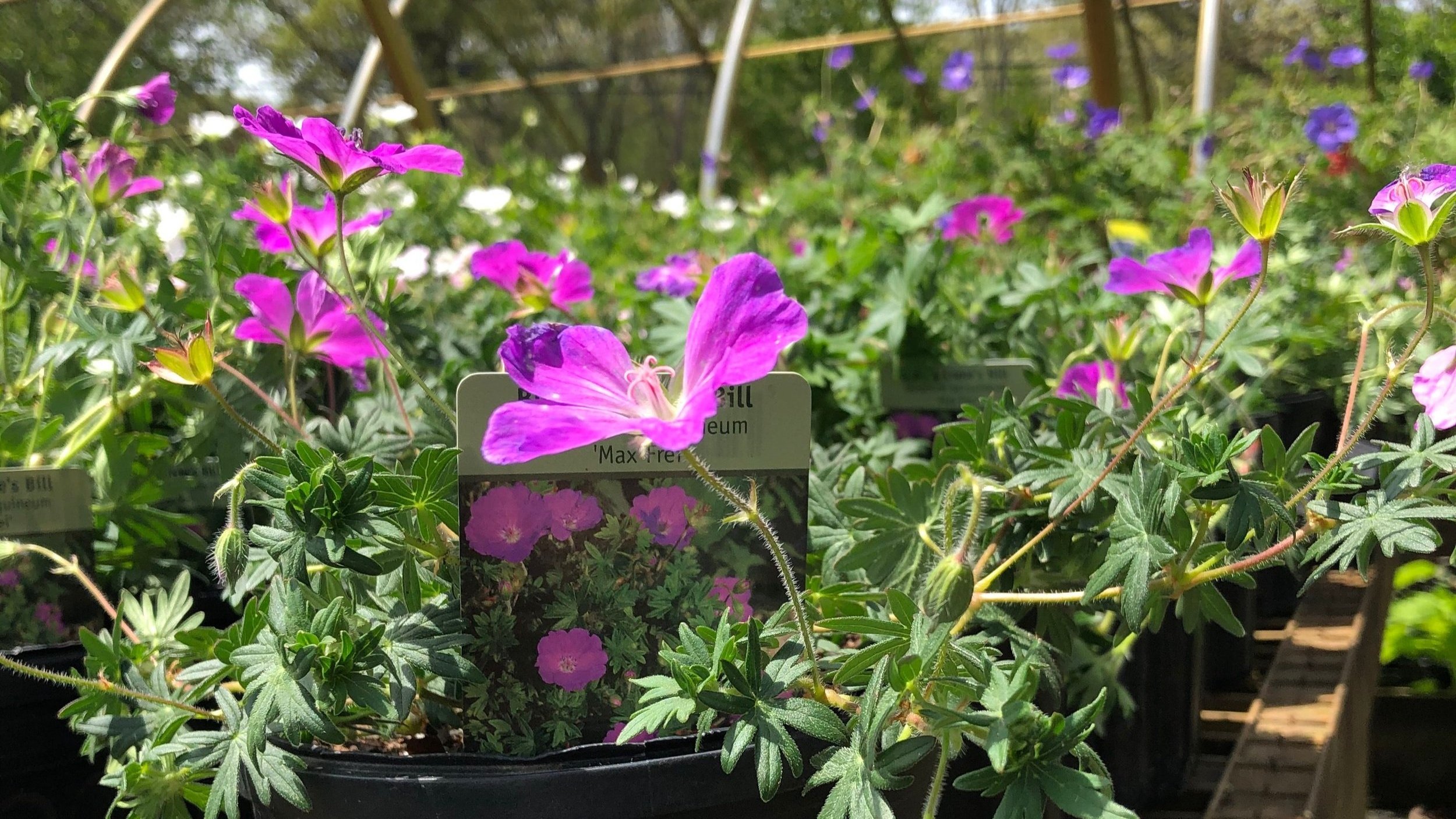
Geranium Max Frei
Geranium Max Frei
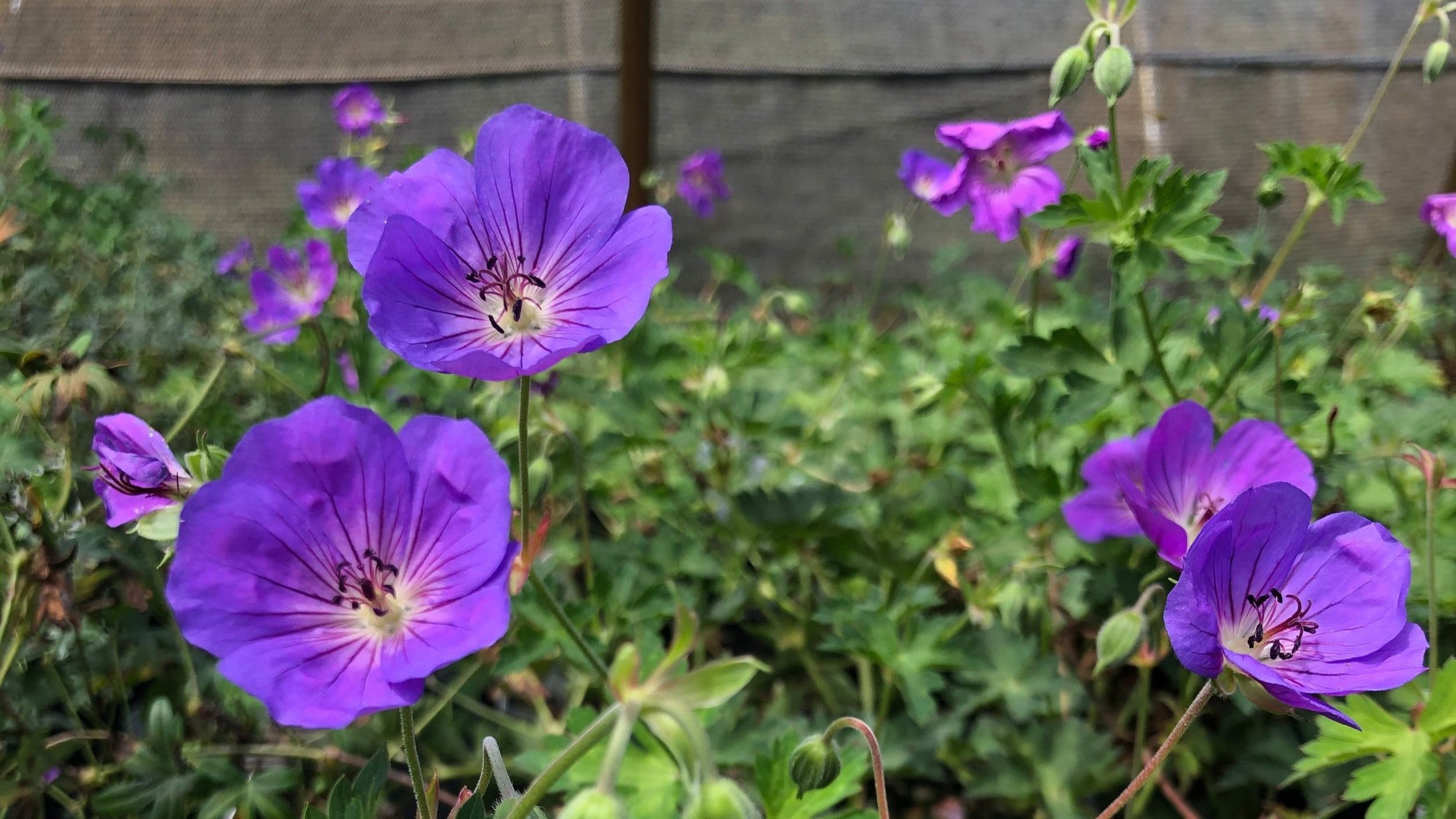
Geranium Rozanne
Geranium Rozanne
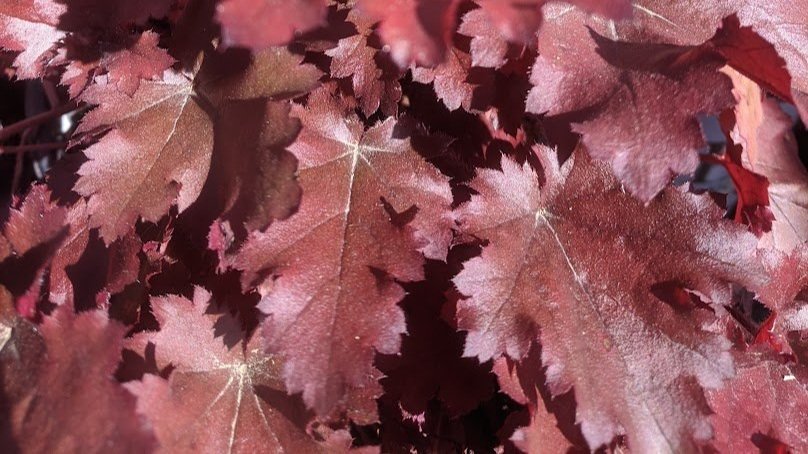
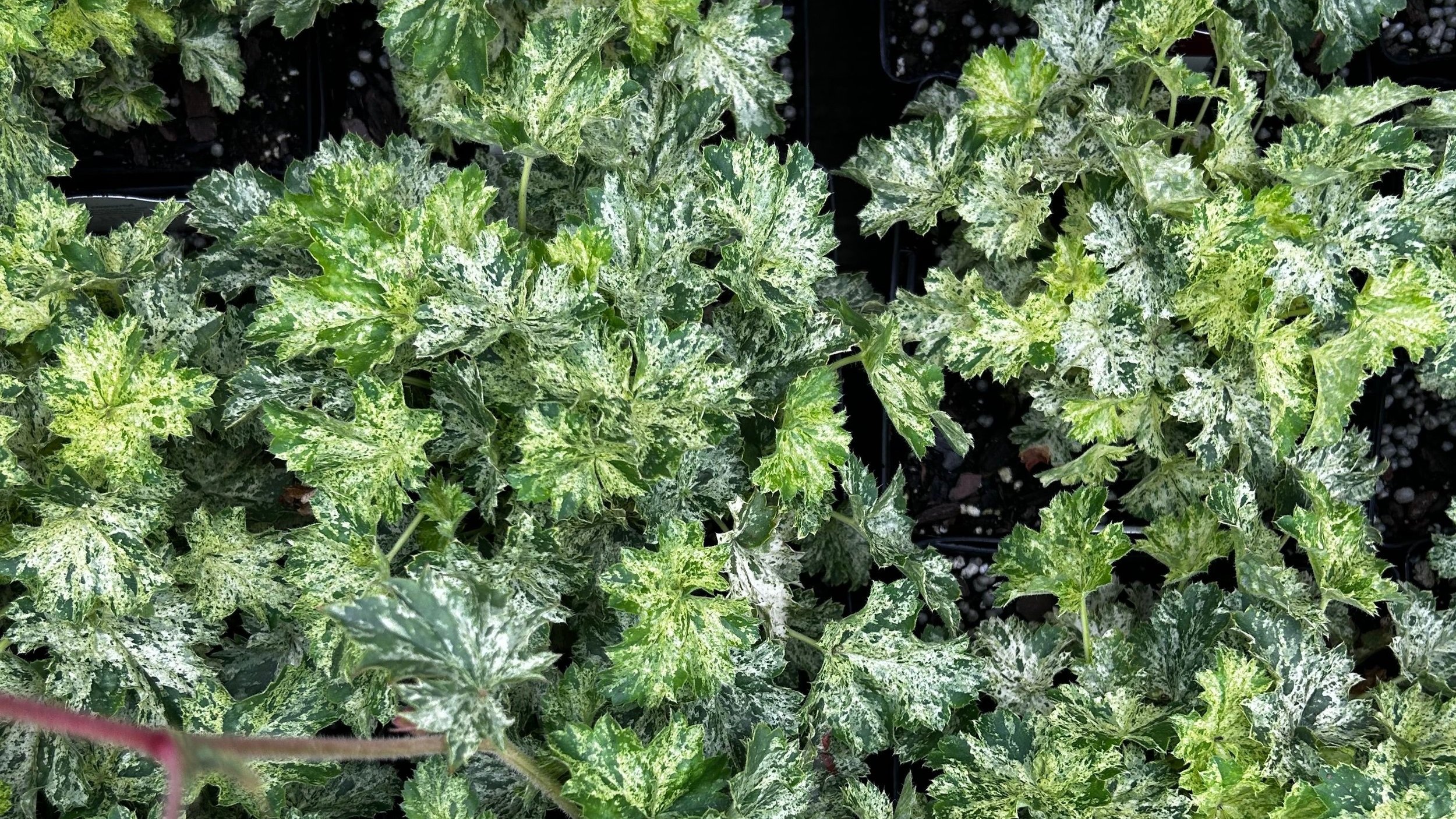
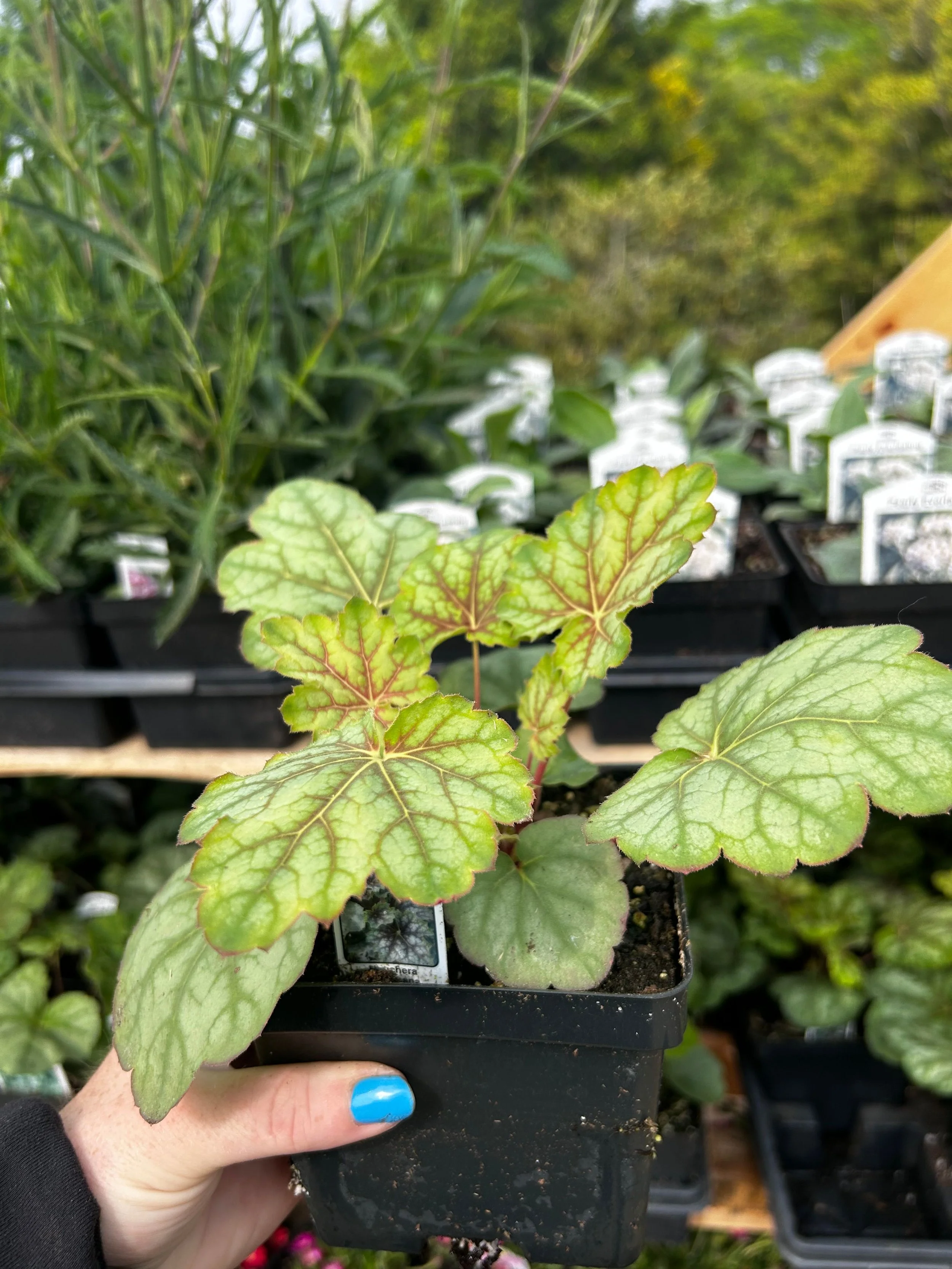
Heuchera Dolce Cherry Truffles
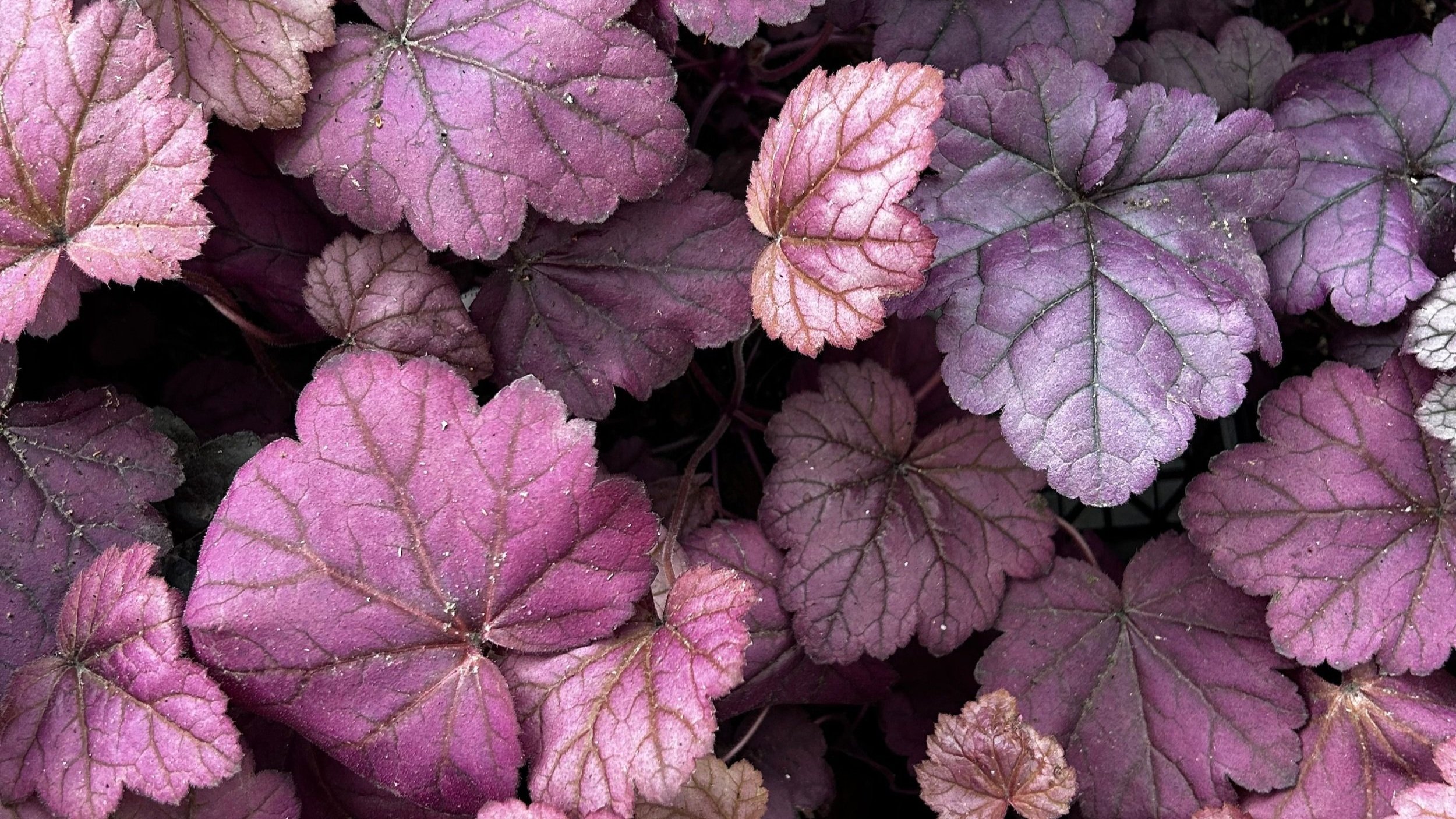
Heuchera Berry Smoothie
Heuchera Primo Wild Rose
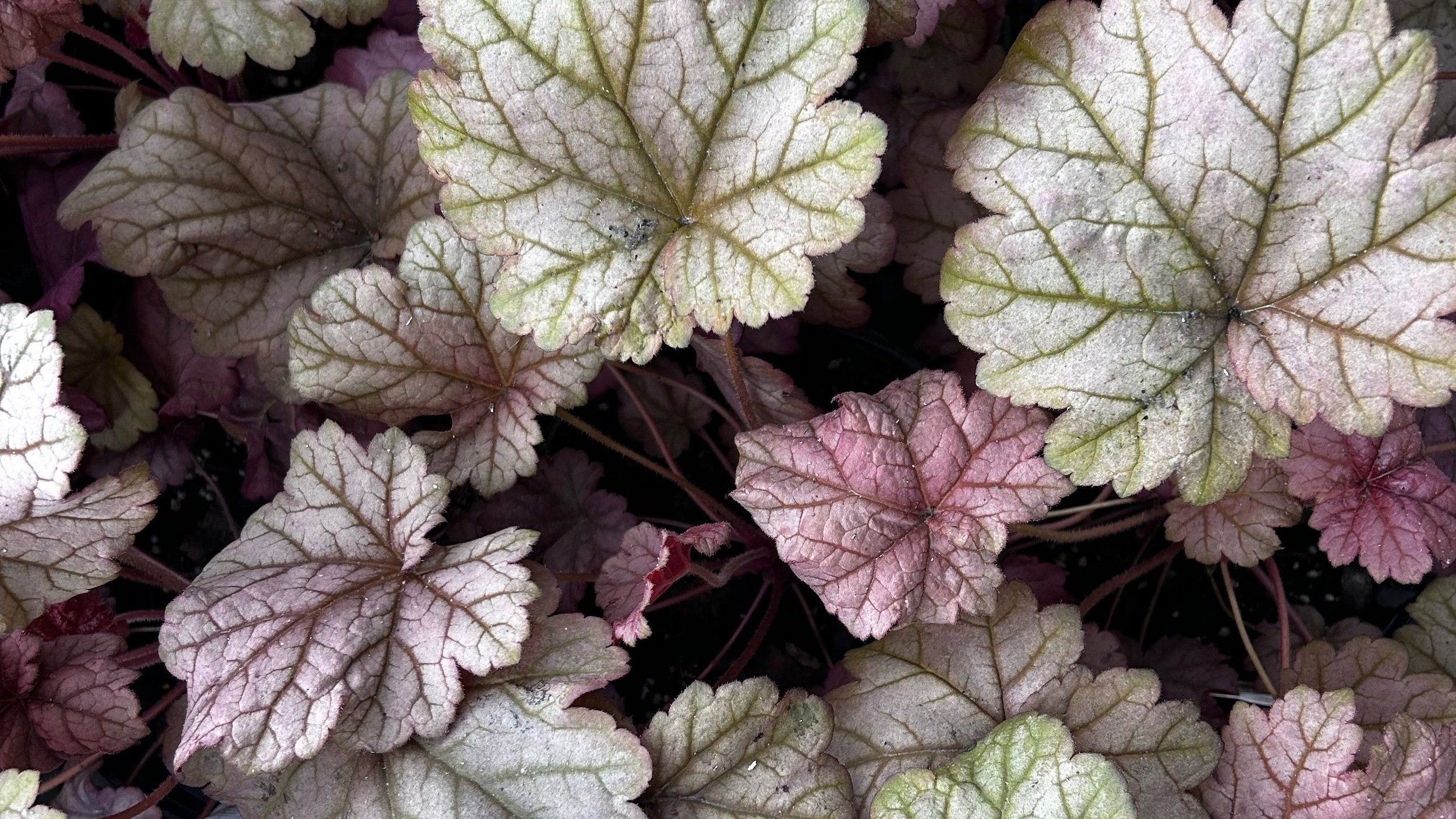
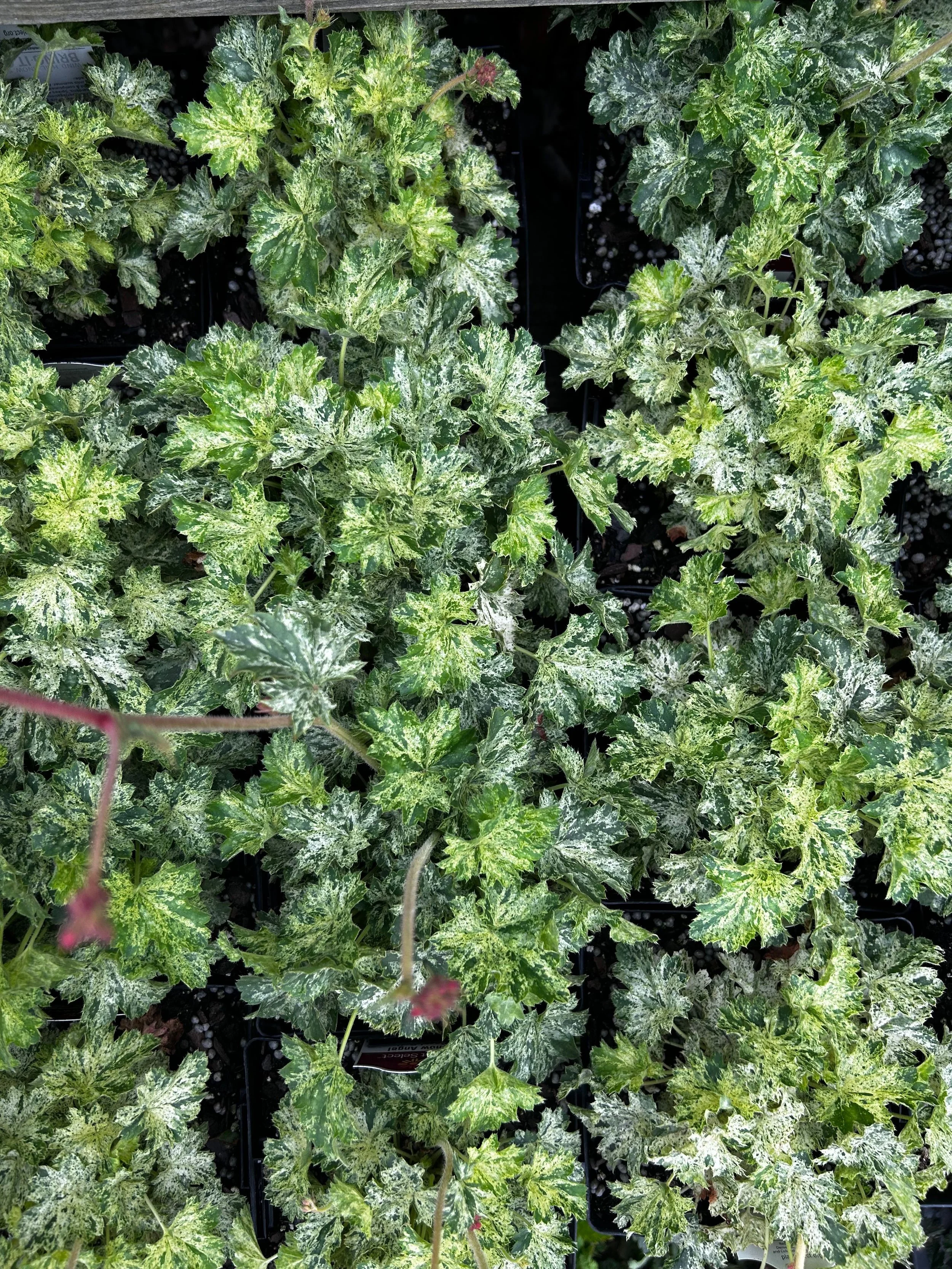
Heuchera Snow Angel
Heuchera Snow Angel
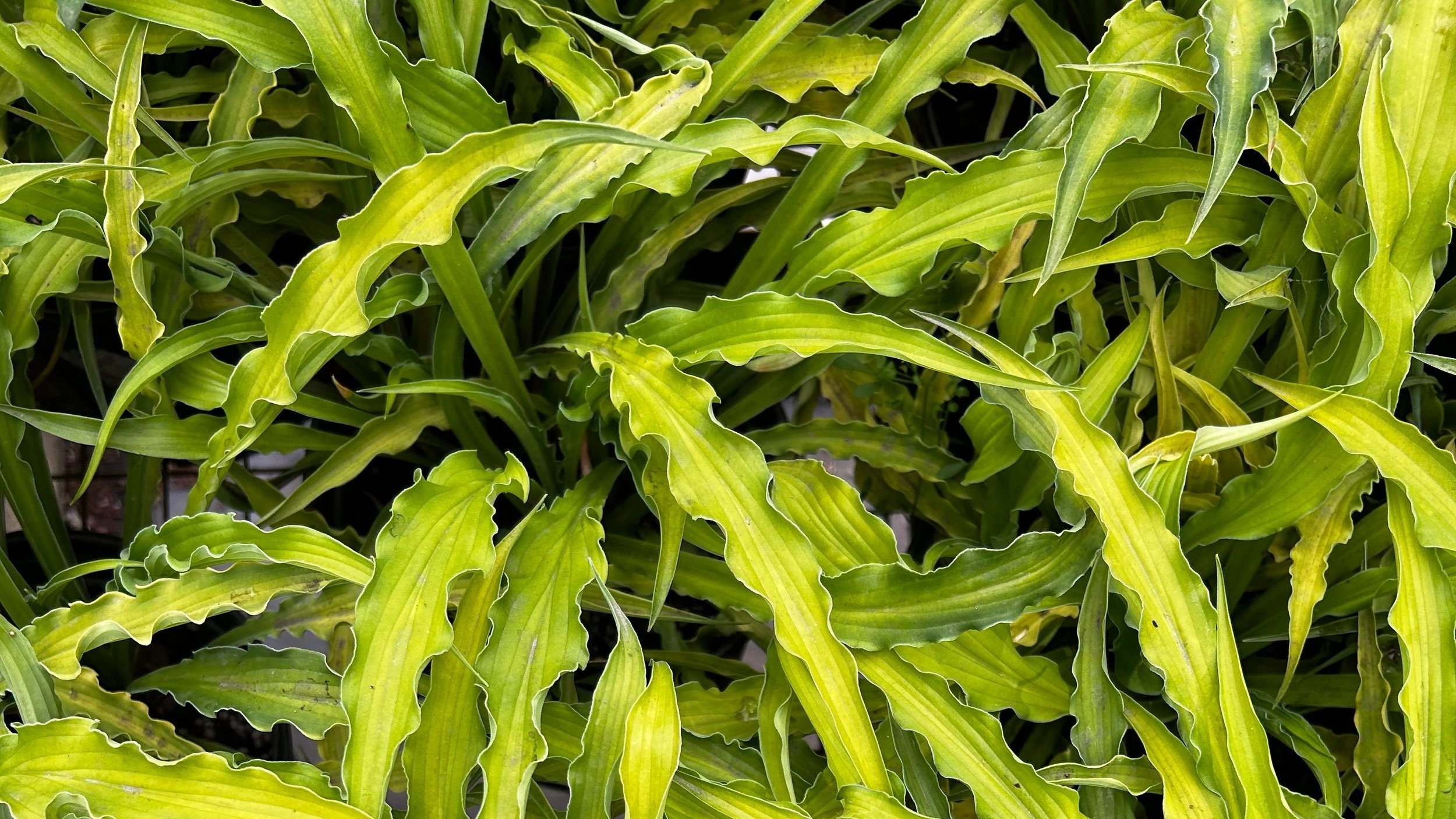
Hosta Frech Fries
Hosta Frech Fries
Lilac+Squirrel.jpg
sanguisorba+black+thorn.jpg
Thalictrum Black Stockings
Thalictrum flavum glaucum
Euphorbia
Euphorbia
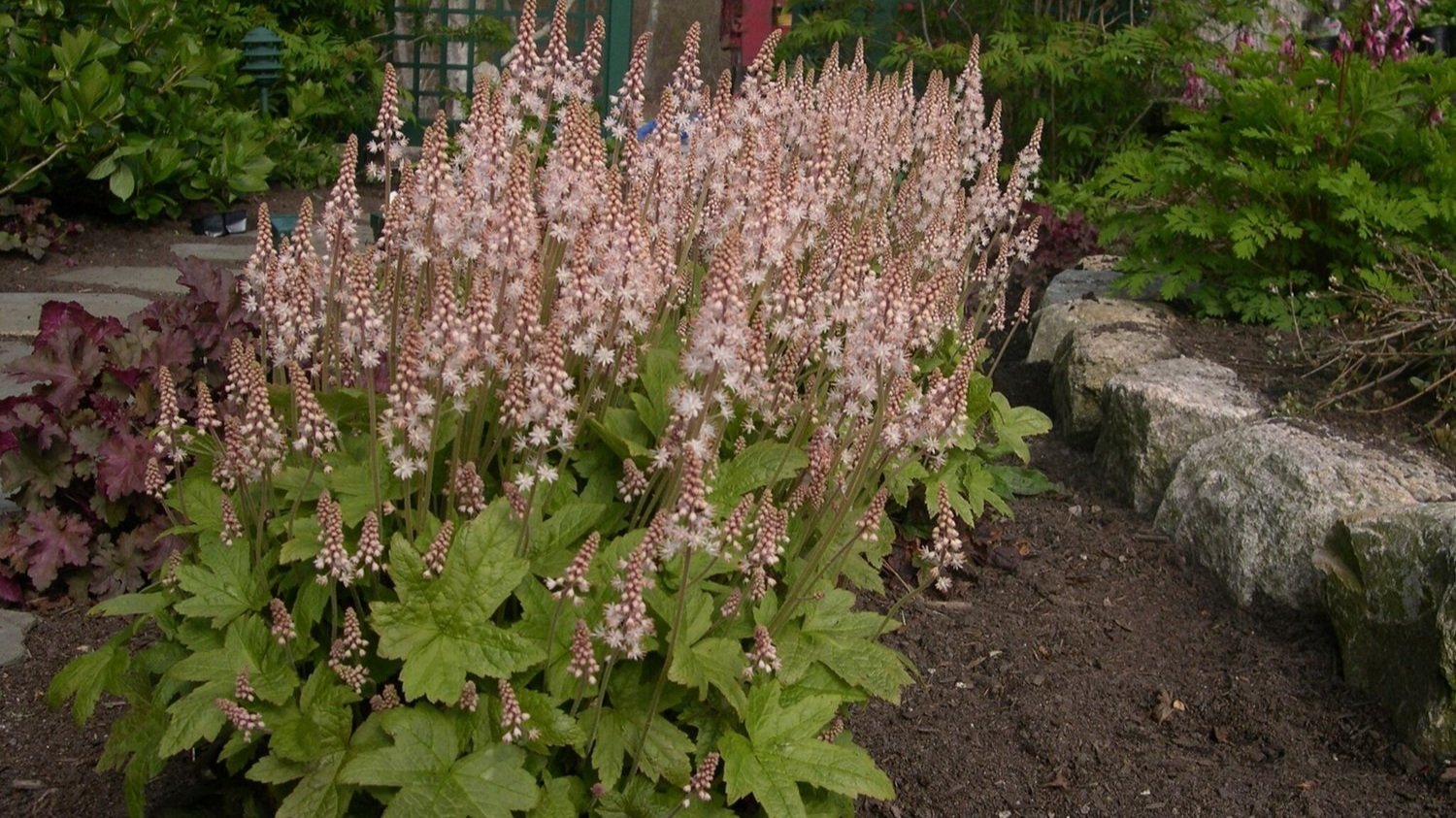
Foamflower
Foamflower
Hosta Sanguisorba ‘Lilac Squirrel’ Astilbe Alchemilla, Lady's Mantle Astilbe Pumila cimicifuga+atropurpurea.jpg Anenome Clematis Boulevard Acropolis Clematis Sweet Autumn Ferns Athyrium Brilliance Osmunda regalis Filipendula Kahome Geranium Max Frei Geranium Rozanne Heuchera Dolce Cherry Truffles Heuchera Berry Smoothie Heuchera Primo Wild Rose Heuchera Snow Angel Hosta Frech Fries Lilac+Squirrel.jpg sanguisorba+black+thorn.jpg Thalictrum Black Stockings Thalictrum flavum glaucum Euphorbia Foamflower

DEER RESISTANT PERENNIALS FOR SHADE

Ferns, Thalictrum, Rodgersia, Bleeding Hearts and Heucheras are all good choices for summer blooming shade if deer are a problem in your garden. Astilbes can add color to shade beds with their plumed flowers available in many colors and sizes. Many Heucheras also called Coral Bells, can add color with their foliage which comes in reds, bronzes, deep purples and green. The Heucheras will bloom for 3-4 weeks in summer and their foliage will last all summer. Everblooming Bleeding Hearts start blooming in early summer and continues blooming until late summer. Unlike it’s cousin, Dicentra spectabilis, only blooms in spring and goes dormant in summer. It will thrive in partial shade and spread and is also deer resistant.

Bleeding Hearts

PERENNIALS GROUNDCOVERS FOR SHADE

Plant ground covers and fill up the spaces with plants instead of mulch! Perennial groundcovers thrive and spread in partial shade. Pachysandra is the most shade tolerant. Vinca minor, Asarum and Epimedium are all good choices as well.

Perennial Geraniums and Campanulas will bloom in partial shade. Geranium Rozanne is our best selling Geranium. Geranium sanguineum Album, with white flowers and Geranium cantabrigiense Karmina, with pink flowers and fabulous fall color, are also great plants. The peach leaved Campanula persicifolia comes in blue and in white, both tall and short. The Takion series is the more compact one. We also carry Campanula poscharskyana, Campanula portenschlagiana Blue magic and Campanula rotundifolia, all shorter wider plants that can handle more sun and thrive in walls and cracks in walks. This always indicates they don’t need rich soil. New this year is Campanula cocchlearifolia in both white and Blue. We grew these from seed which was seeded in June of 23

astilbe

plant profile

pollinator month

national wildlife federation

In GARDEN TIPS, PERENNIALS, JULY, GROUNDCOVERS, FIELD NOTES Tags summer blooms, summer blooming perennials, perennials, shade perennials
Comment

PERENNIAL GROUNDCOVERS

June 28, 2024 Karen Logan

Virginia Bluebells [photo by keith kurman]

LIVING MULCH:

Perennial

Groundcovers

When it comes to creating a low-maintenance landscape, low-growing, ground-hugging perennial plants are nature’s best defense against weeds. Instead of continually buying and spreading mulch every spring, planting a "living mulch" of groundcovers brings immediate color, rich textural interest, and vital food and shelter for local insects. They can even serve as a beautiful, low-input alternative to traditional grass lawns.

When you choose native groundcovers, care becomes even easier, requiring no supplemental fertilizer and only minimal watering once established. Many selections are fully evergreen, providing reliable winter coverage and essential erosion control. Whether you are dealing with a baking, full-sun slope or a deep, dry canopy of shade, there is a perfect groundcover for the job.

Try planting ground covers at the base of your shrubs instead of mulching. Ground covers are very effective at keeping weeds out and moisture in!

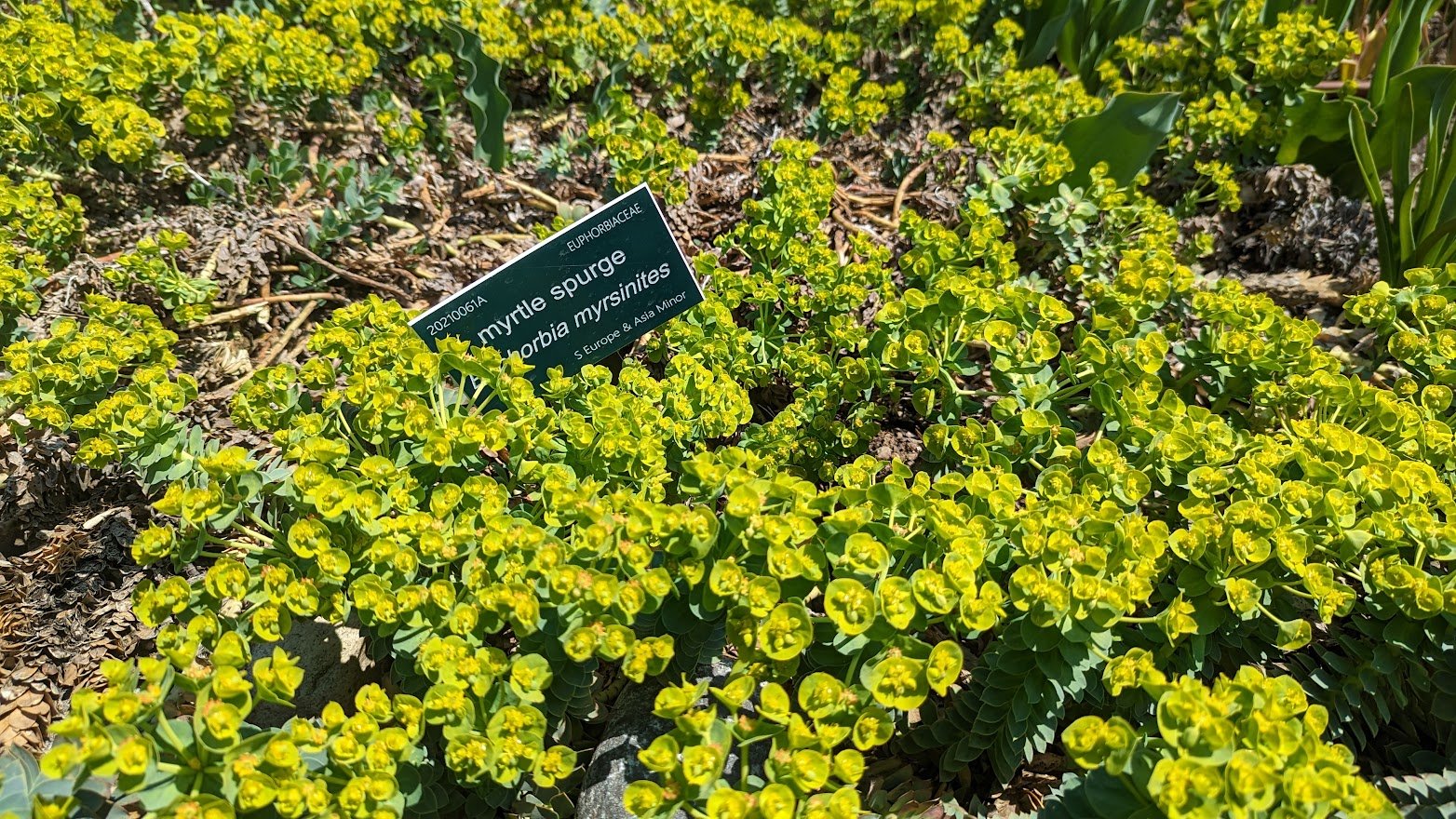
Euphorbia spurge (foreground)

*************

Groundcovers for Shade to Part-Shade

These woodland-loving plants thrive in partial to full shade, great for planting under tree canopies and around established shrubs.

Exceptional Foliage

  • Native Foamflower (Tiarella cordifolia): A spectacular native beauty that features delicate, frosted foliage and airy spikes of white flowers in spring.

  • European Ginger (Asarum europaeum): A prized, slow-spreading perennial grown for its remarkably shiny, leathery, rounded leaves. It features hidden, jug-shaped spring flowers tucked entirely beneath the foliage that are uniquely pollinated by ants! It is reliably evergreen.

  • Barrenwort (Epimedium): A highly elegant, less-common groundcover that is incredibly tough once established, thriving effortlessly in dry shade where other plants struggle.

  • Pachysandra: While Japanese Spurge (Pachysandra terminalis) is an industry standard, our favorite is our Allegheny Spurge (Pachysandra procumbens), a gorgeous native alternative with beautifully mottled, matte-green leaves. Both are excellent evergreen choices.

  • Wood Spurge (Euphorbia amygdaloides var. robbiae): A highly deer-resistant, evergreen option that spreads vigorously via underground stolons. It sends up striking 18-inch stalks of chartreuse blooms in the spring and appreciates protection from the hot afternoon sun.

Foamflower (Tiarella cordifolia)

Pachysandra

epimedium new growth

Spring Bloomers

  • Sweet Woodruff (Galium odoratum): A lovely, fine-textured carpet that covers the ground with small, starry white flowers from spring through early summer. It spreads vigorously via shallow side shoots, making it an ideal border accent. Because it isn't aggressive, spring-blooming bulbs can easily push right up through it.

  • Virginia Bluebells (Mertensia virginica): A classic choice that forms large, breathtaking clumps of soft blue, bell-shaped flowers in the spring. Virginia Bluebells go completely dormant and disappear by mid-summer. Always plant them in combination with later-emerging perennials, which will seamlessly fill the empty space later in the season.

  • Native Bunchberry (Cornus canadensis): A stunning, trailing native groundcover in the dogwood family. It features classic white four-petaled flowers in late spring / early summer, followed by bright clusters of showy red autumn berries.

Virginia Bluebells (Mertensia virginica)

Bunchberry

Sweet Woodruff

Native Ferns (Excellent Massers)

Ferns spread beautifully to create lush, architectural carpets in damp or dappled areas:

  • Ostrich Fern (Matteuccia struthiopteris): Tall, dramatic, and spreads rapidly via runners to fill large spaces.

  • Hay-Scented Fern (Dennstaedtia punctiloba): A fast-spreading, native ground-covering fern that releases a beautiful aroma resembling fresh-cut hay when brushed against.

  • Christmas Fern (Polystichum acrostichoides): A glossy, deep green native fern that stays fully evergreen through the winter months.

  • And there are many more!

Ostrich Fern

Christmas Fern

Sensitive Fern

Groundcovers for Sun to Partial Shade

These sun-loving groundcovers are perfect for open borders, rock gardens, path edgings, and areas that get hit with hot afternoon sun.

  • Pussytoes (Antennaria spp.): A fantastic, low-growing native groundcover that thrives in dry, sunny, and nutrient-poor soils. It features soft, fuzzy, silver-green foliage that adds a beautiful, light-reflecting texture to the landscape. In the spring, it produces unique, soft white flower heads that resemble the pads of a cat's paw. It serves as a great native alternative to non-native lamb's ear and is exceptionally tough once established.

  • Creeping & Woolly Thymes (Thymus spp.): The ultimate choice for hot, sunny, well-drained spaces or planting between stepping stones.

  • St. John’s Wort (Hypericum calycinum): A true pollinator magnet that produces massive, cheerful yellow flowers decorated with explosive bursts of stamens. It spreads vigorously via underground stems and handles partial shade well, though more sun equals more flowers!

  • Bearberry (Arctostaphylos uva-ursi): An incredibly tough, classic native groundcover. It forms a low-profile, woody, evergreen mat that thrives in lean, sandy, coastal soils where little else will grow.

  • Prairie Smoke / Avens (Geum triflorum): An excellent, ultra-hardy ground cover. While the spring flowers are lovely, it is best known for its spectacular, feathery, pink neon seed heads that look like puffs of smoke rising from the garden bed.

  • Persicaria: A fantastic choice for late-season interest. This vigorous, stoloniferous spreader features an exceptionally long bloom window from July all the way into October.

  • Blue Star Creeper (Isotoma fluviatilis / Laurentia) & Pratia: Two fascinating, ultra-low, mat-forming plants that function beautifully as a lawn alternative, filling in completely around flagstones and handling light foot traffic.

Pussytoes

Bearberry

Creeping Thyme

*****************
SUCCESSION

GARDENING

AS A GROUNDCOVER

While traditional groundcovers spread outward via stolons or runners to blanket a flat surface, there is another organic, dynamic approach to coverage known as Succession Gardening. Instead of relying on a single plant to cover a patch of earth all year long, succession planting uses a choreographed sequence of growth where late-emerging, large-leafed perennials rise up to seamlessly replace early-season plants that have finished blooming and gone dormant.

Though these structural plants may not trail along the ground, they function perfectly as a groundcover by ensuring that the soil is never left bare, vulnerable to erosion, or open to opportunistic weeds. Even better, this layered, multi-species approach dramatically increases the overall biodiversity of the garden, offering a varied nectars and pollens for different local pollinators as the seasons shift.

The Great Dixter Inspiration

This sophisticated method of choreographing overlapping plant lifecycles is an old-world concept being perfected at the world-renowned Great Dixter House and Gardens in England, where Andrew completed an immersive internship. Andrew has been refining this technique, naturally weaving together plants to create this beautiful succession within our island ecosystem.

How it Works

The magic of succession gardening lies in pairing "ephemerals" plants that put on a spectacular early-spring show and then completely disappear in the summer heat with late-emerging structural companions. Instead of looking at yellowing bulb foliage or empty dirt patches, these late-blooming perennials push right through the fading greenery, covering it completely so you never have to cut it back manually.

  • Soft, Early-Season Coverups

Pair spring bulbs with soft, mounding textures that come up in early summer. Let the spring perennials foliage be naturally covered up by the expanding leaves of Lady’s Mantle (Alchemilla mollis) or the dense, clean mounds of White Bloody Cranesbill (Geranium sanguineum 'Album').

Geranium ‘Cranesbill’

  • The Woodland Understory Shift

True woodland ephemerals are built to bloom before the forest canopy leafs out, meaning they vanish entirely by mid-summer. Spring favorites like Virginia Bluebells (Mertensia virginica), Bleeding Heart (Dicentra spectabilis), native Trilliums, and Shooting Stars (Dodecatheon) leave noticeable gaps when they go dormant. Succession plants that slowly emerge from the soil and then unfurl their leaves when the spring bloomers begin to fade that would be a good cover are Hostas, Heuchera villosa 'Autumn Bride', Wild Ginger (Asarum canadense), Christmas Fern (Polystichum acrostichoides) or Bigleaf Aster (Eurybia macrophylla).

Shooting Stars (Dodecatheon)

Chionodoxa

Hosta

  • Larger Structural Plants

Larger spring bulbs and structural perennials leave behind heavy, messy foliage that requires a more robust plant to successfully mask. Large bulbs like Daffodils (Narcissus), Camassia, and Autumn Crocus (Colchicum) can be easily hidden away using towering, architectural late-bloomers like Meadow Rue (Thalictrum), Goat's Beard (Aruncus), or Bugbane/Cohosh (Cimicifuga). A structural giant like Thalictrum will weave its wiry stems right up through the messy, collapsing bulb foliage, completely hiding it from view while throwing up airy lace-like blooms later in the summer.

Goats Beard

Thalictrum (tall perennial in the background)

  • Late-Season Plants

When mapping out your succession layout, these are some top late-emerging perennials to plant right alongside your spring bulbs and ephemerals to ensure continuous ground coverage:

  • For Architectural Foliage: Rodgersia, ornamental rhubarb (Rheum), and the smoky, feathery plumes of Bronze Fennel (Foeniculum vulgare 'Purpureum').

  • For Structural Summer Blooms: Burnet (Sanguisorbia), Monkshood (Aconitum), dramatic Foxgloves (Digitalis), and highly resilient Wood Spurge (Euphorbia).

By pairing the early risers with the late bloomers, your garden becomes a self-managing, living tapestry that protects the soil, smothers the weeds, and keeps the landscape visually beautiful throughout the entire growing season!

PXL_20240517_172236156.PORTRAIT.ORIGINAL.jpg
Chionodoxa
Chionodoxa
Geranium 'Cranesbill'
Foxglove Apricot
Foxglove Apricot
Foxgloves
Foxgloves
Lupine
Lupine
Lady's Mantle
Lady's Mantle
Hosta
Hosta
Hosta
Hosta
Thalictrum
Thalictrum
Cimicifuga Brunette
Cimicifuga Brunette
PXL_20240517_172236156.PORTRAIT.ORIGINAL.jpg Chionodoxa Geranium 'Cranesbill' Foxglove Apricot Foxgloves Lupine Lady's Mantle Hosta Hosta Thalictrum Cimicifuga Brunette
NATIVE GROUNDCOVERS
ECOLOGICAL GARDENING
In PERENNIALS, EVERGREENS, GROUNDCOVERS, JUNE, FIELD NOTES Tags Sweet Woodruff, Epimedium, groundcover, creeping thyme, Blue star creeper, perennial groundcovers, evergreen groundcover, Geum, ferns, native groundcovers
Comment

[PLANT PROFILE] FILIPENDULA

July 11, 2023 Karen Logan

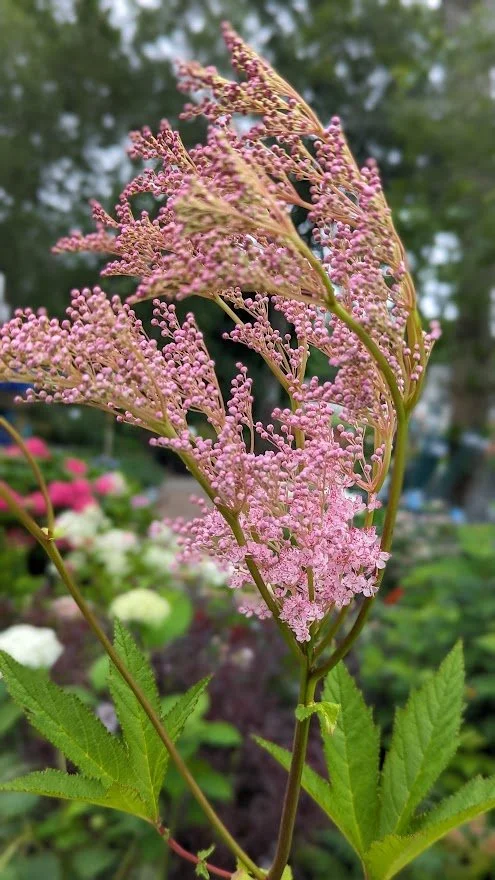
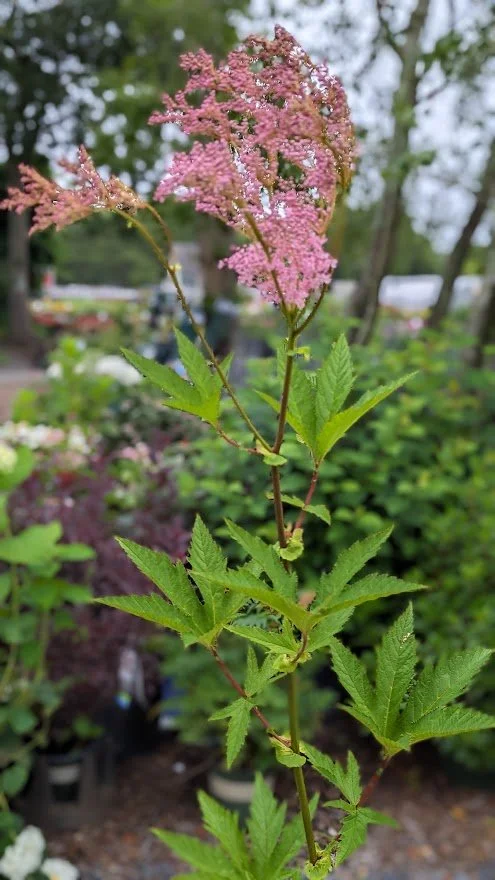
Filipendula ‘Queen of the Praire’ and Filipendula ‘Dwarf Meadowsweet’

FILIPENDULA

******************************************
Filipendula is a native perennial to the northeast. It is a great foliage plant that is valued for both its leaves and its flowers. Most filipendulas grow in average, medium to wet, well-drained soil in full sun to part shade.

Filipendula ‘Kahome’ (front) & Filipendula ‘Queen of the Prarie’ (back)

******************************************
Filipendula Varieties

__________________________

Filipendula rubra Venusta Magnifica ‘Queen of the Prarie’

Astilbe-like, wide panicles of tiny, fragrant, pale pink flowers that bloom in early to mid summer.

USES:

Borders (rear), cottage gardens, native plant gardens, wild/naturalized areas, wet meadows or moist areas along streams or ponds.

  • This is a large plant for large gardens.

  • Can be spectacular, particularly when massed.

  • Great for naturalizing in moist meadows.

    **A highlight of midsummer!**

Filipendula rubra

Filipendula rubra

Venusta Magnifica

‘Queen of the Prarie’

____________

* Grows up to 8’ tall

(usually shorter)

* Pale Pink blooms June-

Aug

* Full sun to part shade

* Medium to wet soil

* Native to moist soils but will

do well in average or dry

soils.

Filipendula rubra

__________________________

Filipendula ‘Kahome’ (Dwarf Meadowsweet)

An upright, clump-forming perennial that typically grows only 8-12” tall and features branched, terminal, Astilbe-like panicles of tiny, fragrant, rosy pink flowers in summer.

USES:

Border fronts, cottage gardens, wild/naturalized areas, wet meadows or moist areas along streams or ponds. Dwarf size facilitates massing this plant as a ground cover.

filipendula ‘Kahome’

Meadowsweet

____________

* 8-12” tall

* Blooms June to July

* Full sun to part shade

* Medium to wet soil

******************************************
Benefits

Attracts butterflies, pollinators and is deer resistant !

******************************************
JULY

GARDEN TIPS

PERENNIALS

FOR SHADE

In JULY, GROUNDCOVERS, NATIVE PLANTS, PERENNIALS, PLANT PROFILES Tags groundcovers, shade perennials, native perennials, filipendula, meadowsweet, wet soil perennials
Comment

[PLANT PROFILE] HOSTAS

July 5, 2023 Karen Logan

Hosta [illustration by karen blackerby logan]

30% OFF HOSTAS

******************************************
Hostas are a shade loving perennial with lavender or white blooms, which are popular among hummingbirds.  Hostas are late to emerge in spring and partner up well with early blooming spring bulbs that will be passing by the time the Hosta emerges. Crocus, Muscari, Eranthis or Chionodoxa foliage will easily get covered by the Hosta foliage, hiding the foliage of those early spring bulbs as they die back. There are a variety of Hostas available, differing in their leaf color, shape, size, and texture. They are easy to maintain and are shade tolerate.

Hosta leaves are very beautiful from early summer through fall!

CARE

____________

* In spring when growth

emerges apply fertilizer

* Keep plant moist

* Place mulch around

plant to retain moisture

* Remove flower stalks

after bloom to

encourage new growth

* In the fall, when frost

turns the leaves brown,

cut back to the ground

and apply a little fresh

mulch or leaf mold over

the plant, like a blanket.

DIVIDING HOSTA

____________

* Divide late in the

season because the

leaves will get damaged

during the division

process.

* Do not plant too deep

after dividing. Same

level that it was before.

* Add the ‘blanket’


leaf mold or mulch


******************************************
Texture, Shape

& Size

Hostas add a lot of dimension to your shade garden through their various shades of green, leaf sizes, textures and shapes.

PXL_20230613_170724929.jpg
PXL_20230628_193455273.jpg
PXL_20230628_194429011.jpg
PXL_20230628_194639163.jpg
hosta+french+fries.jpg
PXL_20230628_203907516.jpg
PXL_20230613_170742212.PORTRAIT.jpg
PXL_20230628_194623137.jpg
PXL_20230628_194444457.jpg
PXL_20230628_194702361.jpg
PXL_20230628_194347633.jpg
PXL_20230628_194529062.jpg

******************************************

**Deer do like to browse on Hosta foliage**
Spray with Bobbex deer repellent

******************************************

JULY

GARDEN TIPS

PERENNIALS

FOR SHADE

In JULY, GROUNDCOVERS, PLANT PROFILES Tags hostas, groundcovers, shade perennials
Comment

[PLANT PROFILE] HEUCHERA

June 30, 2022 Karen Logan

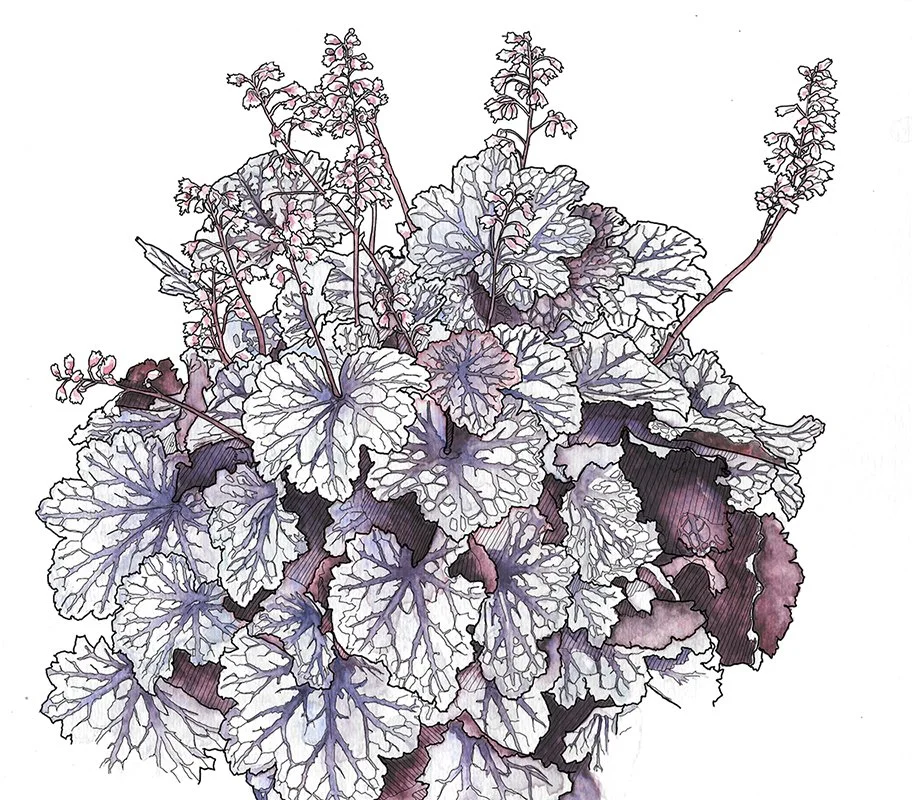
Heuchera [illustration by karen blackerby logan]

HEUCHERA

(CORAL BELLS)

Foliage Stars of the Shade Garden

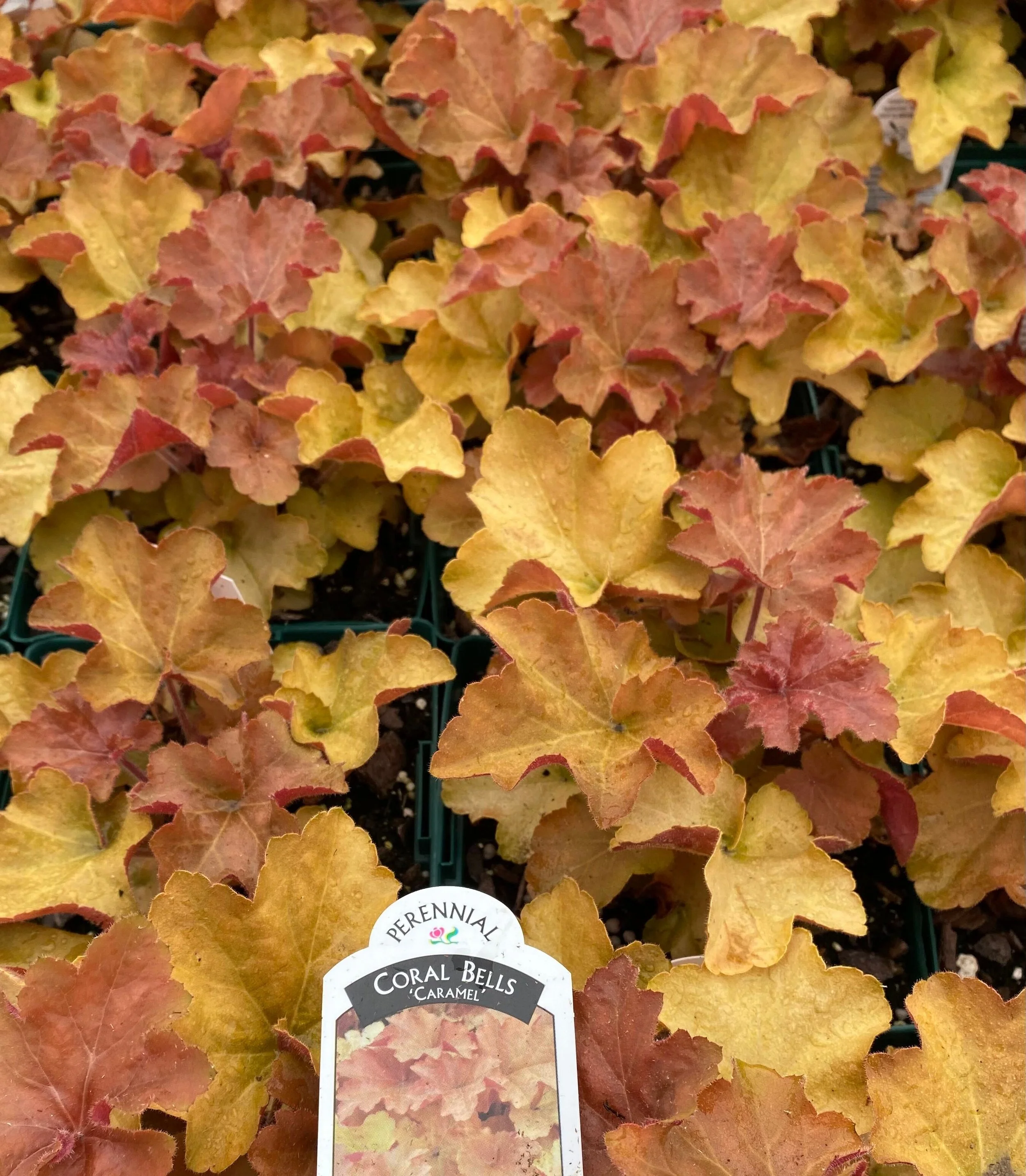
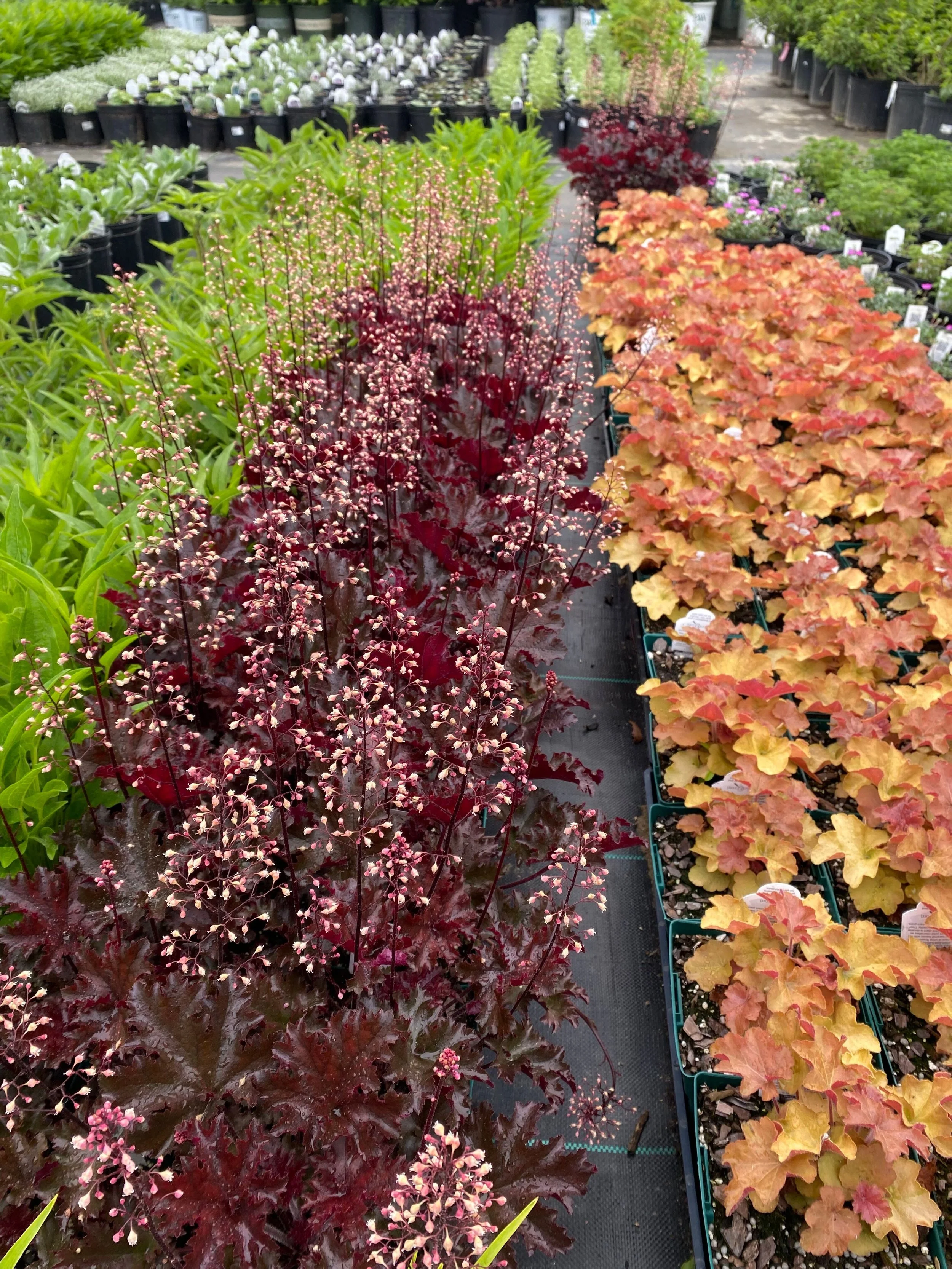
When it comes to perennials that combine long-lasting beauty, versatility, and ecological benefits, few plants rival Heuchera, commonly known as Coral Bells. These North American natives are prized for their dazzling foliage and delicate blooms, making them a favorite in shade gardens, woodland edges, and even containers.

Heuchera ‘Dolce Silver Gumdrop’

Not Just Pretty Leaves

While many gardeners love Heucheras for their richly colored leaves, from lime green to burgundy and even dark purple, their graceful flowers are not to be overlooked. Each summer, tall flower stalks rise above the foliage, blooming for 3-4 weeks with airy, bell-shaped flowers that attract hummingbirds. The flowers of Heuchera sanguinea give the plant its common name, Coral Bells, with vivid cerise blooms native to warm, dry canyons in Mexico, Arizona, and New Mexico.

A Foliage Powerhouse

Heucheras are truly standout foliage plants. Their rosettes of textured leaves stick around from early spring through late fall, and some cultivars are even semi-evergreen in mild climates. With a low, mounding habit, most varieties reach 8–12 inches in height and 1–2 feet in spread, while the flower spikes add height, 1-3 feet, during bloom.

There has been an explosion of Heucheras cultivars in the last decade. Hybridization is common, due to the fact that the species often intergrade with one another. The increasingly popular Heucherellas (Heuchera × Tiarella) combine the best traits of both parent plants.

Try planting ground covers instead of mulching. They are just as effective, if not more so, at keeping out the weeds!

Heuchera ‘Dolce ‘Cherry Truffles’

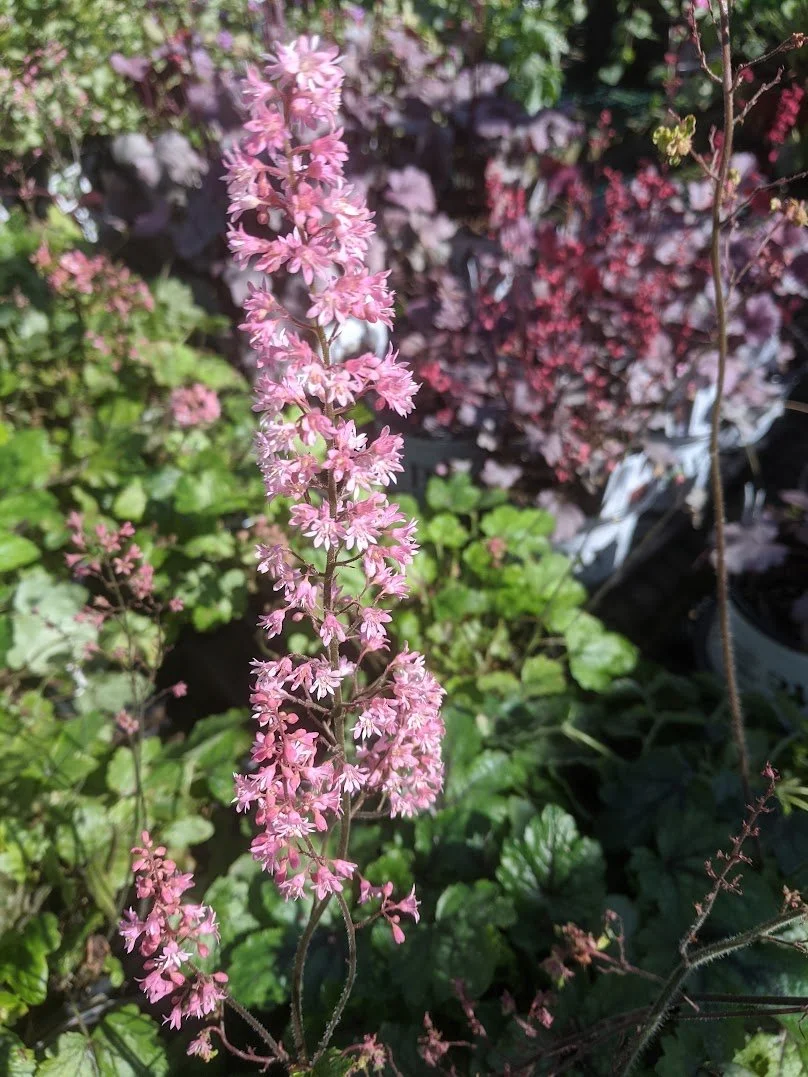
Heuchera

Heuchera americana ‘Dales Strain’, the one we do from seed.

Where & How to Plant

Light:

  • Most Heucheras thrive in partial shade or dappled sunlight, but many red and yellow-leafed varieties tolerate more sun.

  • In the Mid-Atlantic and Northeast, shade is usually best for optimal performance.

Soil & Water:

  • Plant in well-drained, compost-rich soil. Keep consistently moist, especially in containers.

  • Heucheras are ideal for woodland gardens, rock gardens, slopes, and as ground covers beneath trees and shrubs.

Heucheras are DEER REISISTANT!

Heucherella Pink Revolution

Heuchera Snow Angel

Heucherella Dayglow pink

Design Pairings & Garden Uses

Heucheras are beautiful alone but shine even more when paired with other foliage-rich or shade-loving perennials:

  • Great companions: Ferns, caladiums, hostas, bleeding hearts, iris, astilbe

  • Ideal uses: Mass plantings, underplanting for trees and shrubs, borders, container gardens, and ground cover alternatives to mulch

    Tip: Consider replacing traditional mulch with ground covers like Heuchera. Not only are they effective at suppressing weeds, they add beauty and habitat too.

Our Favorites

  • Heuchera villosa ‘Autumn Bride’: A native cultivar with large green leaves and tall white blooms. Especially striking when planted in mass and blends beautifully with other plants.

  • Heuchera americana ‘Dale’s Strain’: One of several we grow from seed. It’s a reliable, low-maintenance ground cover under shrubs.

There are 37 species of Heuchera and dozens of cultivars now available, the diversity of Heucheras is greater than ever. Their ability to hybridize easily has led to a stunning array of colors and leaf textures, so whether you're designing a native garden or adding structure to your shaded beds, Coral Bells deliver beauty that lasts well beyond their bloom.

Looking to add more color and habitat to your garden? Visit our nursery to explore our vast array of Heuchera and discover the perfect variety for your landscape.

groundcover

sweet woodruff

groundcover

forget me nots

In GARDEN TIPS, GROUNDCOVERS, JUNE, PLANT PROFILES Tags Heuchera, ground cover, foliage plants, Coral Bells
Comment

[PLANT PROFILE] SWEET WOODRUFF

May 11, 2022 Karen Logan

Sweet Woodruff

SWEET WOODRUFF

(Galium odoratum)

Sweet Woodruff is a lovely plant that will spread like a ground cover in your garden. It has small white flowers in spring through early summer. It’s vigorous but not aggressive and can coexist nicely with bulbs that will come right up through it. They spread stoloniferously by sending out stolons or side shoots just beneath the soil surface.

Sweet Woodruff

WHERE TO PLANT SWEET WOODRUFF

  • An ideal ground cover. Plant as a ground cover around shrubs.

  • A wonderful border accent in woodland gardens.

  • It thrives in rich garden soil, in part to full shade.

OTHER GROUNDCOVERS

  • Other ground covers that do well in shade include the more common evergreen pachysandra and Vinca minor, Periwinkle.

  • Pachysandra: We carry the Japanese spurge, pachysandra terminalis. Our favorite is the native one, Pachysandra procumbens.

  • Vinca: We carry Vinca minor Bowles, with the early summer blooming blue flowers and the white flowering Vinca minor. We also carry Illumination, a vinca cultivar with yellow variegated foliage and a blue flower.

  • Epimedium, barrenwort: Another less common groundcover that thrives in shade is Epimedium. Epimedium Spine Tingler is a cultivar that is available now. This year we also have Frohnleiten, Rubrum, Sulphureum, Niveum, Pink Champagne, Domino and Amber Queen, which won the RHA (Royal Horticultural Award) of Merit.

  • Ferns: Ferns can spread nicely like ground covers such as Matteuca struthiopteris (the Ostrich fern), Dennstaedtia punctiloba (Hay Scented Fern) and Onoclea sensibilis. Dennstaedtia punctiloba and Onoclea sensibilis are both hard to find. We don’t have either in stock right now.

  • Geum: The native Geum has been mentioned as a good ground cover. Geum triflorum has beautiful seed pods.

  • Thyme: Creeping and wooly thymes are ground covers we like to recommend for sun. Creeping thyme comes in white flowers (albiflorus), red flowers (coccineus) or pink chintz with pink flowers. We also carry creeping lemon and Elfin thyme.

  • Laurentia fluviatilis, Blue Star Creeper and Pratia: Two other interesting plants that spread like ground covers.

    And there are plenty more! 

Try planting ground covers at the base of your shrubs instead of mulching. Ground covers are very effective at keeping weeds out!

Pachysandra

Sweet Woodruff and French Lavender

Pachysandra

Epimedium Spine Tingler

Epimedium x Domino

Epimedium new growth

Viinca, white flower

GARDEN TIPS

MAY

PLANT PROFILE

CREEPING PHLOX

In PERENNIALS, EVERGREENS, GROUNDCOVERS, MAY, PLANT PROFILES Tags Sweet Woodruff, Epimedium, groundcover, creeping thyme, Blue star creeper, perennial groundcovers, evergreen groundcover, Geum, ferns
Comment

484 State Rd. West Tisbury, MA 02575

Mon - Sat : 8am - 5pm / Sun : 9am-3pm

(508) 693.8512