• Home
  • ABOUT
    • PROJECTS
    • SPRING CHECKLIST 2026
    • Landscape Teams
    • LANDSCAPE DESIGN
    • LANDSCAPE CONSTRUCTION
    • LANDSCAPE MAINTENANCE
    • Nursery
    • BULK MATERIAL
    • PLANT PROFILES
  • Application
  • EVENTS
  • FIELD NOTES
  • TESTIMONIALS
  • Contact
Menu

Vineyard Gardens

484 State Road
West Tisbury, MA, 02575
508.693.8512
Landscaping & Garden Center

Your Custom Text Here

Vineyard Gardens

  • Home
  • ABOUT
  • LANDSCAPING
    • PROJECTS
    • SPRING CHECKLIST 2026
    • Landscape Teams
    • LANDSCAPE DESIGN
    • LANDSCAPE CONSTRUCTION
    • LANDSCAPE MAINTENANCE
  • NURSERY
    • Nursery
    • BULK MATERIAL
    • PLANT PROFILES
  • Application
  • EVENTS
  • FIELD NOTES
  • TESTIMONIALS
  • Contact

ANNUALS

June 8, 2026 Karen Logan

HOW

ANNUALS COLONIZE

THE GARDEN

THE MAGIC OF RESEEDING

Annuals are celebrated for providing brilliant, non-stop color all summer long. Unlike perennials, annuals complete their entire life cycle in a single season; germinating, blooming, producing seed, and then dying as winter approaches.

But their story doesn't end there, before they go, they drop their seeds to the earth. Hidden in the soil through the winter, these seeds burst to life the following spring as a brand-new generation. Often the seedlings are identical or very similar to the mother but these seedlings aren't always carbon copies of the mother plant. Much like human brothers and sisters, they share a family resemblance but can often surprise you with unique variations.

When a plant successfully naturalizes and drops seed in the same area year after year, it is called colonizing. This process creates effortless, natural-looking drifts in the landscape. If you want to welcome this self-sustaining magic into your yard, here are some fantastic annuals (and biennials!) that love to colonize:

  • Poppies

  • Bachelor’s Buttons

  • Cleome (Spider Flower)

  • Larkspur

  • Browallia americana (Jamaica Forget-Me-Not)

  • Nigella (Love-in-a-Mist)

  • Foxgloves (A classic biennial that colonizes)

Because they put all their energy into a single season, annuals usually boast a much longer blooming window than perennials, with many flowering non-stop from June until frost. By planting colonizing varieties, you get the best of both worlds: unbeatable summer-long color, and a beautiful return performance next spring!

Calendula Bon Bon mix / A dwarf Calendula blooms all summer in full sun or part shade. Calendula flowers are edible. Other edible flowers to use as garnishes include Bachelor Buttons, Borage Borago officinalis, Nasturtiums and Violas.

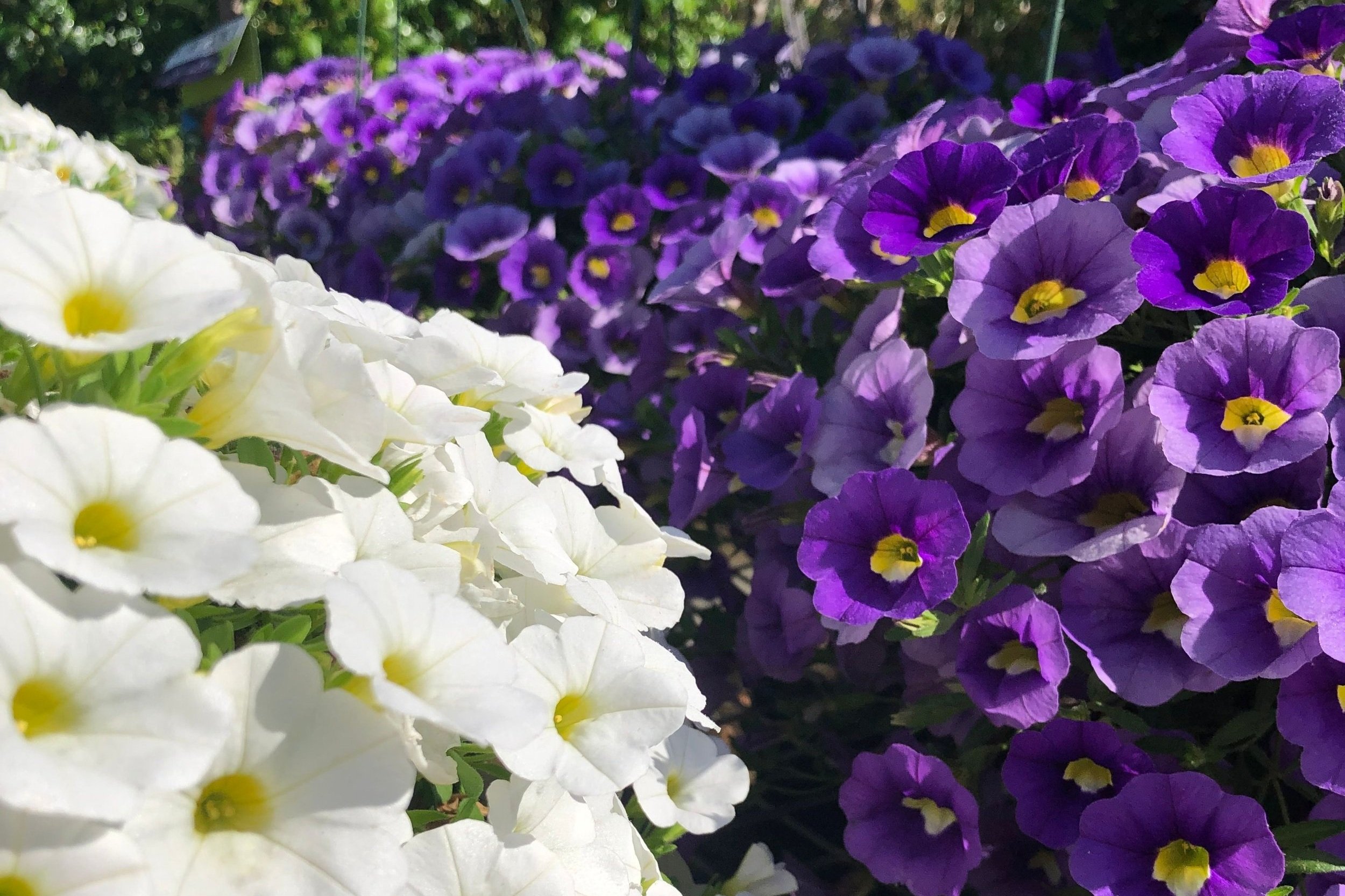
Calibracoa Sweet Peach. Annual blooms all summer.

Calendulas(Taller). Taller calendulas make good cut flowers. Edible.

****************

Tips for

Reseeding Success

If you want to encourage your annuals and biennials to naturalize and carpet your garden beds next spring, a few simple adjustments to your maintenance routine will maximize your success:

  • Time Your Deadheading: Cutting back faded flowers keeps the plant blooming vigorously all summer. However, if you want the plant to drop seed for next year, you must stop deadheading later in the season. The flower heads need time to dry, mature, and develop viable seeds on the stem.

  • Go Easy on the Mulch: Avoid burying the area around the mother plant under a heavy layer of mulch. Many annual seeds are tiny and require direct contact with the soil and ambient sunlight to trigger spring germination.

  • Rethink Your Fall Cleanup: If you are trying to establish a colony of self-seeding plants, in the fall mulch that specific area very lightly, or skip it altogether, so you don't accidentally smother the fallen seeds.

Morning Glory

Cleomes

Zinnias. One of the best cut flowers

****************

TRY THESE!

We have many favorites! The tried and true ones are still around.

There are new introductions of cultivars within each of these.

Geraniums / Impatiens / Cosmos / Cleome / Portulacas / Salvias / Marigolds / Alyssum / Ageratums / Nasturtiums / Nicotianas / Dahlias / Asters / Zinnias / Morning Glories / Amaranthus / Gomphrenas / Pentas / Lisianthus / Scabiosa / Snapdragons / Dusty Miller / Callas / Caladiums / Coleus / Agapanthus / Tropical Hibiscus / Fuchsia

****************

LONG BLOOMING PROVEN WINNER ANNUALS

Argyranthemums / Osteospermums / Lobularias / Calibrachoas / Euphorbia Diamond Frost / Petunias / Torenias / Diascias / Phlox / Verbenas

****************

LESSER KNOWN ANNUALS THAT ARE STRONG GARDEN PERFORMERS

Browallia americana / Orlaya grandiflora / Ammi majus / Erigeron karvinskianus / Nigella / Ceratotheca triloba / Rhemania angulata / Emilia coccinea / Tithonia / Sanvitalia / Dahlberg Daisies / Daturas Ricinus / Clary Sage (Blue Monday and Pink Sundae) / Tibouchina urvilleana

****************

RECOMMENDED DEER RESISTANT ANNUALS

Lantanas / Salvias / Daturas / Ricinus

****************

TRY ADDING ANNUAL VINES TO CONTAINERS & HANGING BASKETS

Mina lobata / Thunbergias / Cobaea scandens (Cup and Saucer Vine) / Mandevilla
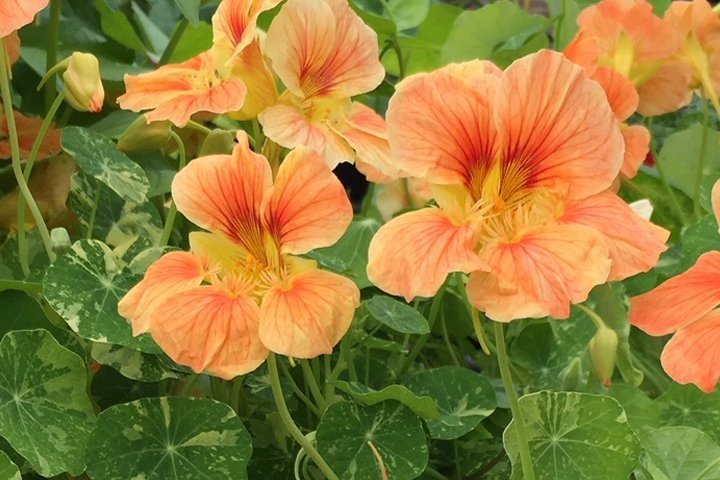
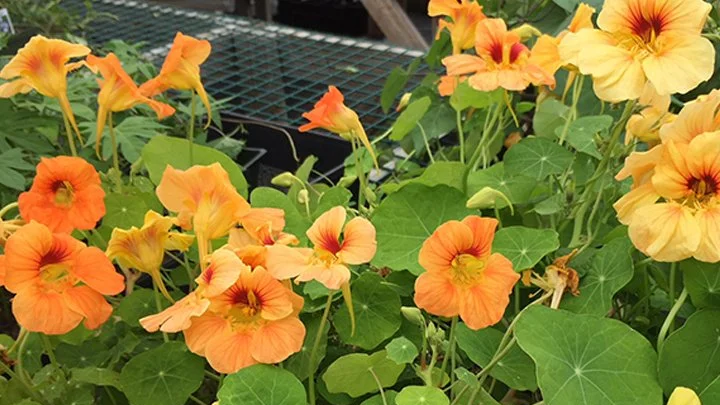
Nasturtiums
Nasturtiums
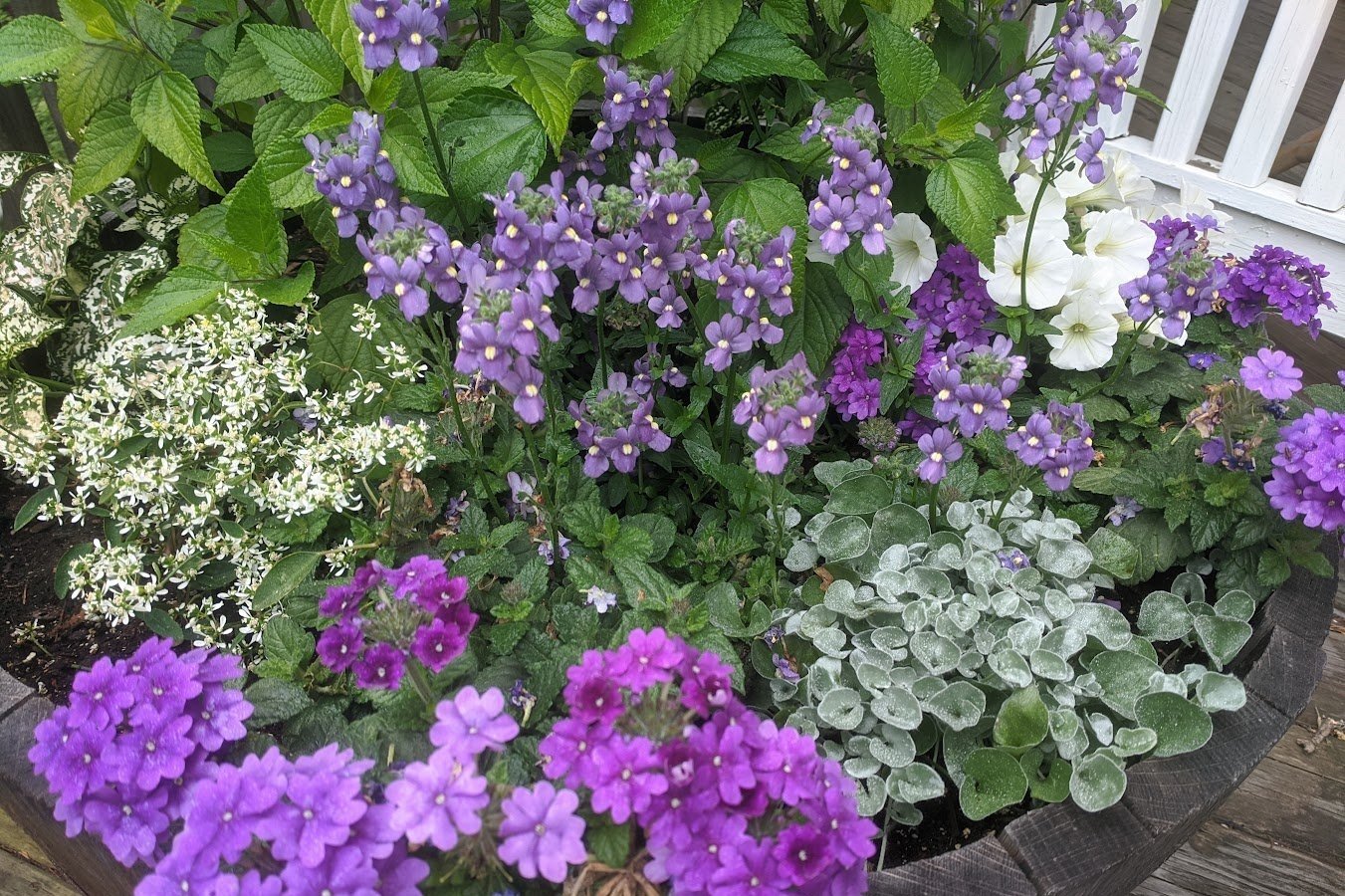
Salvia Amistad / Salvia Hummingbird / Verbena Vanessa Purple / Nemesia Bluebird / Petunia Vista White / Hippo White Polka Dot / Dichondra / Euphorbia Frost
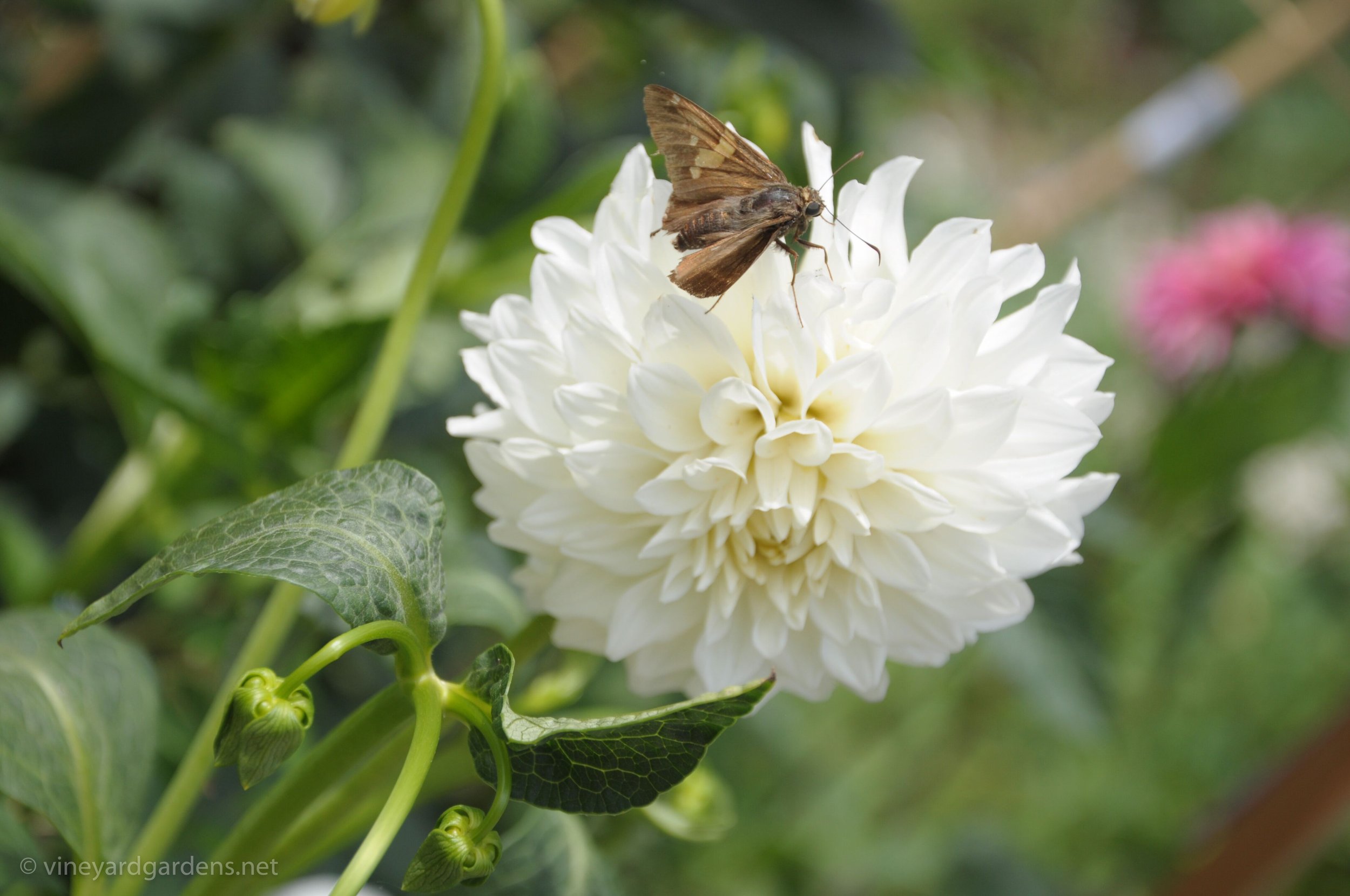
Dahlia
Dahlia
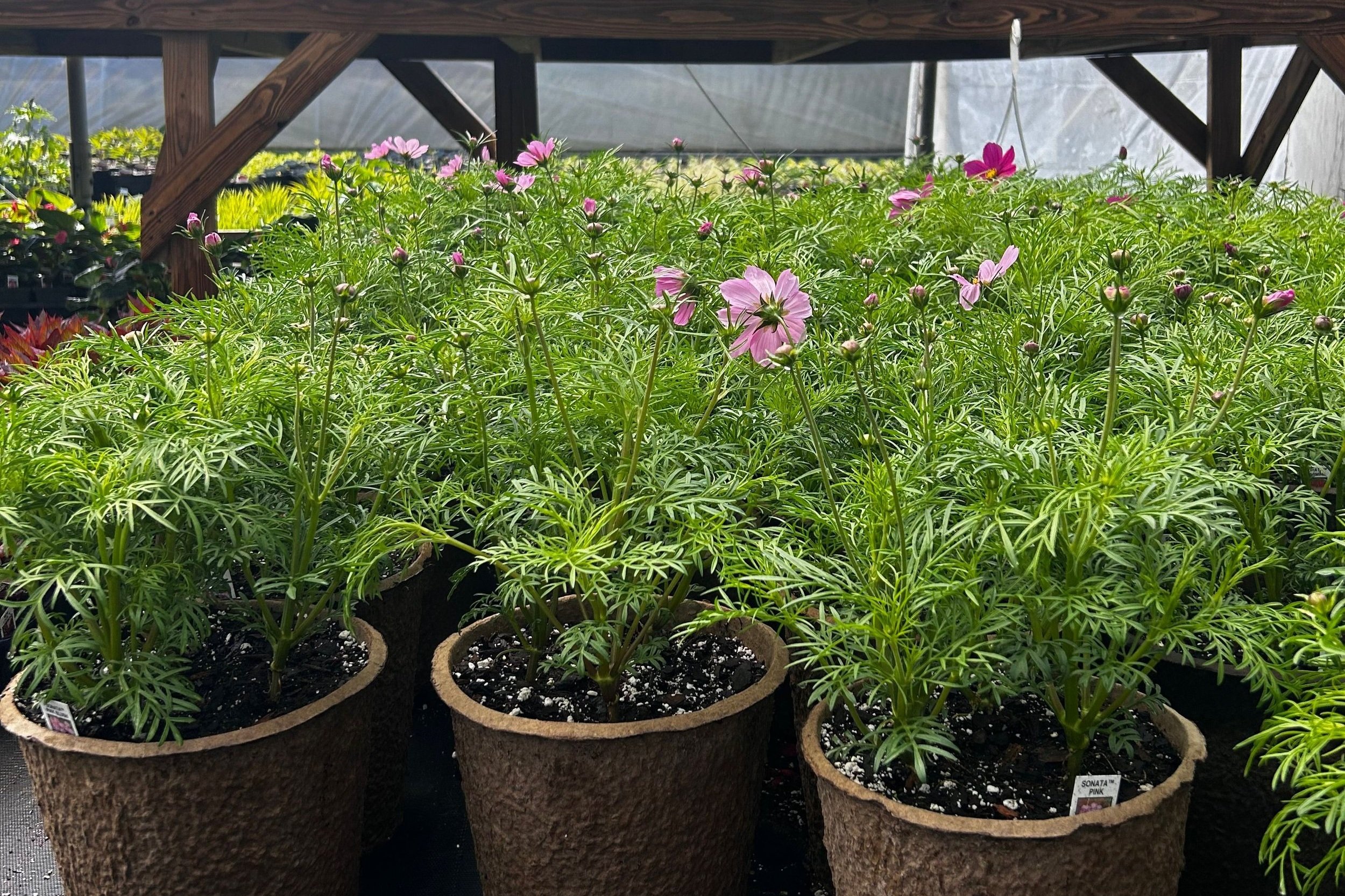
Cosmos Sonata Pink
Cosmos Sonata Pink
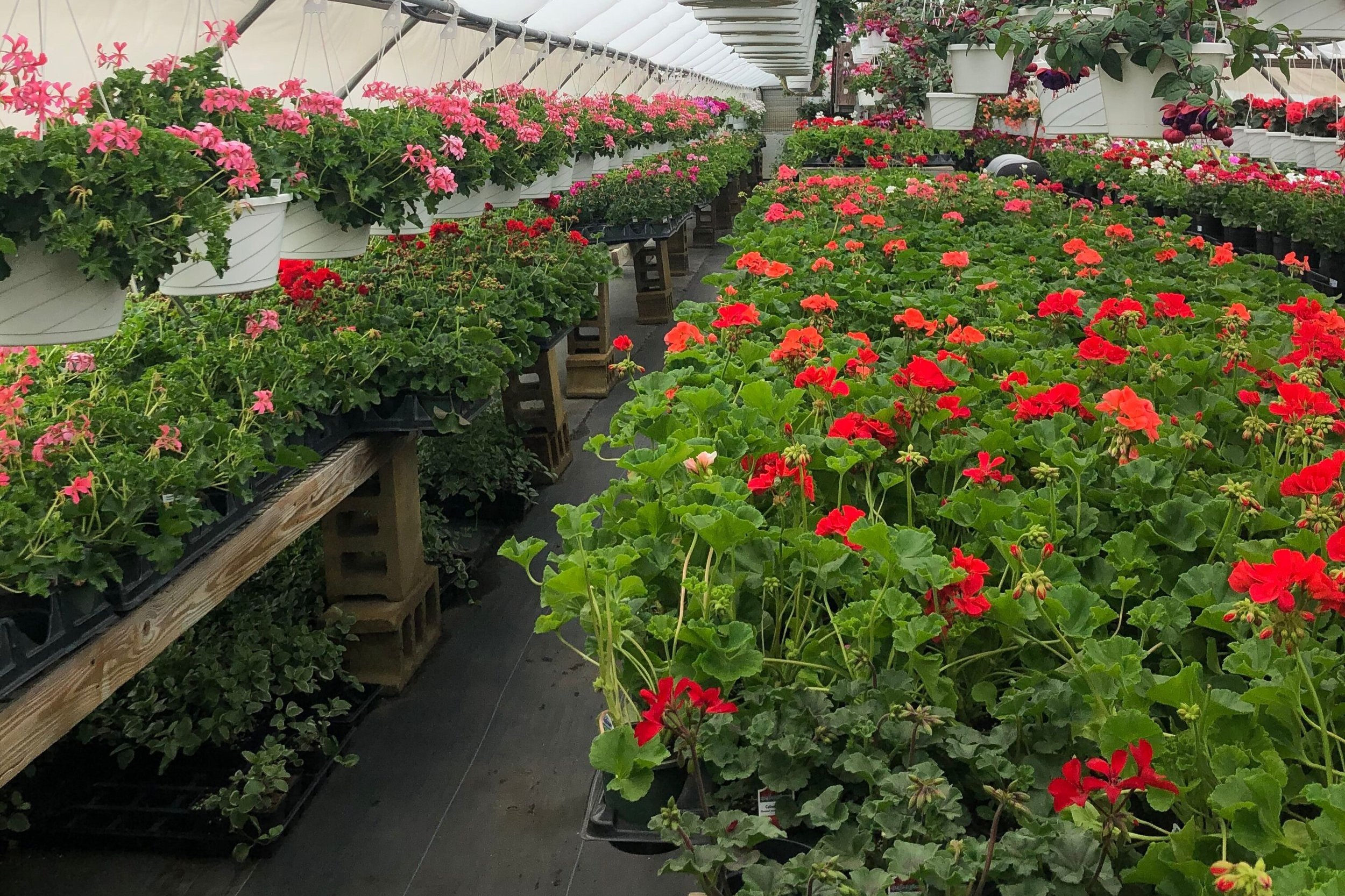
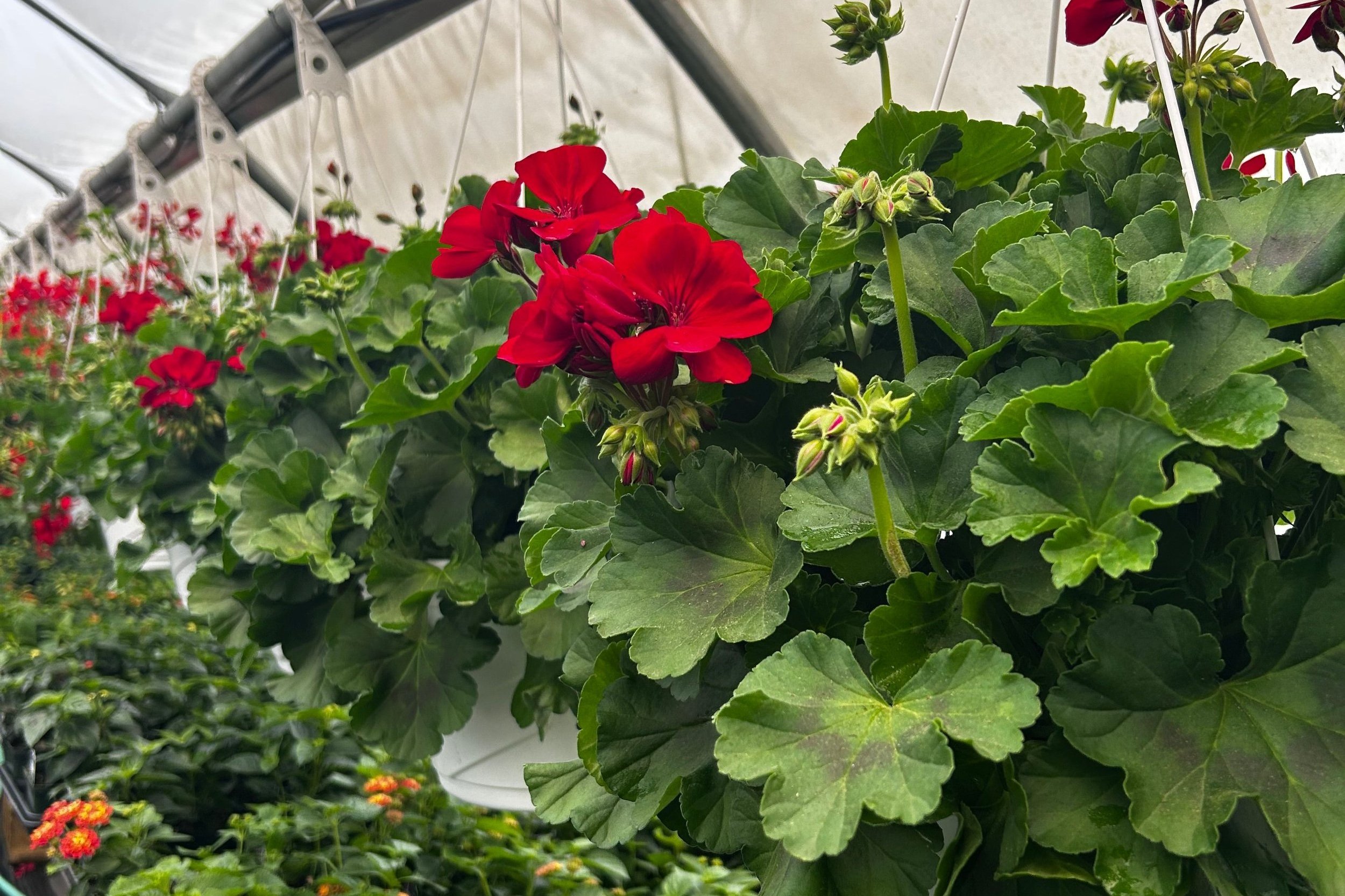
Geraniums
Geraniums
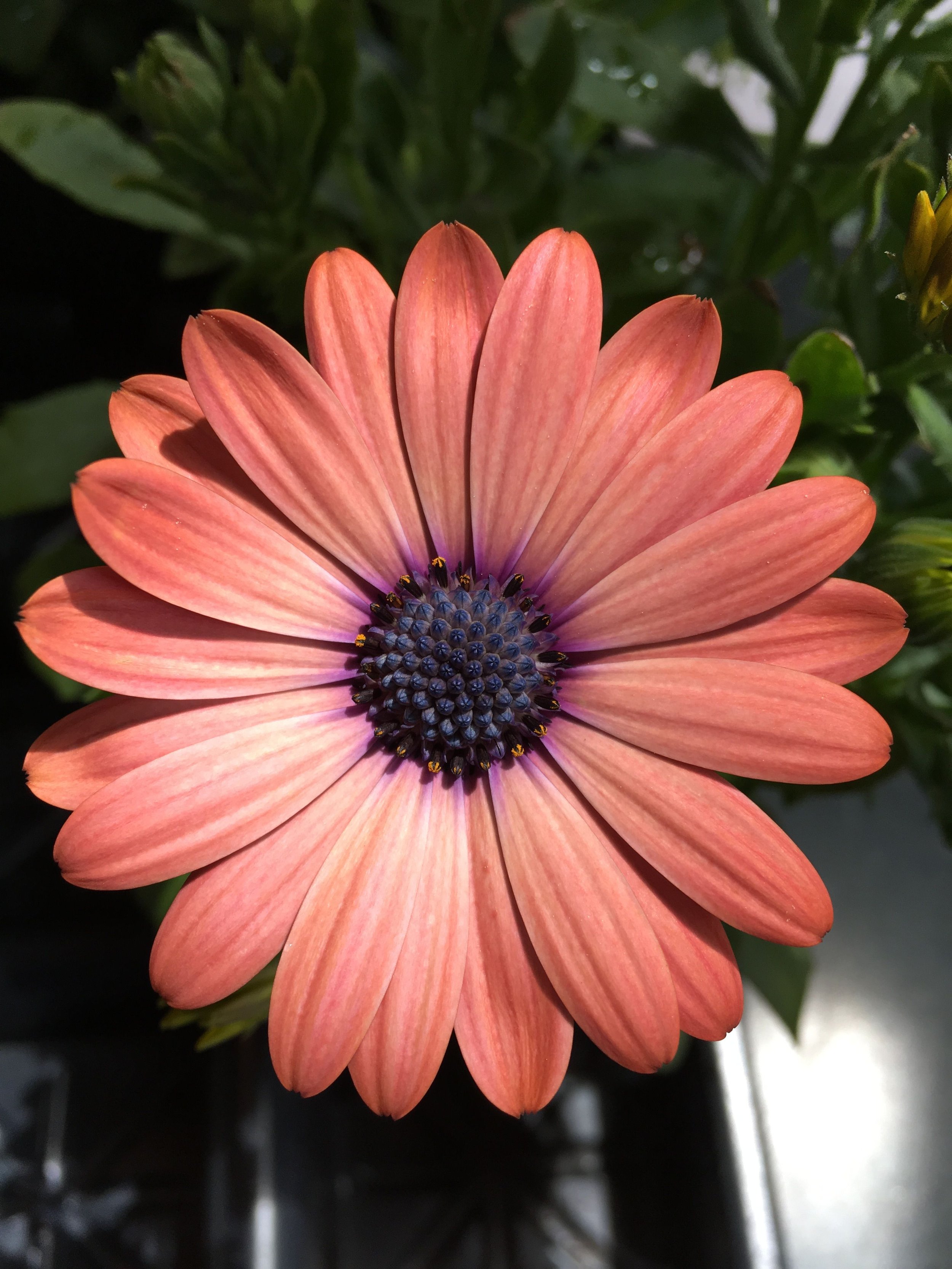
Osteospermum Serenity Bronze
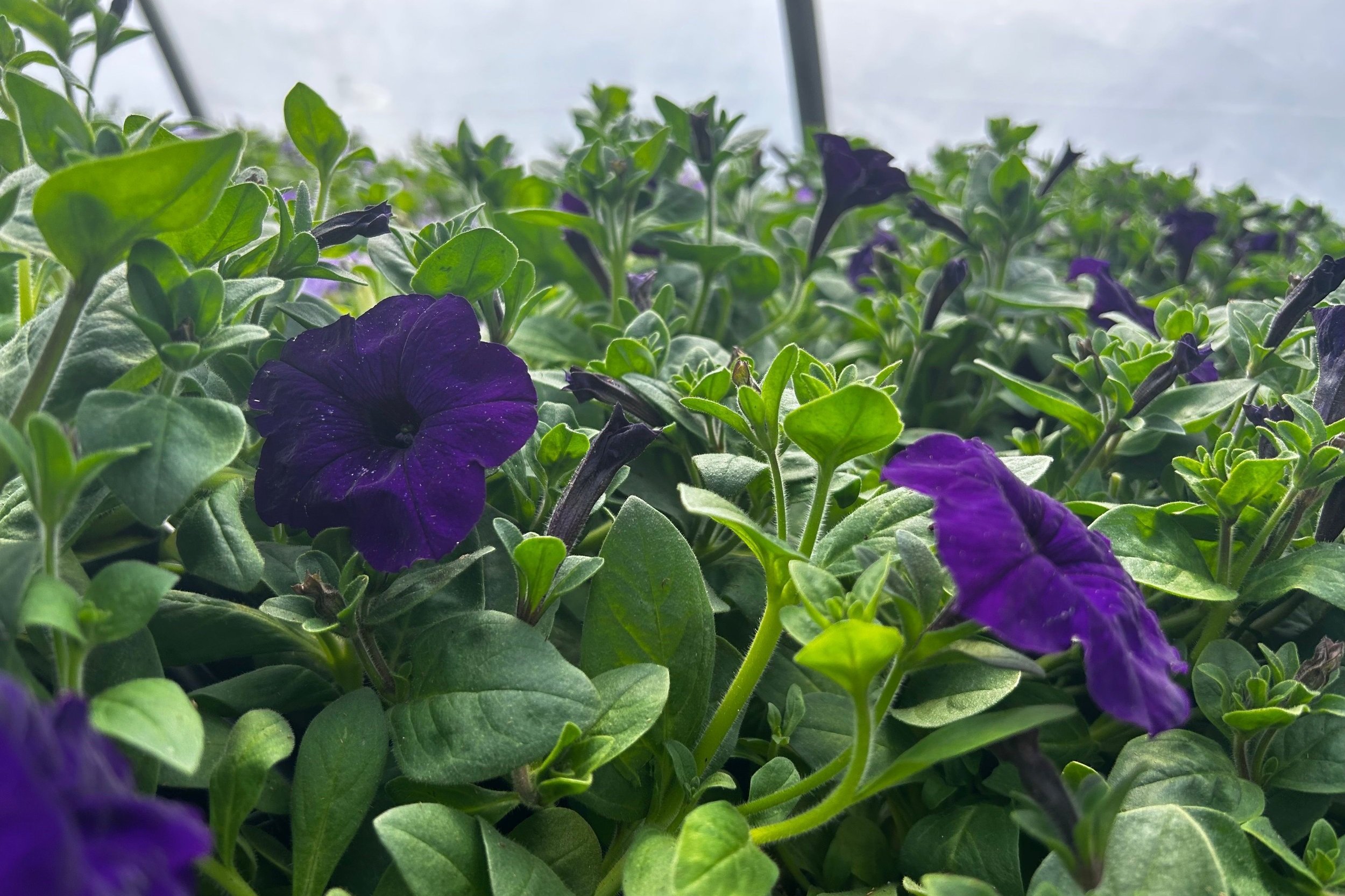
Petunia Easy Wave Blue
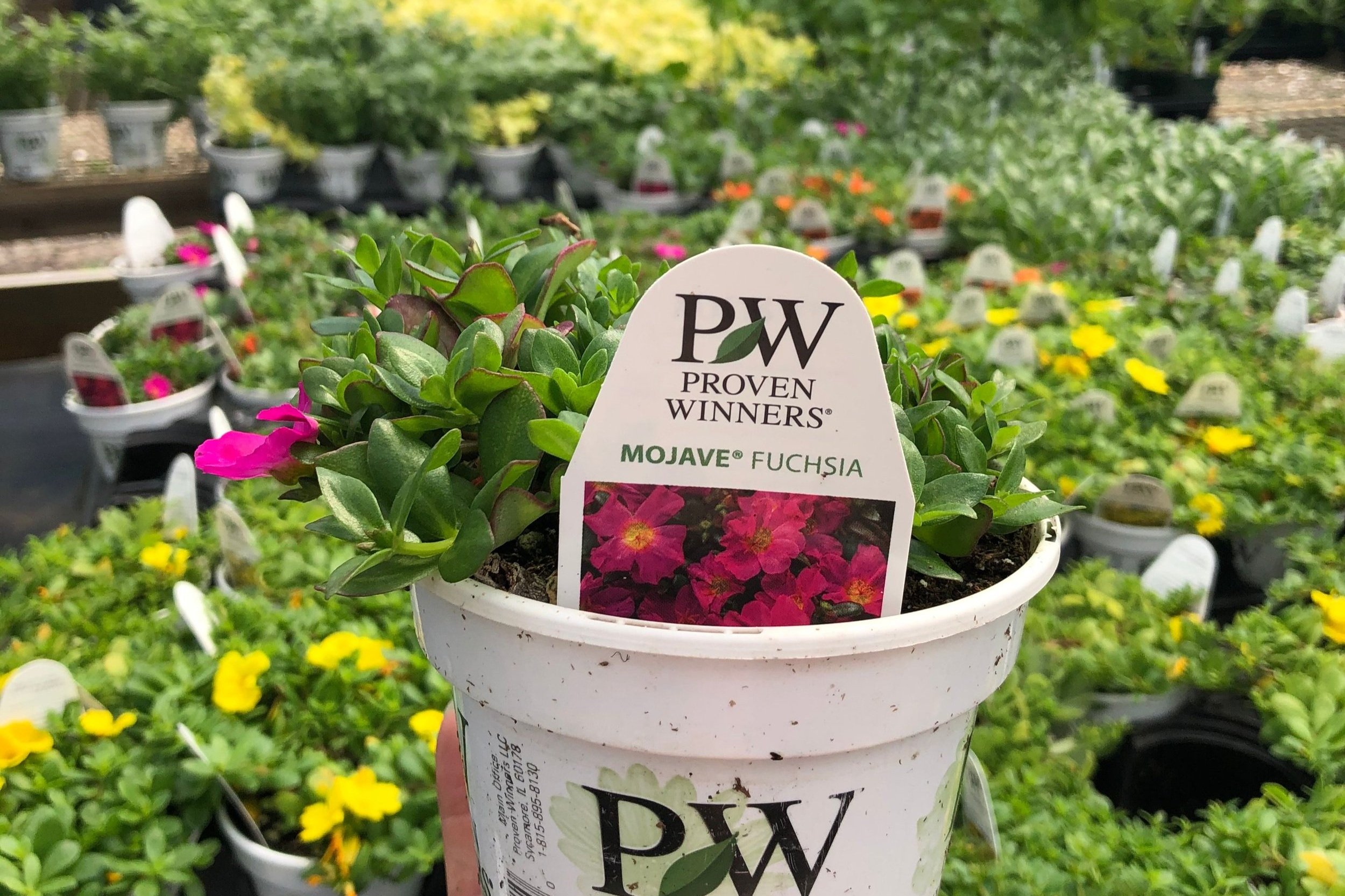
Portulaca Fuschia
Portulaca Fuschia
Portulaca Fuchsia
Portulaca Fuchsia
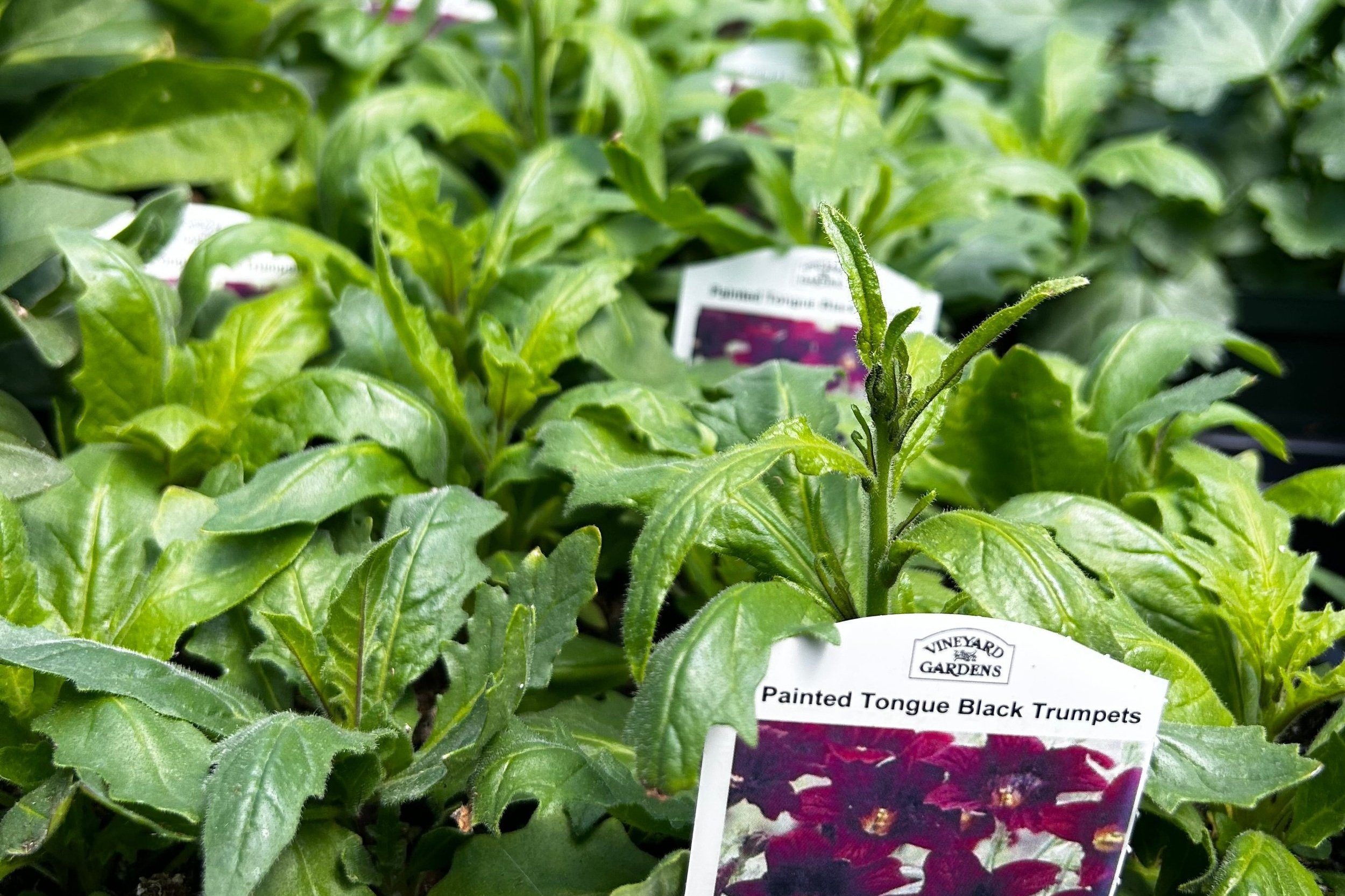
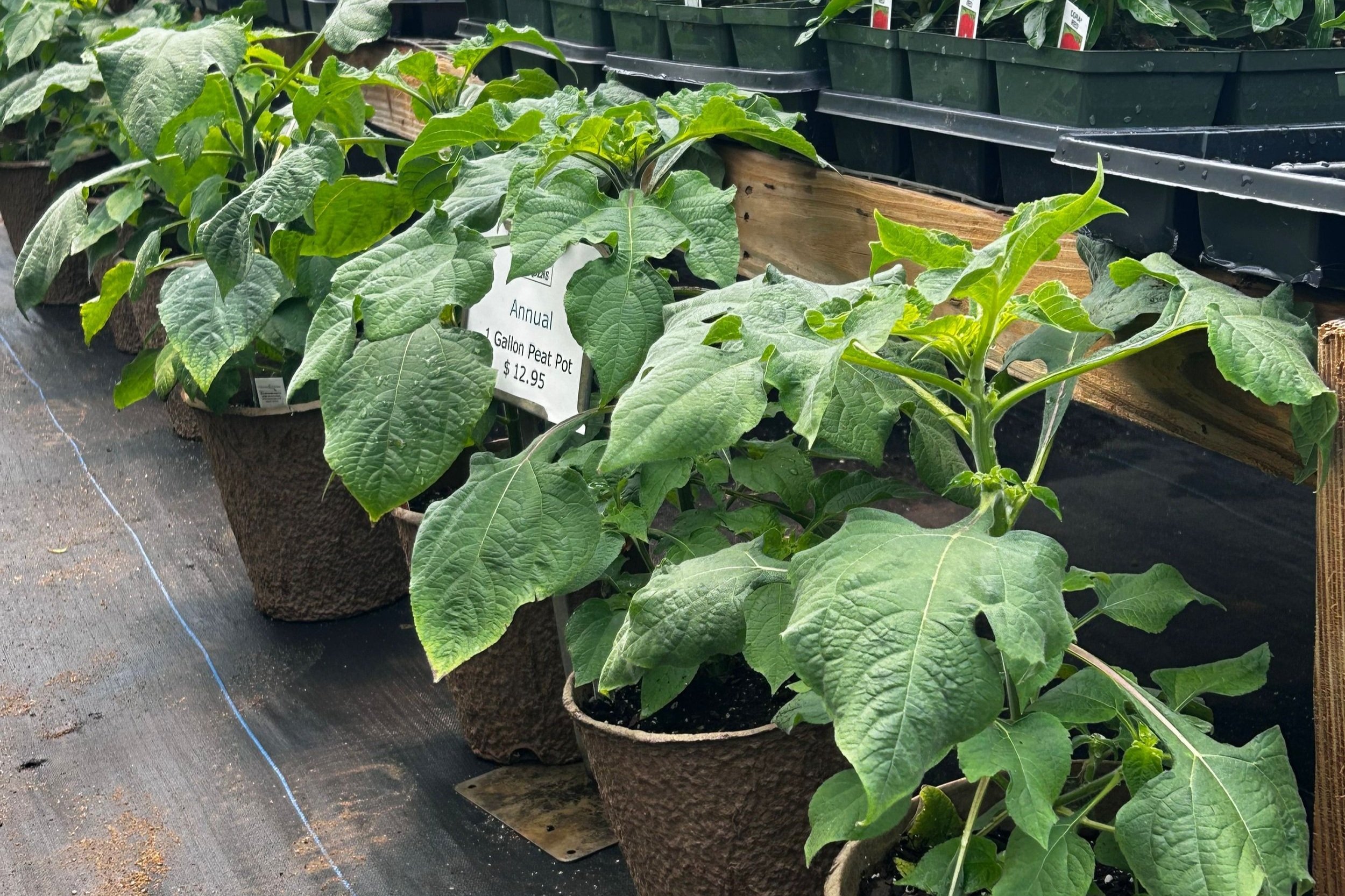
Salpiglossis
Salpiglossis
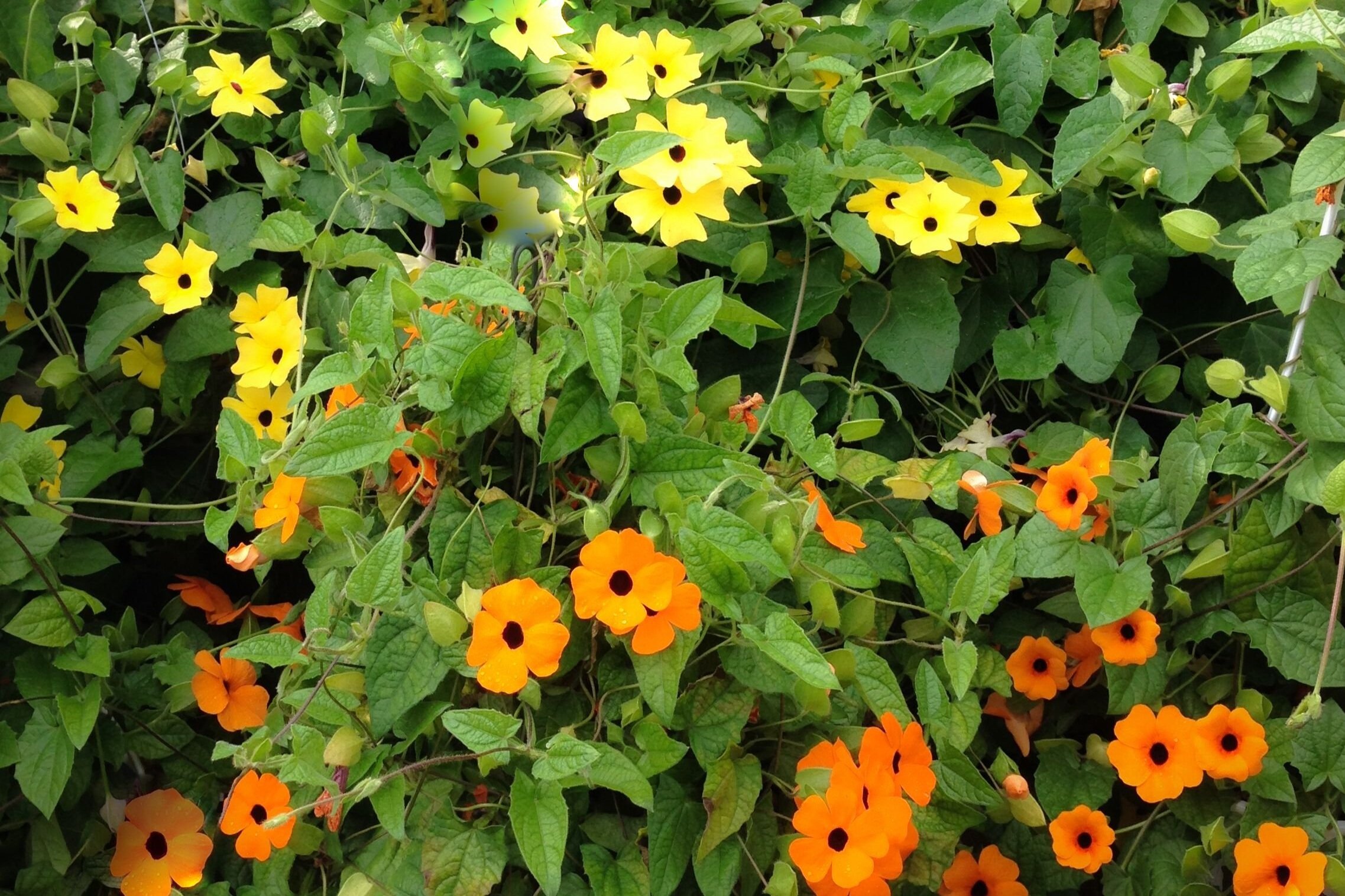
Thunbergias
Thunbergias
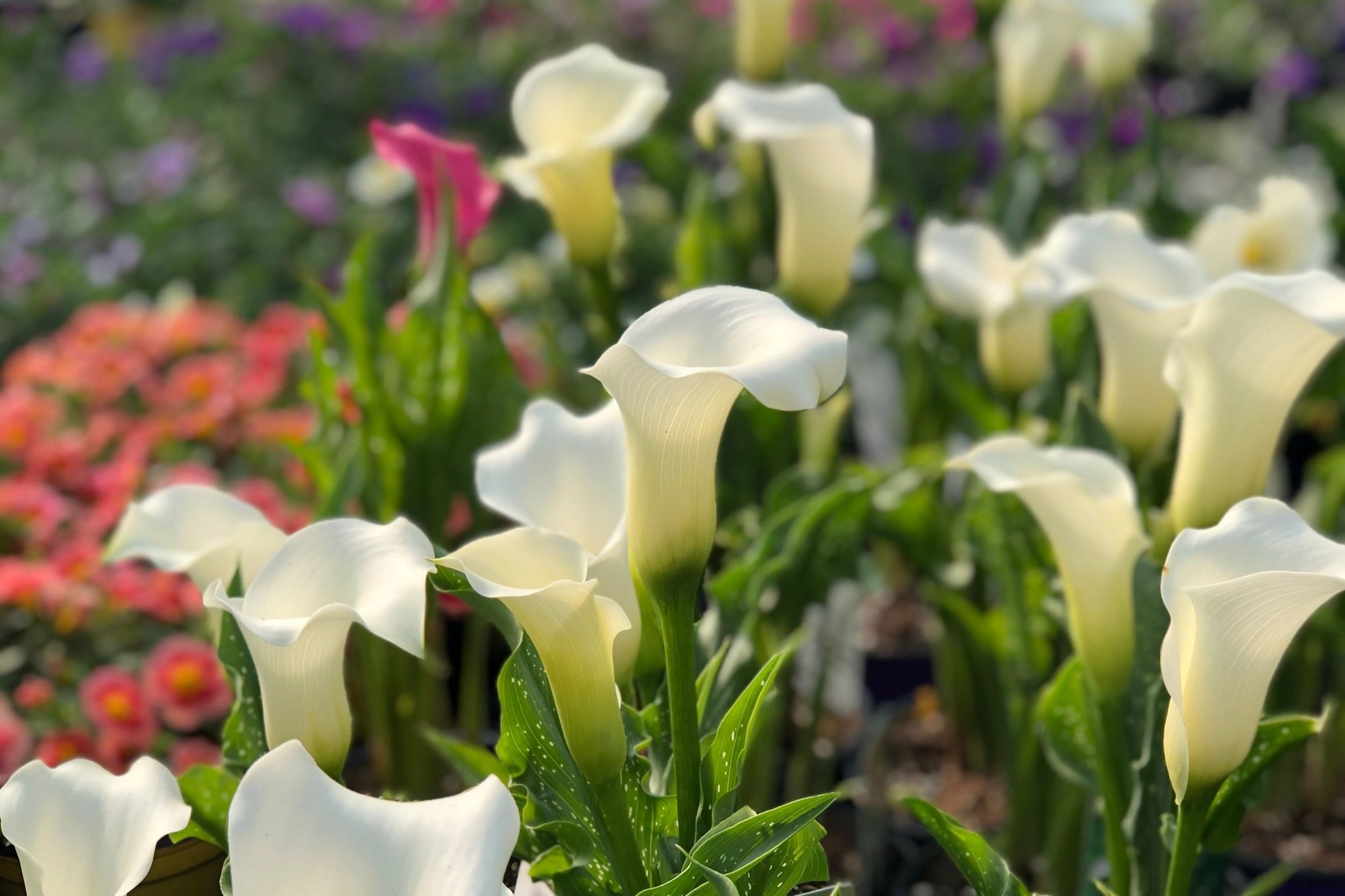
Calla Lily_Zantedeschia Snow Storm
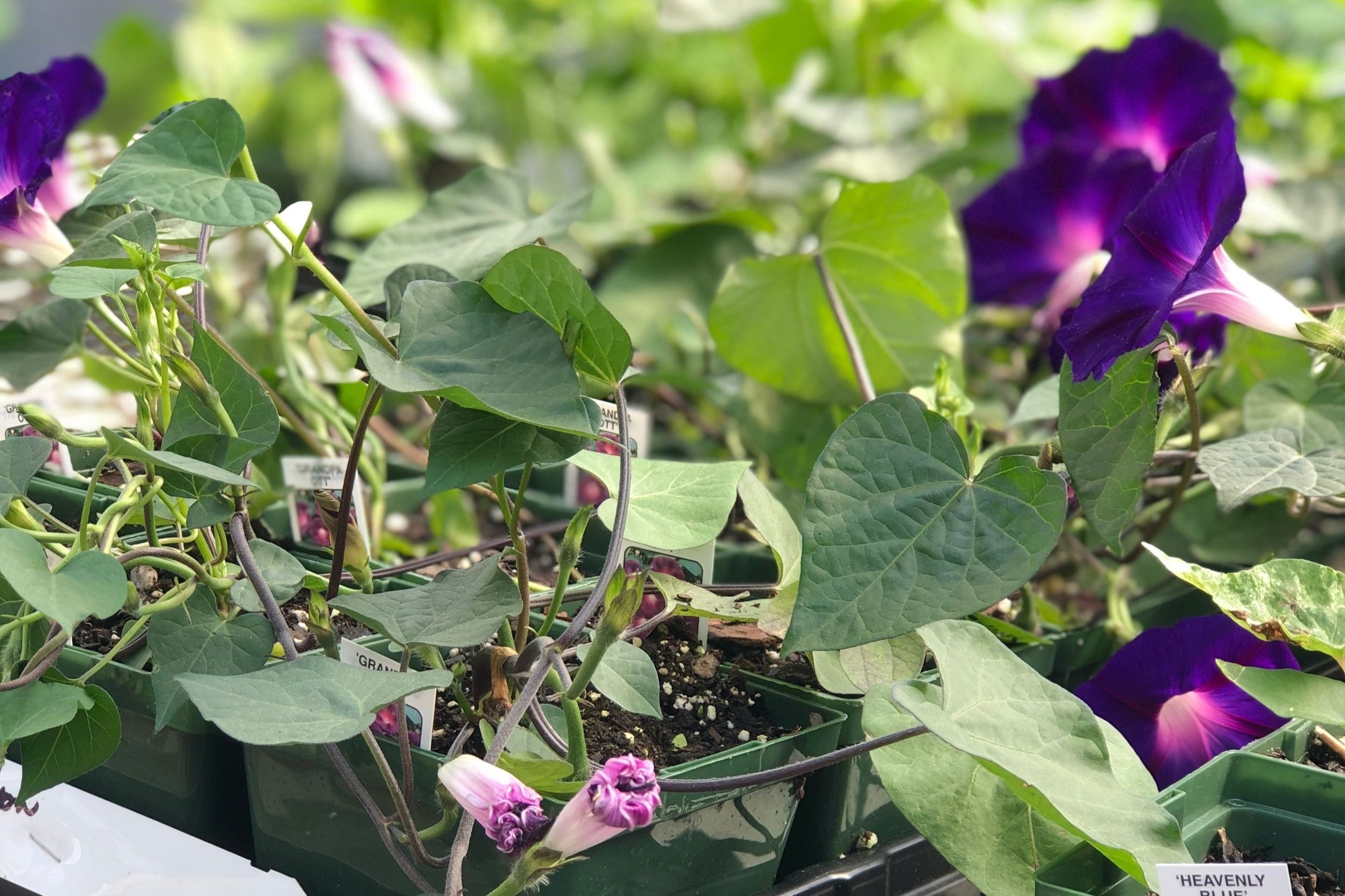
Ipomoea Heavenly Blue
Calibrachoa_Million Bells
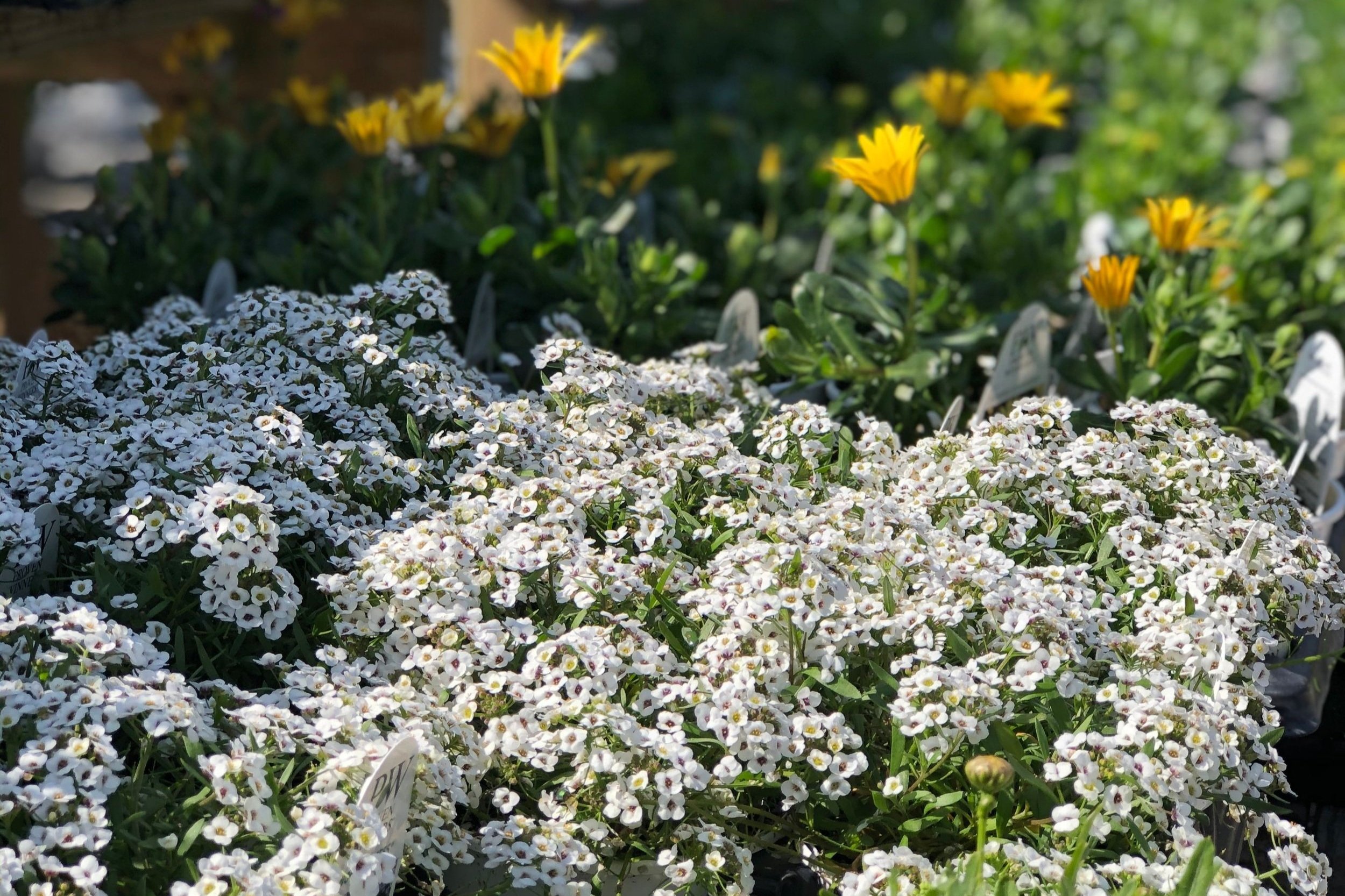
Sweet Alyssum
Sweet Alyssum
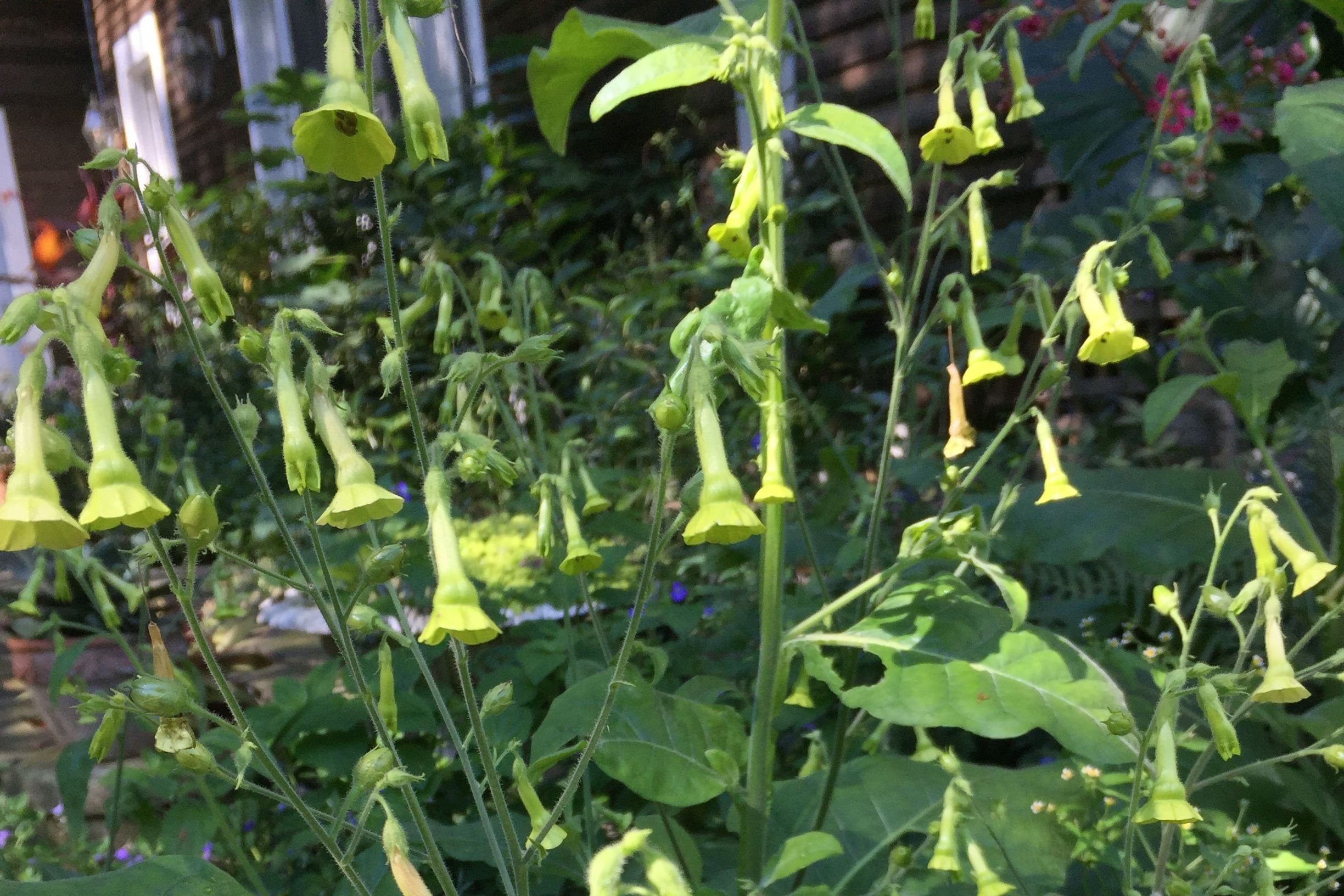
Nicotiana langsdorfii
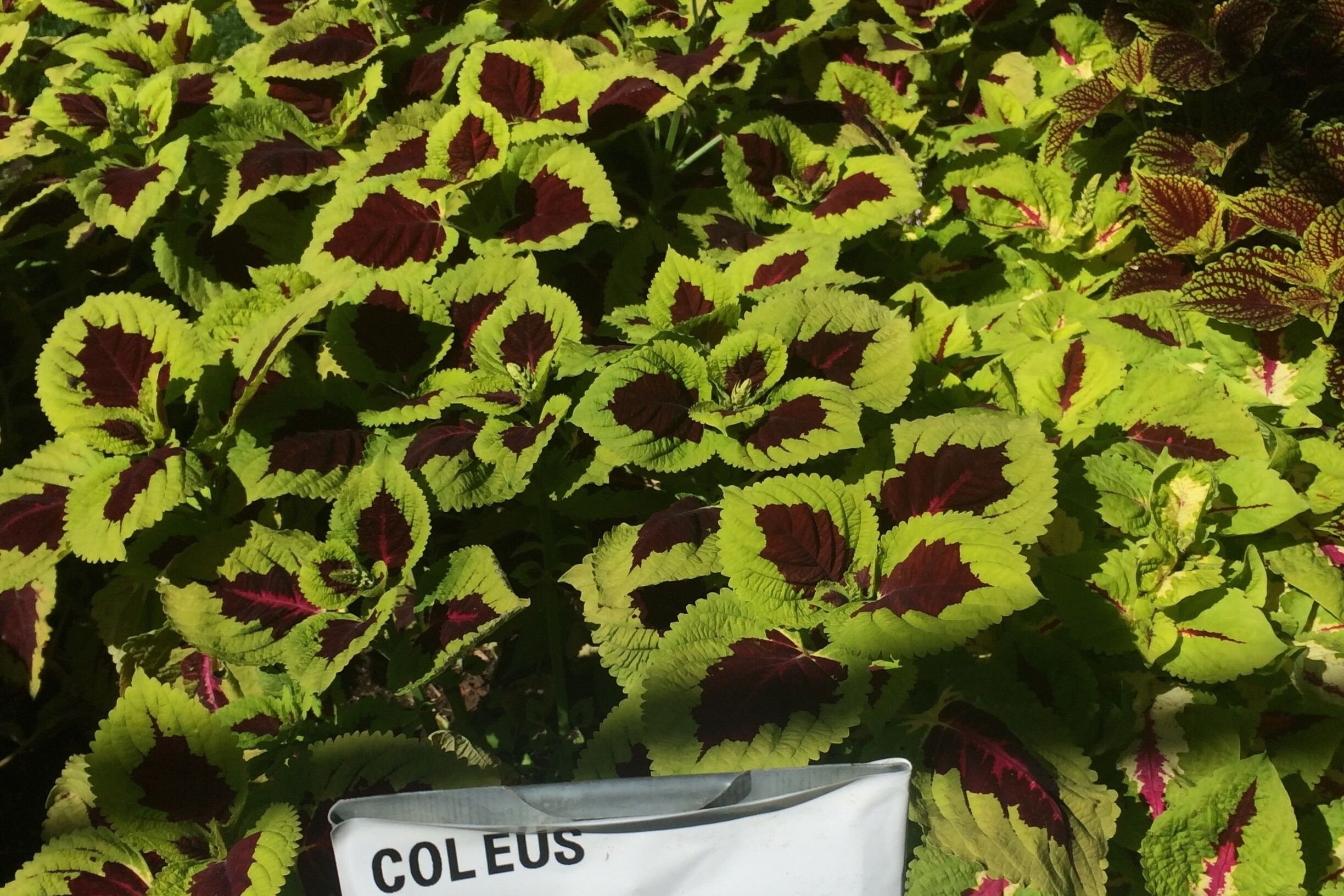
Coleus
Coleus
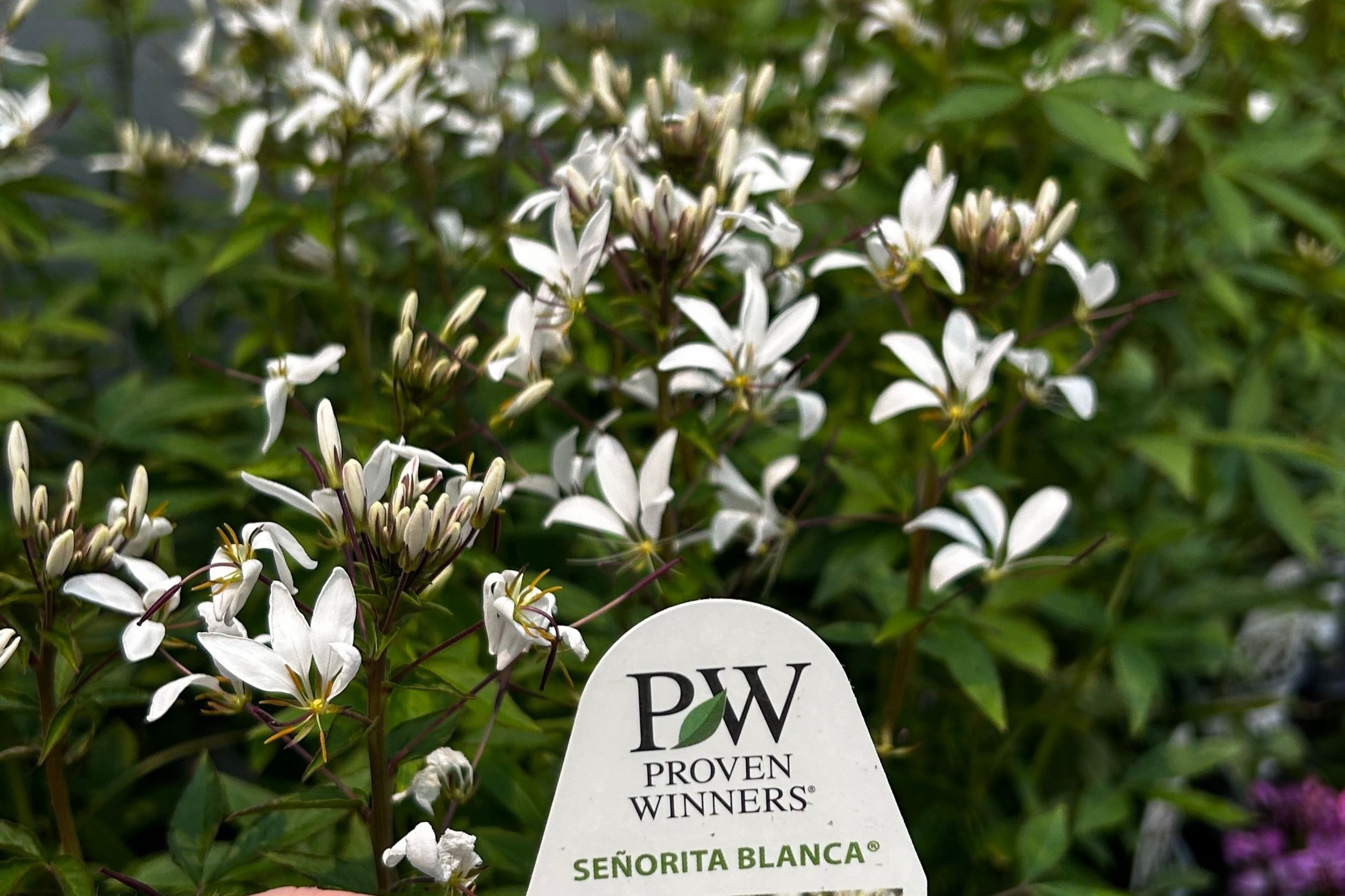
Cleome Senorita Blanca
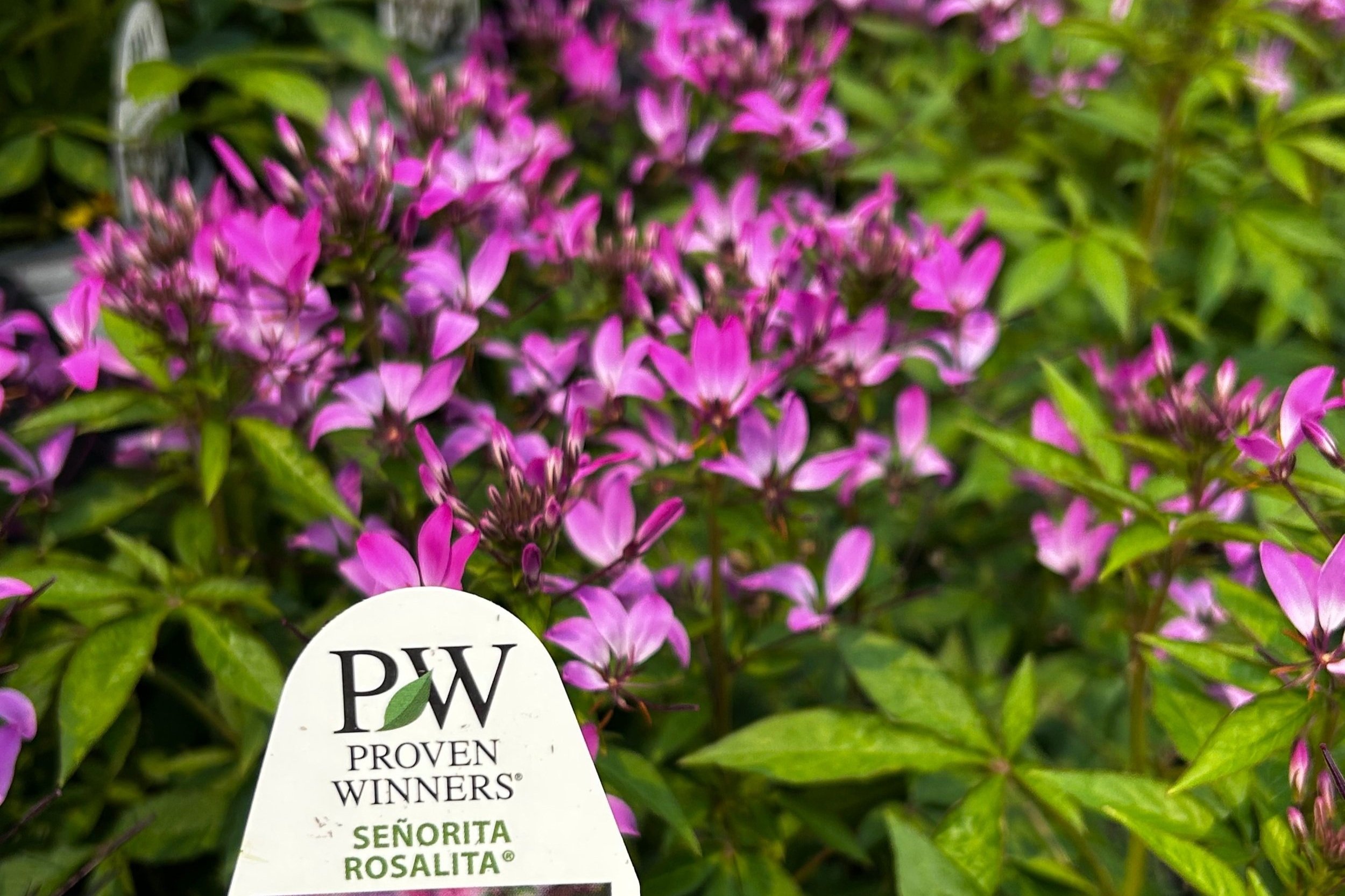
Cleome Senorita Rosalita
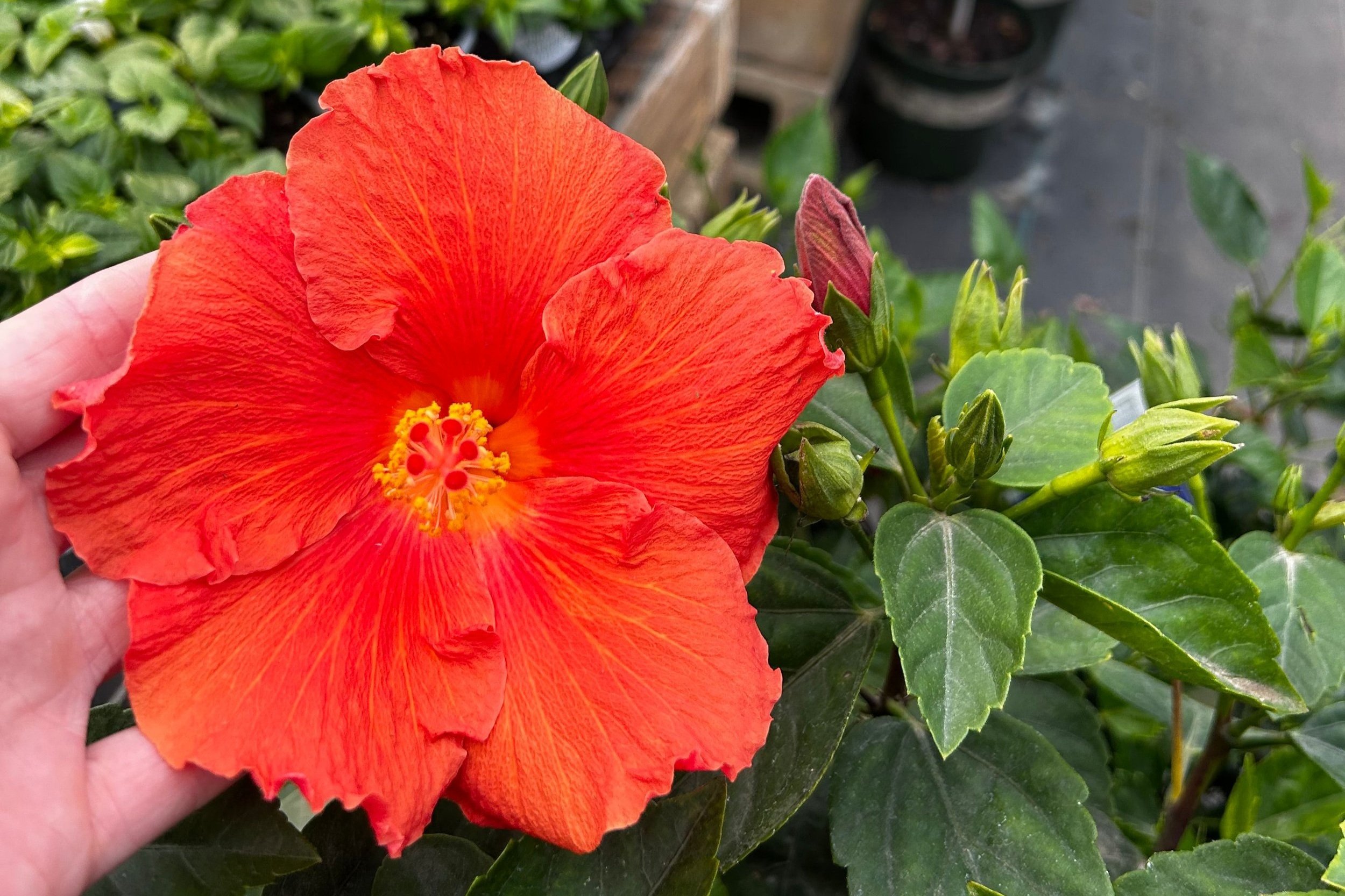
Hibiscus Tropical Jewel Amber
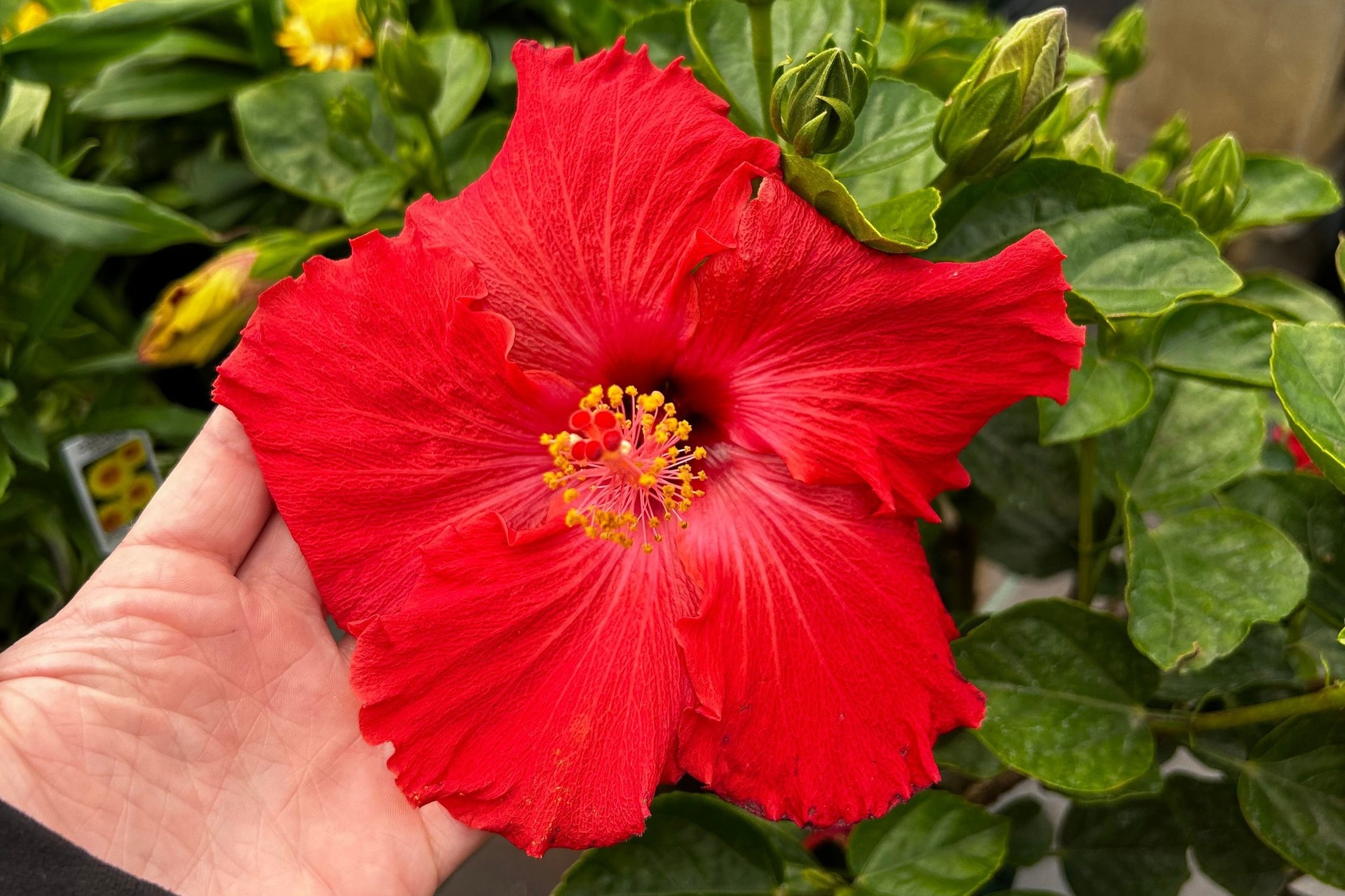
Hibiscus Tropical Jewel Ruby
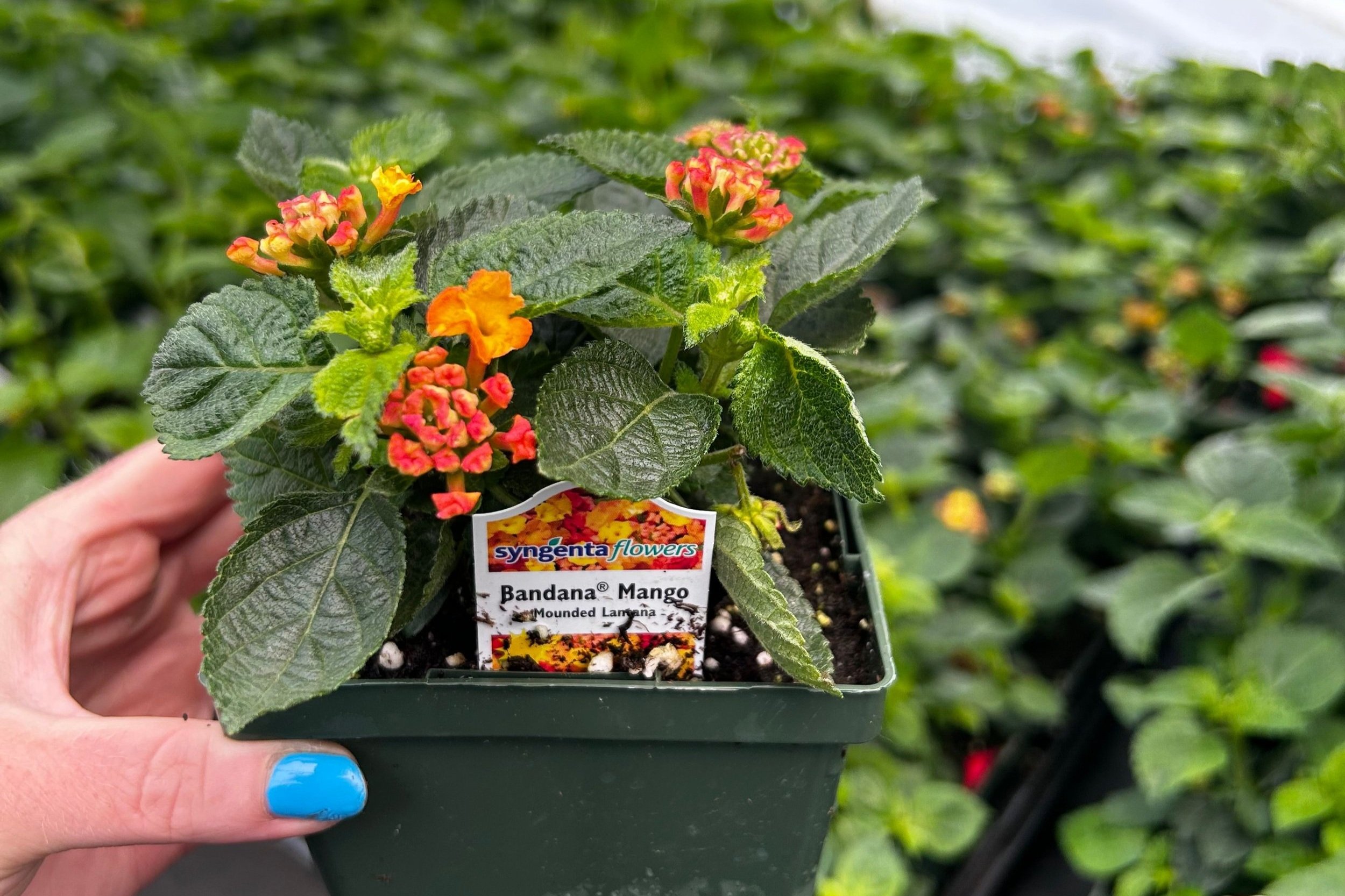
Lanatana Bandana Mango
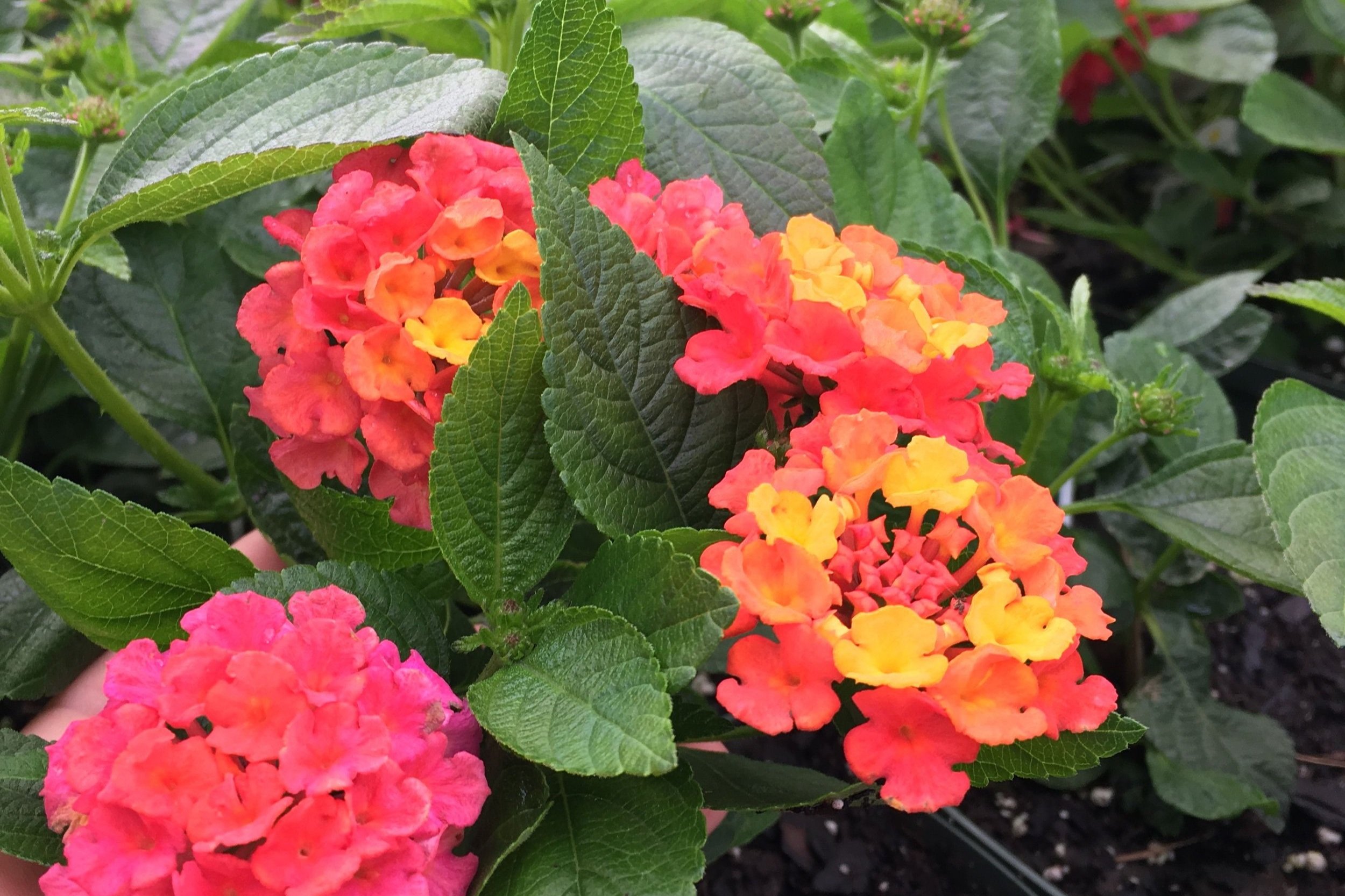
Lantana Sunrise Rose
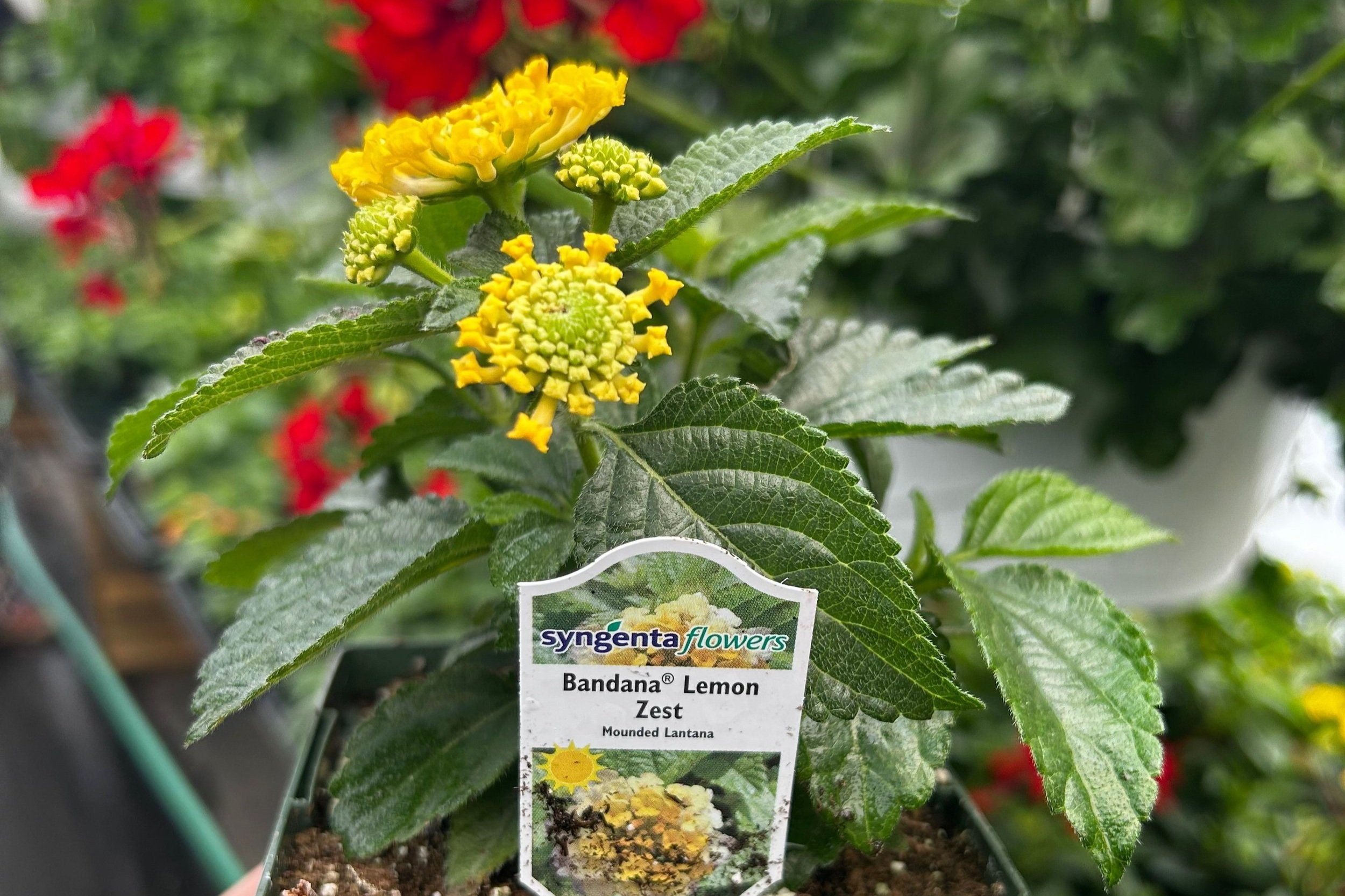
Lantana Bandana Lemon Zest
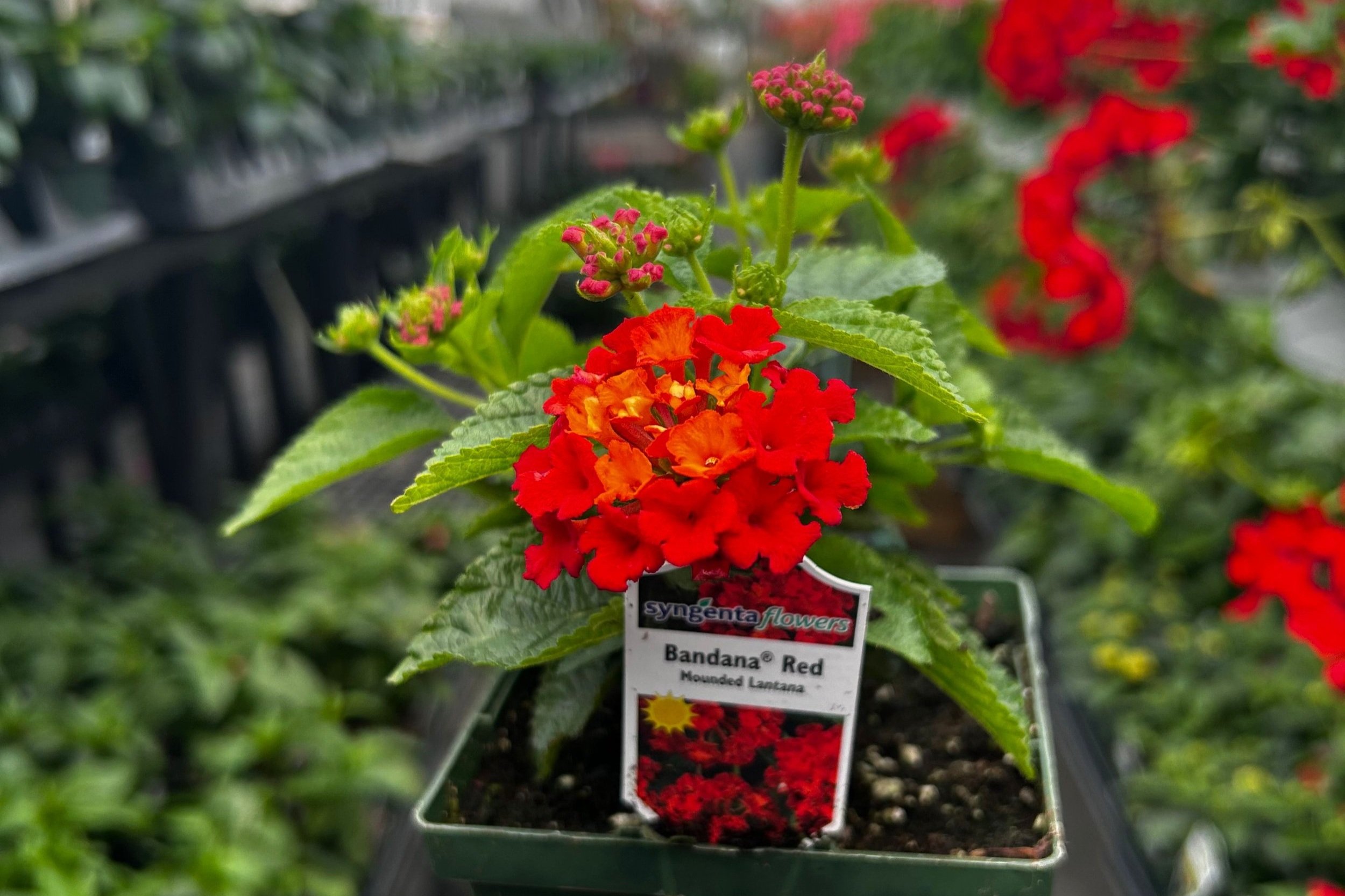
Lantana Bandera Red
Lantana Bandera Red
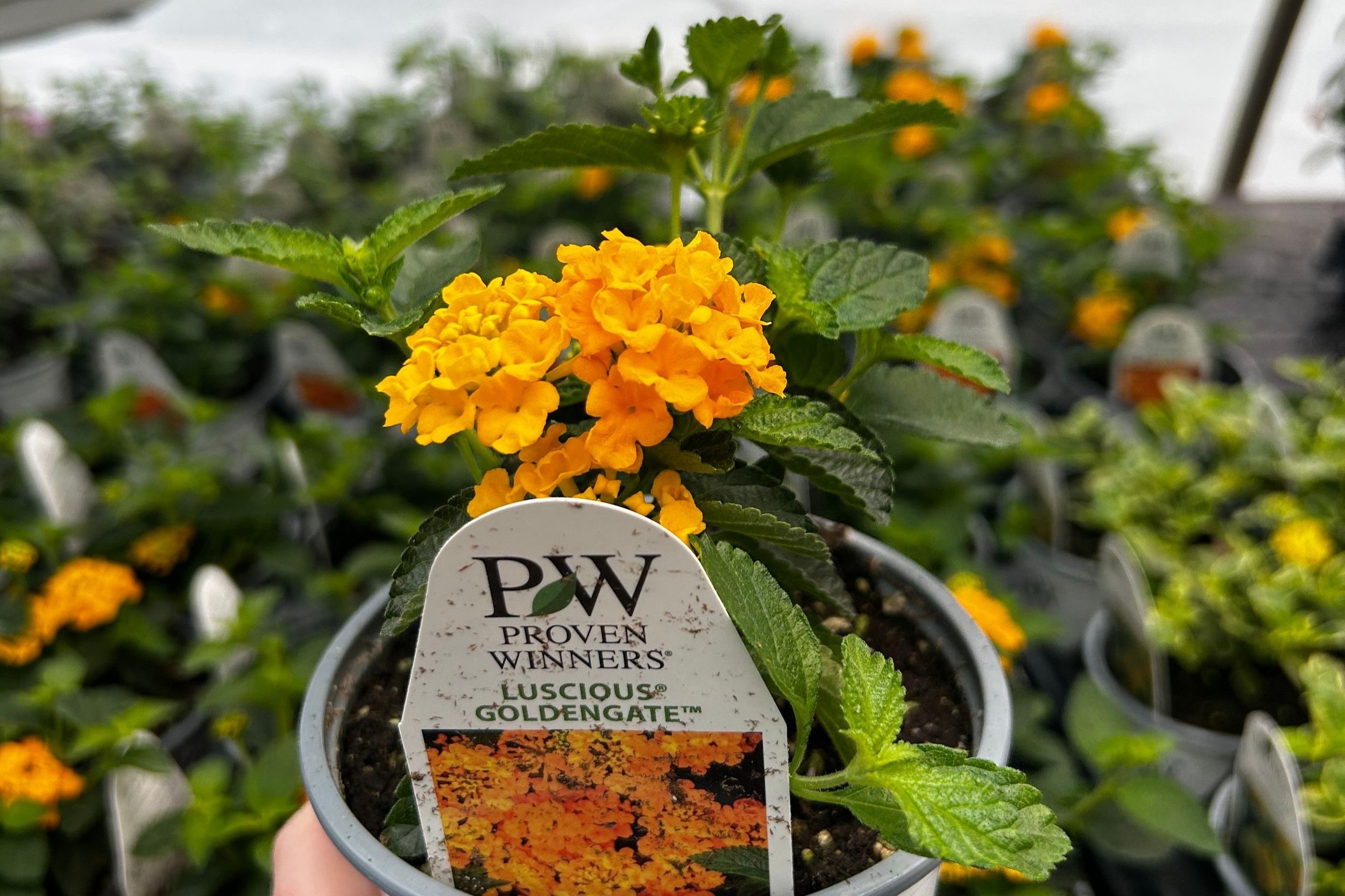
Lantana Lucsious Golden Gate
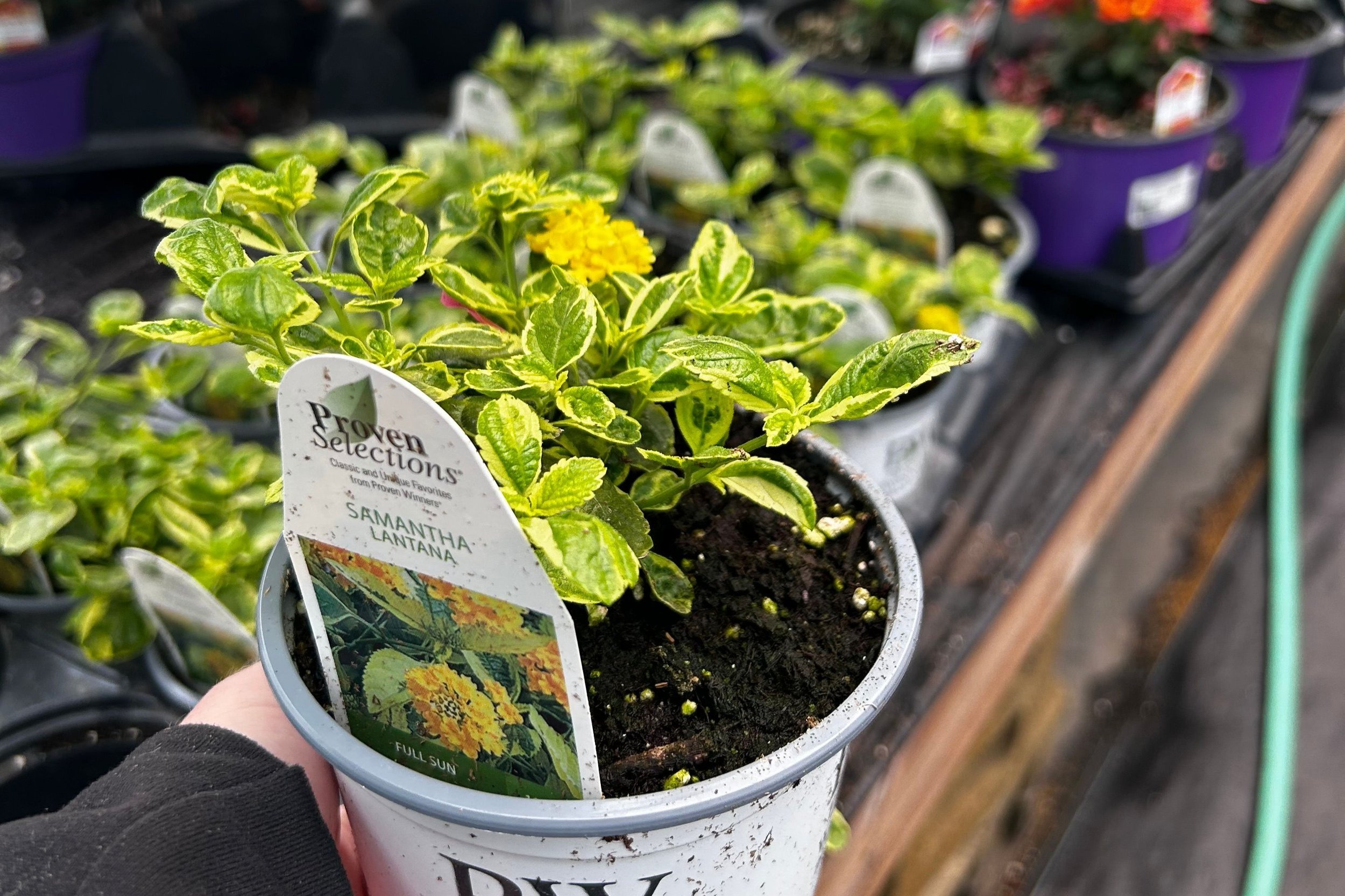
Lantana Samantha
Lantana Samantha
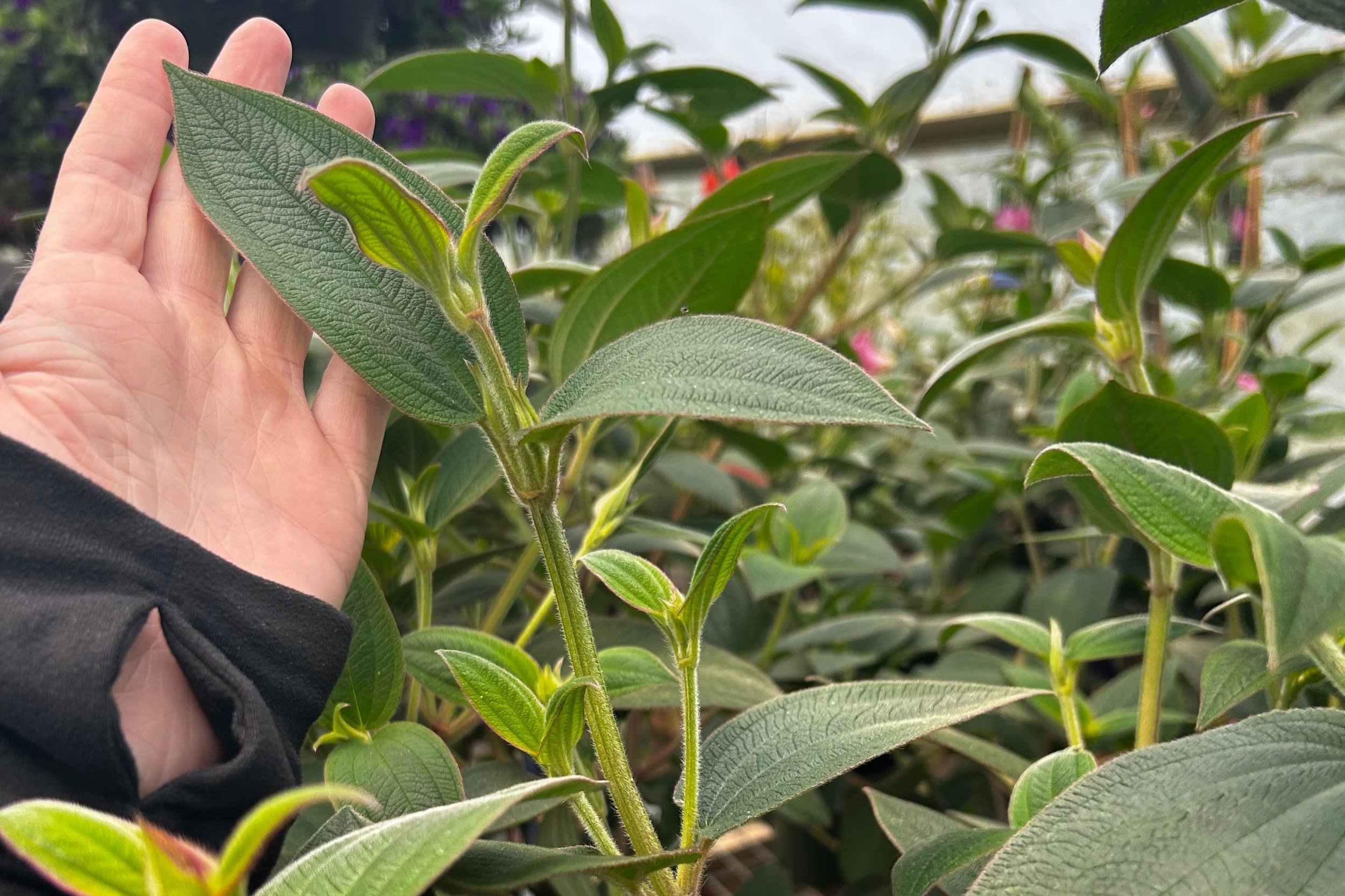
Tibouchina urvilleana
Tithonia
Tithonia
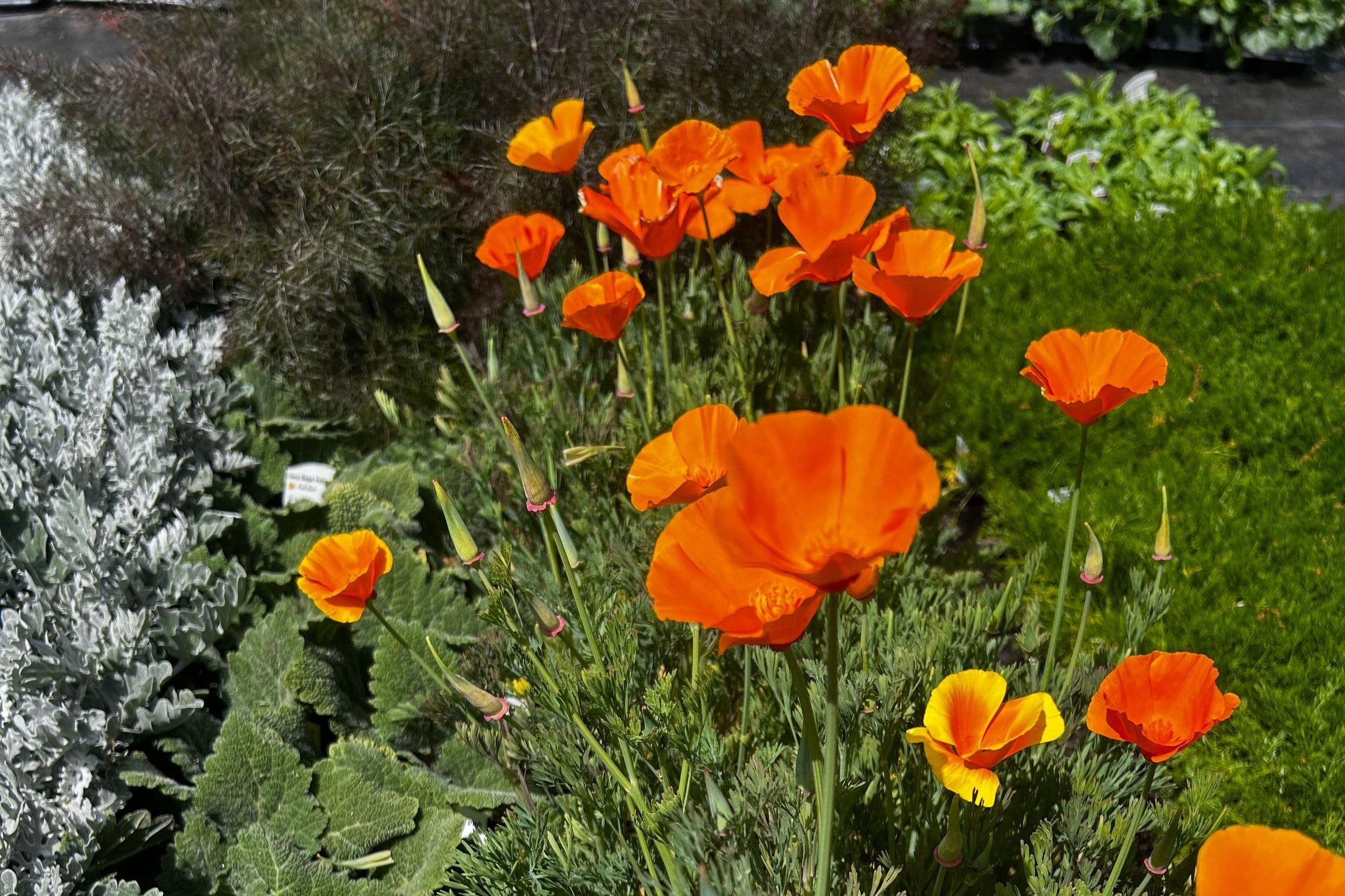
Eschscholtzia Californica Orange Poppy
Nasturtiums Salvia Amistad / Salvia Hummingbird / Verbena Vanessa Purple / Nemesia Bluebird / Petunia Vista White / Hippo White Polka Dot / Dichondra / Euphorbia Frost Dahlia Cosmos Sonata Pink Geraniums Osteospermum Serenity Bronze Petunia Easy Wave Blue Portulaca Fuschia Portulaca Fuchsia Salpiglossis Thunbergias Calla Lily_Zantedeschia Snow Storm Ipomoea Heavenly Blue Calibrachoa_Million Bells Sweet Alyssum Nicotiana langsdorfii Coleus Cleome Senorita Blanca Cleome Senorita Rosalita Hibiscus Tropical Jewel Amber Hibiscus Tropical Jewel Ruby Lanatana Bandana Mango Lantana Sunrise Rose Lantana Bandana Lemon Zest Lantana Bandera Red Lantana Lucsious Golden Gate Lantana Samantha Tibouchina urvilleana Tithonia Eschscholtzia Californica Orange Poppy

****************

Integrating Annuals into Your Garden Design

Annuals are the secret weapon for creating a dynamic, cohesive landscape. Whether you are tucking them into perennial borders, designing container displays, or hanging lush baskets, they offer an unbeatable, season-long consistency of color that anchors your overall garden design.

When you allow annuals to reseed naturally, they act as a beautiful visual thread that ties the entire garden together. Because they sprout in a delightful, random fashion, weaving seamlessly between and within your established perennials—they create an effortless, cottage-style aesthetic with no apparent pattern.

Unlike perennials, which shouldn't be overcrowded if they are to thrive, annuals are excellent for filling the gaps between your permanent plantings. The golden rule? Learn to identify the young seedlings as they emerge in early spring so you don’t accidentally pull them out thinking they are weeds!

We Grow an Assortment of Annuals!

______________

* Fillers in perennial

beds.

* Use in hanging baskets

* Use in container

plantings

* Many annuals make

great cut flowers.

*************

Hanging Baskets

MORNING GLORIES

Heavenly Blue

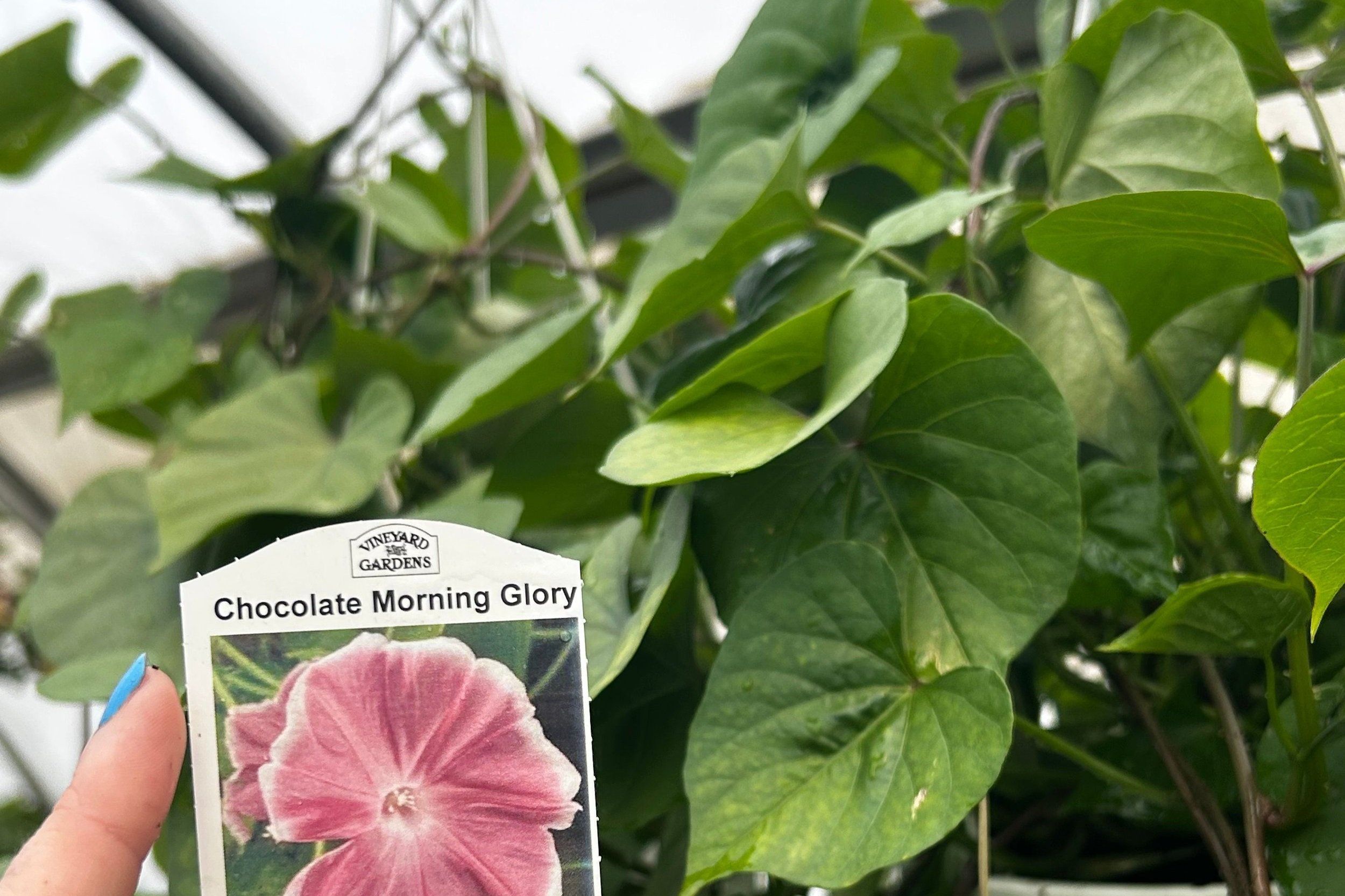
Chocolate 

*****

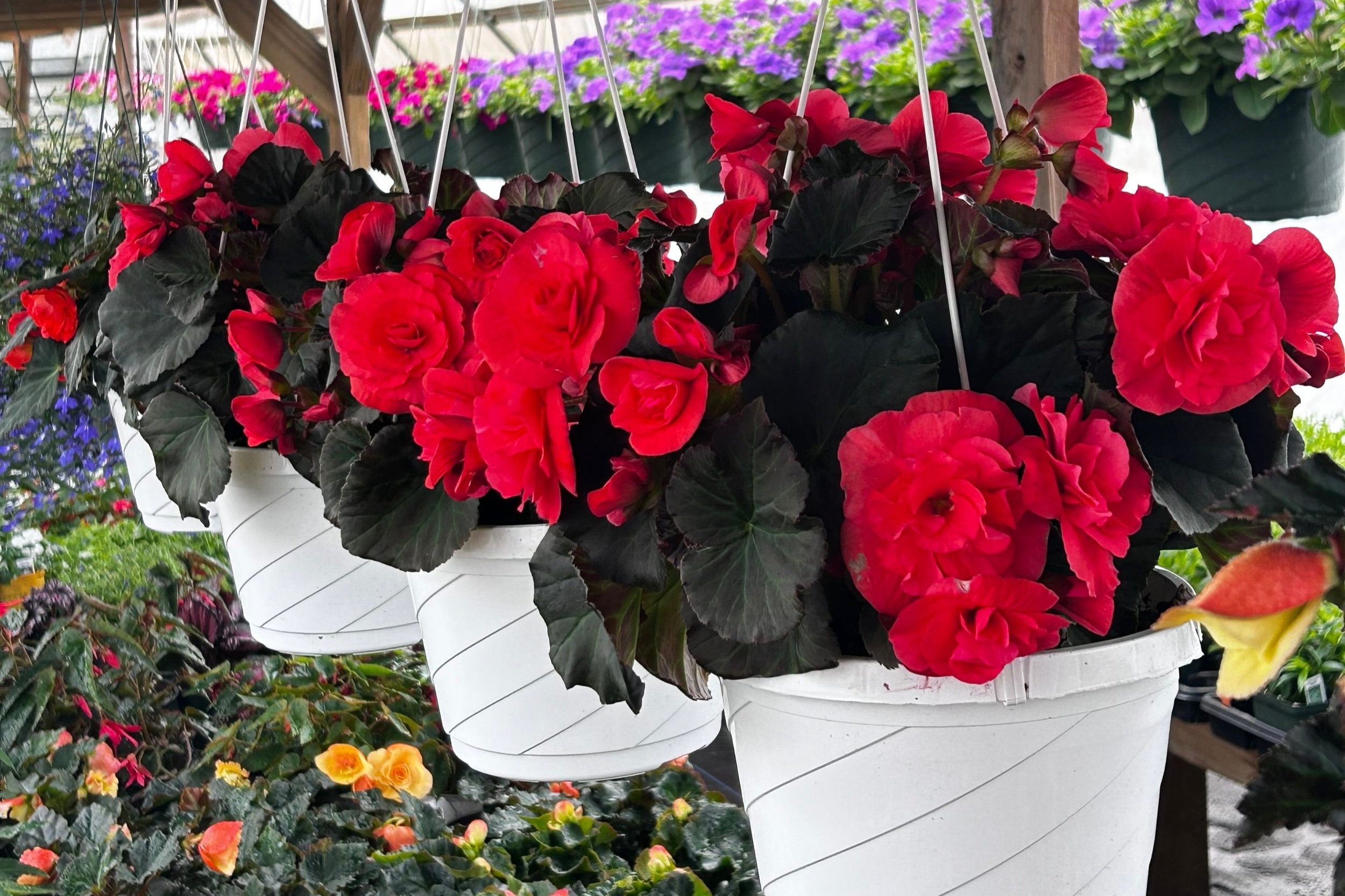
BEGONIAS

Solenia Dark Pink

Bossa Nova Orange

Encanto Pink

Miss Miami

*****

PETUNIAS

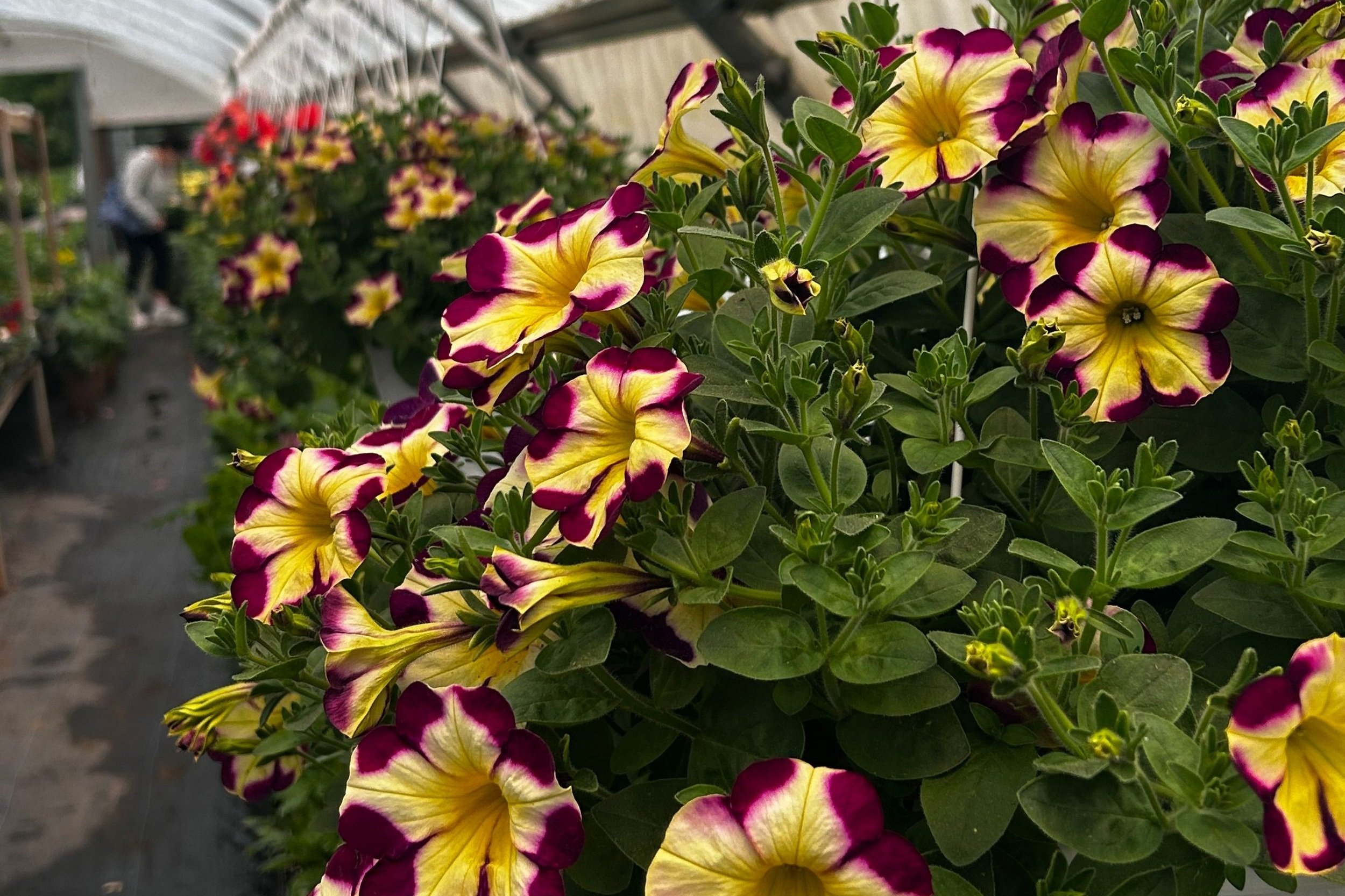
Headliner Banana Cherry

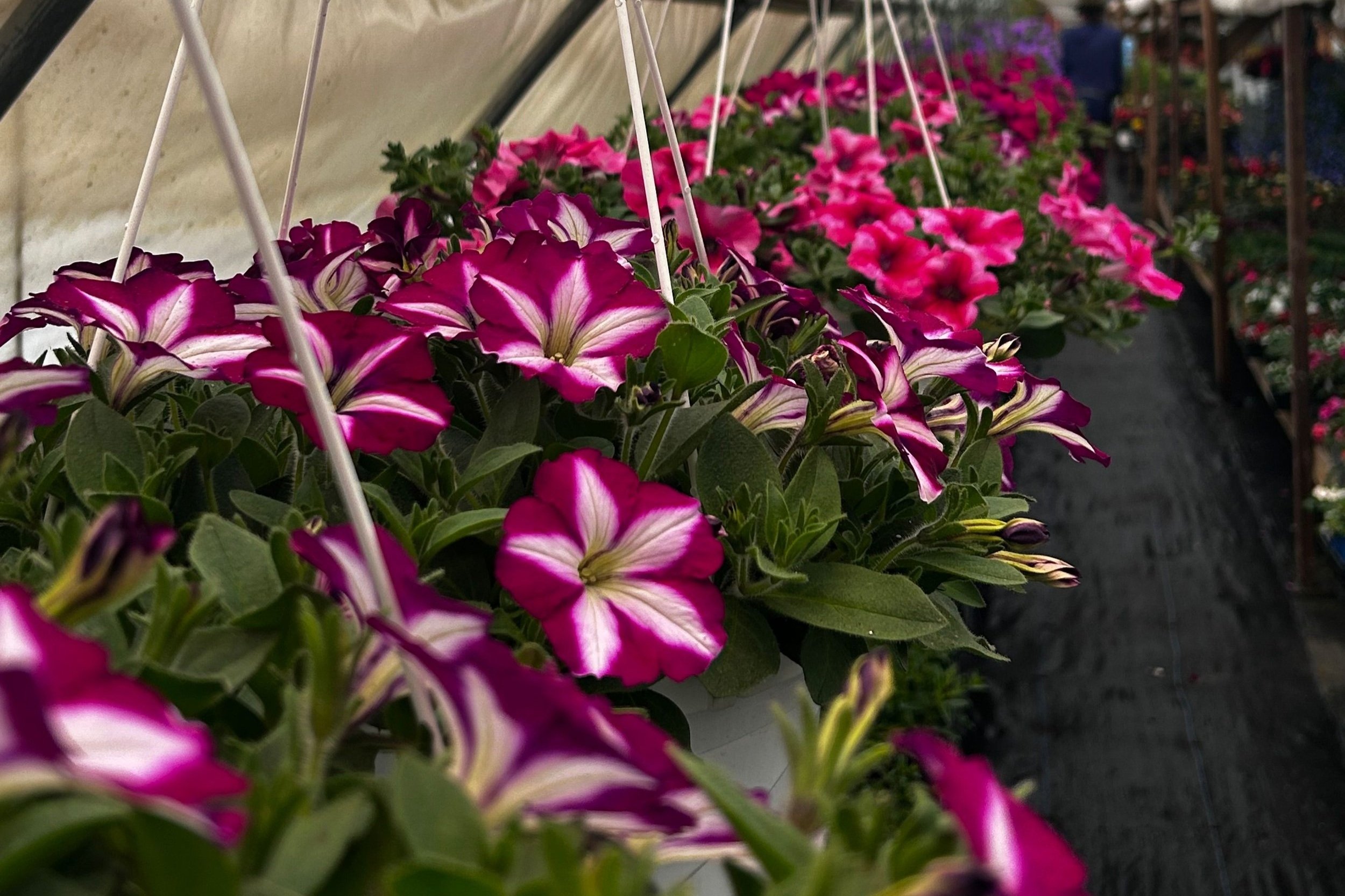
Headliner Raspberry Swirl

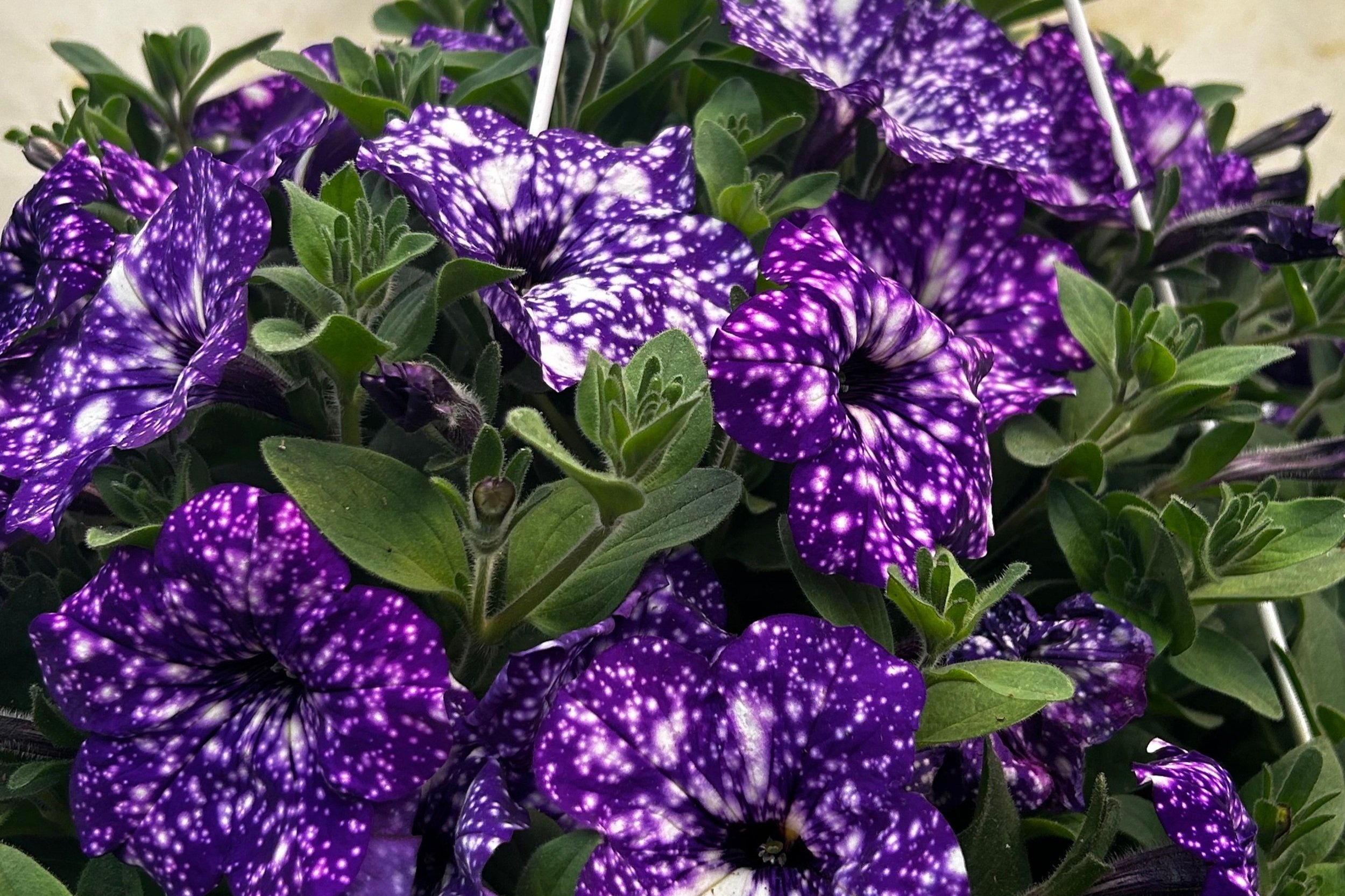
Headliner Night Sky

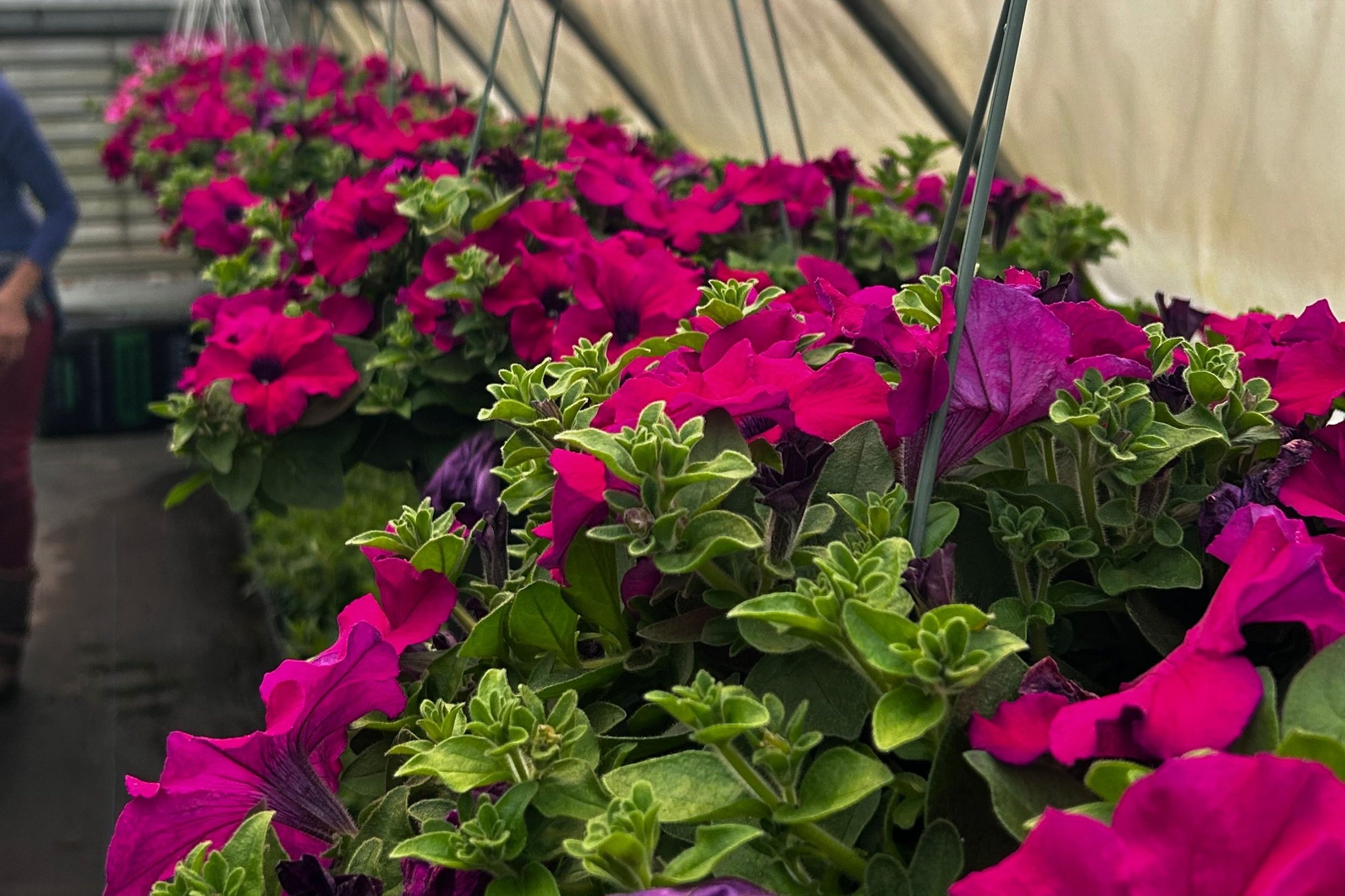
Surfinia Magenta 

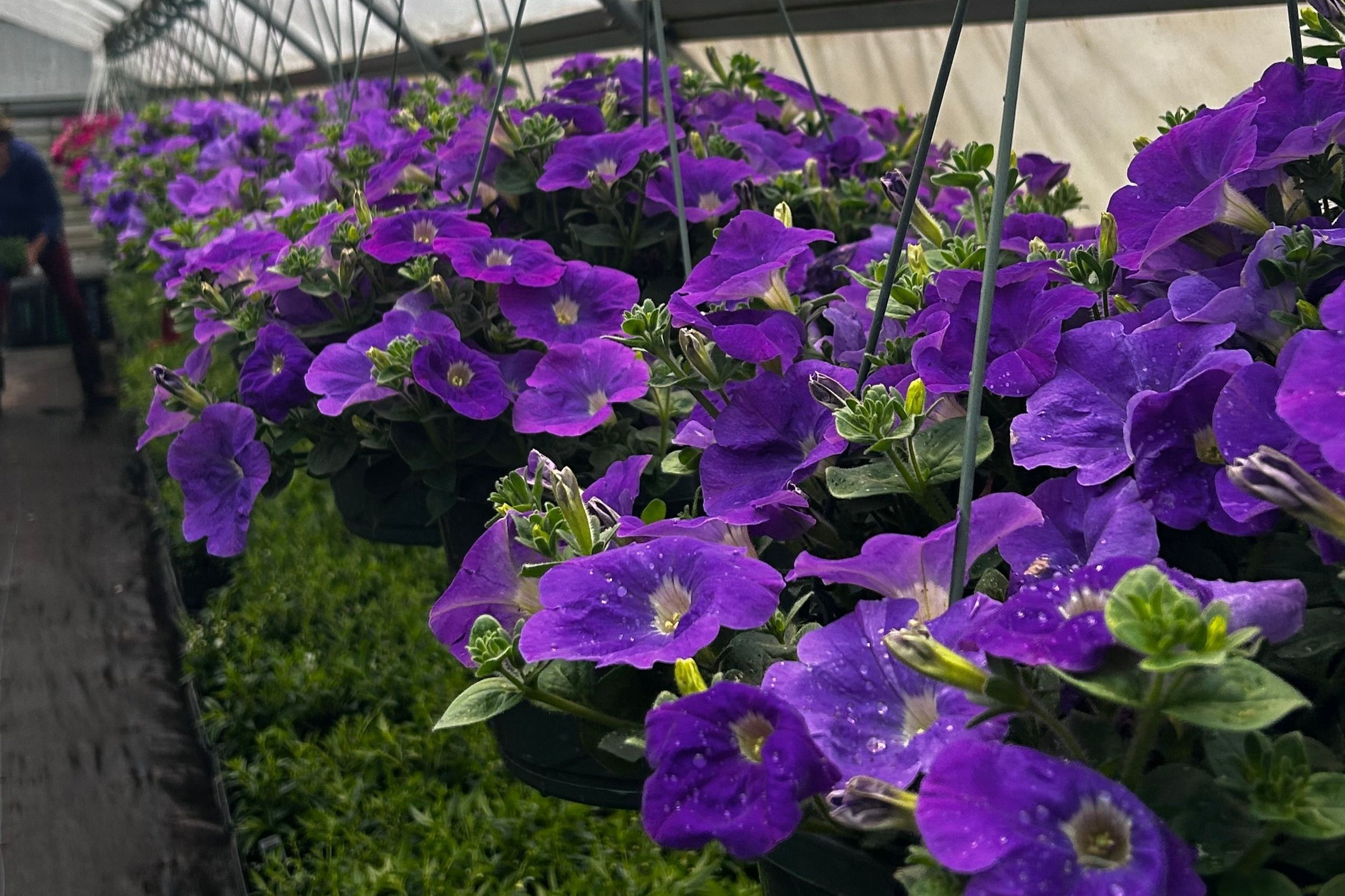
Surfinia Heavenly Blue

Heavenly Amethyst Burst

Patio Radiant Dark Blue

*****

LOBELIA

THUNBERGIA

Orange Wonder

*****

IMPATIENS

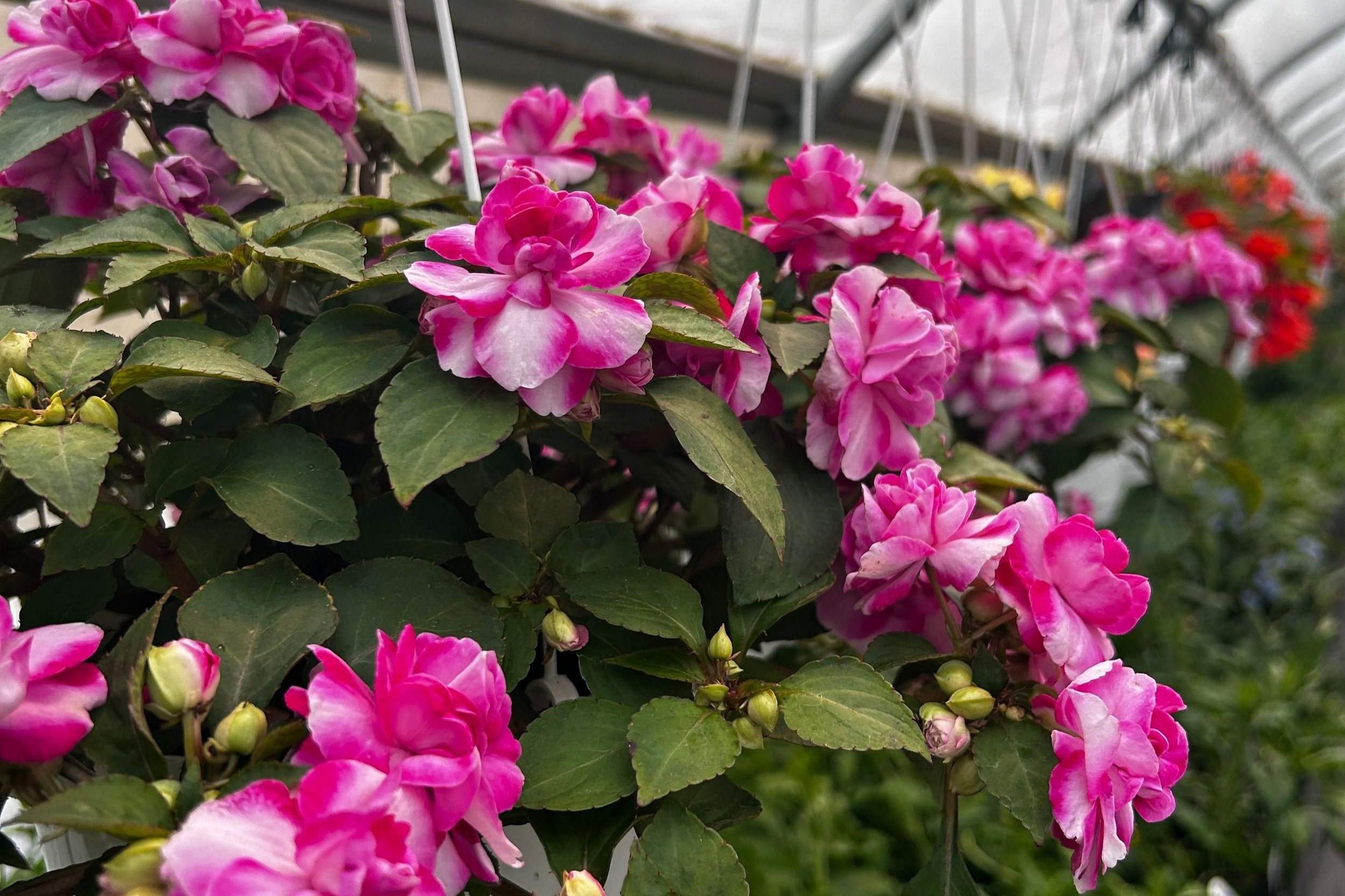
Double Sparkler Hot Pink

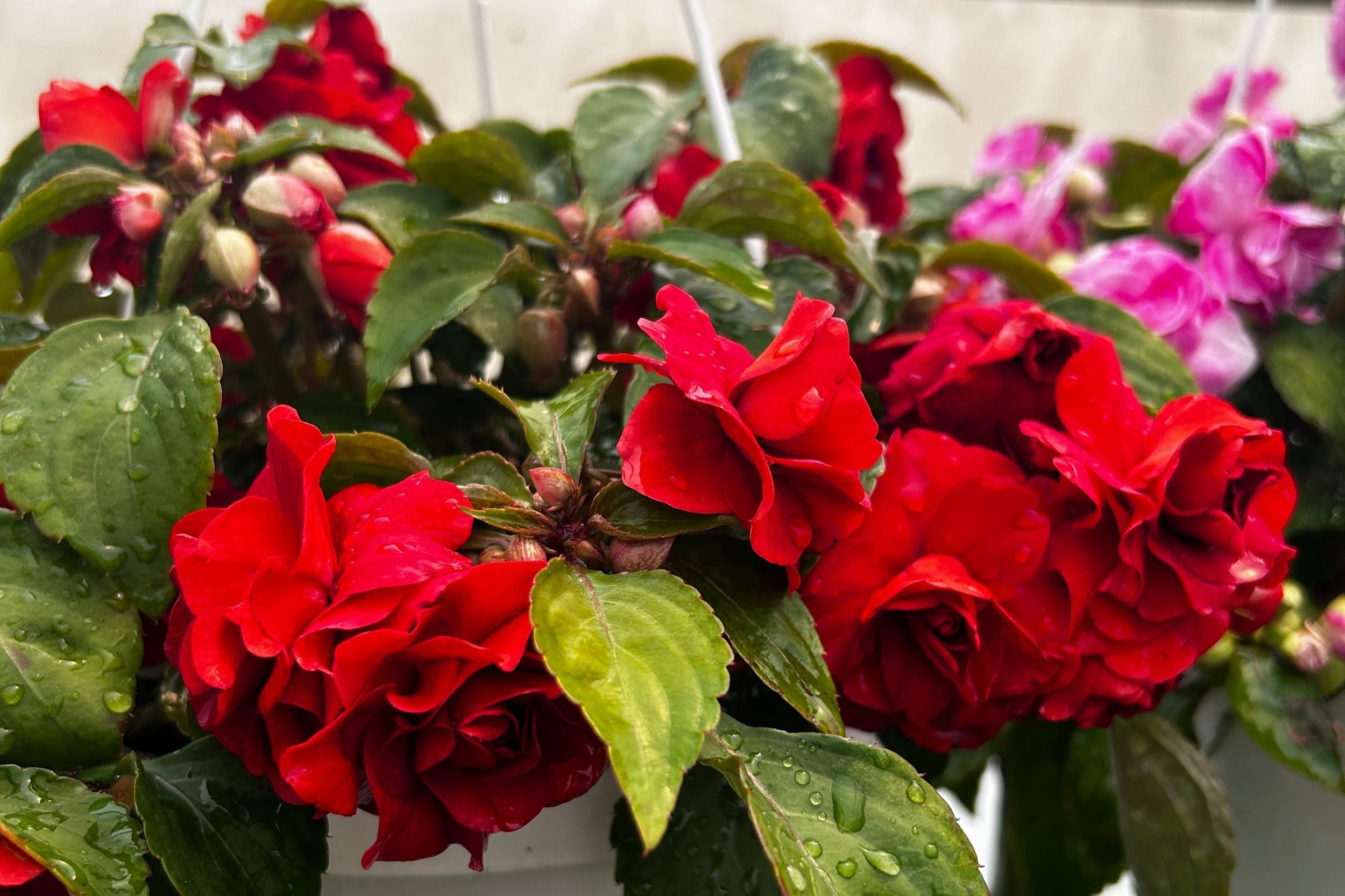
Dark Red

New Guinea Impatiens 

*****

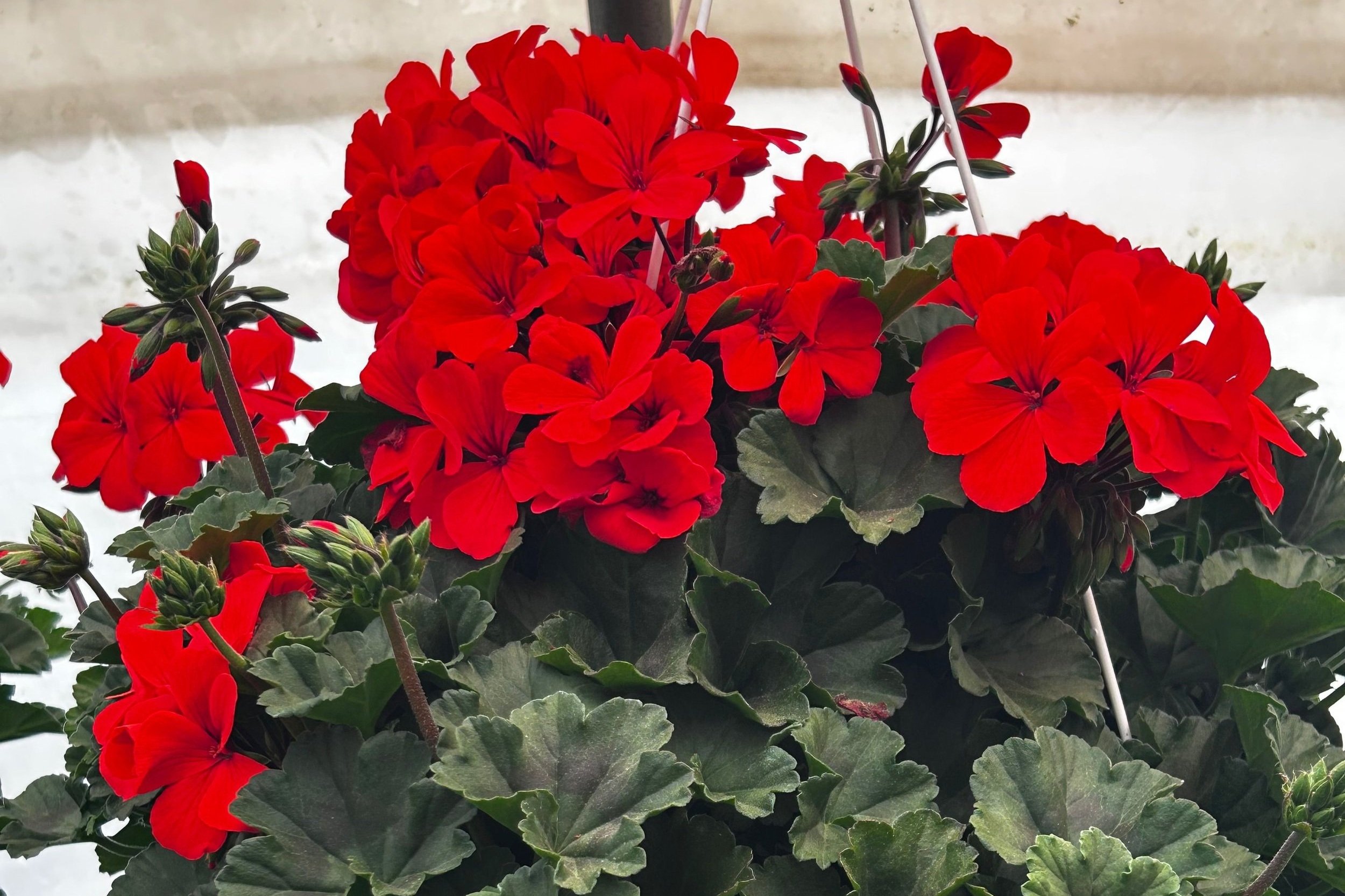
GERANIUMS

Great Balls of Fire Light

Caliente Orange 

*****

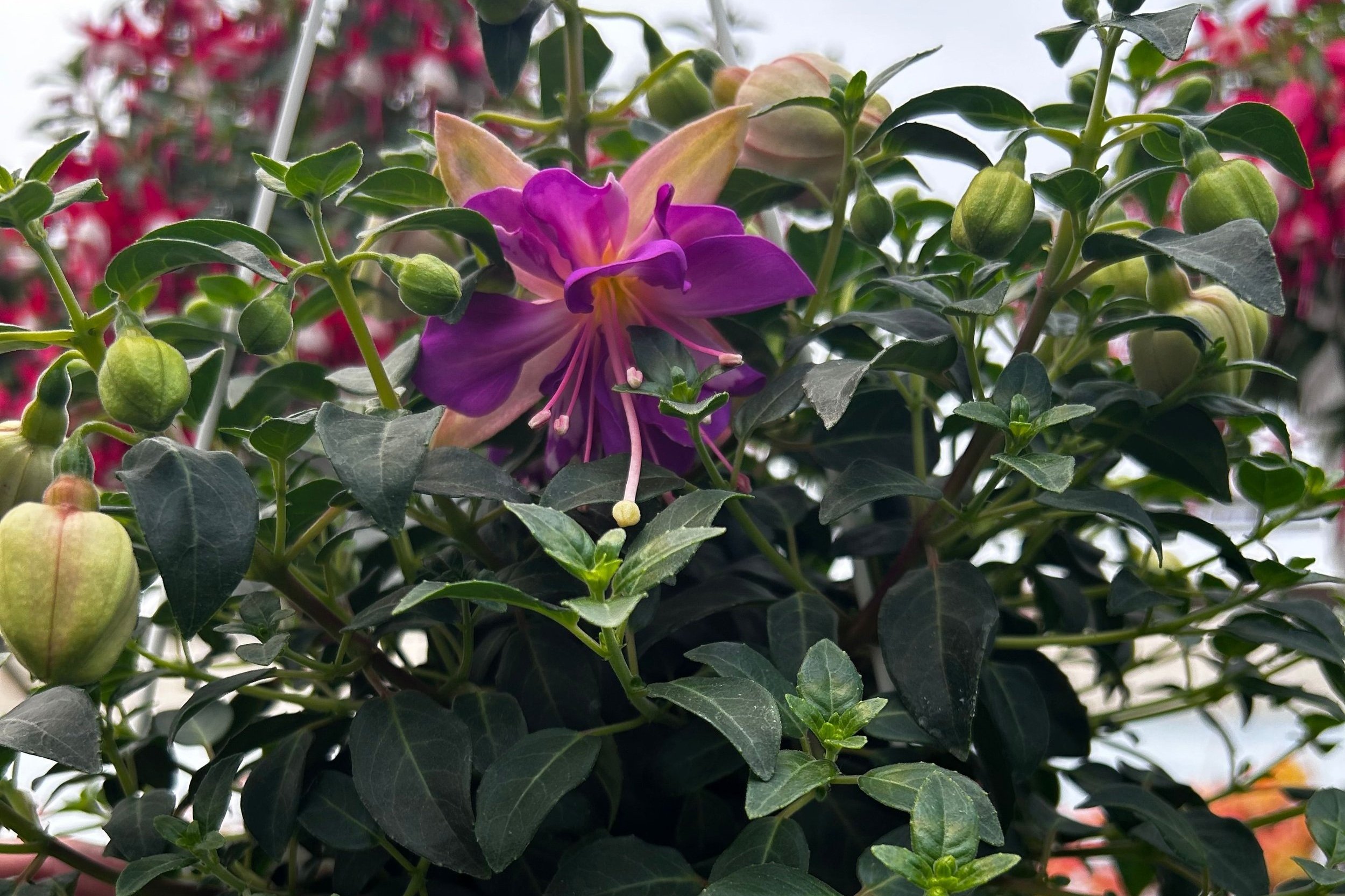
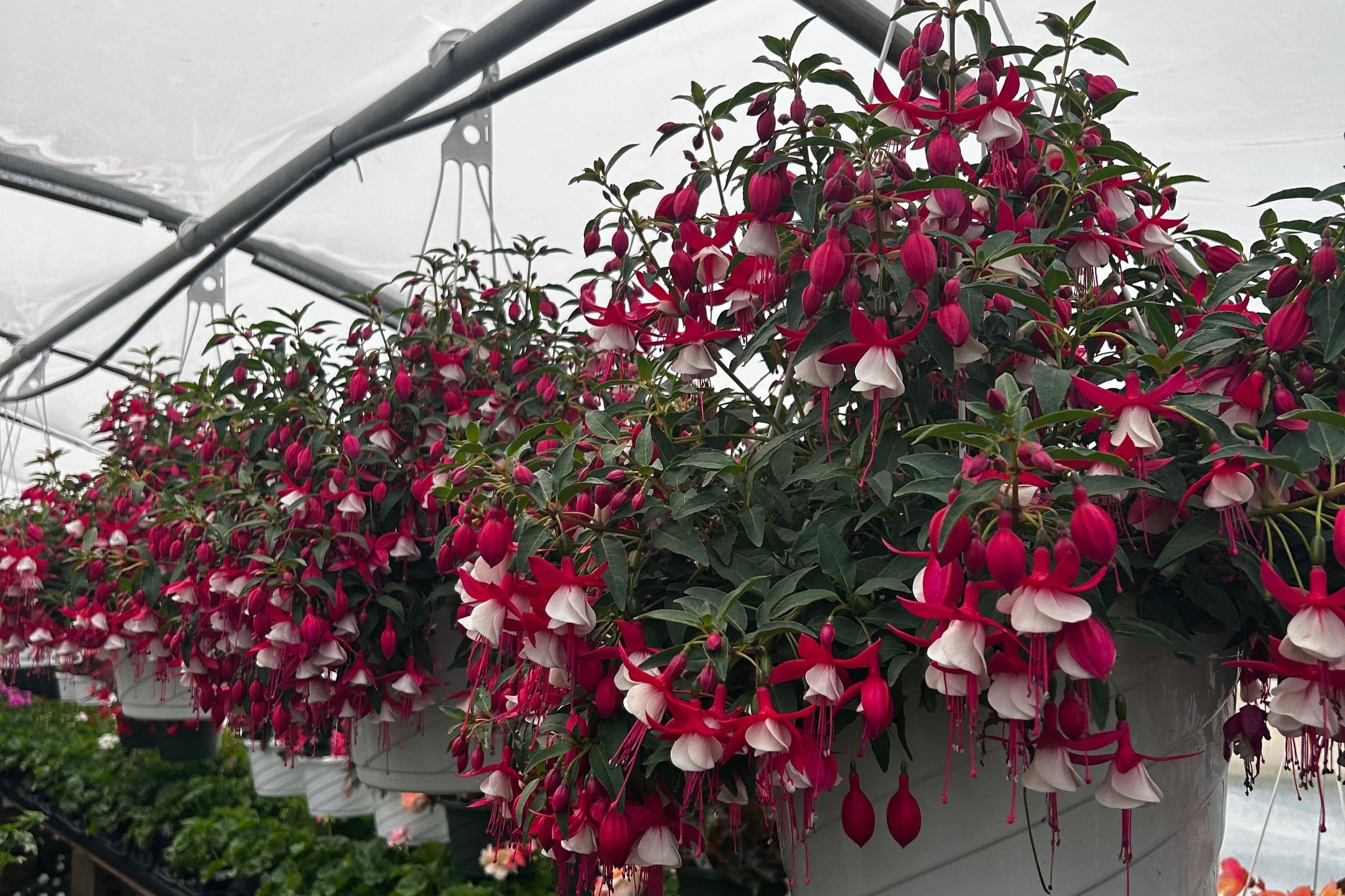
FUCHSIA

Wind Chimes Basket

Red/White

*****

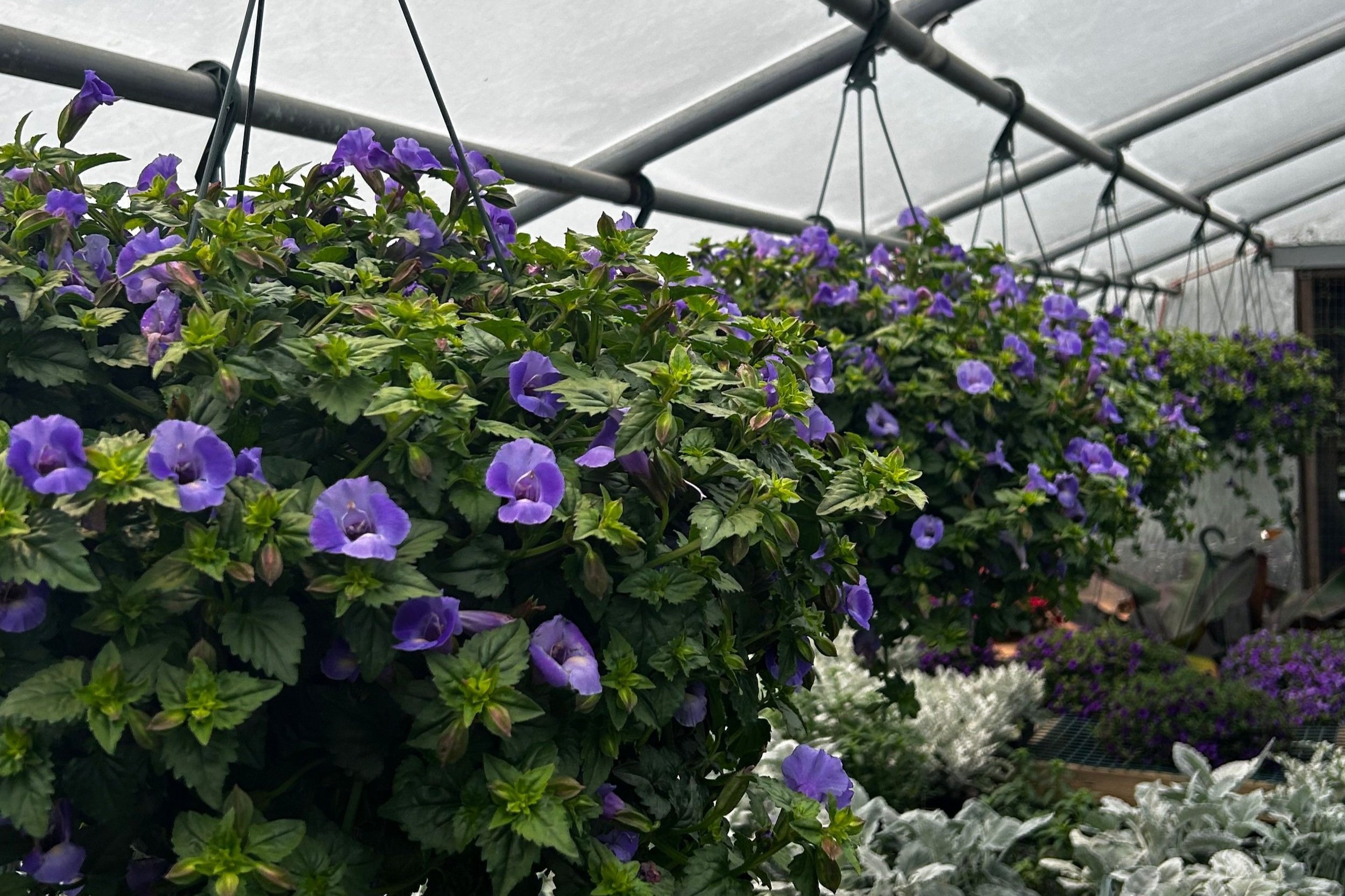
TORENIA

Summer Wave

*****

SCAEVOLA

Whirlwind Blue
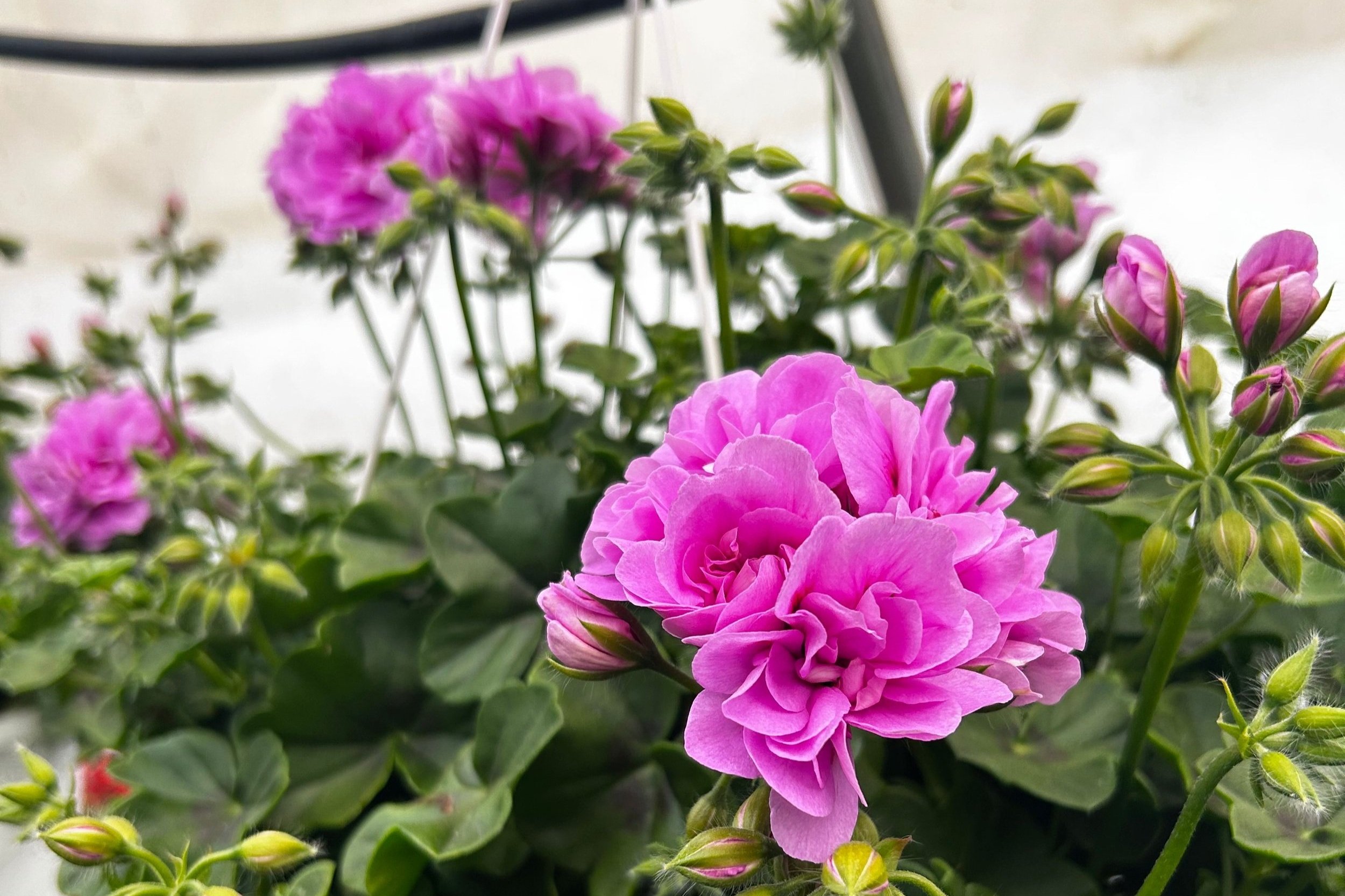
Geranium Great Balls of Fire Light Lavender
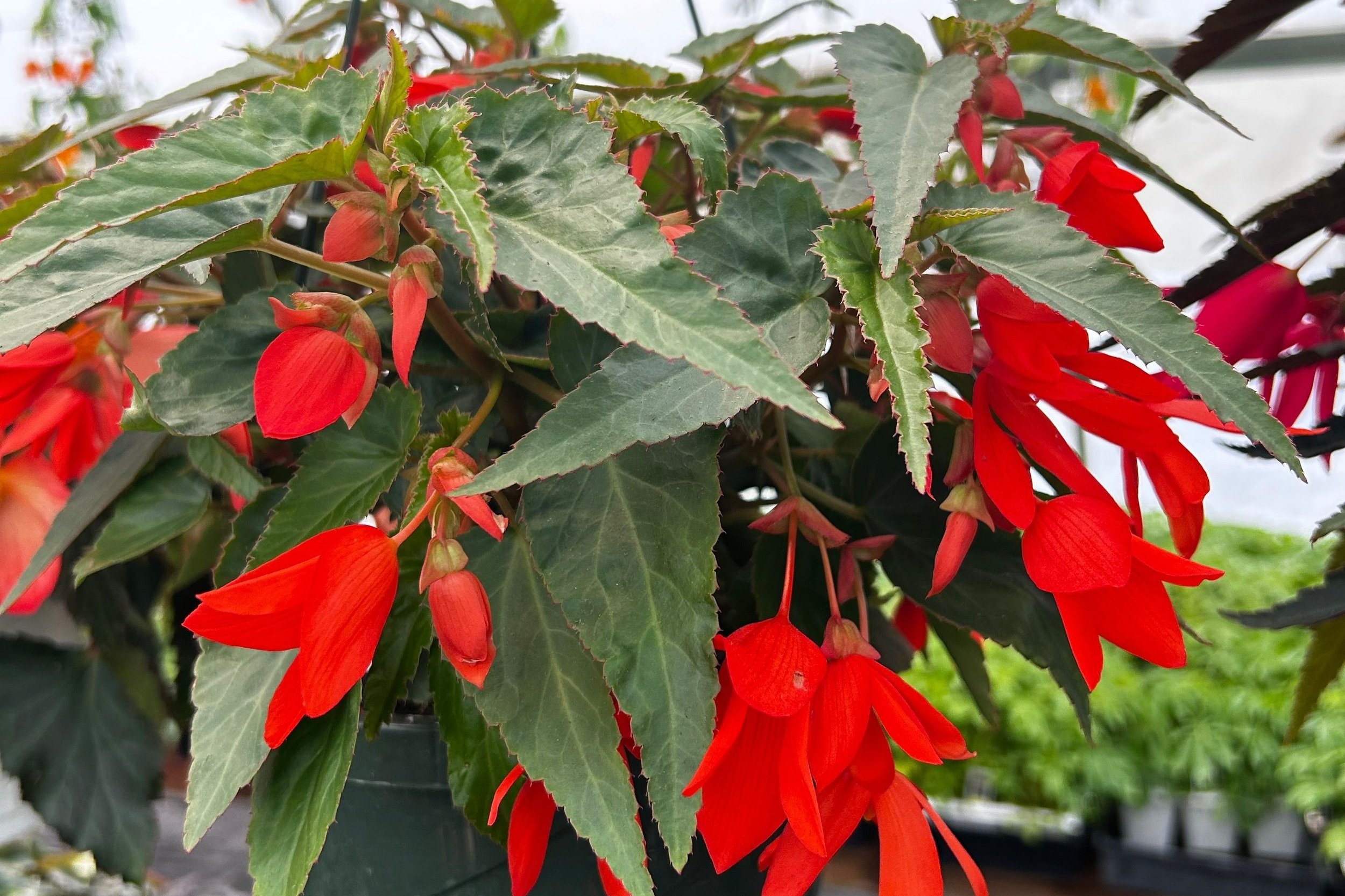
Begonia Bossa Nova Orange
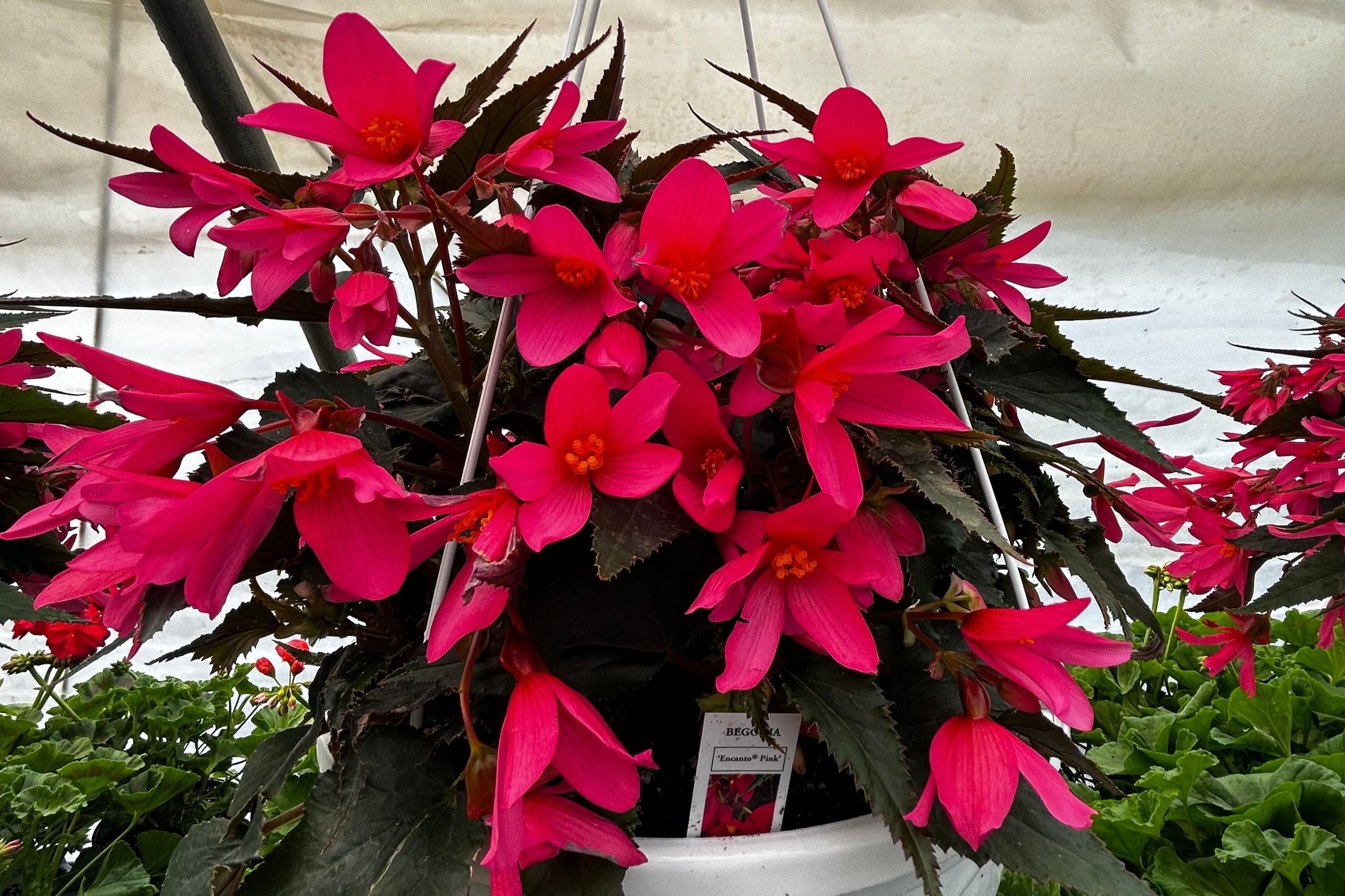
Begonia Encanto Pink
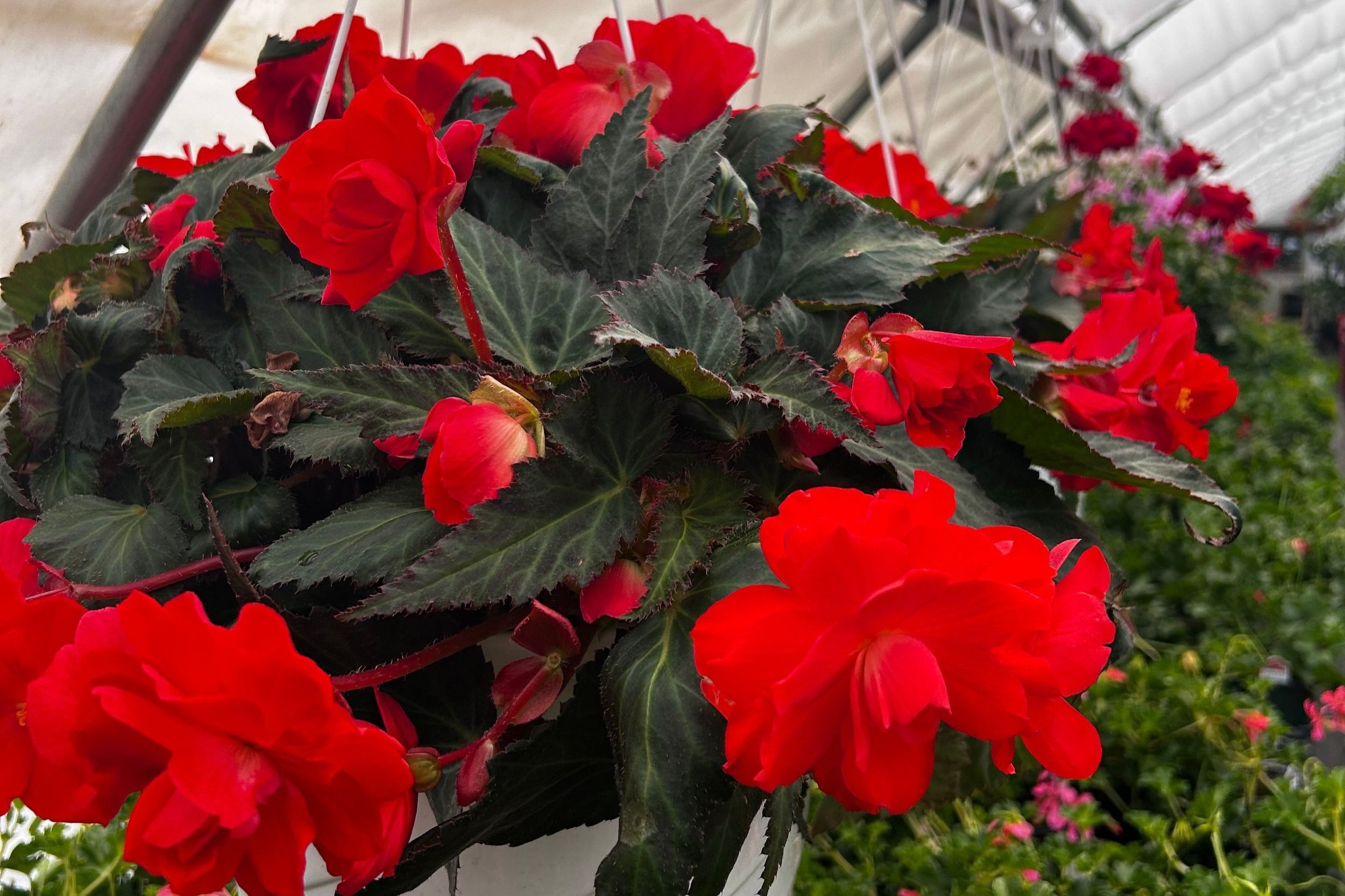
Begonia Miss Miami
Begonia Miss Miami
Begonia Solenia Dark Pink
Fuchsia Aretes Upright Rio Grande
Fuchsia
Fuchsia
Geranium Caliente Orange
Geranium
Geranium
Impatiens Double Sparkler Dark Red
Impatiens Double Sparkler Hot Pink
Ipomoea Chocolate (Morning Glory Chocolate)
Petunia Headliner Banana Cherry
Petunia Headliner Night Sky
Petunia Headliner Raspberry Swirl
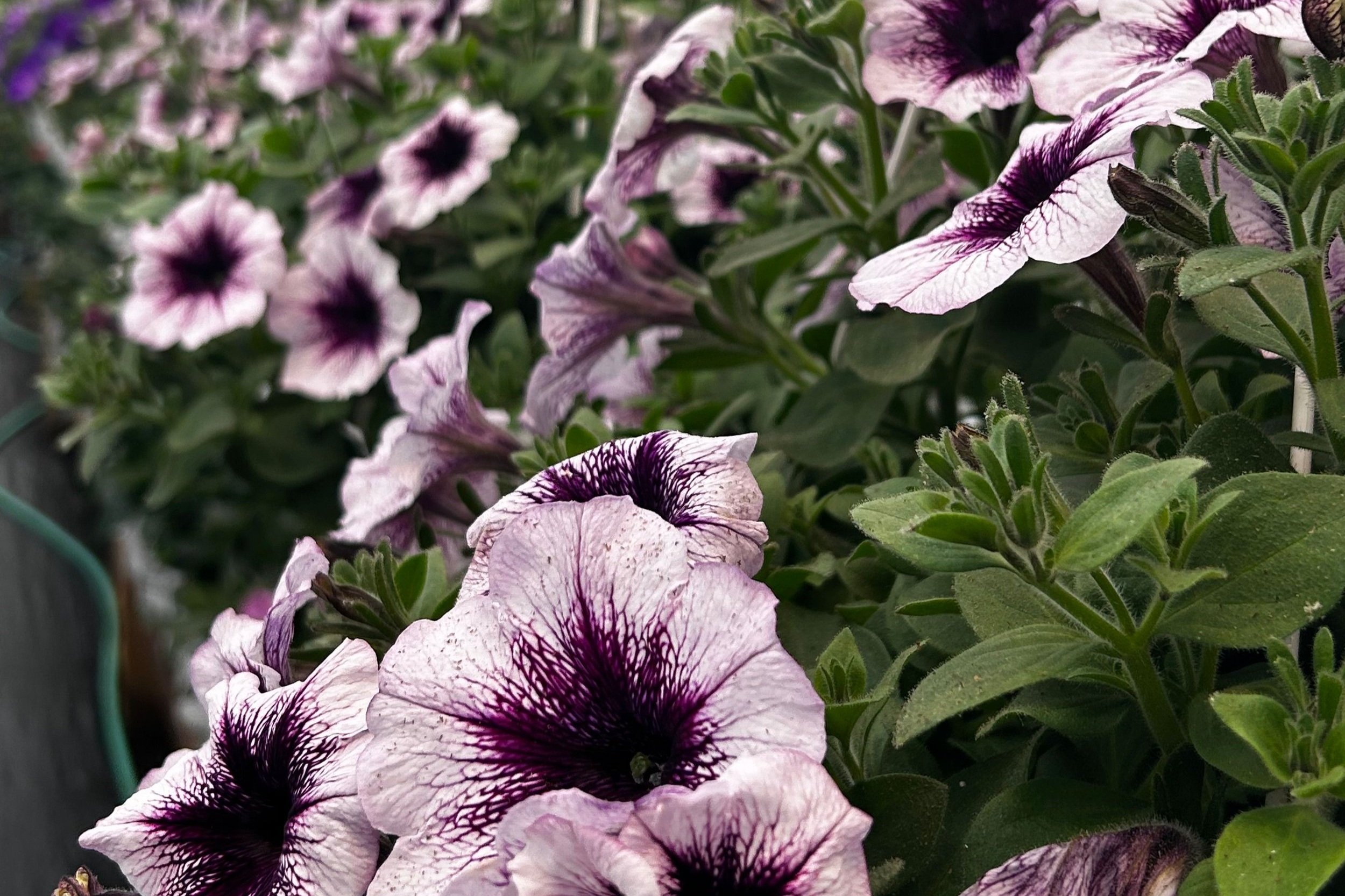
Petunia Heavenly Amethyst Burst
Petunia Surfinia Heavnely Blue
Petunia Surfinia Magenta
Torenia Summer Wave Large Blue
Geranium Great Balls of Fire Light Lavender Begonia Bossa Nova Orange Begonia Encanto Pink Begonia Miss Miami Begonia Solenia Dark Pink Fuchsia Aretes Upright Rio Grande Fuchsia Geranium Caliente Orange Geranium Impatiens Double Sparkler Dark Red Impatiens Double Sparkler Hot Pink Ipomoea Chocolate (Morning Glory Chocolate) Petunia Headliner Banana Cherry Petunia Headliner Night Sky Petunia Headliner Raspberry Swirl Petunia Heavenly Amethyst Burst Petunia Surfinia Heavnely Blue Petunia Surfinia Magenta Torenia Summer Wave Large Blue
CONTAINER PLANTING
JUNE GARDENING TIPS
In GARDEN TIPS, JUNE, ANNUALS, FIELD NOTES Tags june garden tips, annuals, container gardening, hanging baskets, summer blooms
Comment

NASTURTIUM

June 8, 2026 Karen Logan

Nasturtiums

The Ultimate Easy-to-Grow Annual

Nasturtiums are vibrant, fast-growing annuals that are perfect for beginners and a joyful project to grow with children. Not only do they reward you with an abundance of beautiful blooms, but the entire plant is edible, both the leaves and flowers add a delicious, peppery kick to summer salads! Their sweet fragrance also makes them a lovely, unexpected choice for small cut-flower arrangements.

Nasturtiums as a filler annual

**********

Choosing the Right Variety for Your Space

  • For Containers & Baskets: Choose compact, dwarf varieties that won't take over your patio. Excellent choices include 'Alaska Variegated', 'Empress of India', 'Cherry Rose Jewel', or the 'Fiesta Blend'.

  • For Vertical Gardens & Living Mulch: If you want a trailing ground cover, a natural weed barrier, or a climbing vine, look for trailing varieties with long runners like 'White Moonlight', 'Red Canary Creeper', 'Yellow Canarybird', or a robust Trailing Mix.

**********

PLANTING & PLACEMENT

  • Sowing Seeds: You can start seeds indoors 4 to 6 weeks before the last frost, or sow them directly into the garden in early spring. Plant seeds 1/2” deep and space them 10 to 12 inches apart. You will see sprouts emerge in just 7 to 10 days!

  • Sunlight: Select a spot in full sun. They can tolerate partial shade, but they won't bloom nearly as vibrantly.

  • Soil Secret: Nasturtiums actually prefer poor, lean soil and do not need fertilizer. Rich, fertile soil will trigger a massive flush of green leaves but very few flowers. Plant them in those tricky garden spots where other annuals struggle!

**********

SUMMER CARE

  • Water regularly throughout the season, but let the soil dry out slightly between waterings to avoid over-saturating them.

  • Deadhead faded flowers consistently to prolong the blooming season into autumn.

  • If you’re growing nasturtiums in containers, they may need to be trimmed back occasionally over the growing season to encourage fresh, bushy growth.

JUNE GARDEN TIPS
CONTAINER GARDENING
LEARN MORE ABOUT ANNUALS
In GARDEN TIPS, JUNE, PLANT PROFILES, VINES, ANNUALS Tags nasturtiums, annuals

JUNE GARDEN TIPS

June 1, 2026 Karen Logan

Achillea (Yarrow) & Purple Prairie Clover

JUNE

GARDEN TIPS

June is here, and gardening season is in full swing! With longer days, warmer temperatures, and flowers in full bloom, it's a wonderful time to be outside. Now is when you truly get to enjoy the fruits of your labor: gathering fresh-cut flowers, nibbling on garden veggies and berries, watching pollinators hard at work, and soaking in the rich, fragrant scents of summer.

VEGETABLE GARDENS
We’re still in the thick of planting season and it’s a great time to get your warm season crops in the ground! Now’s the moment for tomatoes, peppers, eggplant, beans, corn, and squash. You can also sow a second round of cool-weather favorites like lettuce, arugula, carrots, and beets.

Be sure to stake your vining plants to keep them tidy and productive. And don’t forget to mulch or top-dress around your veggies to suppress weeds and conserve moisture. Our current favorite is Leaf Mold, an amazing natural mulch that improves soil structure and retains water. Ask about it at the nursery!

PRUNING TIPS

  • Pinch back rhododendron buds now to encourage even more blooms next year.

  • Prune spring-flowering shrubs (like lilacs) right after they finish blooming.

  • Give boxwoods a light shaping once they flush out with new growth, just enough to keep that tidy form.

STAY AHEAD OF WEEDS
Weeds love June sunshine too, so stay on top of them early. A great trick? Fill in gaps with more plants! Dense plantings help crowd out weeds naturally and keep your garden looking lush.

TIME TO MULCH
If you haven’t freshened up your mulch yet, now’s the time. Leaf Mold makes an excellent natural mulch, or choose from our bagged Coast of Maine mulches, available at our nursery.

FEED YOUR PLANTS
Everything that’s in the ground can benefit from a mid-season meal. Use an organic, time-release fertilizer to feed gently and consistently over the coming months. We recommend Espoma fertilizers, they’re packed with micronutrients and break down slowly to nourish your plants sustainably. For a quicker boost, water in a liquid organic fertilizer, perfect for fast-acting support. Ask us about our favorite blends when you visit!

ANNUALS & CONTAINERS
It’s a perfect time to plant out annuals in your containers, window boxes, and garden beds. For the best blooms, deadhead regularly and keep them fed! Add a slow-release organic fertilizer when planting, then follow up with a weekly treat of quarter-strength liquid fertilizer to keep them thriving.

Need help picking the right products or plants?


Stop by the Garden Center, we’re happy to help you choose the best options for your space and soil.

********

Oenothers Siskiyou Pink

Phlox divaricata (woodland phlox) with Euphorbia polychromatic

Water

Water constantly! All newly planted or transplanted plants need deep watering 1 to 2 times a week, depending on rainfall and sun exposure.

For trees and woody shrubs, a good rule of thumb is:

  • Once a day during the first week to saturate the root zone

  • Once a week for the first year, unless we’ve had a soaking rain

July and August are especially critical months to stay on top of watering.

What’s a “deep water”? It depends on your watering method:

  • Holding a hose at full flow on a shrub may only take a few minutes

  • A sprinkler covering a large area should run for about an hour, as long as there’s no runoff

Morning is the best time to water. There is less evaporation, and plants can absorb the moisture before the heat of the day.
It’s a myth that watering during the heat of the day will cause leaf burn. If that were true, every rain shower followed by sun would scorch your plants!

A 1 to 3-inch layer of mulch slows evaporation, protects roots, and gradually breaks down to improve soil structure and moisture retention.

Need help with watering?


Vineyard Gardens offers everything from basic watering services to full irrigation installations. We even hand-water, especially for newly planted beds, trees, or shrubs. Let us know if you'd like an evaluation or quote, we’re happy to help.

Delphinium, Foxglove with Yarrow and Oenothers Siskiyou Pink

In GARDEN TIPS, JUNE, FIELD NOTES Tags fertilize, vegetable gardens, june garden tips, annuals, june gardens martha's vineyard
Comment

APRIL GARDENING TIPS

April 1, 2026 Karen Logan

Dogwood illustration by karen blackerby logan

APRIL

GARDENING TIPS

Kickstart Your Garden for the Season!

Spring has arrived, and with it comes the excitement of a new gardening season! April is the perfect time to prep your yard, nourish your soil, and start planting for a lush and vibrant summer. Whether you're a seasoned gardener or just starting, here are some essential tips to get your garden in top shape!

Viburnum burkwoodii photo by keith kurman

In the greenhouse photo by andrew wiley

Chiondoxa photo by karen blackerby logan

Garden Clean-Up

Before diving into planting, clear away the remnants of fall and winter; dead leaves, broken branches, and debris that can harbor pests and diseases. We have a variety of gardening tools at the nursery to make clean-up easier!

*****************

Soil Care

Healthy soil = healthy plants! Give your soil a boost by adding nutrient-rich compost and manure. We carry Coast of Maine compost and manure as well as Fafard products. Not sure what your soil needs? Use a soil testing kit (available at our nursery) to check its composition and adjust accordingly.

*****************

Spring Annuals

Brighten up your garden beds and containers with spring annuals! Pansies are now available, and Sweet Alyssum will be ready soon. Plus, we’re excited to introduce a new selection of fall-sown Hardy Annuals, grown from seed by Andrew Wiley. Look for poppies, bachelor buttons (Centaurea cyanus), Queen Anne’s Lace (Ammi majus Select White), and more! Want to learn how to extend your blooms? Check out our blog post on Hardy Annuals.

Hardy Annuals

*****************

Edibles: Time to Plant!

April is the season to plant cool-weather vegetables, small fruits, and fruit trees. Whether you’re dreaming of homegrown lettuce, berries, or apples, we have everything you need to get started.

  • COMPOSTING: Incorporate any green manure crops from fall plantings, along with compost or composted cow manure, by tilling them into the soil. A soil test for pH and nutrients will indicate whether lime or fertilizer is needed, which can be applied at the same time as these amendments and then tilled or dug in together. Compost options available at Vineyard Gardens.

  • PEAS & ONIONS can be planted now once the cold snap ends.

  • GARLIC: If you planted garlic last fall a side dress of fertilizer will get them growing again.

  • SEEDS: You can get a head start today by planting seeds of all the cool weather lovers like lettuce, broccoli, cauliflower, cabbage, kale, leeks, inside to be planted out in 3 or so weeks. Fedco and Botanical Interest seeds are available at Vineyard Gardens. We also have all the supplies to start your own seeds, including seed starting soil mixes, jiffy pots and legume inoculant for your peas.

    • Growing: Many seeds need light to germinate so it is best to plant them right on the surface. General planting depth rule is plant 2x the thickness of the seed. The tiny seeds go right on top of the soil. Keep slightly moist at all time until the germinate

Spring Edibles
Cool Weather Veggies

*****************

Trees & Shrubs

Now is an ideal time to plant trees and shrubs! The rain that normally comes in April helps with the watering. The cool weather promotes underground root growth. Adding them to your landscape provides beauty, shade, and long-term benefits for the ecosystem.

  • Shrubs that bloom on the new growth can be pruned in early spring. Examples would be the panicle hydrangeas and caryopteris or blue mist shrub.

  • It is especially important to fertilize newer plantings, trees and shrubs that were planted in the last year or two. Fertilizing now will allow the rain to dissolve the fertilizer and get it into the root zone for the push of spring growth.

Spring Shrubs

*****************

Pruning

Spring is the time to prune any diseased or dead wood from your trees and deciduous shrubs. This keeps them healthy and encourages strong new growth.

*****************

Lawn Edging

A crisp lawn edge isn’t just for looks it also keeps mulch, rocks, and soil neatly separated from your grass. We carry heavy-duty black plastic edging in 10-foot sections to help define your garden beds.

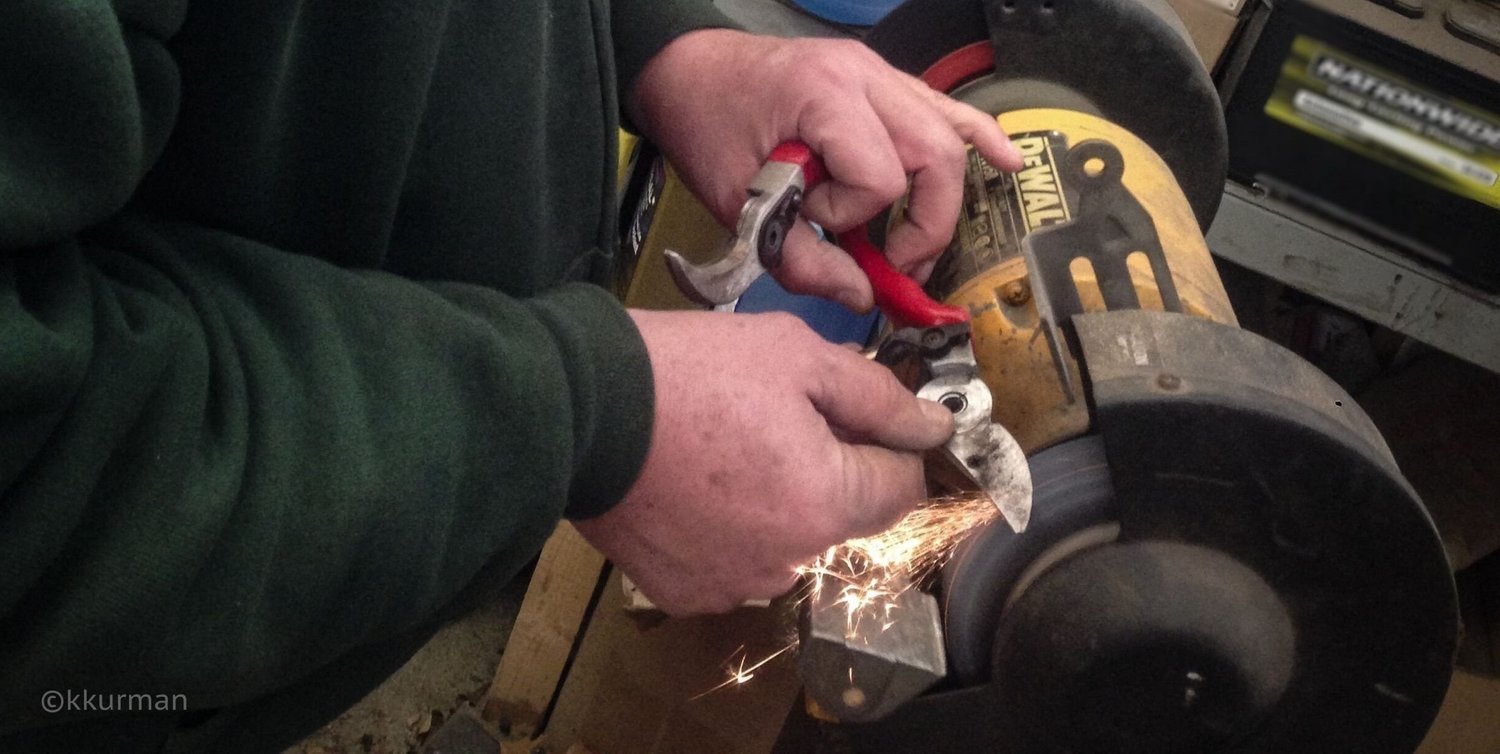
Winter and early spring are great times to clean and sharpen tools.

Tool Maintenance: Sharpen & Clean

Before tackling your garden projects, take a moment to clean, sharpen, and oil your tools. This makes your work easier and extends the life of your equipment.

Tool Care Essentials:

  • A good pair of gloves, bypass pruner, lopper, disinfectant spray, and anti-bacterial wipes will make a big difference.

  • Need help sharpening your pruners, loppers, hedge shears, or pruning saws? Bring them to Vineyard Gardens, and Jeremiah Brown will sharpen them for you! (Fee applies.)

  • Don’t forget your spades and shovels. Keeping them sharp ensures smoother digging.

  • Pro Tip: Store your tools in a 5-gallon bucket filled with sand and old motor oil to clean and prevent rust.

Lawn Care: April is Prime Time!

April is the best month to fertilize and reseed your lawn. Grass thrives in cool weather, making spring the perfect time for new growth.

Fertilization Basics:

  • Grass needs a balance of macronutrients (N-P-K: Nitrogen, Phosphorus, Potassium) and micronutrients.

  • We carry organic fertilizers that release nutrients slowly and inorganic options with higher N-P-K concentrations.

  • If you skipped liming your lawn in the fall, now is the time! Lime lowers soil acidity, but it takes months to take effect.

Weed Control & Seeding:

  • Apply pre-emergent weed control before Forsythia blooms.

  • Looking for an organic option? Try Corn Gluten, which prevents weed seeds from sprouting while adding nutrients.

  • For best results when seeding, add a layer of rich soil under the seed and keep it moist.

**Important Fertilization Law on Martha’s Vineyard**

Reminder: Fertilizers cannot be applied until April 15. This law helps protect local water sources by ensuring nutrients go into the growing grass instead of leaching into the groundwater.

Lawn Management

April is a month full of gardening possibilities; clean up, plant, and prep for a beautiful season ahead. Stop by the nursery for all your gardening needs, and let’s grow something amazing together!

**************************

[Plant Profile] Hellebores
Learn About : Hardy Annual Cut Flowers
In GARDEN TIPS, APRIL, FIELD NOTES Tags april gardening tips, cool weather crops, lawn care, seedlings, spring pruning, annuals
Comment

[PLANT PROFILE] GERBER DAISIES

June 12, 2023 Karen Logan

Gerber Daisies

GERBER DAISIES

Vividly colored Gerber Daisies are best planted in spring after all chances of frost have passed. In our zone, they are considered annuals. They bloom beautifully throughout the summer and die off in winter.

Varieties

_______

* Patio Series:

Tall larger flower

Available in two colors.

* Jaguar Series:

Short & ornamental

GROWING TIPS

____________

* Bred for the outdoors

* Flourish all summer

* Best grown in 7” pots or

larger

* Large bloom size 4”-5”

* Height 15-18” with

flowers

Gerber Daisy, Jaguar Series

Gerber Daisy, Jaguar Series

Gerber Daisy, Jaguar Series

unleash the wild on your yard

doug tallamy

Perennials

summer blooming perennials

In JUNE, ANNUALS, PLANT PROFILES Tags summer blooms, annuals, gerber daisies
Comment

484 State Rd. West Tisbury, MA 02575

Mon - Sat : 8am - 5pm / Sun : 9am-3pm

(508) 693.8512