

SHADE GARDENS:
DESIGNING WITH DECIDUOUS TREES & SHRUBS
Shady landscapes offer the opportunity to create a lush, low-maintenance woodland oasis steeped in a quiet, magical charm. They are inherently easy to care for, requiring significantly less weeding and watering than hot, sunny beds. They also support a host of wildlife, from woodland birds and pollinating insects to small, beneficial animals. By focusing on a diverse mix of blossoms, varied leaf shapes, vivid colors, and unique bark or branching patterns, you can build a space that is interesting year-round.
Sorbaria sorbifolia (Tree Astilbe )
Deciduous Azalea
Clethra alnifolia
THE MAGIC OF THE DECIDUOUS CANOPY
One major advantage of planting under deciduous trees (trees that drop their leaves in winter) is the light dynamic. Plants growing beneath a deciduous canopy receive both direct and indirect sunlight. In the early spring, before the trees leaf-out, plants receive an abundance of direct sunlight unlike plants tucked away on north-facing slopes or under dense evergreen trees.
Beyond aesthetics, planting trees provides massive environmental benefits:
Temperature Control: Trees drastically reduce surface temperatures by shading the understory.
Climate & Soil Health: They remove carbon dioxide from the air, capture rainwater, and help it absorb deeply into the soil.
To make the most of this environment, your design should mimic a natural forest by creating layers of vegetation. Introducing mid-sized understory trees and large shrubs bridges the gap between the tall canopy and the ground. These layers provide vital nesting habitat for birds and pollinators, making the landscape visually striking and alive with life.
To truly mimic a forest ecosystem, feed your soil from the top down. Start by adding plenty of organic matter like compost, leaf mold, or well-aged natural hardwood bark. In the fall leave the leaves! This natural leaf litter decomposes to improve soil structure, locks in moisture, and provides crucial overwintering habitat for local pollinators and beneficial insects.
*****************
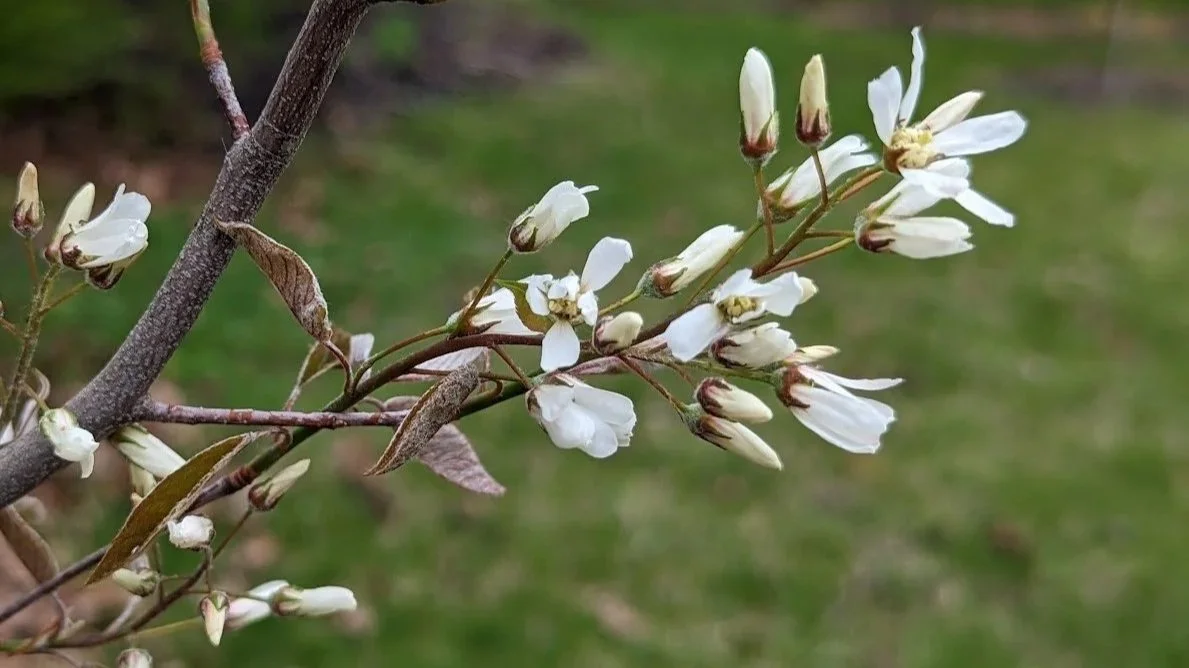
Amelanchier canadensis (Serviceberry)
DECIDUOUS TREES & SHRUBS FOR SHADE
Choosing the right plants means balancing beauty with resilience, especially if local deer like to browse in your yard. Here are some examples of wonderful deciduous trees and shrubs that thrive in the shade that we carry at Vineyard Gardens.
Shrubs & Small Trees
Amelanchier canadensis (Serviceberry): A gorgeous native small tree that offers delicate white spring blooms, delicious berries, and stunning fall color. Seldom severely damaged by deer.
Aesculus parviflora (Bottlebrush Buckeye): A wide-spreading plant perfect for transitional woodlands or under a canopy of taller oaks. It produces massive, fluffy white flower spikes in midsummer. Rarely damaged by deer.
Mix Bottlebrush Buckeye with other woodland lovers like Viburnum opulus, Aronia x prunifolia (Chokeberry), and Ilex verticillata ‘Winter Red’ (Winterberry) for a multi-season display.
Deciduous Azaleas: Deer are far less likely to eat these native deciduous varieties, which offer beautiful, often fragrant spring flowers.
Rhus aromatica 'Gro Low' (Fragrant Sumac): A tough, low-growing groundcover shrub with spectacular orange-to-red fall foliage. Rarely damaged by deer.
Sorbaria sorbifolia (Tree Astilbe): Features feathery, fern-like leaves and large plumes of white flowers. It spreads vigorously to fill tough spaces. Rarely damaged by deer.
SEM': Compact, colorful, and controlled growth habit.
Clethra alnifolia (Summersweet / Sweet Pepperbush): Native Clethra have excellent shade tolerance, sweet summer fragrance, and intense yellow fall color. Rarely damaged by deer.
'Vanilla Spice': Features extra-large, pure white flower spikes that are heavily fragrant.
'Hummingbird': A compact, low-growing selection that forms a lush mound.
'Ruby Spice': A favorite that has rose-pink flowers throughout the summer.
Clethra
Hydrangeas: Hydrangeas are great shade garden shrubs, though they can be browsed by deer.
Hydrangea arborescens (Smooth Hydrangea): The native species featuring large, white flower heads. Moderately deer resistant.
Hydrangea macrophylla (Bigleaf Hydrangea): The classic blue or pink mophead and lacecap varieties. Occasionally severely damaged by deer.
Hydrangea petiolaris (Climbing Hydrangea): A magnificent wood-vined climber with lacecap flowers and rich, peeling winter bark. Occasionally severely damaged by deer.
Hydrangea quercifolia (Oakleaf Hydrangea): A native beauty with deeply lobed, oak-like leaves, massive white flower panicles, and mahogany-red fall color. Occasionally severely damaged by deer.
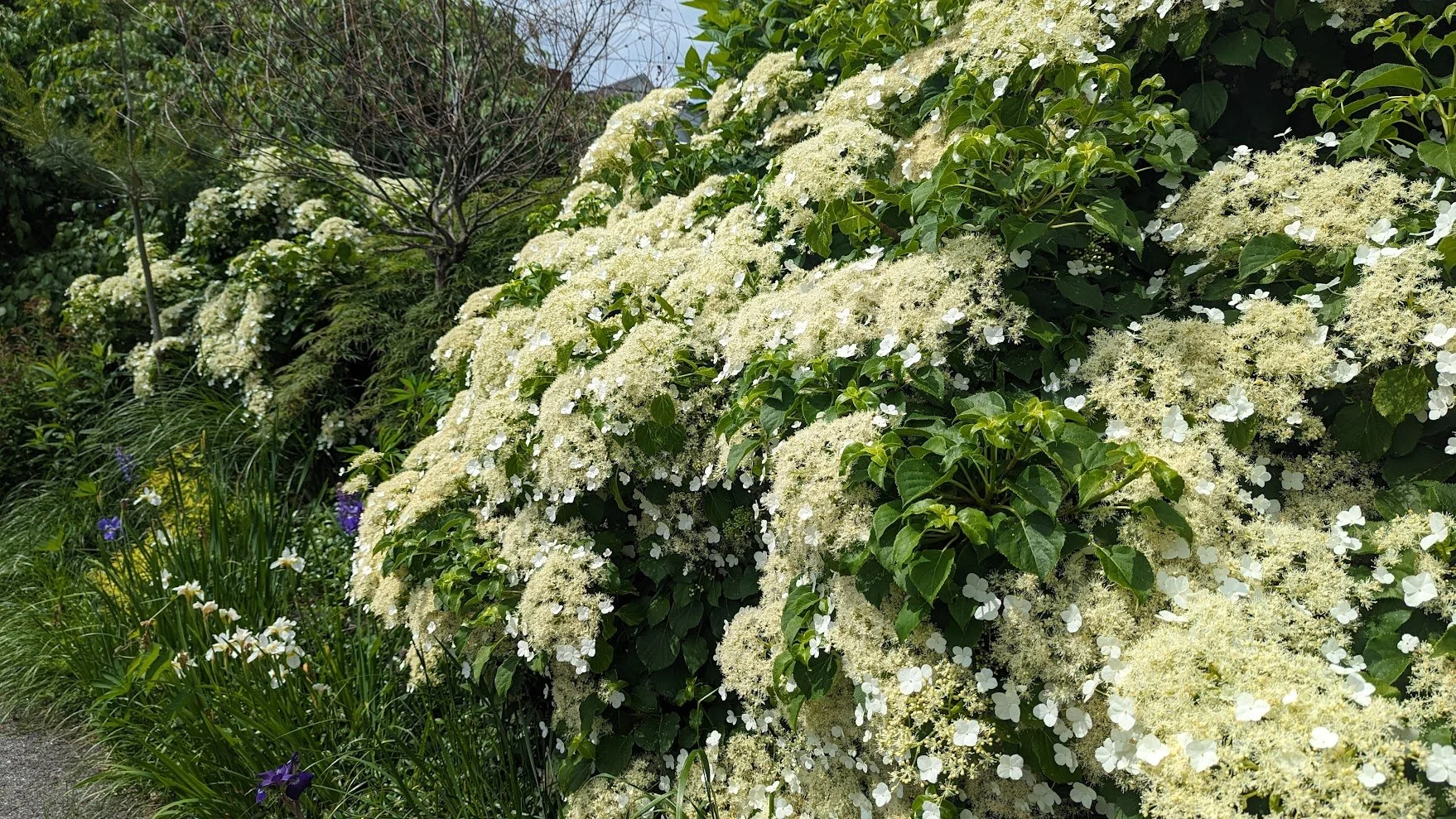
Climbing Hydrangea
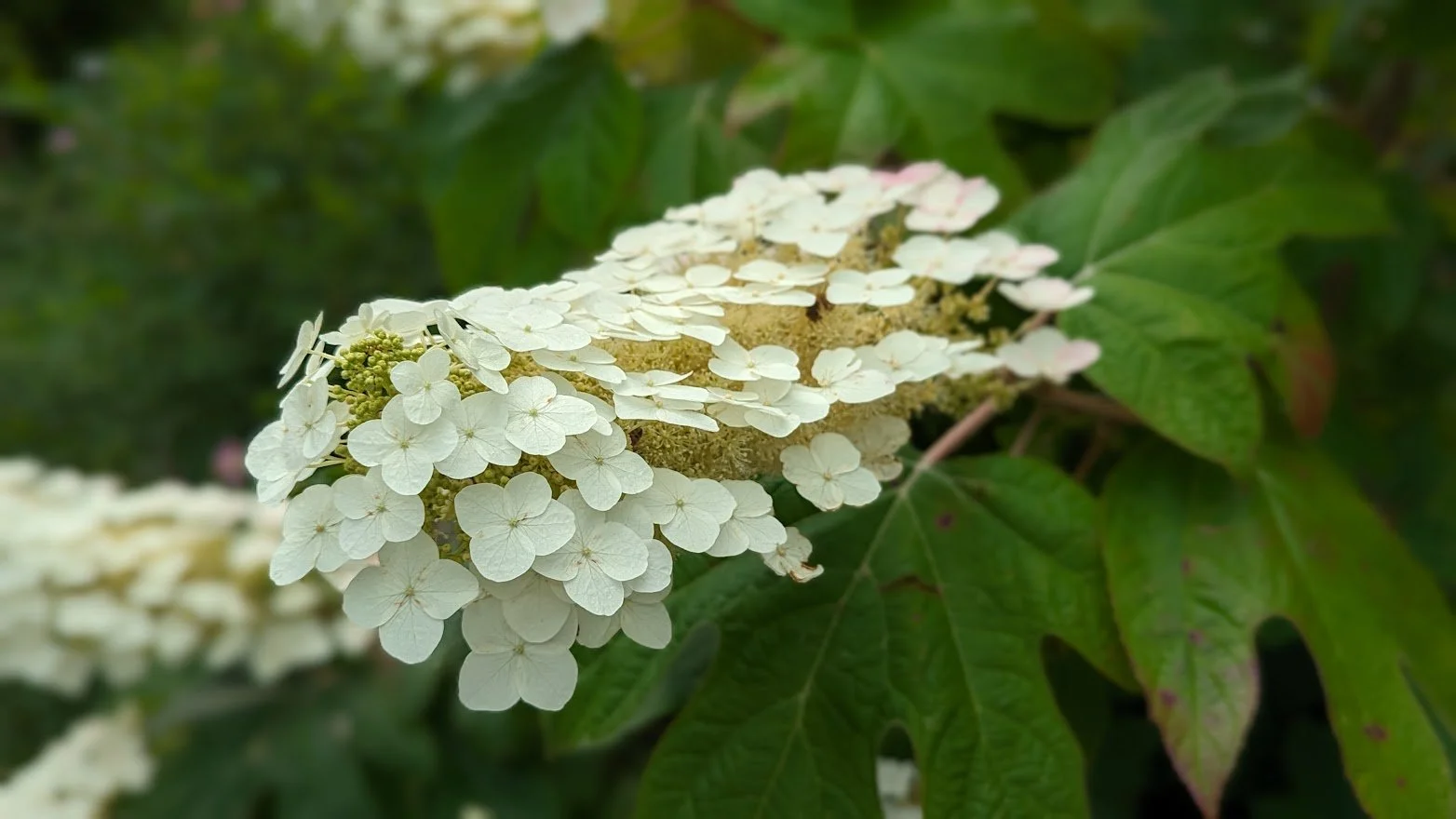
Okaleaf Hydrangea
Fothergilla (Witch Alder): A great choice for multi-season interest, with honey-scented, bottle-brush spring flowers and some of the best orange autumn foliage. Highly deer resistant.
'Mt. Airy': An upright cultivar known for its reliable fall color and abundant blooms.
Fothergilla gardenii (Dwarf Fothergilla): A compact, slow-growing species perfect for smaller garden beds.
Fothergilla Mount ‘Mt Airy’
Fothergilla
Spirea: While traditionally grown in full sun, these specific cultivars tolerate partial shade remarkably well and bring reliable color to the understory. Seldom severely damaged by deer.
'Anthony Waterer': Features deep rose-pink flower clusters and attractive reddish new spring growth.
'Snowmound': An arching shrub smothered in a blanket of pristine white spring blossoms.
Viburnum plicatum
Viburnum: Viburnums are the backbone of the woodland garden, offering beautiful tiered branching habits, lacecap or snowball blooms, and berries for local birds.
Viburnum dentatum (Arrowwood): Exceptionally tough native species with white spring clusters followed by blue-black fall berries. Rarely damaged by deer.
Viburnum dentatum 'Blue Muffin': A compact cultivar prized for its intensely vibrant, electric-blue fall berries. Rarely damaged by deer.
Viburnum dentatum 'Sparkler': Features deeply veined, glossy foliage and a robust, dense upright habit. Rarely damaged by deer.
Viburnum plicatum 'Mariesii': A Doublefile Viburnum with distinctive horizontal, tiered branches that mimic layers of snow when blooming.
Viburnum plicatum 'Popcorn': Perfectly round, popcorn-like white flower clusters; excellent heat and drought tolerance once established.
Viburnum carlesii 'Spice Baby': A compact Korean Spice Viburnum known for its intensely fragrant, spicy-sweet pink-to-white spring blooms.
Spirea Snowmound
Viburnum dentatum 'Blue Muffin'
*****************
By layering these incredible deciduous plants and prioritizing soil health your shade garden will transform into a rich, low-maintenance sanctuary for both you and local wildlife.