• Home
  • ABOUT
    • PROJECTS
    • SPRING CHECKLIST 2026
    • Landscape Teams
    • LANDSCAPE DESIGN
    • LANDSCAPE CONSTRUCTION
    • LANDSCAPE MAINTENANCE
    • Nursery
    • BULK MATERIAL
    • PLANT PROFILES
  • Application
  • EVENTS
  • FIELD NOTES
  • TESTIMONIALS
  • Contact
Menu

Vineyard Gardens

484 State Road
West Tisbury, MA, 02575
508.693.8512
Landscaping & Garden Center

Your Custom Text Here

Vineyard Gardens

  • Home
  • ABOUT
  • LANDSCAPING
    • PROJECTS
    • SPRING CHECKLIST 2026
    • Landscape Teams
    • LANDSCAPE DESIGN
    • LANDSCAPE CONSTRUCTION
    • LANDSCAPE MAINTENANCE
  • NURSERY
    • Nursery
    • BULK MATERIAL
    • PLANT PROFILES
  • Application
  • EVENTS
  • FIELD NOTES
  • TESTIMONIALS
  • Contact

[PLANT PROFILE] LILIES

August 2, 2023 Karen Logan

Lily illustration by karen blackerby logan

LILIES 30% OFF!

Lilies are colorful, star-shaped flowers that add elegance and fragrance to any garden. They come in an endless range of colors, shapes, heights and bloom times. When blending the right varieties together you can enjoy lilies throughout the entire growing season, from spring to first frost. Popular lily species, include Daylilies, Orientals & Asiatics.

_____________________________________

Daylily

LILIES

*************************************

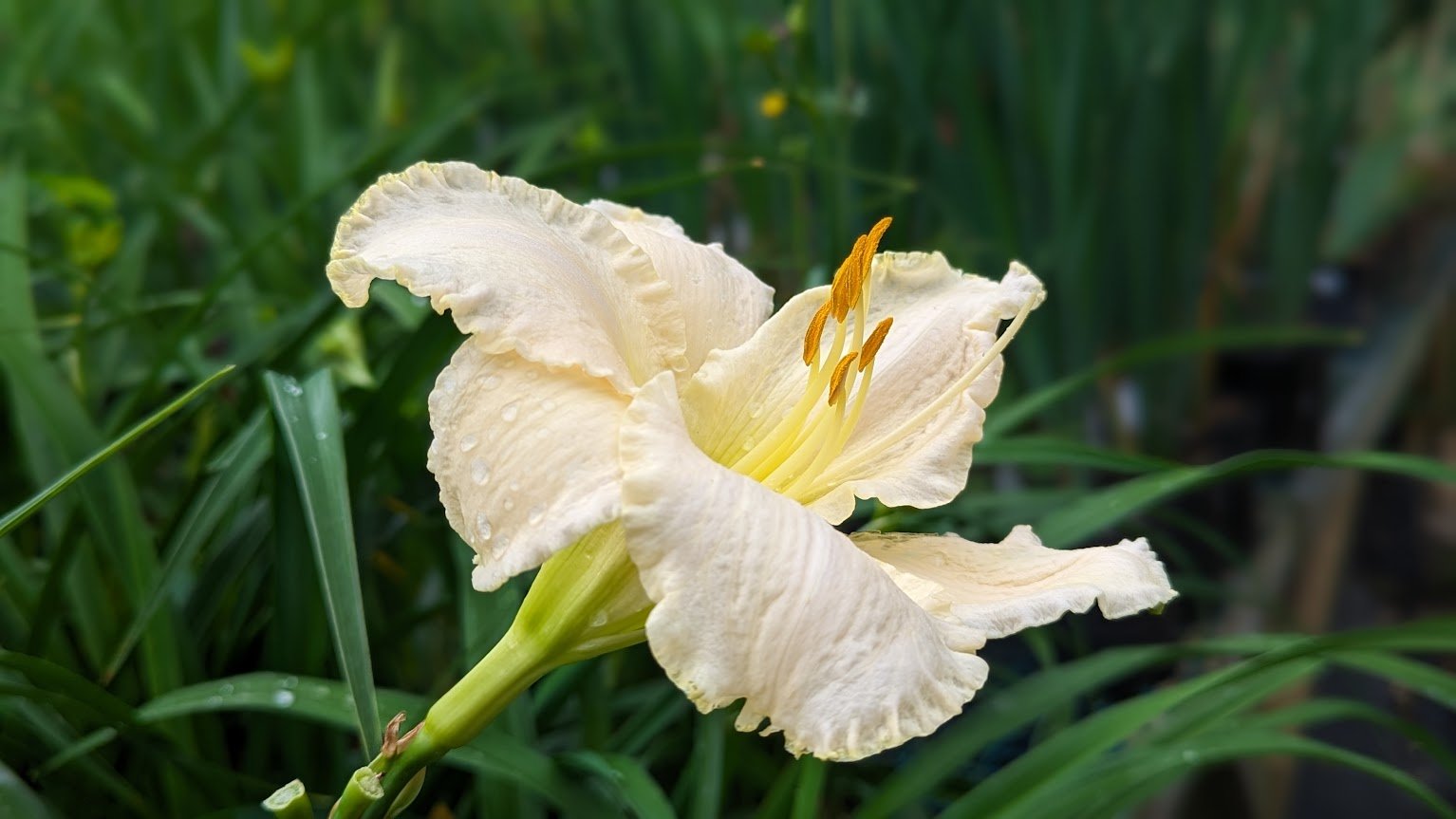
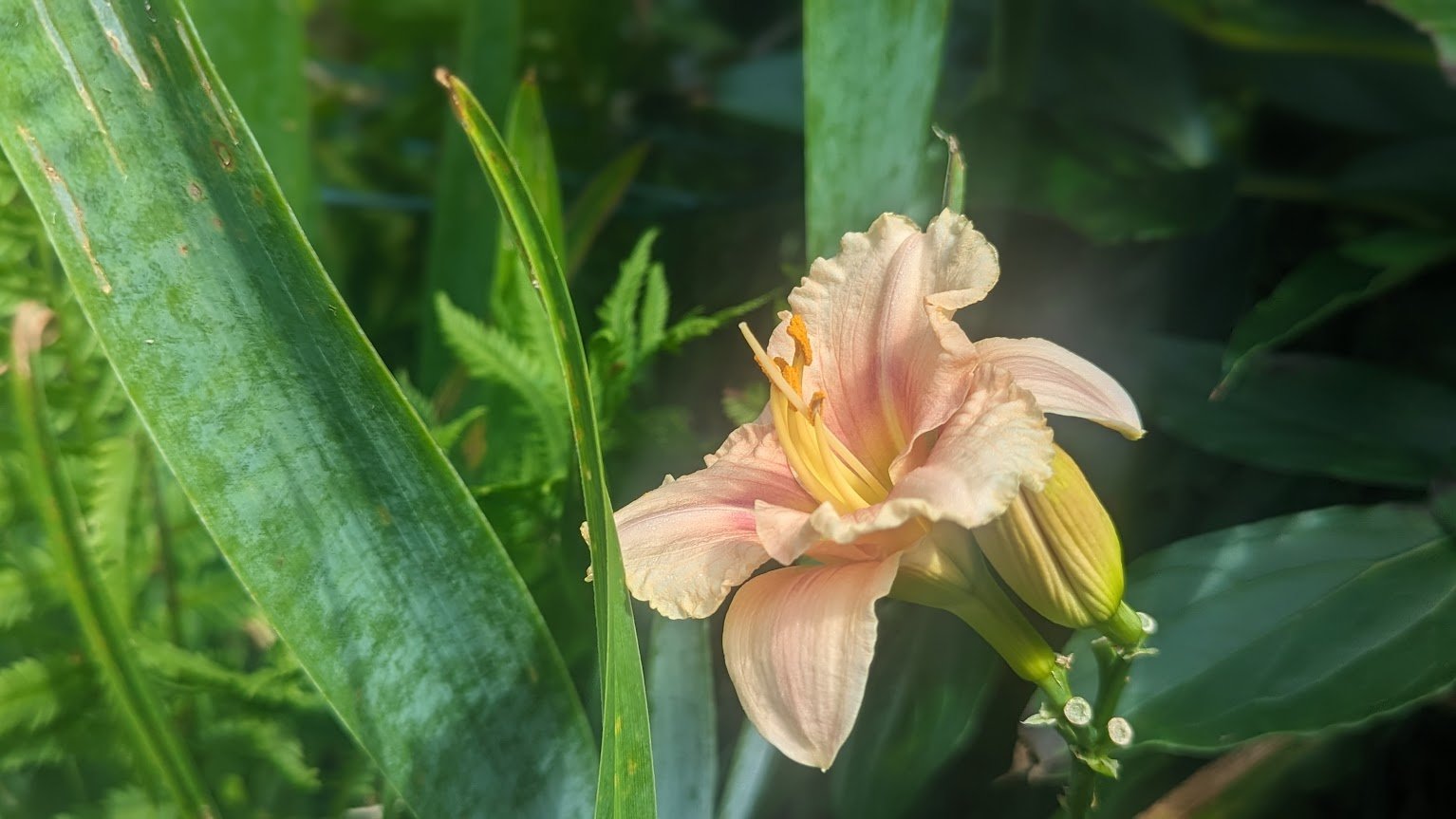
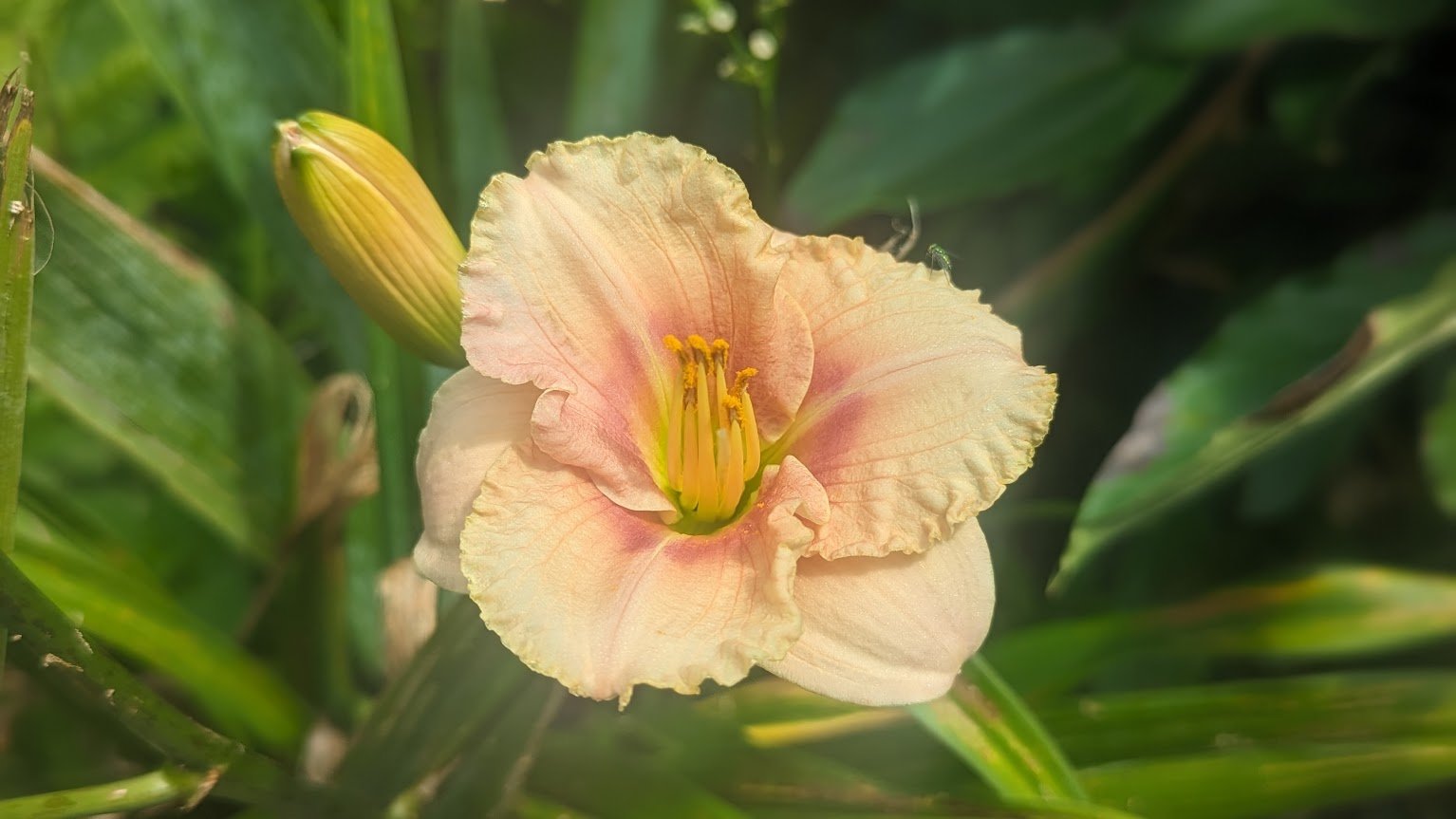
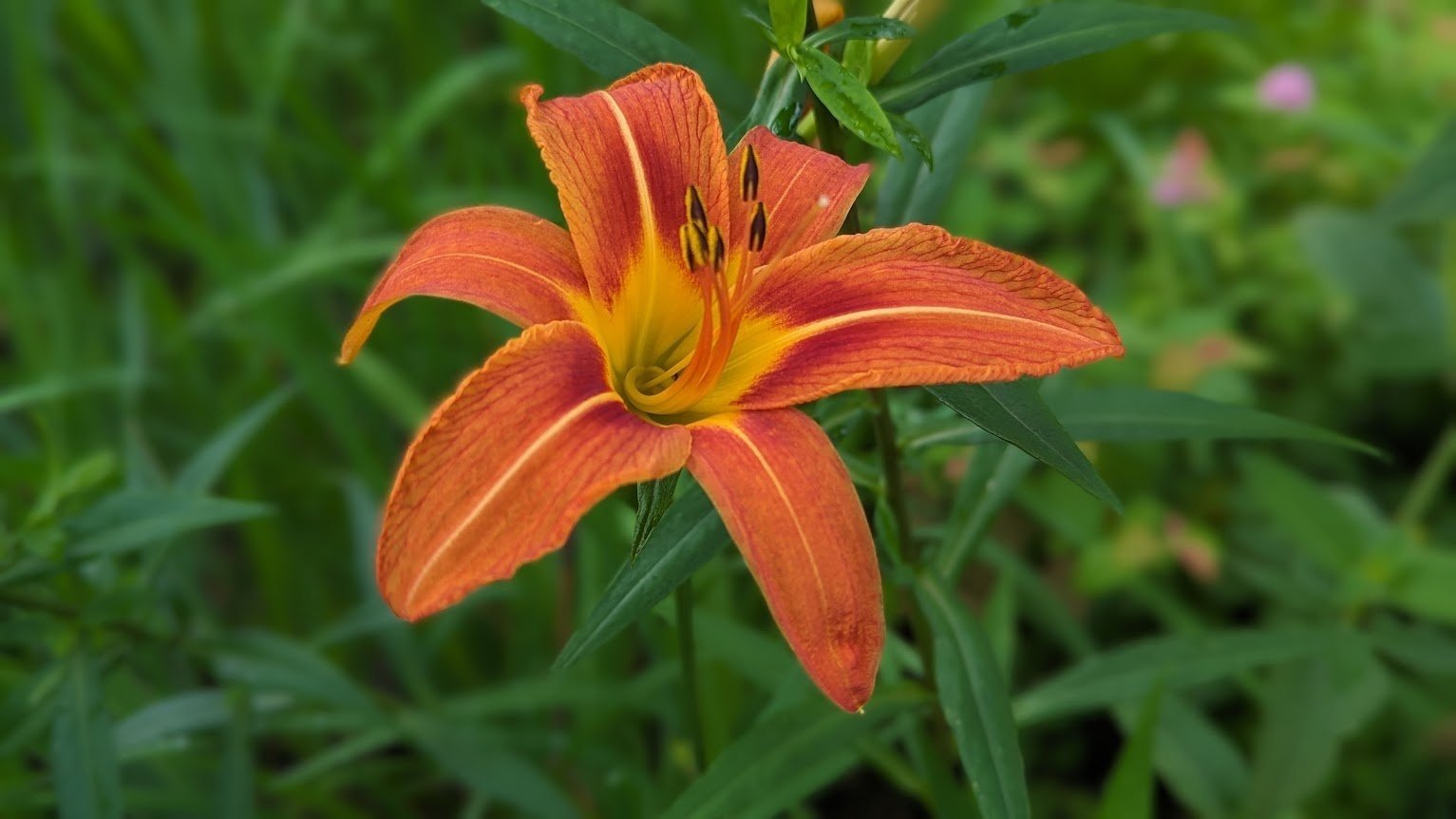
DAYLILY

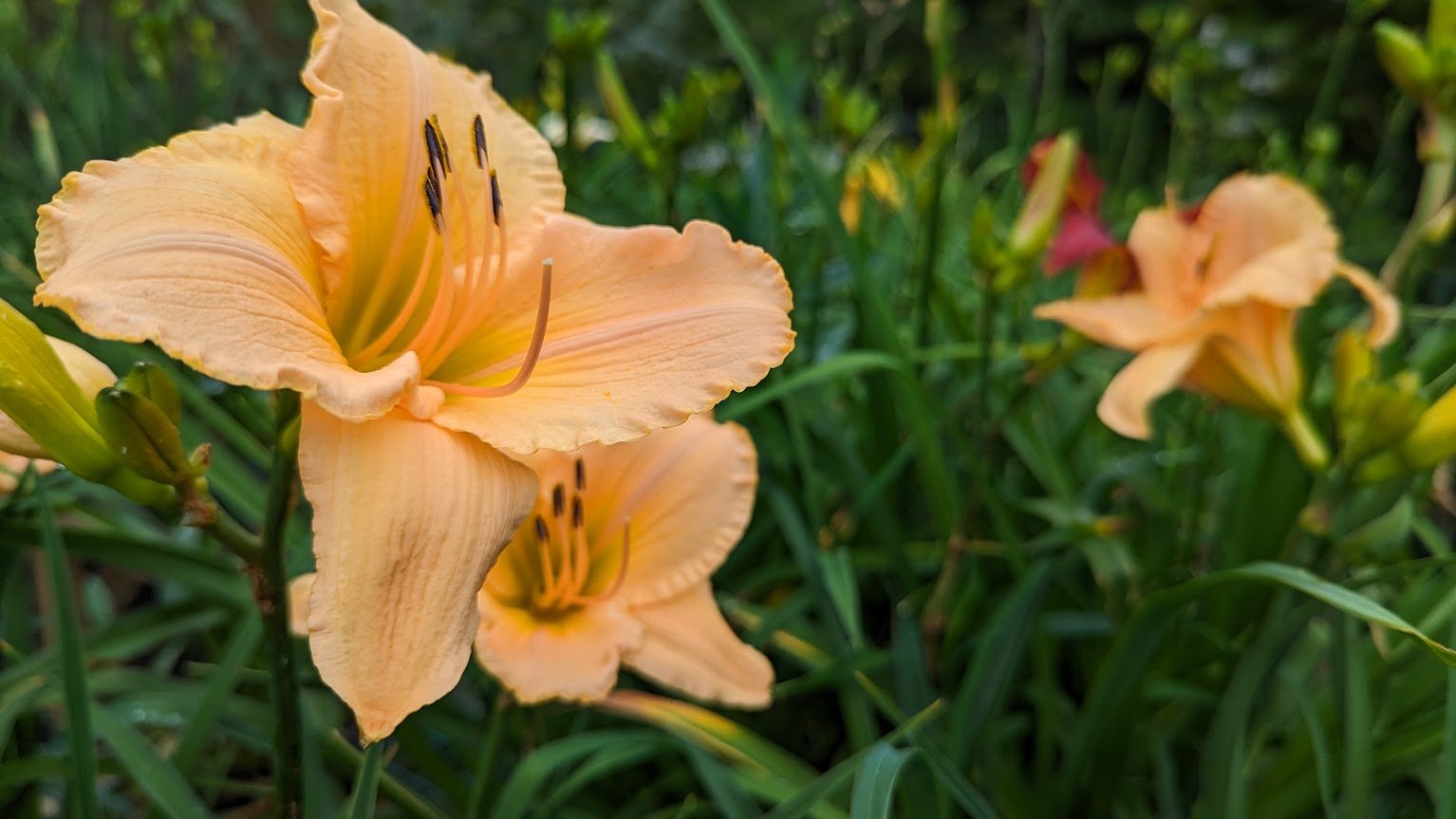
Daylilies are grown via tuberous roots and have multiple stems.

Daylilies [illustration by karen blackerby logan]
daylilies.jpg
lily seaside scallop1.jpg
PXL_20230710_152806974.MP.jpg
PXL_20230710_152917469.jpg
PXL_20230710_153015141.PORTRAIT.jpg
PXL_20230731_144438309.PORTRAIT.jpg
PXL_20230731_144443383.PORTRAIT.jpg
daylilies.jpg lily seaside scallop1.jpg PXL_20230710_152806974.MP.jpg PXL_20230710_152917469.jpg PXL_20230710_153015141.PORTRAIT.jpg PXL_20230731_144438309.PORTRAIT.jpg PXL_20230731_144443383.PORTRAIT.jpg

Varieties available

______________

Hemerocallis altissima


Regal Flare


Tetrinas Daughter

Golden Prize


Gulf Stream

Ruffled Apricot


Indian Hill dbl


Buttered Popcorn


Sea Wampum

Seaside Sun Glow

*************************************

ORIENTAL LILIES

Oriental Lilies are native to Japan and developed from only a few species . They are heavily scented, with much larger flowers, and bloom later than most other types of Lilium.

Oriental Lilies

Stargazer Lily [illustration by karen blackerby logan]
Varieties available

____________

Lillium Casa Blanca


Lillium Honeymoon


Lillium Black Beauty

Stargazer Lilies

*************************************

ASIATIC LILIES

Asiatic lilies are grown via bulbs and only have single stems,

Tiger Lily

*************************************

TORCH LILIES

  • Kniphofia (Torch Lilies) produce spikes of upright, brightly colored flowers above the foliage, in shades of red, orange and yellow. They produce abundant nectar attracting bees and hummingbirds.

Kniphofia Flamanco Mix

Kniphofia Solar Flare

daylily varieties

bloom times

grow massachusetts

tips for this week

recipe

cooking with lily bulbs

In PLANT PROFILES, AUGUST Tags Lilies, Daylily, Oriental Lilies, Asiatic Lily
Comment

[PLANT PROFILE] FILIPENDULA

July 11, 2023 Karen Logan

Filipendula ‘Queen of the Praire’ and Filipendula ‘Dwarf Meadowsweet’

FILIPENDULA

******************************************

Filipendula is a native perennial to the northeast. It is a great foliage plant that is valued for both its leaves and its flowers. Most filipendulas grow in average, medium to wet, well-drained soil in full sun to part shade.

Filipendula ‘Kahome’ (front) & Filipendula ‘Queen of the Prarie’ (back)

******************************************

Filipendula Varieties

__________________________

Filipendula rubra Venusta Magnifica ‘Queen of the Prarie’

Astilbe-like, wide panicles of tiny, fragrant, pale pink flowers that bloom in early to mid summer.

USES:

Borders (rear), cottage gardens, native plant gardens, wild/naturalized areas, wet meadows or moist areas along streams or ponds.

  • This is a large plant for large gardens.

  • Can be spectacular, particularly when massed.

  • Great for naturalizing in moist meadows.

    **A highlight of midsummer!**

Filipendula rubra

Filipendula rubra

Venusta Magnifica

‘Queen of the Prarie’

____________

* Grows up to 8’ tall

(usually shorter)

* Pale Pink blooms June-

Aug

* Full sun to part shade

* Medium to wet soil

* Native to moist soils but will

do well in average or dry

soils.

Filipendula rubra

__________________________

Filipendula ‘Kahome’ (Dwarf Meadowsweet)

An upright, clump-forming perennial that typically grows only 8-12” tall and features branched, terminal, Astilbe-like panicles of tiny, fragrant, rosy pink flowers in summer.

USES:

Border fronts, cottage gardens, wild/naturalized areas, wet meadows or moist areas along streams or ponds. Dwarf size facilitates massing this plant as a ground cover.

filipendula ‘Kahome’

Meadowsweet

____________

* 8-12” tall

* Blooms June to July

* Full sun to part shade

* Medium to wet soil

******************************************

Benefits

Attracts butterflies, pollinators and is deer resistant !

******************************************

JULY

GARDEN TIPS

PERENNIALS

FOR SHADE

In JULY, GROUNDCOVERS, NATIVE PLANTS, PERENNIALS, PLANT PROFILES Tags groundcovers, shade perennials, native perennials, filipendula, meadowsweet, wet soil perennials
Comment

[PLANT PROFILE] HOSTAS

July 5, 2023 Karen Logan

Hosta [illustration by karen blackerby logan]
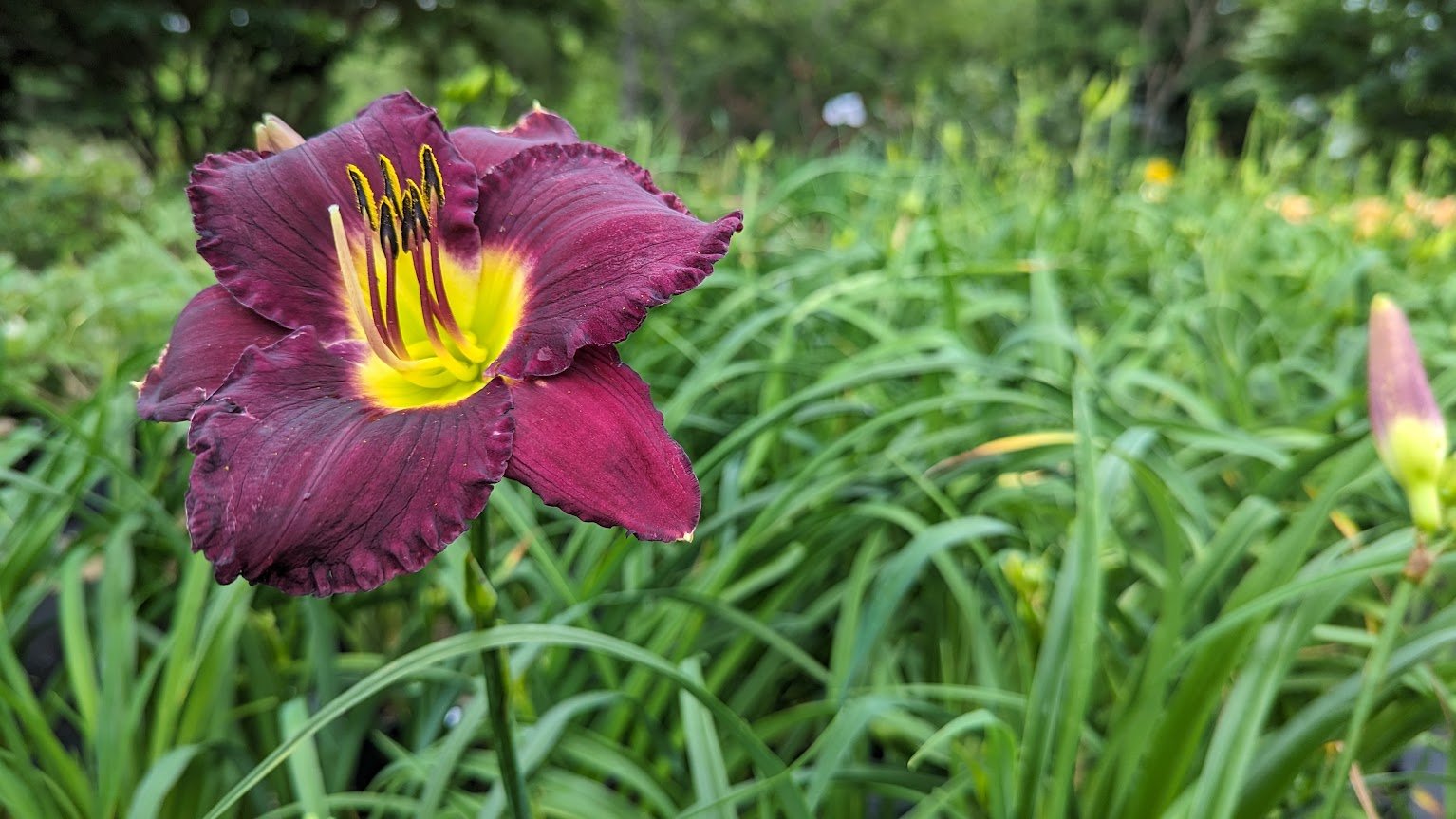
30% OFF HOSTAS

******************************************

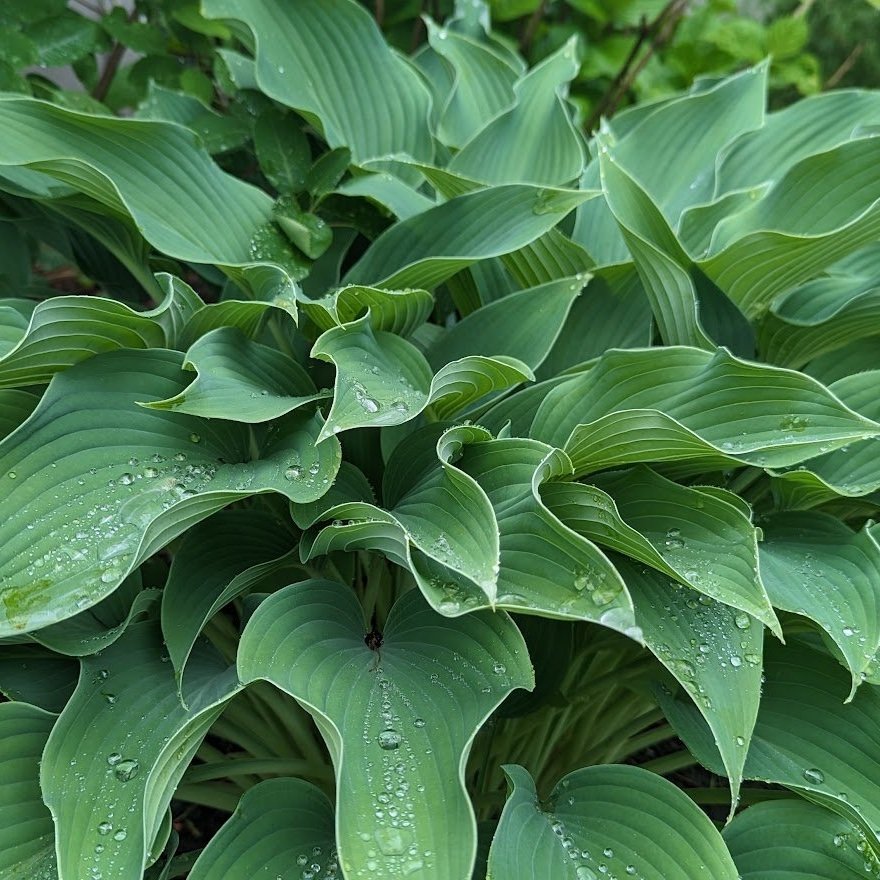
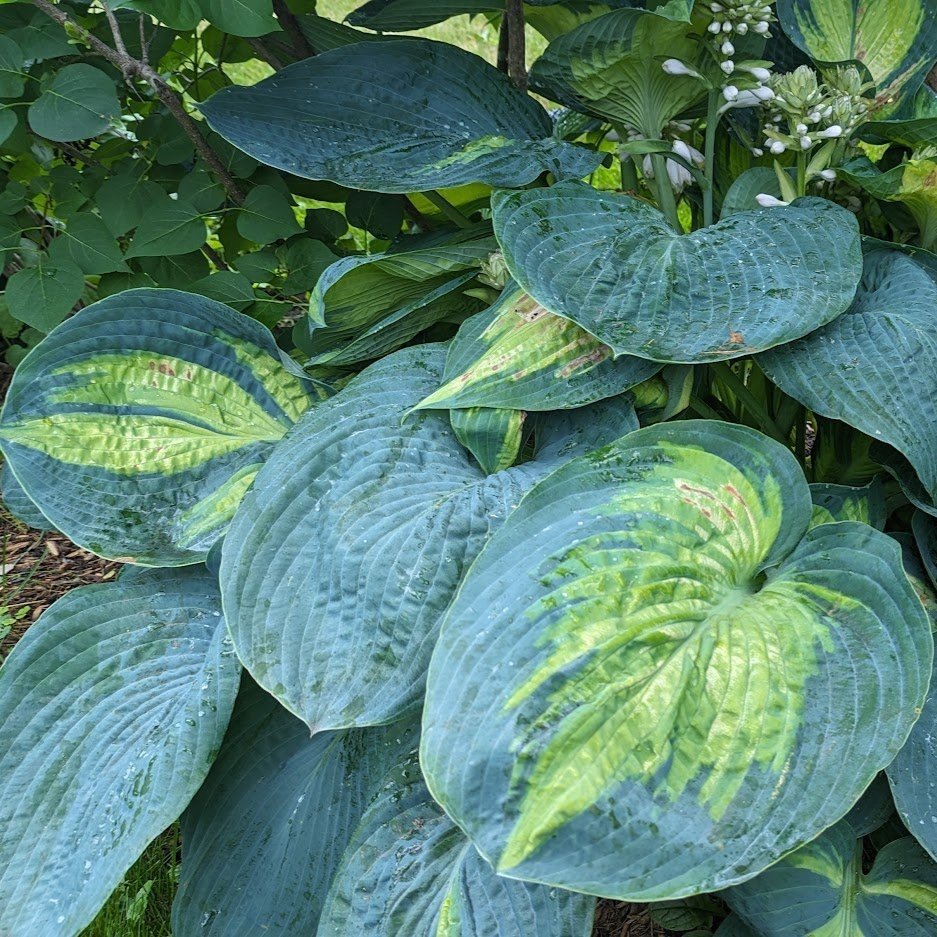
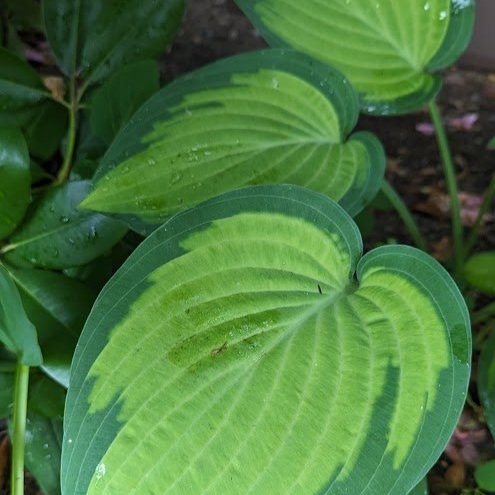
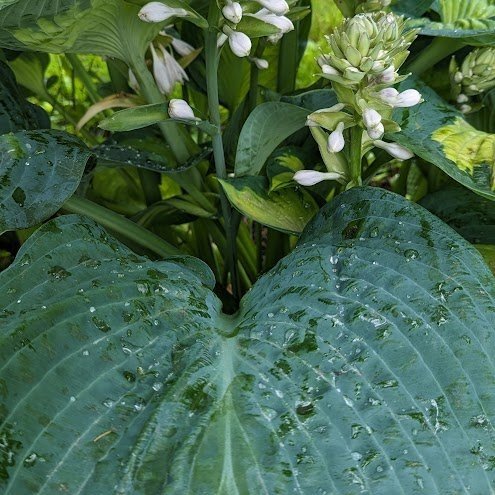
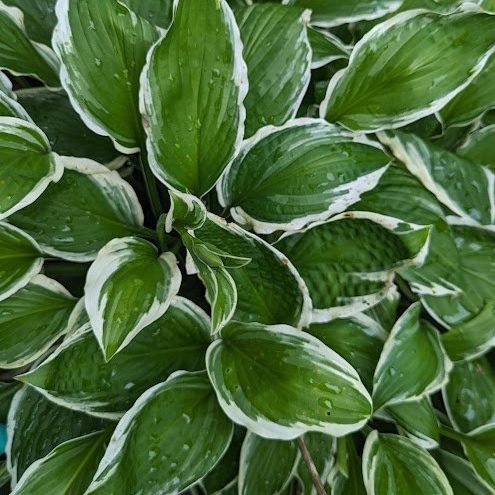
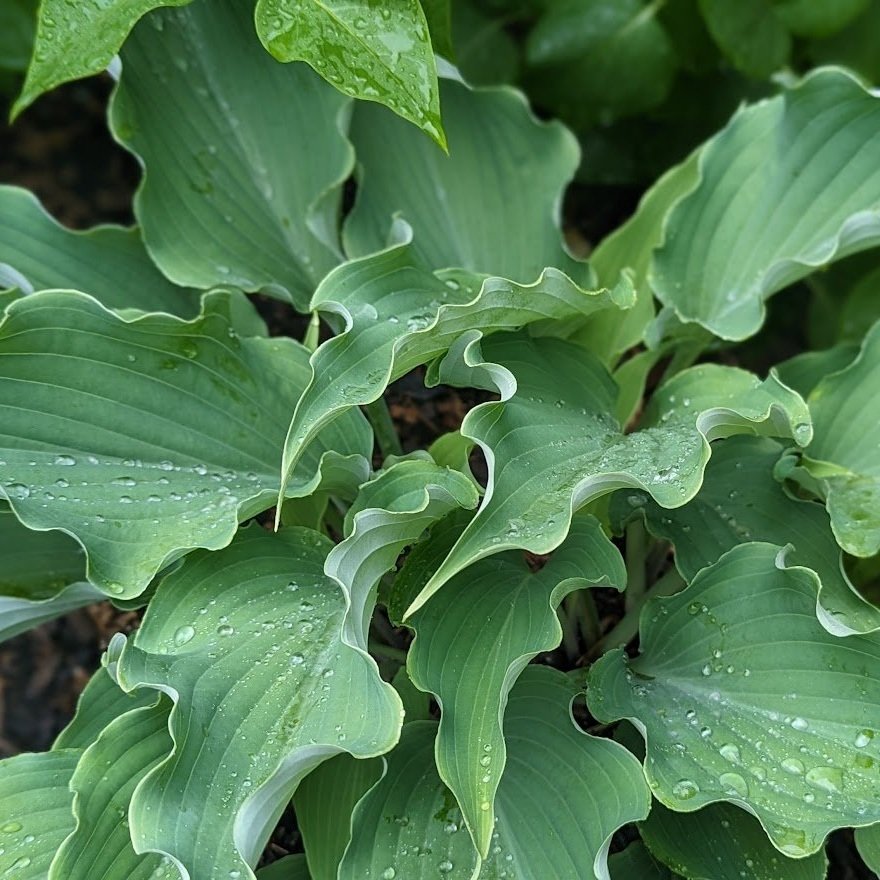
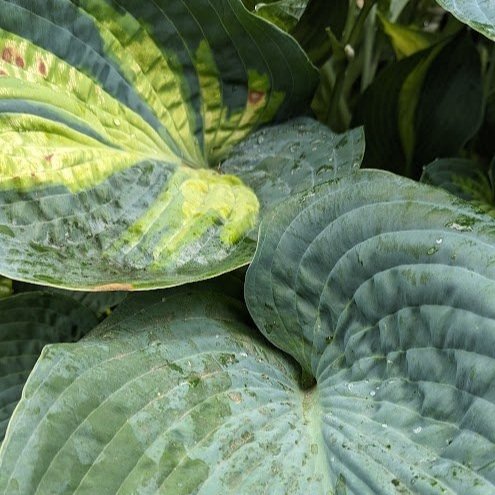
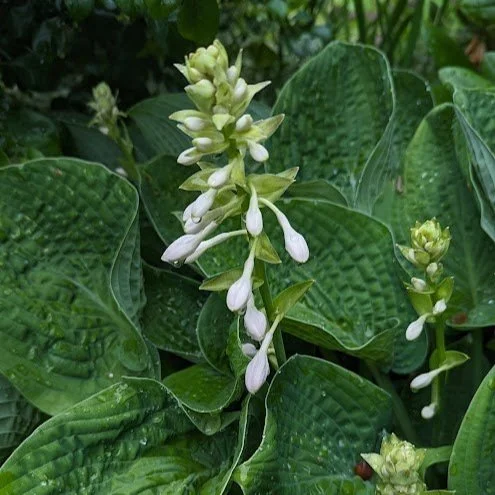
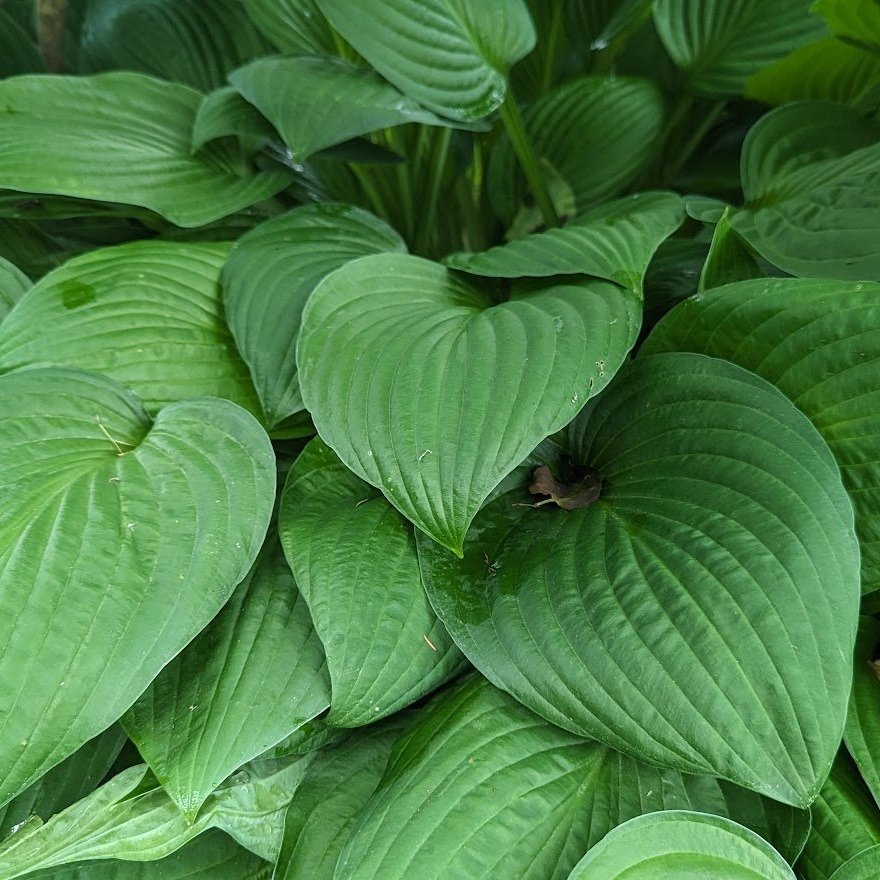
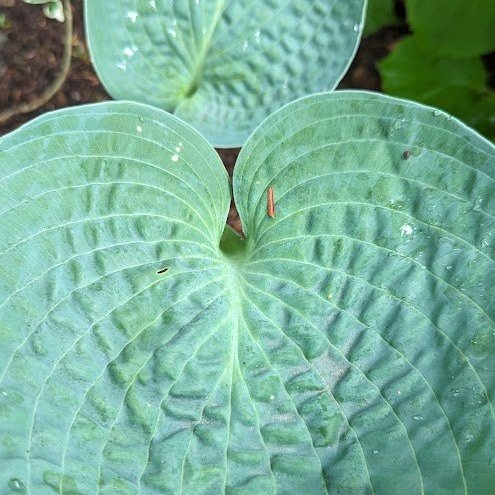
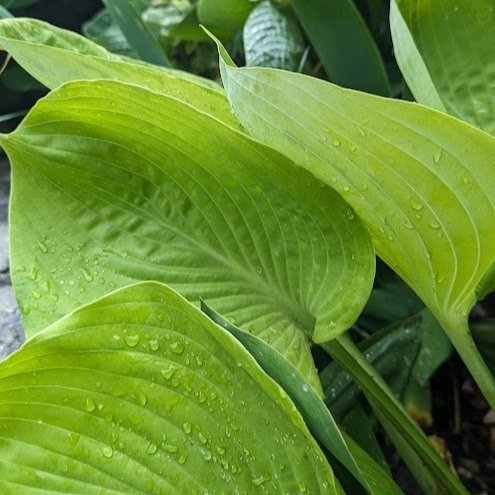
Hostas are a shade loving perennial with lavender or white blooms, which are popular among hummingbirds.  Hostas are late to emerge in spring and partner up well with early blooming spring bulbs that will be passing by the time the Hosta emerges. Crocus, Muscari, Eranthis or Chionodoxa foliage will easily get covered by the Hosta foliage, hiding the foliage of those early spring bulbs as they die back. There are a variety of Hostas available, differing in their leaf color, shape, size, and texture. They are easy to maintain and are shade tolerate.

Hosta leaves are very beautiful from early summer through fall!

CARE

____________

* In spring when growth

emerges apply fertilizer

* Keep plant moist

* Place mulch around

plant to retain moisture

* Remove flower stalks

after bloom to

encourage new growth

* In the fall, when frost

turns the leaves brown,

cut back to the ground

and apply a little fresh

mulch or leaf mold over

the plant, like a blanket.

DIVIDING HOSTA

____________

* Divide late in the

season because the

leaves will get damaged

during the division

process.

* Do not plant too deep

after dividing. Same

level that it was before.

* Add the ‘blanket’


leaf mold or mulch


******************************************

Texture, Shape

& Size

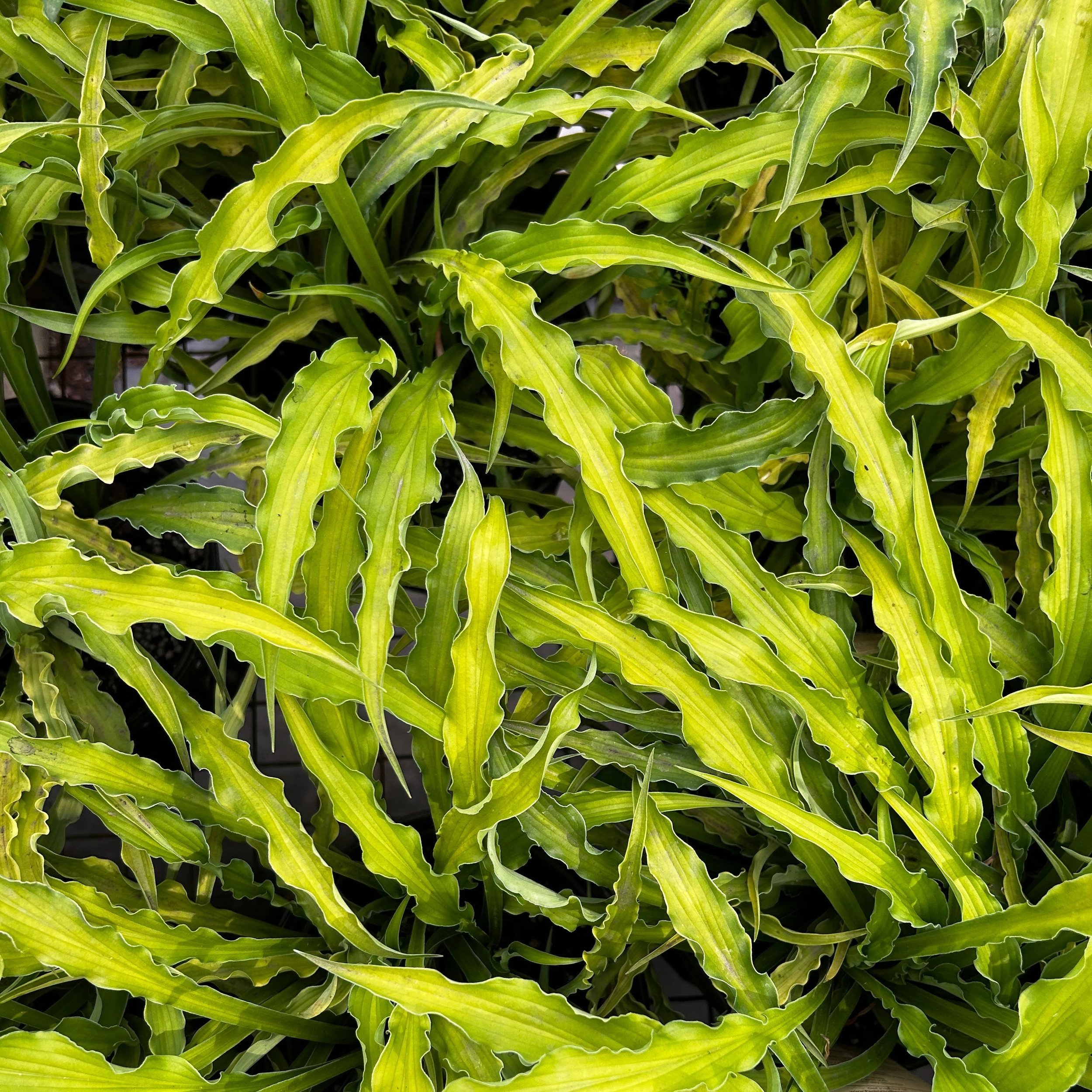
Hostas add a lot of dimension to your shade garden through their various shades of green, leaf sizes, textures and shapes.

PXL_20230613_170724929.jpg
PXL_20230628_193455273.jpg
PXL_20230628_194429011.jpg
PXL_20230628_194639163.jpg
hosta+french+fries.jpg
PXL_20230628_203907516.jpg
PXL_20230613_170742212.PORTRAIT.jpg
PXL_20230628_194623137.jpg
PXL_20230628_194444457.jpg
PXL_20230628_194702361.jpg
PXL_20230628_194347633.jpg
PXL_20230628_194529062.jpg

******************************************

**Deer do like to browse on Hosta foliage**
Spray with Bobbex deer repellent

******************************************

JULY

GARDEN TIPS

PERENNIALS

FOR SHADE

In JULY, GROUNDCOVERS, PLANT PROFILES Tags hostas, groundcovers, shade perennials
Comment

[PLANT PROFILE] GERBER DAISIES

June 12, 2023 Karen Logan

Gerber Daisies

GERBER DAISIES

Vividly colored Gerber Daisies are best planted in spring after all chances of frost have passed. In our zone, they are considered annuals. They bloom beautifully throughout the summer and die off in winter.

Varieties

_______

* Patio Series:

Tall larger flower

Available in two colors.

* Jaguar Series:

Short & ornamental

GROWING TIPS

____________

* Bred for the outdoors

* Flourish all summer

* Best grown in 7” pots or

larger

* Large bloom size 4”-5”

* Height 15-18” with

flowers

Gerber Daisy, Jaguar Series

Gerber Daisy, Jaguar Series

Gerber Daisy, Jaguar Series

unleash the wild on your yard

doug tallamy

Perennials

summer blooming perennials

In JUNE, ANNUALS, PLANT PROFILES Tags summer blooms, annuals, gerber daisies
Comment

VIBURNUM

September 21, 2022 Karen Logan

Viburnum plicatum

VIBURNUM

Viburnum are a very popular landscape shrub, both attractive and useful. With the many cultivars available it’s likely to find one to suit your garden. Fragrant viburnums flower in the spring and gives way to berries in the fall. If you’d like your viburnum to produce berries for the birds, you'll need to plant several different varieties that bloom at the same time so plants can cross-pollinate.

***************************************

Fall Interest Viburnums

There are many viburnums which have fabulous fall color and berries.

  • Viburnum trilobum (Highbush Cranberry): Known for its berry production in the fall. Dark green leaves turn purplish-red in autumn, alongside drooping clusters of bright red berries. Typically matures to 8-12 feet tall.

  • Viburnum plicatum: These are Chris Wiley’s favorite Viburnum in flower.

  • Viburnum dilatatum 'Cardinal Candy': Known for their drooping red berries.

  • Viburnum dilatatum 'Michael Dodge': Known for their drooping yellow berries.

Viburnum dilatatum ‘Michael Dodge’ and some Virginia Creeper

Viburnum plicatum

Native Viburnums

  • Viburnum dentatum (arrowwood viburnum): Native to Martha’s Vineyard, Viburnum dentatum grows wild all over Chilmark and the woods of West Tisbury.. Non-fragrant flat-topped white flowers appear in late spring. Flowers give way to blue-black, berries which are quite attractive to birds and wildlife. Tolerates light shade. It is useful in restoration projects or in natural plantings. Deer resistant. We carry a cultivar called Blue Muffin.


Evergreen Viburnums

  • Viburnum 'Pragense (Prague viburnum): Creamy white flowers in spring gives way to berries in early fall which first appear red and then change to glossy black. Typically matures to 10-12 feet tall. Plant in full sun to part shade.

  • Viburnum rhytidophyllum (Leatherleaf viburnum): A large rough textured evergreen shrub. Creamy white flowers in spring.


Fragrant Spring Blooming Viburnums

  • Viburnum carlessi (Korean Spice viburnum): A wonderfully fragrant cultivar. Reddish pink buds open in late March/early April and progress into 3” snowball like clusters of fragrant blooms. Plant in sun to part shade. Typically matures to 4-5 feet tall but may reach a height of 8' in the right conditions.

  • Viburnum carlocephalum (Fragrant Viburnum): A multi stemmed shrub with an open and rounded form. Fragrant snow-ball type blooms in the spring and reddish fall color. Fruit production happens best when planted in groups. Good drought tolerance once established. Grows 6-10 feet tall and wide.

  • Viburnum burkwoodii (Burkwood Viburnum): An early spring beauty is Viburnum x burkwoodii which is from a group of Viburnums called Korean Spice or Snowball Viburnum. Burkwood Viburnum grows quite large, under ideal conditions 10’ x 10. It blooms clusters of pinkish white spring flowers with an insanely delicious fragrance in late April-early May. Beautiful dark green foliage. Use as a hedge, screen or accent plant.

Fragrant Viburnum

Viburnum x burkwoodii

Viburnum x burkwoodii [photo credit: keith kurman]

autumn garden

maple trees

for best fall color

In SEPTEMBER, SHRUBS, FALL PLANTS, PLANT PROFILES Tags fall shrubs, viburnum, fragrant viburnums
Comment

[PLANT PROFILE] LOBELIA

September 12, 2022 Karen Logan

Lobelia ‘Great Blue’. A blue counterpart of the Cardinal Flower. Desirable plant for woodland gardens especially since it blooms bright blue in late summer.

LOBELIA

30% off

A North American native plant that has spires of colorful hood-like flowers that open from bottom to top. Lobelias are typically found in wet, swampy soil or woodlands. They are a perfect choice for low spots in your garden that stay too wet for most plants. Although, given enough water Lobelias will be fine with more sun. They are an excellent choice for partial shade gardens.

Two perennial species we carry are Lobelia siphilitica, the Native Great Blue, and Lobelia cardinalis, Cardinal flower.

We carry the Lobelia cardinalis in its native green leaf form, as well as Queen Victoria, a red leaf form that won the Royal Horticultural Society’s Award of Garden Merit. A newer cardinalis hybrid we are offering is the Starship Series. This series is a little shorter and better branched. We usually have it in scarlet, rose and sometimes blue.

Lobelia Starship Deep Rose & Scarlet Bronze Leaf

Lobelia Starship Deep Rose & Scarlet Bronze Leaf. Rich bronze or purple foliage throughout the growing season. Adds a bold color for the late summer to early autumn garden.

*************************

CARE

  • Prefer fertile, evenly moist soil.

  • Can be divided every 2-3 years in spring.

  • Allow to self sow.

  • Winter over with stems on.

  • Can be pinched back before flowering to produce more compact plants

*************************

USES

  • Woodland paths

  • Perennial beds and border gardens with moist, well-drained soil.

  • Given enough water they can be fine with more sun.

  • Great choice for partial shade gardens

  • Well-suited for use in rain gardens, around ponds and streams and other moist areas.

Attracts butterflies and hummingbirds. Pairs well with ferns or heuchera.

Lobelia siphilitica and Aster

Ornamental Grasses

Autumn Garden

In GARDEN TIPS, FALL PLANTS, SEPTEMBER, PLANT PROFILES Tags perennial plant, fall blooms, Lobelia, Lobelia Great Blue, Lobelia Starship Deep Rose, Lobelia Starship Scarlet, Cardinal Flower
Comment

[PLANT PROFILE] CRAPE MYRTLE

September 6, 2022 Karen Logan

September Border: Crape Myrtle is the white ‘Natchez’ & Vitex

Lagerstroemia

[CRAPE MYRTLE]

An all-season performer that shows off colorful foliage in fall, attractive exfoliating bark in winter and showy flowers in the summer! Crape Myrtle bloom from July to September, with some varieties blooming until first frost. Flowers have a crepe like texture and range in color from red, purple, pink, orchid and white. There are several varieties that range in size from 2-foot shrubby dwarfs to large trees.

Crape Myrtles’ showy flowers adds a punch of color in late summer & early fall.

Crape Myrtle (front), Rudbeckia & Hibiscus

*************************

HISTORY

Better known by their common name of Crape Myrtle, Lagerstroemia is a genus of about 50 plants native to the Indian subcontinent and Southeast Asia. The Genus is named after the director of the Swedish East India Company, Magnus van Lagerstrom, who supplied Carl Linnaeus with plants he collected.

Only 2 species are primarily used in gardening and landscape horticulture. The Lagerstroemia indica from China and Korea was introduced to Charleston, North Carolina in 1790 by French botanist Andre Michaux. In the wild it is a large multi stemmed shrub but 200 years of cultivation have resulted in a huge number of cultivars with varying characteristics.

Another species from Japan Lagerstroemia fauriei is becoming increasingly important as a landscape plant and as a parent in hybrids with L. Indica. This species is more resistant to fungal diseases, has highly ornamental bark and is more cold hardy than L. Indica making it valuable as genetic material for hybridization.

FALL IS A GREAT TIME TO PLANT. allowS CRAPE MYRTLE time to establish their roots before going dormant in winter.

Lagerstroemia Berry Dazzle

CARE

  • Prefer full sun. The more sun the more blooms!

  • Once established, Crape Myrtles are quite drought tolerant.

  • They need good drainage.

  • A common mistake is over-pruning.

    *************************

    USES

    Crape myrtles make great additions to any size garden. Some ideas for how to use them:

  • Plant multiple dwarf or medium-size varieties together to form a hedge.

  • Use dwarf varieties as colorful additions in borders and beds.

  • Dwarf varieties make excellent choices for large containers.

  • A good choice near walkways and driveways.

  • Use larger varieties as an individual accent

*************************

we have dwarf varieties available to add to your garden if you don’t have space for a larger speciman.

Crape Myrtle ‘Like a Latte’ [photo: walters gardens]

CRAPE MYRTLE VARIETIES WE HAVE AVAILABLE

Lagerstroemia 'Like A Latte' (Dwarf)

Lagerstroemia 'Barista Cherry Mocha' (Dwarf)

Lagerstroemia 'Tuscarora'

Lagerstroemia 'Tonto'

Lagerstroemia 'Muskogee'

Lagerstroemia 'Muskogee Lavender'

Lagerstroemia 'Natchez White'


Lagerstroemia 'Cherry Mocha' [photo: walters garden]

Crape Myrtle ‘Tuscarora’ [photo: monrovia]

Crape Myrtle ‘Muskogee’ [photo credit: monrovia]

Tonto Crape Myrtle [photo: monrovia]

Fall Trees & Shrubs

Autumn Garden

In GARDEN TIPS, FALL PLANTS, SEPTEMBER, PLANT PROFILES Tags perennial plant, fall blooms, crape myrtle, fall tree
Comment

[PLANT PROFILE] ANEMONE

September 1, 2022 Karen Logan

Anemone [illustration by karen blackerby logan]
JAPANESE ANEMONE

[WINDFLOWER]

A common name for Anemone is windflower because the delicate poppy-like flowers sway in the breeze. The Greek word anemos translates as "wind."

Japanese Anemones add a wonderful splash of color to the autumn garden when other perennials are beginning to fade. With one of the longest bloom times, they are a great season extender in a perennial garden. They spread when they are happy and can tolerate moist soils!

*************************

CARE

  • Japanese Anemones are fabulous perennials that thrive ideally in a little afternoon shade. They can tolerate full sun as long as the soil is moist.

  • They prefer rich, moist soil. Water the plants regularly when it does not rain.

  • Bloom time: Mid-Summer to Late Fall 6-8 weeks

USES

Borders, cottage gardens, coastal gardens, naturalized areas such as meadows

White anemomes stand out nicely at night. White gardens are sometimes called moonlight gardens .where the white flowers light up at night.

Japanese Anemone and Impatiens balfourii [photo by keith kurman] Anemones contain basal leaf clumps from which long flower stems grow to support delicate flowers.

Japanese anemone bloom abundantly from mid-summer to late fall, giving gardeners a shade-loving alternative to the autumn mums and asters.

**********************************

JAPANESE ANEMONES WE CARRY AT VINEYARD GARDENS

Japanese Anemones are mostly hybrids. Some are taller than others, up to 3 feet. The more popular ones are single flowers but we often carry a pink double called Pamina. Next year we are ordering a white double called Whirlwind.

  • Wild Swan: White with a bluish tinge behind the petals

  • Honorine Jobert: White single flowers

  • September Charm: Pink single flowers

  • Robustissima: Pink single flowers

  • Bressingham Glow: Pink flowers

  • Pamina: Pink double flowers


    **********************************

Japanese Anemone in their full glory and the bees taking it all in!

Anemones

fall blooming anemones

Autumn Garden

In GARDEN TIPS, FALL PLANTS, SEPTEMBER, PLANT PROFILES Tags perennial plant, Anemone, Japanese Anemone, fall blooms
Comment

[PLANT PROFILE] CLERODENDRUM

August 1, 2022 Karen Logan

Clerodendrum trichotomum

CLERODENDRUM TRICHOTOMUM

[HARLEQUIN GLORY-BOWER]

In mid-summer and fall Clerodendrum adds a striking show when other woody plants are not in bloom!

MID-SUMMER BLOOM

Clerodendrum trichotomum (Harlequin Glory-Bower) is the only Clerodendrum hardy this far north. A deer resistant, flowering, deciduous shrub that begins blooming mid-summer with fragrant soft white flowers. The flowers have a sweet delicate aroma and are large enough to make a statement. A great addition to a late season garden when many other shrubs are not in bloom.

FALL INTEREST

In the fall, Clerodendrum has a wonderful effect. The flowers turn into a very interesting seed pod, bright purplish-blue berries adorned by thick star-shaped red calyces. In addition, the foliage changes into a beautiful yellow fall color. A show stopper indeed!

Clerodendrum has large heart shaped leaves which produce a peanut odor when crushed.

attracts Hummingbirds, butterflies, honeybees & other pollinators!


WHERE TO PLANT

  • Clerodendrum is a large shrub that grows between 8-10’ tall.

  • Stands best alone because it takes over. Plant it where it has plenty of room to spread and colonize. It will spread as far as you let it but it can be controlled.

  • Full sun to part shade. Clerodendrum prefers full sun for best shape and flowering but can tolerate and flower in partial shade. In partial shade, it’s already loose habit will be even more open.

“Our Clerodendrum is blooming now and fills our entire patio with a sweet fragrance!” Chris Wiley, co-owner Vineyard Gardens

Clerodendrum trichotomum in the spring/early summer

Clerodendrum trichotomum in the summer

Clerodendrum trichotomum in the fall.

Clerodendrum

Clerodendrum

deer resistant

PLANTS

August Plants

In GARDEN TIPS, AUGUST, DEER RESISTANT, PLANT PROFILES Tags flowering shrubs, Deer resistant shrubs, pollinator friendly shrubs, harlequin glory bower, mid summer flowering shrub, Clerodendrum trichotomum
Comment

[PLANT PROFILE] CALYCANTHUS

July 19, 2022 Karen Logan

CALYCANTHUS 'APHRODITE’

Calycanthus 'Aphrodite', a Proven Winners selection, is a cross between our native calycanthus and Asian species x Sinocalycanthus. It is a large shrub with glossy leaves that can grow between 5-10ft tall by 5-10ft wide. Calycanthus 'Aprodite' does well in full sun and can also handle partial shade.

In JULY, SHRUBS, PLANT PROFILES Tags Calycanthus 'Aphrodite', shrub, flowering shrub
Comment

[PLANT PROFILE] SWEET WOODRUFF

May 11, 2022 Karen Logan

Sweet Woodruff

SWEET WOODRUFF

(Galium odoratum)

Sweet Woodruff is a lovely plant that will spread like a ground cover in your garden. It has small white flowers in spring through early summer. It’s vigorous but not aggressive and can coexist nicely with bulbs that will come right up through it. They spread stoloniferously by sending out stolons or side shoots just beneath the soil surface.

Sweet Woodruff

WHERE TO PLANT SWEET WOODRUFF

  • An ideal ground cover. Plant as a ground cover around shrubs.

  • A wonderful border accent in woodland gardens.

  • It thrives in rich garden soil, in part to full shade.

OTHER GROUNDCOVERS

  • Other ground covers that do well in shade include the more common evergreen pachysandra and Vinca minor, Periwinkle.

  • Pachysandra: We carry the Japanese spurge, pachysandra terminalis. Our favorite is the native one, Pachysandra procumbens.

  • Vinca: We carry Vinca minor Bowles, with the early summer blooming blue flowers and the white flowering Vinca minor. We also carry Illumination, a vinca cultivar with yellow variegated foliage and a blue flower.

  • Epimedium, barrenwort: Another less common groundcover that thrives in shade is Epimedium. Epimedium Spine Tingler is a cultivar that is available now. This year we also have Frohnleiten, Rubrum, Sulphureum, Niveum, Pink Champagne, Domino and Amber Queen, which won the RHA (Royal Horticultural Award) of Merit.

  • Ferns: Ferns can spread nicely like ground covers such as Matteuca struthiopteris (the Ostrich fern), Dennstaedtia punctiloba (Hay Scented Fern) and Onoclea sensibilis. Dennstaedtia punctiloba and Onoclea sensibilis are both hard to find. We don’t have either in stock right now.

  • Geum: The native Geum has been mentioned as a good ground cover. Geum triflorum has beautiful seed pods.

  • Thyme: Creeping and wooly thymes are ground covers we like to recommend for sun. Creeping thyme comes in white flowers (albiflorus), red flowers (coccineus) or pink chintz with pink flowers. We also carry creeping lemon and Elfin thyme.

  • Laurentia fluviatilis, Blue Star Creeper and Pratia: Two other interesting plants that spread like ground covers.

    And there are plenty more! 

Try planting ground covers at the base of your shrubs instead of mulching. Ground covers are very effective at keeping weeds out!

Pachysandra

Sweet Woodruff and French Lavender

Pachysandra

Epimedium Spine Tingler

Epimedium x Domino

Epimedium new growth

Viinca, white flower

GARDEN TIPS

MAY

PLANT PROFILE

CREEPING PHLOX

In PERENNIALS, EVERGREENS, GROUNDCOVERS, MAY, PLANT PROFILES Tags Sweet Woodruff, Epimedium, groundcover, creeping thyme, Blue star creeper, perennial groundcovers, evergreen groundcover, Geum, ferns
Comment
← Newer Posts

484 State Rd. West Tisbury, MA 02575

Mon - Sat : 8am - 5pm / Sun : 9am-3pm

(508) 693.8512