• Home
  • ABOUT
    • PROJECTS
    • Landscape Teams
    • LANDSCAPE DESIGN
    • LANDSCAPE CONSTRUCTION
    • LANDSCAPE MAINTENANCE
    • Nursery
    • SALES & DISCOUNTS
    • BULK MATERIAL
    • PLANT PROFILES
  • Application
  • EVENTS
  • FIELD NOTES
  • TESTIMONIALS
  • Contact
Menu

Vineyard Gardens

484 State Road
West Tisbury, MA, 02575
508.693.8512
Landscaping & Garden Center

Your Custom Text Here

Vineyard Gardens

  • Home
  • ABOUT
  • LANDSCAPING
    • PROJECTS
    • Landscape Teams
    • LANDSCAPE DESIGN
    • LANDSCAPE CONSTRUCTION
    • LANDSCAPE MAINTENANCE
  • NURSERY
    • Nursery
    • SALES & DISCOUNTS
    • BULK MATERIAL
    • PLANT PROFILES
  • Application
  • EVENTS
  • FIELD NOTES
  • TESTIMONIALS
  • Contact

ENGLISH DAISIES

April 3, 2024 Karen Logan

English Daisies illustration by karen blackerby logan

English Daisies

(Bellis perennis)

ORIGIN

These little, long blooming English Daisies are native to western, central and northern Europe. Their Latin name is Bellis perennis. Bellis is Latin for pretty and perennis means everlasting. True to their name they are both pretty and long blooming. They thrive in full sun and in partial shade; and are hardy to zones 4-8.

FAMILY

They belong to the family Asteracea. Plants in this family are considered the most evolved in the plant kingdom. Every petal in a daisy flower is a complete flower. One flower can be made up of a hundred petals, thus 100 flowers! That is what makes them more evolved. More flowers, more seeds, more ability to propagate, which spells success in the world of plants.

Bellis perennis Bellisima Red

Bellis perennis Bellisima Red

AN EARLY SEASON PLANT

We sell them in the 5” black perennial pots and grow them in a mix of white, pink and red flowers.

  • Try our new Galaxy Mix or the Bellisima series in red and in rose bicolor.

  • We also carry the smaller flowered Pomponette mix.

  • The one variety we grow from seed is JL Hudson’s Bellis perennis White. This cultivar overwintered outside for us in little pots. These seed grown English Daisies spread and perennialize for us.

    Many plants like the English Daisies, the Forget Me Nots and the Poppies are only available early in the season!
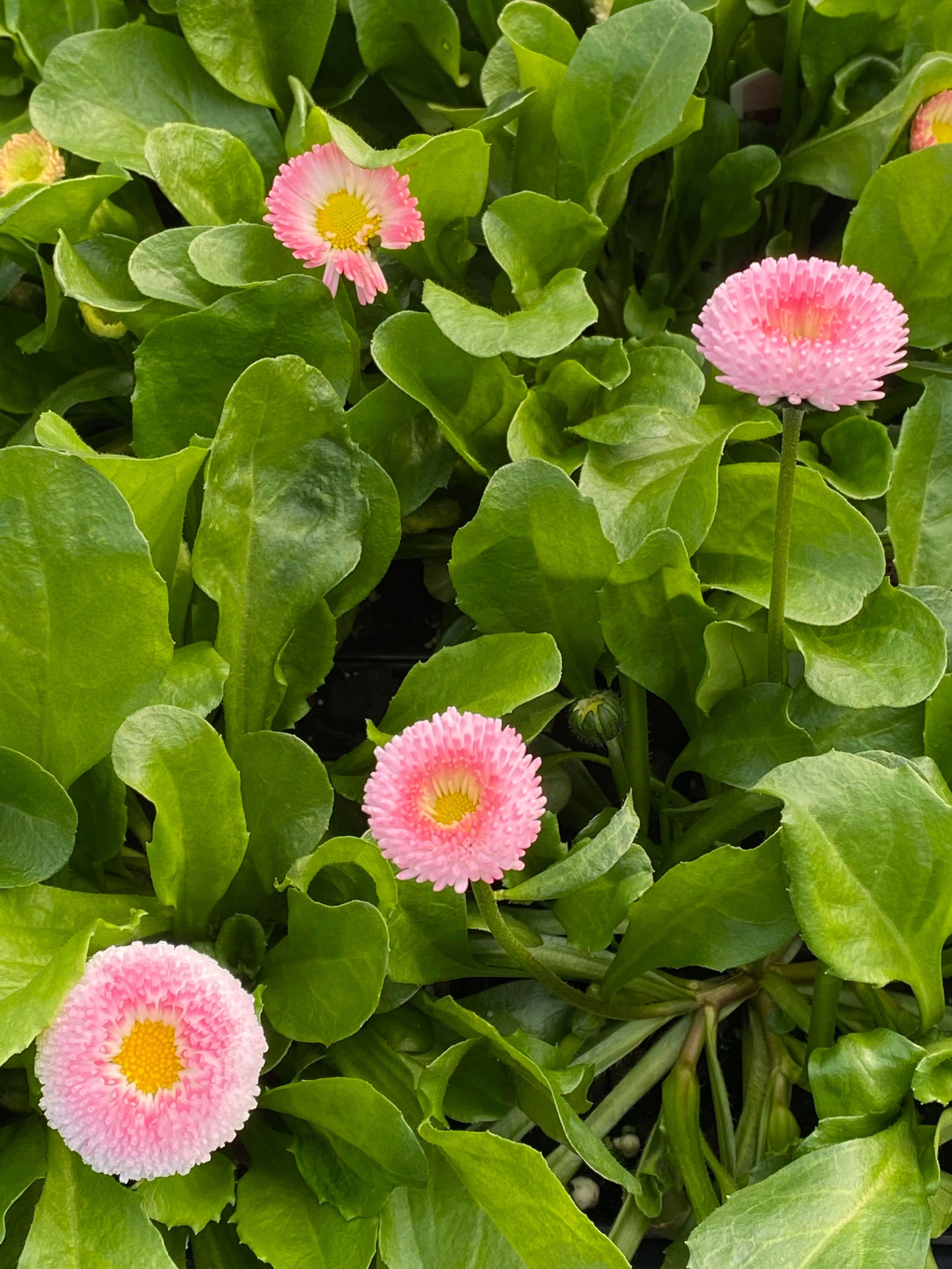
Bellis perennis Rose Bicolor

Bellis perennis Pomponette Mix

Bellis perennis Rose Bicolor

WHERE TO PLANT

  • Save the Bellis perennis white for the ground so it can spread.

  • Try the Galaxy, the Bellisima or Pomponette Mix in a pot.

  • They all will do well in front of your border or along a path. In a rock garden or in containers.

  • They will love a well drained spot.
Remember spring is the best time to plant English Daisies!

HAPPY GARDENING!

In SPRING PLANTS, APRIL, PLANT PROFILES Tags English Daisies, Bellis perennis, Astercacea family, Bellis perennis Bellisima Red, Bellis perennis Pomponette Mix, Bellis perennis Rose Bicolor
Comment

PIERIS JAPONICA

March 27, 2024 Karen Logan

Pieris japonica illustration by karen blackerby logan

PIERIS JAPONICA

(ANDROMEDA)

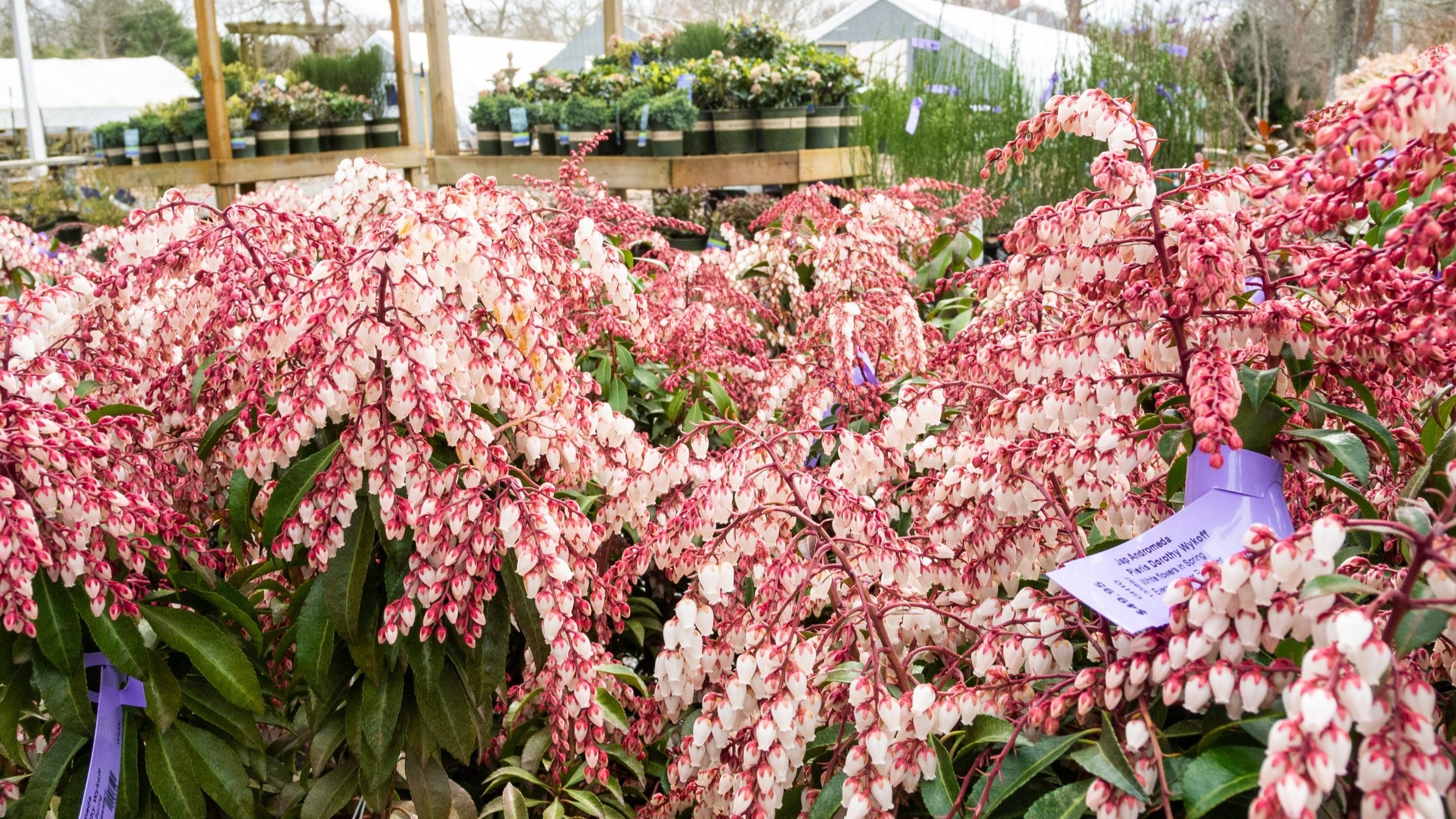
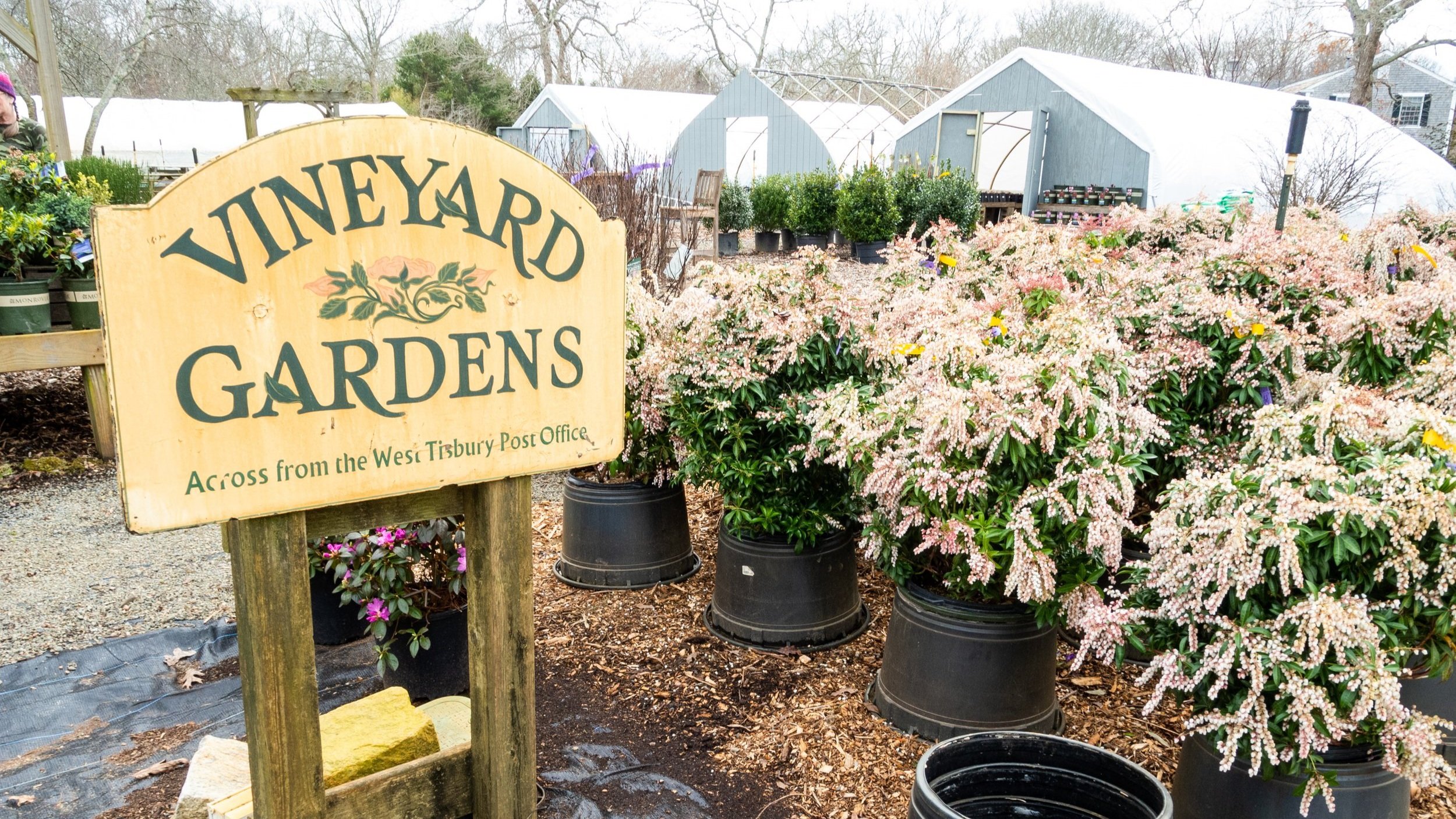
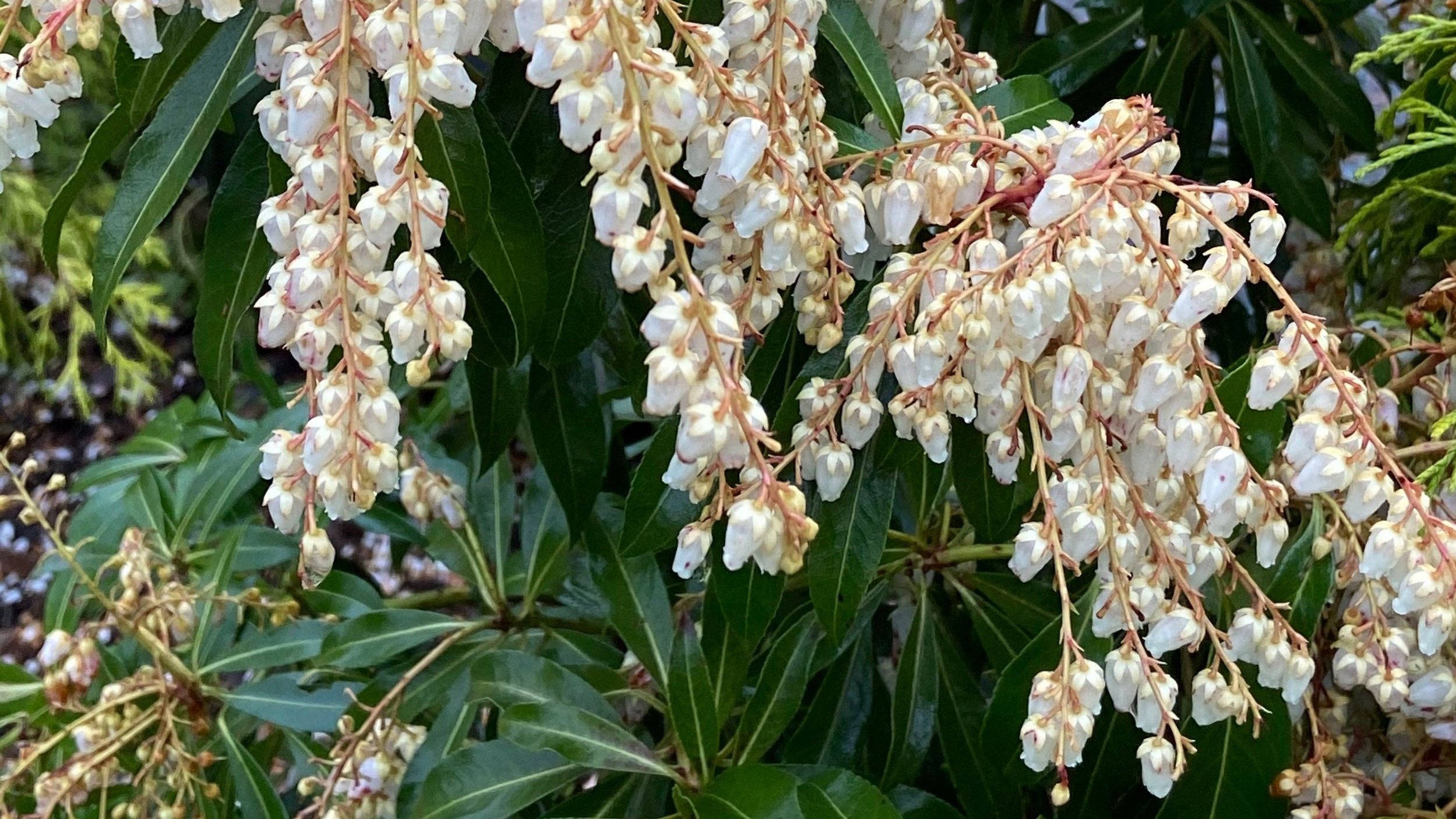
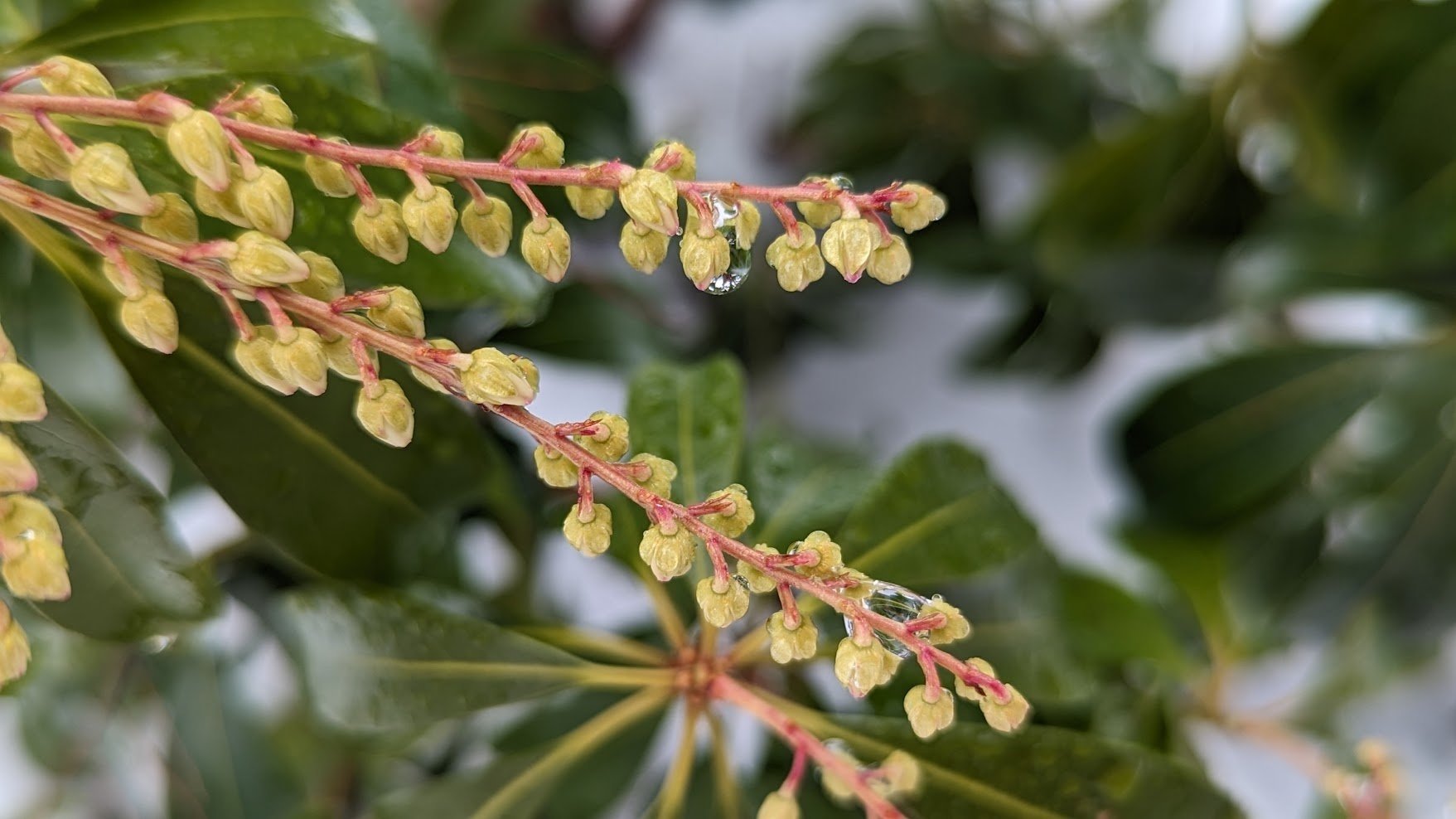
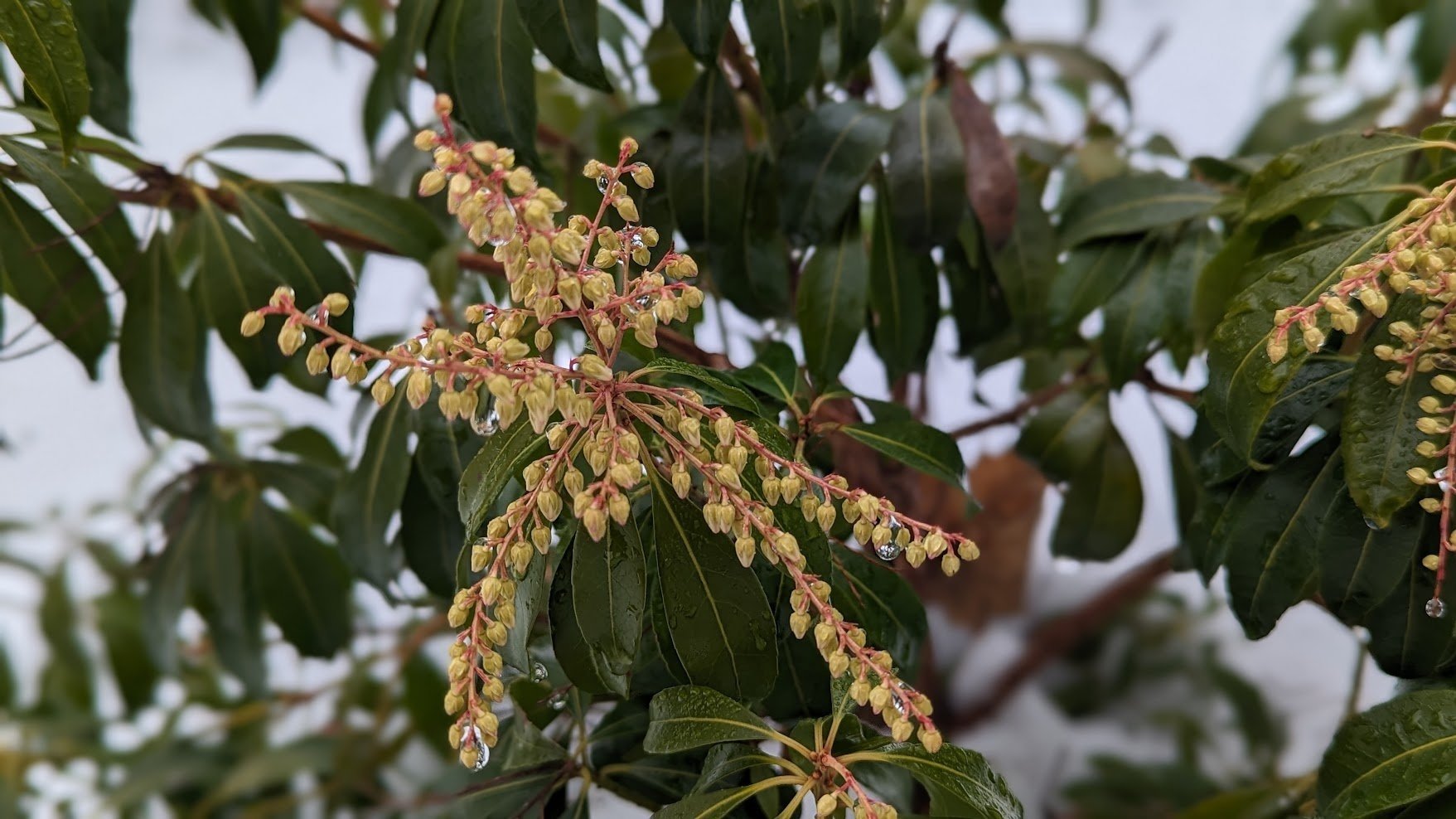
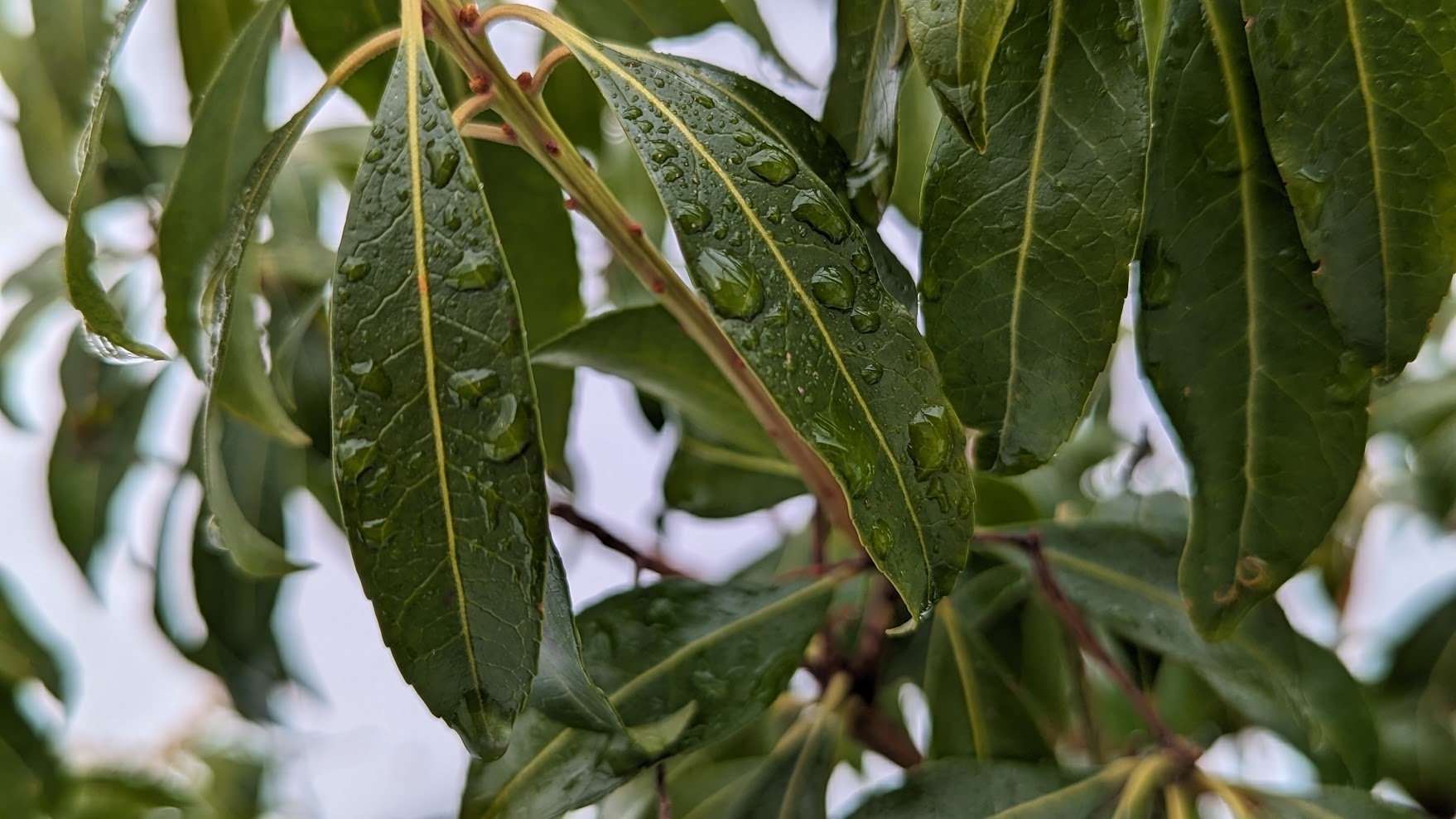
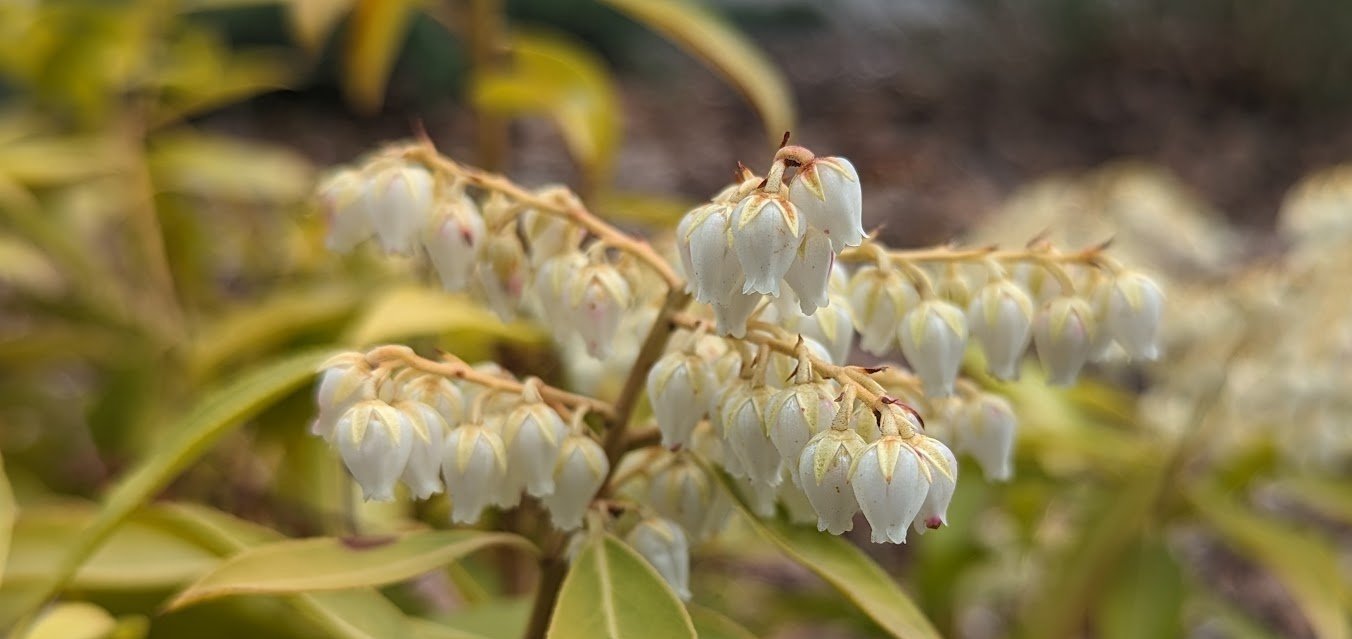
Pieris japonica is a broadleaf evergreen shrub that provides multiseason interest. In early spring, their cascading, delicate, bell shaped flowers bloom for about two weeks. The blooms range in color from white to pink. Simultaneously, bright pink, red, or bronze new foliage emerges, gradually transforming into glossy, oblong evergreen leaves. Beadlike flower buds form in late summer and hold steadfast through winter against their evergreen backdrop.

Deer resistant, slow growing and shade tolerant, Pieris japonica are ideal for adding year round color to mixed borders.

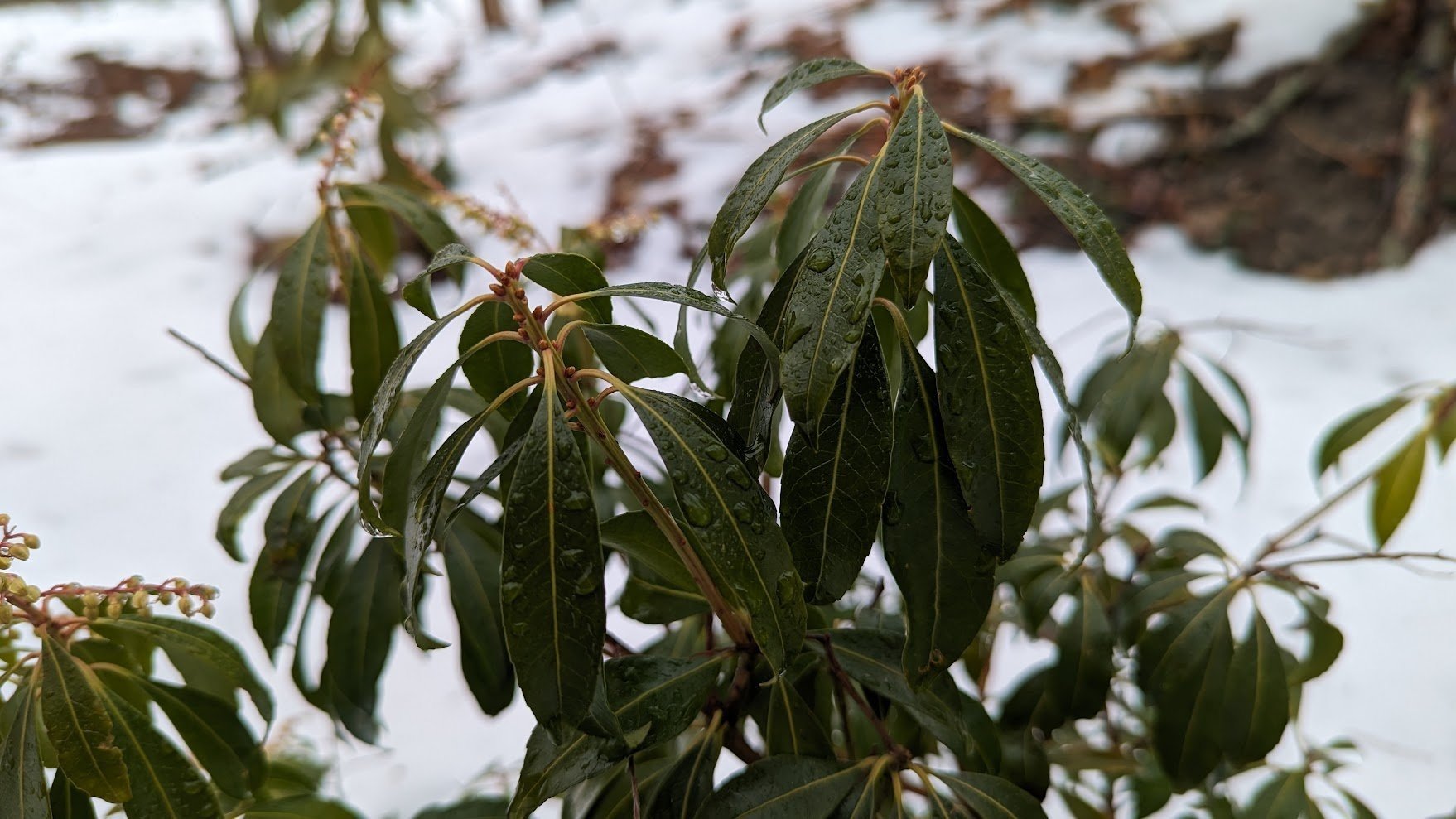
Pieris japonica in late winter

*********************

GROWING CONDITIONS & CARE

Pieris japonica are beautiful year round. They are easy to grow but need to be shielded from rough weather conditions, such as intense wind or rain and do not do well in soggy soil. Keep soil moist and well drained.

  • Growth: 9–12 ft. tall, 6–8 ft. wide, slow growing

  • Light: Sun, partial shade. In Martha’s Vineyard is can be treated as a full sun plant.

  • Soil: Prefers rich, acidic, moist but well-drained soil

  • Bloom Time: Late winter, early spring

  • Flower Color: White, pink

  • Deer resistant!!

  • Good choice for foundations and shrub borders

  • Smaller dwarf varieties can also be planted in containers

 (photo credit Ray Ewing)
(photo credit Ray Ewing)
photo: Ray Ewing
photo: Ray Ewing
pieris+japonica1.jpg
PXL_20230505_173639208.PORTRAIT.ORIGINAL.jpg
Pieris japonica in late winter
PXL_20240327_143707277.PORTRAIT.jpg
PXL_20240327_150005465.jpg
PXL_20240327_150028329.PORTRAIT.ORIGINAL.jpg
 (photo credit Ray Ewing) photo: Ray Ewing pieris+japonica1.jpg PXL_20230505_173639208.PORTRAIT.ORIGINAL.jpg Pieris japonica in late winter PXL_20240327_143707277.PORTRAIT.jpg PXL_20240327_150005465.jpg PXL_20240327_150028329.PORTRAIT.ORIGINAL.jpg

*********************

succession gardening

[plant profile] narcissus

HAPPY GARDENING!

In DEER RESISTANT, MARCH, PLANT PROFILES Tags pieris japonica, broad leaf evergreens, spring blooming shrub
Comment

NARCISSUS

March 19, 2024 Karen Logan

Narcissus poeticus ‘Pheasants Eye’ illustration by karen blackerby logan

NARCISSUS

(DAFFODIL)

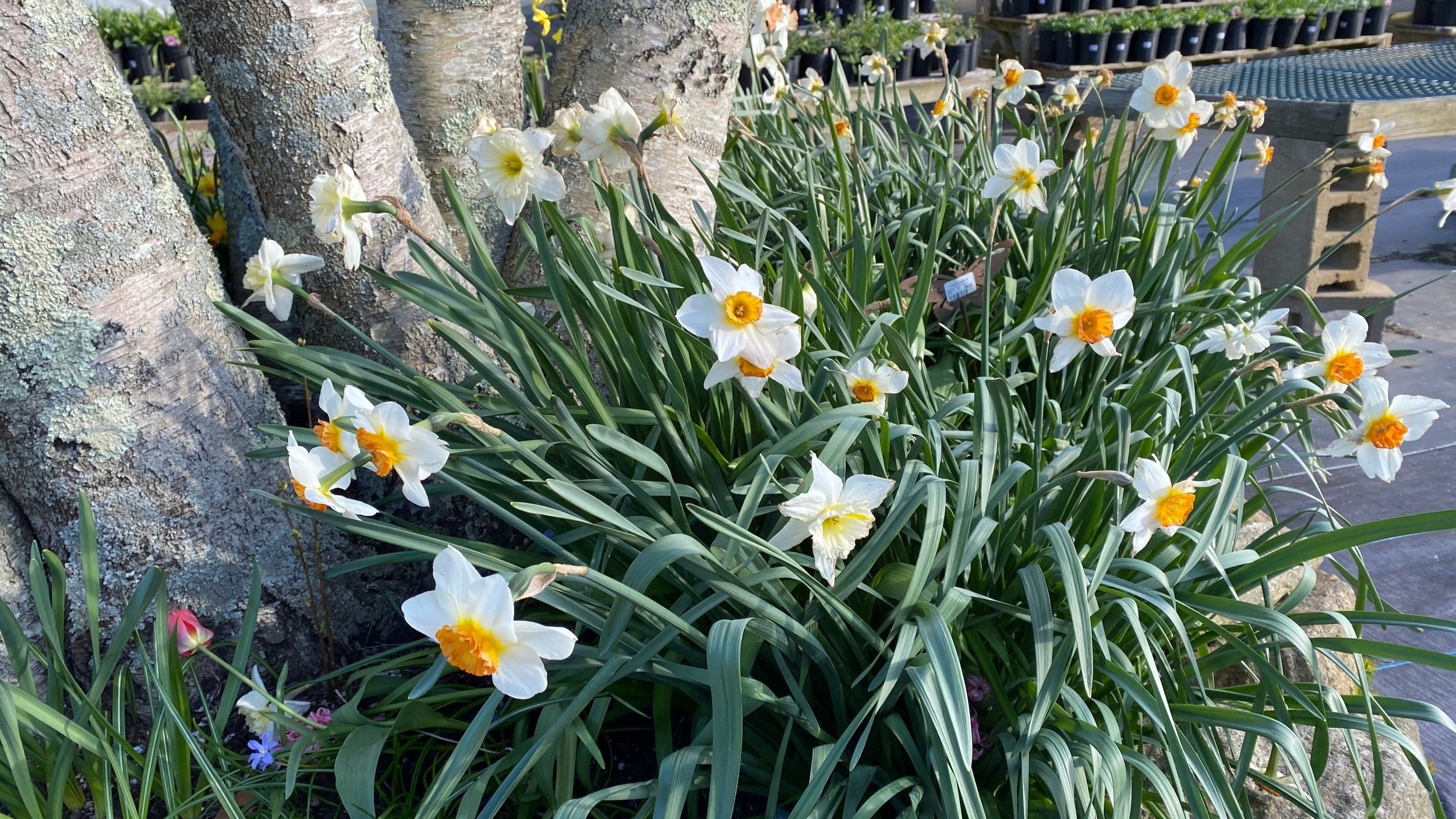
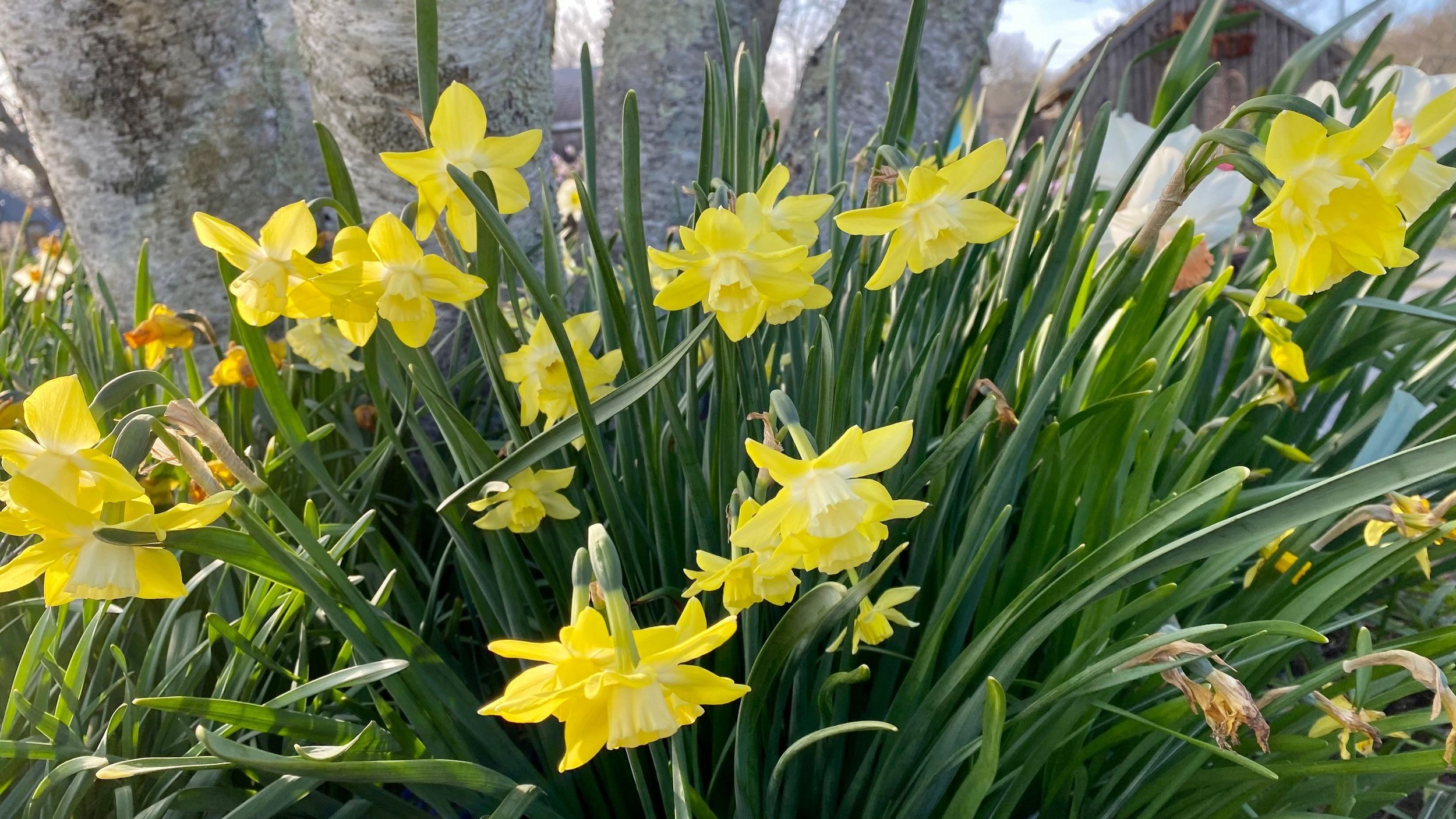
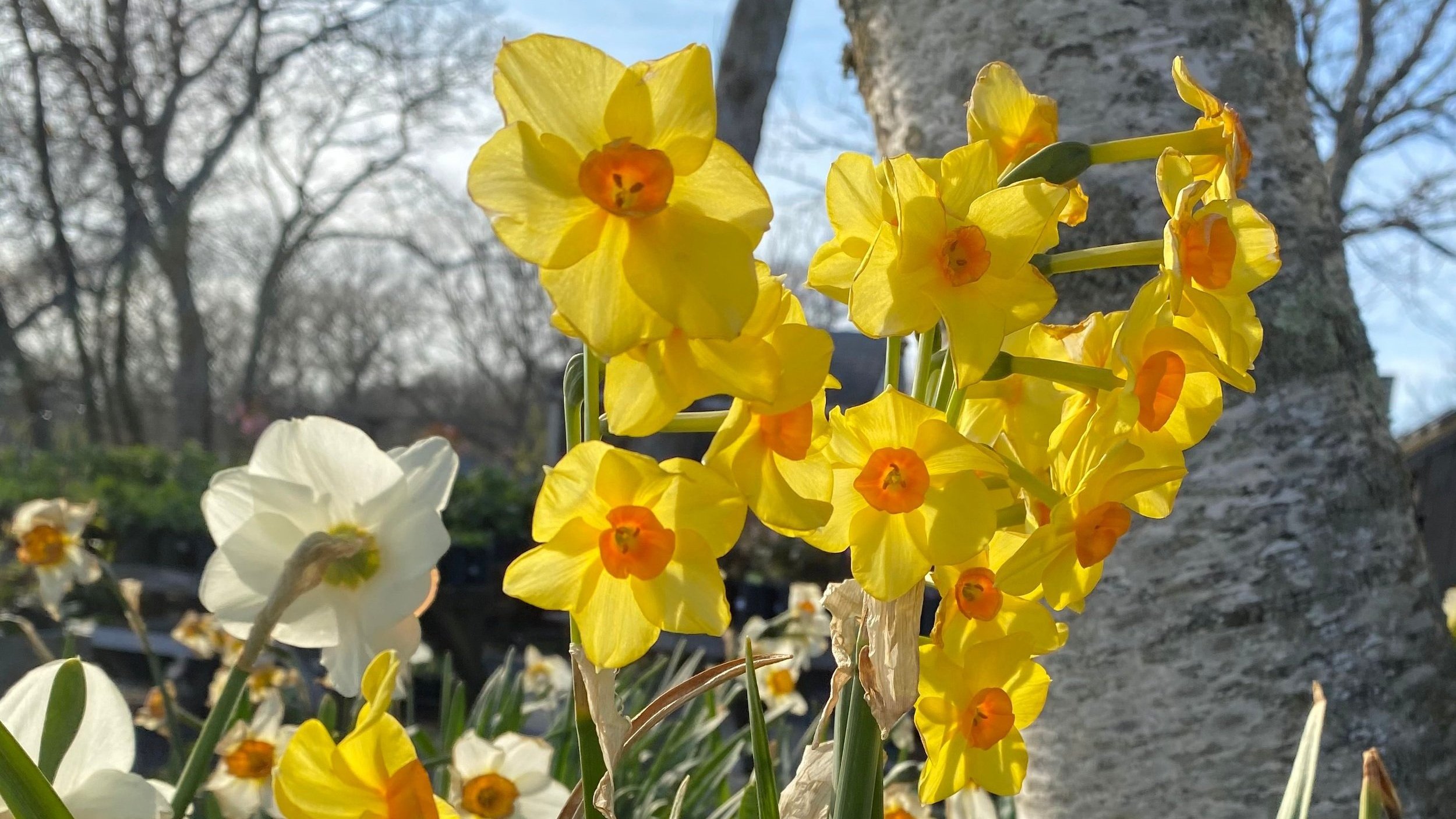
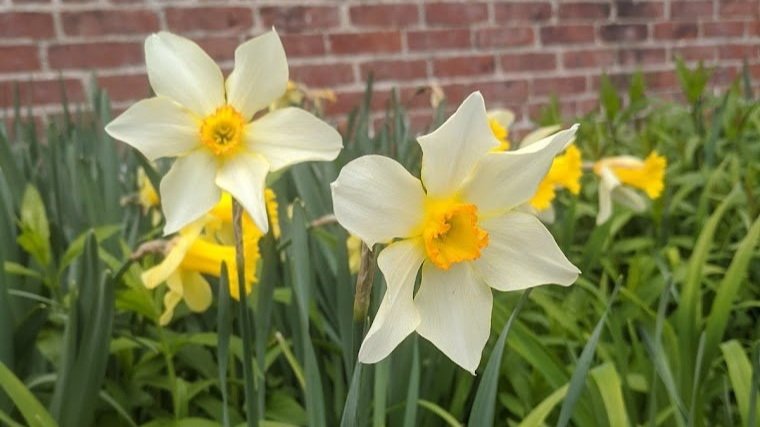
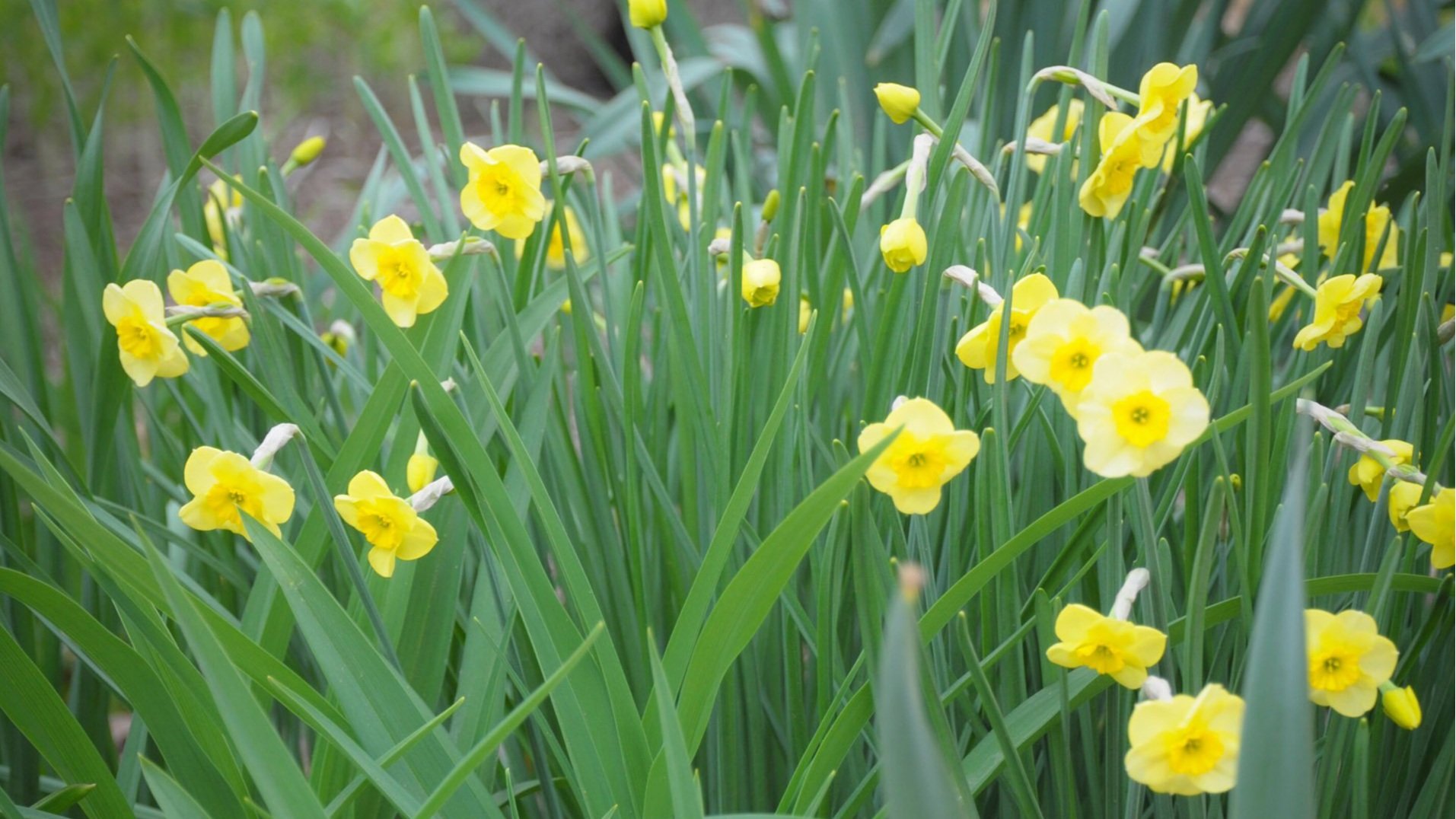
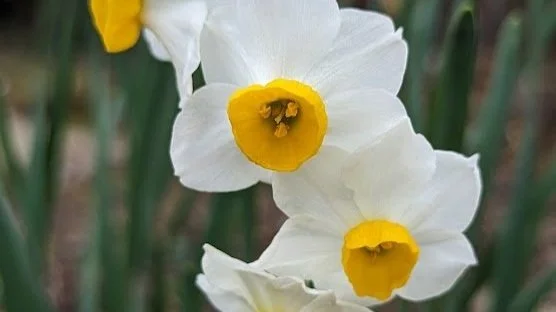
Narcissus, commonly called Daffodils, are hardy spring flowering perennials that come back year after year. They are harbingers of spring, announcing that winter is coming to an end. The large, yellow common daffodil is one of the most ubiquitous springtime plants. There are 40 different species of Narcissus varying in size and ranging in color from white to yellow. They are a great cut flower.

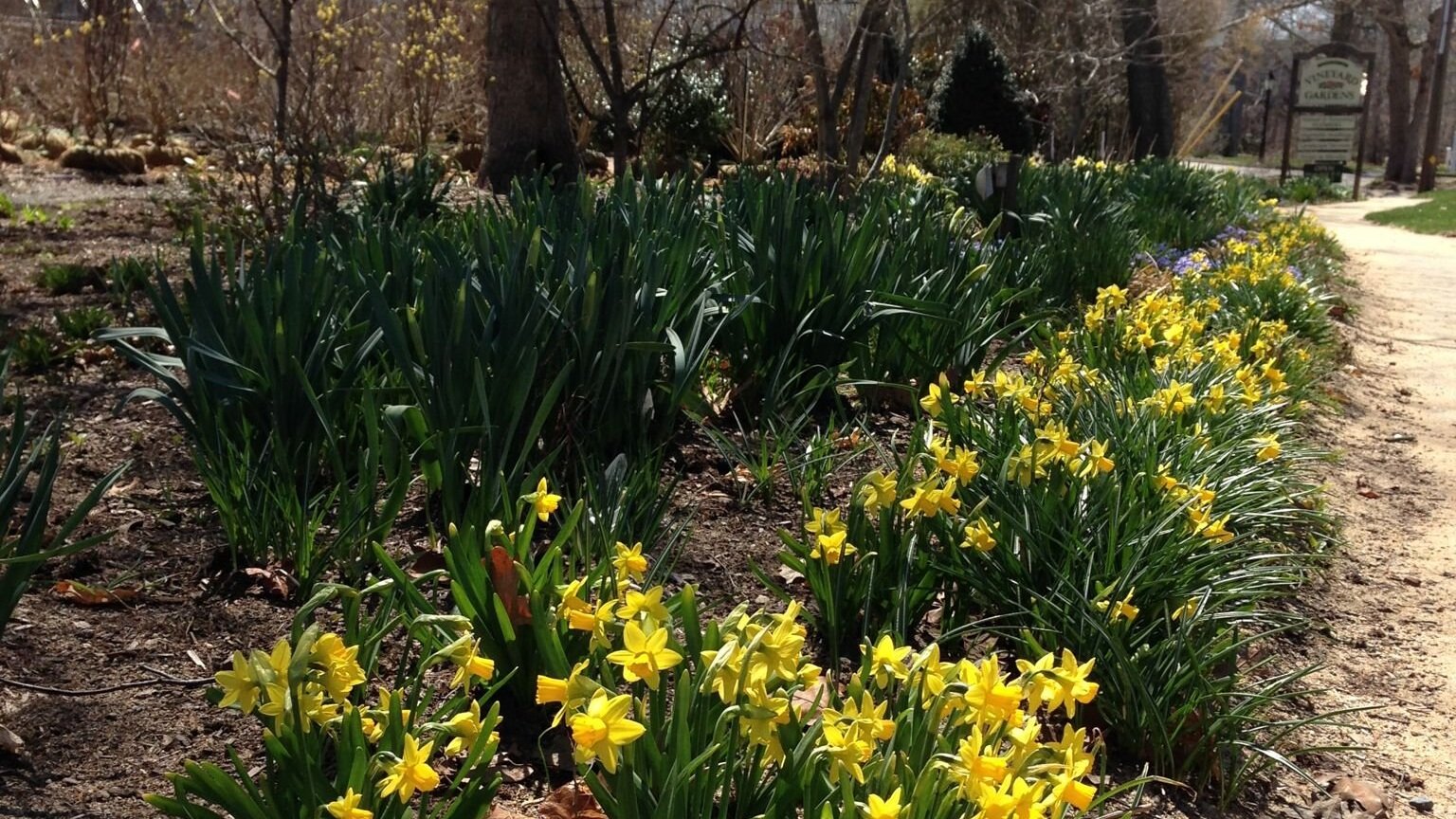
“Plant daffodils, tulips, hyacinths, and crocuses together at the edge of a path or walkway. As the flowers bloom in succession, they’ll mask each other’s dying foliage.” Gardenista

Vineyard Gardens Nursery Front Garden Bed filled with Narcissus

*****************

GROWING CONDITIONS & CARE

Narcissus are spring blooming bulbs that are best planted in September or October. They go dormant in the winter and will bloom year after year while multiplying.

  • Flowering bulbs best to plant in autumn

  • Light: Sun or some shade

  • Plant in clumps in well drained soil

  • Deer resistant!!

  • Flowers should be removed (deadheaded) as they fade.

  • After flowering, let the leaves die down naturally for at least six weeks before removal.

daffodils+tete+e+tete.jpg
daffodils.jpg
daffodils2.jpg
daffodils3.jpg
IMG_20220417_131148.jpg
RDHk_F59.jpg
daffodils.jpg
4O5GcDRX.jpg
daffodils+tete+e+tete.jpg daffodils.jpg daffodils2.jpg daffodils3.jpg IMG_20220417_131148.jpg RDHk_F59.jpg daffodils.jpg 4O5GcDRX.jpg

*****************

NARCISSUS AVAILABLE AT VINEYARD GARDENS THIS YEAR

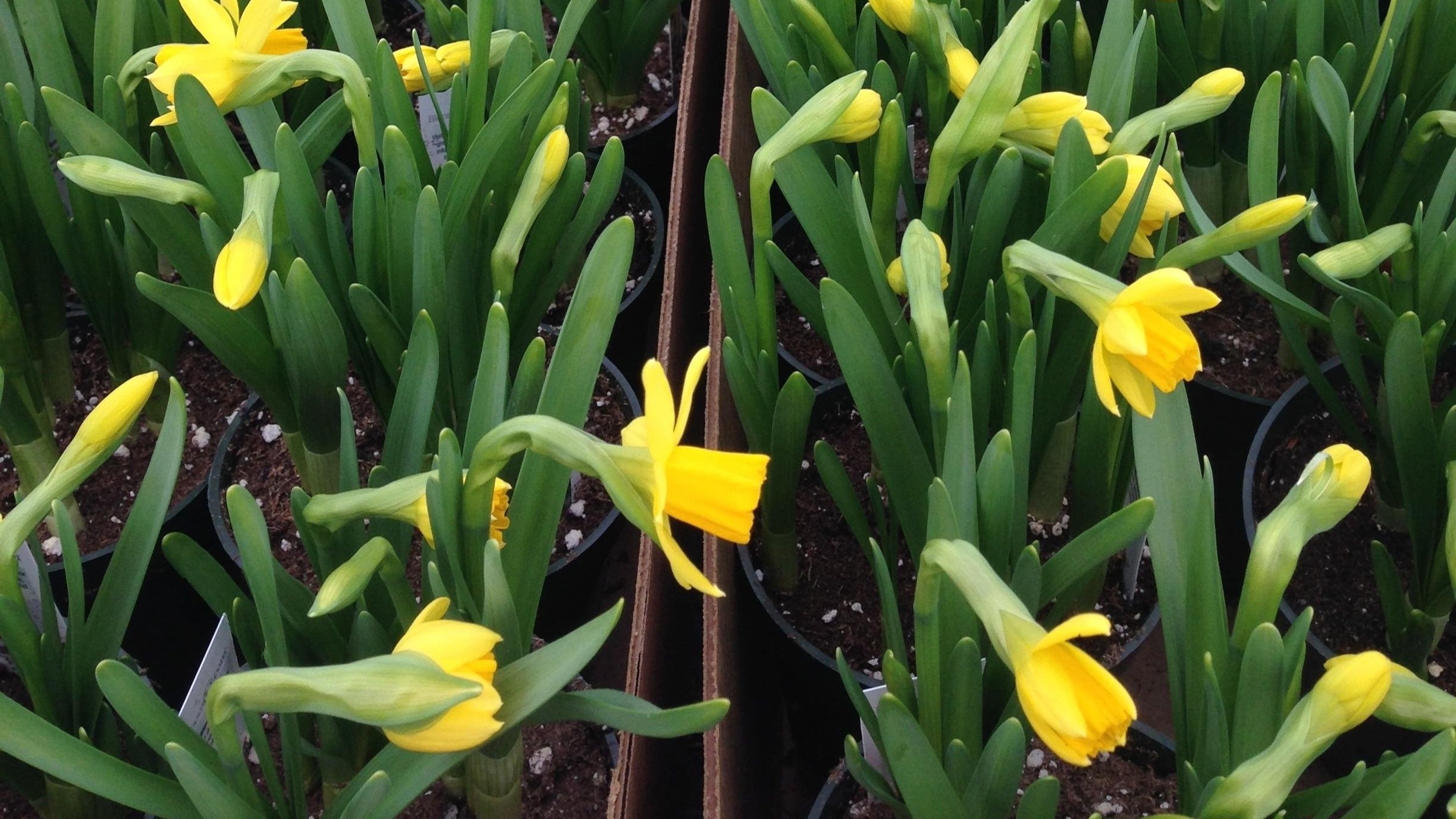
Our Netherland forced bulbs that we potted up in the fall are now available!

  • Narcissus Red Devon

  • Narcissus Double Flowering 'Tahiti'

  • Narcissus cyclamineus 'Jetfire'

  • Narcissus ‘Tete e tete’

  • Narcissus Trumpet 'Dutch Master'

  • Narcissus Fortune

  • Narcissus Large Cupped 'Ice Follies'

We have a lot of the Dutch master variety available!

Narcissus Trumpet 'Dutch Master'

Narcissus Large Cupped 'Ice Follies'

Narcissus cyclamineus 'Jetfire'

Narcissus Double Flowering 'Tahiti'

succession gardening

march garden tips

HAPPY GARDENING!

In SPRING PLANTS, DEER RESISTANT, MARCH, PLANT PROFILES Tags Daffodils, Narcissus, spring perennials, fall planted bulbs
Comment

SUCCESSION GARDENING

March 15, 2024 Karen Logan

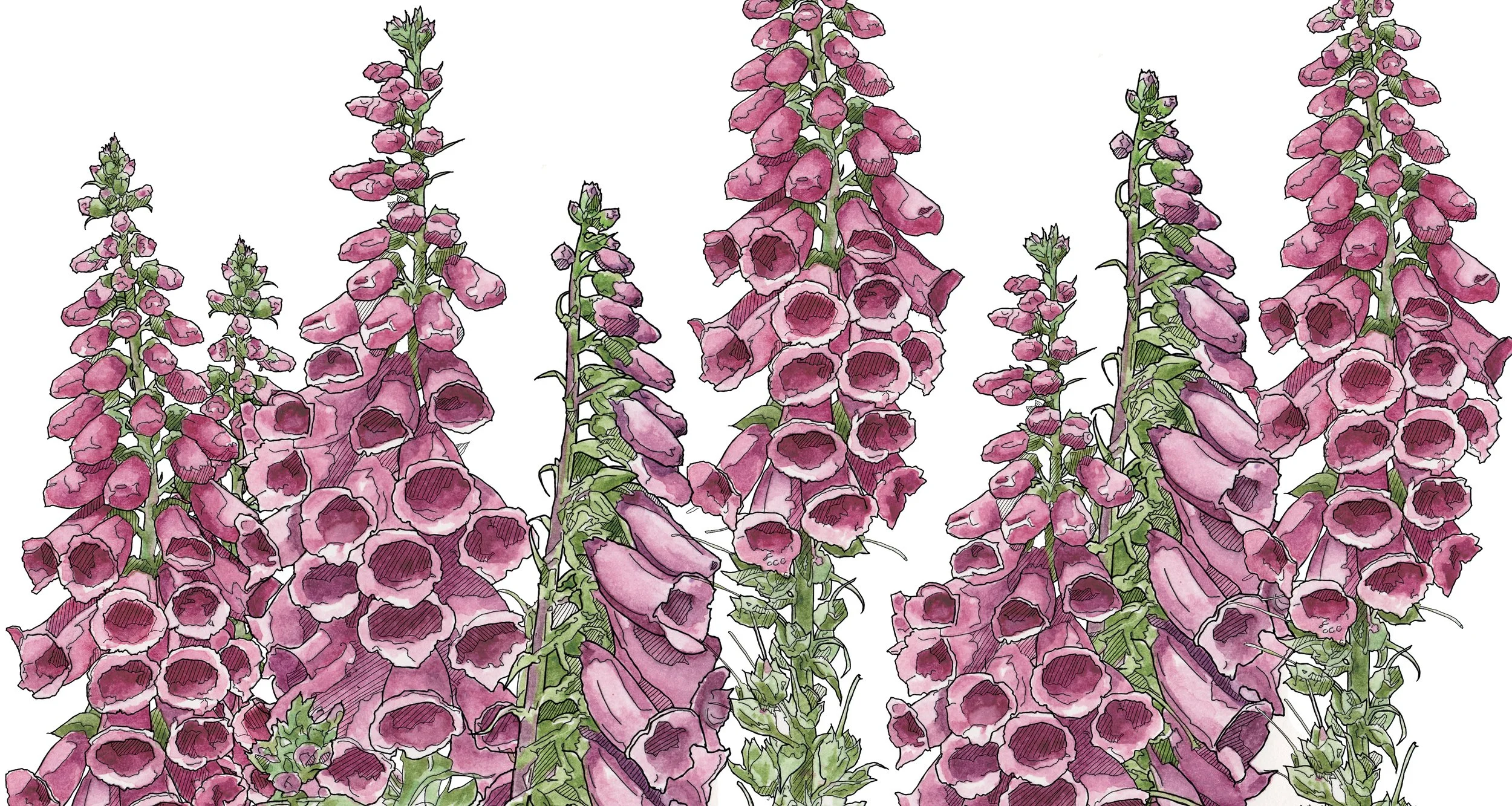
Digitalis purpurea illustration by karen blackerby logan

SUCCESSION

GARDENING

*********************

There is a time in early summer when groups of perennials are either ending their season or just starting their growth spurts. During this ‘in-between’ period in June, the addition of hardy annuals effectively bridges the blooming gap filling in the empty space of spent perennials. This strategic planting is known as succession gardening, a layered gardening style that has continuous blooms throughout the season. Succession gardening breathes more color, cut flowers, birds and bees into the garden.

Vineyard Gardens Nursery

We seeded an assortment of hardy annuals last fall, such as Cornflowers (Centaurea cyanus), Ladybird poppies (Papaver commutatum), Rose of Heaven (Silene ‘Blue Angel’), Larkspurs, Feverfew, Queen Anne’s Lace (Ammi Majus), Snapdragons (Antirrhinum) and some biennials like Lychnis coronaria, Digitalis purpurea (hybrids) and Verbascums that bloom early and will flower through June and some into July. In addition to blooming in June, these annuals knit together a beautiful planting scheme with the evolving summer perennials.

Hardy annuals can be used both in formal gardens and natural settings.

Digitalis purpurea

Feverfew

Verbascum thapsis

SUCCESSION GARDENING TIPS

*********************

The flowers of hardy annuals can occupy negative space in June and then the foliage of neighboring perennials fill that space in July.

  • Hardy annuals are best planted early, typically around mid march, depending on the weather. Planted early they will give you the maximum desired effect.

  • Vineyard Gardens has a great selection of our fall sown hardy annuals that are available now and ready to plant.

  • These plants can be directly sown in the spring but will not give you the size, vigor or highly anticipated jaw dropping display due to the warmer temperatures as spring progresses.

Alternatively, hardy annuals can be removed in July and replaced with tender annuals.

Tender annuals include Cosmos, Dahlias, Tagetes, Browalia, Ageratum, Coleus, Impatiens or Cleome. 

*********************

Cornflowers (Centaurea cyanus)

Verbascum thapsis

Digitalis purpurea ‘Apricot’

succession planting

Great Dixter

gardening tips

March

Digitalis purpurea 'Cream'

In GARDEN TIPS, MARCH, ANNUALS, FIELD NOTES Tags hardy annuals, succession gardening, Digitalis purpurea
Comment

WINTER PROJECTS

February 5, 2024 Karen Logan

As we prepare for spring, pouring over seed catalogs and drooling over our friends’ Instagram posts from Colombia to the Mekong Delta, it is a good time to get outside and accomplish some garden tasks that will be put aside once the bulbs begin to break ground. If the prospect of tree climbing and brush hauling is deterring you, remember that Vineyard Gardens’ landscape crew is working year round and available to help. Below are a few of the garden tasks that you could be chipping away at during these mild February days.

*************

PRUNING GRAPE VINES AND FRUIT TREES

Grapes may look a mess this time of year and it may be tempting to simply cut them back, but the process of pruning them is best demonstrated. Like riding a bike, once you’ve done it a few times it gets easier.

Fruit trees are a bit trickier due to variety, special growth patterns and fruiting strategies but the basic rule of thumb is to open up the inside allowing for good air circulation and access to sunlight. Remove dead or diseased wood and a few of the older branches and crosses. Remove about 1/3rd of the older wood but preserve a balanced structure.

Once the pruning is complete and the weather has warmed up, spray with Dormant, aka Horticultural Oil. This is a non-toxic spray that coats the stems and bark with a mild pesticide that helps control most types of pests that can plague fruit trees and plants in the Rose family.

pruning grapes

watch & learn

pruning grapes

illustrated guide

pruning fruit trees in winter

watch & learn

*************

SHAPING AND REMOVING DEAD WOOD FROM CONIFERS AND EVERGREENS

Evergreens often outgrow their allotted space. They tend to keep their foliage on the sunny side of the plant, leaving the back sparse and leggy. They also tend to hold onto old wood that can harbor mold, mildew and fungus. Thinning out the old dense branching and accumulation of discarded foliage can lighten up the overall structure and make for a healthier plant. Some evergreens have a hard time producing new growth on old, hardened off wood. Hollies and Boxwood are a couple that appreciate being cut back hard,  called “hat-racking”.  

Holly

pruning hollies

watch & learn

A "hat-racked" Holly from this year. Stay tuned to see how it looks throughout the growing season.

*************

CUTTING BACK ORNAMENTAL GRASSES

A perfect late-winter project! Ornamental grasses hold up well through most of the winter, providing volume, screening and an attractive feature in the winter landscape.  Make sure to cut them back in early Spring or you’ll end up cutting off  new growth. The grasses do not need to be flush cut, they can be cut at angles or domes, the object is to clear away old canes before  new growth begins to emerge.  A hedge trimmer or hand pruners can be used.

Karl Foerster Grass

*************

HEADING BACK LATE SUMMER FLOWERING SHRUBS

Martha's Vineyard homeowners tend to favor late summer flowering shrubs such as Pee Gee Hydrangeas, Bluebeard Caryopteris, St. John’s Wort, Butterfly Bush and Rose of Sharon. These shrubs  perform best with a hard cut back before new growth begins to emerge. Be careful not to cut back your common blue type of Hydrangea, Hydrangea macrophylla, because these hold their flowering buds at the tips of last years’ growth. Wait to prune lilacs until after they have flowered.

Winter is the best time to prune most deciduous trees and shrubs. Removing dead wood and reducing their size. A couple of exceptions being lilacs and Hydrangea macroph

These tip buds hold this season's flowers. Be careful not to trim them off

These tip buds hold this season's flowers. Be careful not to trim them off

Hydrangea bud

Hydrangea bud

Last year's cuts on a Pee Gee Hydrangea. This year leave a couple of buds beyond for a big, full flowering.

Last year's cuts on a Pee Gee Hydrangea. This year leave a couple of buds beyond for a big, full flowering.

A fall cleanup cut. Notice last year's cuts on these Annabelle Hydrangeas. The Annabelle's are very forgiving, but if you leave this much stem length on them they'll tend to flop more.

A fall cleanup cut. Notice last year's cuts on these Annabelle Hydrangeas. The Annabelle's are very forgiving, but if you leave this much stem length on them they'll tend to flop more.

*************

ROSES

This can be the time to cut out dead, broken and/or diseased wood from roses as well.

Most roses will benefit from a hard structural pruning at this time. Be sure to keep your pruners clean and sharp. Carry with you alcohol wipes to clean the blades when moving from one plant to the next. This will help prevent spreading virus and fungal spores. Always keep the area under roses clean from debris and refresh top-dressing every year. This is where pests can deposit eggs and where fungus spores collect. These steps may not eliminate black spot, Japanese beetles or aphids but it will make it easier to keep them under control. Later you can spray with Horticultural oil, as with your fruit trees.

*************

REPAIRING SETTLED STONEWORK

Now would be a good time to reset cobble edging and patio pavers that have settled and become uneven.

  1. You can get a couple buckets of sand from Keane’s or Goodale’s

  2. Pull up a section of pavers

  3. Spread out the sand. A trick when doing this is to spread the sand under the edges of the stone leaving it lower or a little hollow in the center to prevent rocking.

  4. Reset the stones. The stones can be left slightly higher than grade to allow for settling.

While doing this, observe where you have standing water and erosion problems. These can be corrected by digging a shallow trench towards lower grade and back-filling with pea stone. Plan ahead and fill some pockets at the joints with a sand/compost mix to allow for planting “Stepables” like Thyme or Blue Star Creeper Isotoma fluviatillis when they come available later in the Spring.

*************

CLEANING AND SHARPENING YOUR TOOLS

Be prepared! If you don’t have the equipment to sharpen your pruners, loppers, hedge shears and pruning saw’s you can collect them together and drop them off at the Vineyard Gardens office across from Keane’s to have them sharpened for a modest fee. You should also clean and sharpen your spades and shovels, it will make your garden tasks so much easier and safer. Its good practice to keep a 5gal. bucket with sand mixed with old, used motor oil in it around to clean your tools after using them.  This is also a good time to oil the wood stocks of any tools with wooden handles, it will give it a chance to soak in and renew the grain making them stronger and last longer.

Winter is a great time to clean and sharpen tools.

*************

CLEARING OUT GUTTERS AND LEAVES COLLECTED AROUND THE FOUNDATION OF THE HOUSE

With all the spring rains you’ll want to be sure that the gutters are running clear, even if you cleared them out after the fall leaf drop. It is best practice to check again.  It also gives you a chance to make sure there was no damage during the winter from the weight of ice and snow.

It's generally good to keep debris from accumulating around the foundation of the house as well. This is where rodents and general pests will tend to nest, protected against a nice warm foundation.

During mid-Winter mild spells we are encouraged to get out and accomplish some neglected garden chores.

............................................................................................................................
If all this seems daunting, do what you can and  Vineyard Gardens can take care of the rest. Please call the Vineyard Gardens Landscaping office at (508) 693.8512   

Time waits for no one and spring is just around the corner. The Nursery will open in March, giving you  a month to prepare.

In GARDEN TIPS, FIELD NOTES

PROVEN WINNERS: A NEW VISION FOR NATIVE SHRUBS

December 14, 2023 Karen Logan

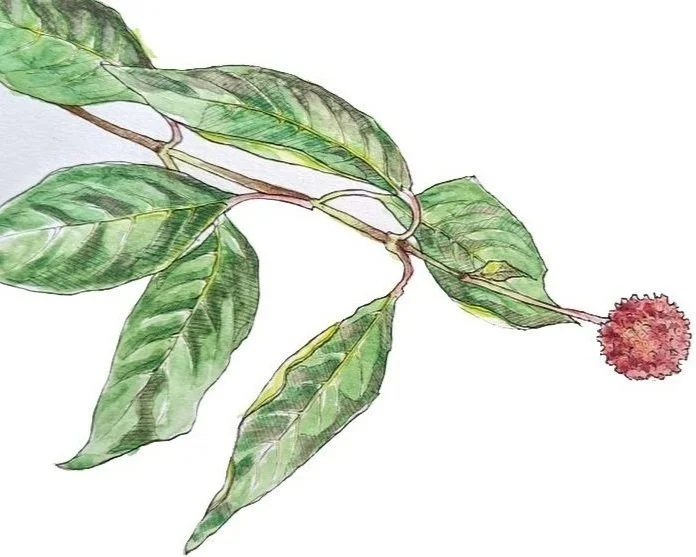
Buttonbush [illustration by karen blackerby logan]

A New Vision

for Native Shrubs

Proven Winners is shedding light on the importance of bringing native plants into the home landscape.

*********************

Vineyard Gardens grows most of these native plants at the production site in West Tisbury!

Stop by in the spring to add some of these native shrubs to your own garden and watch the biodiversity enrich your yard! A great winter read to get you excited for the growing season and to learn more about the importance of planting native is Doug Tallamy’s book Bringing Nature Home and Home Grown National Park.

*********************

Photo / information credit: Proven Winners

In NATIVE PLANTS, DECEMBER, FIELD NOTES Tags native shrubs, proven winners, buttonbush
Comment

OVERWINTERING HYDRANGEAS

November 9, 2023 Karen Logan

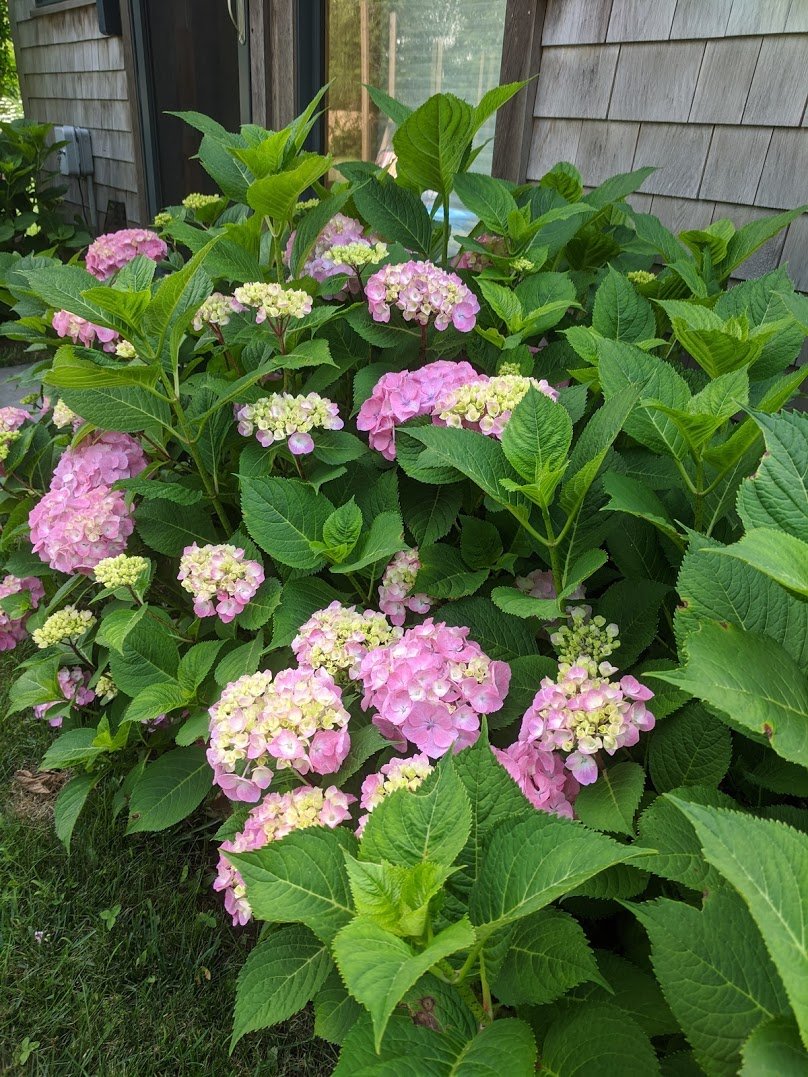
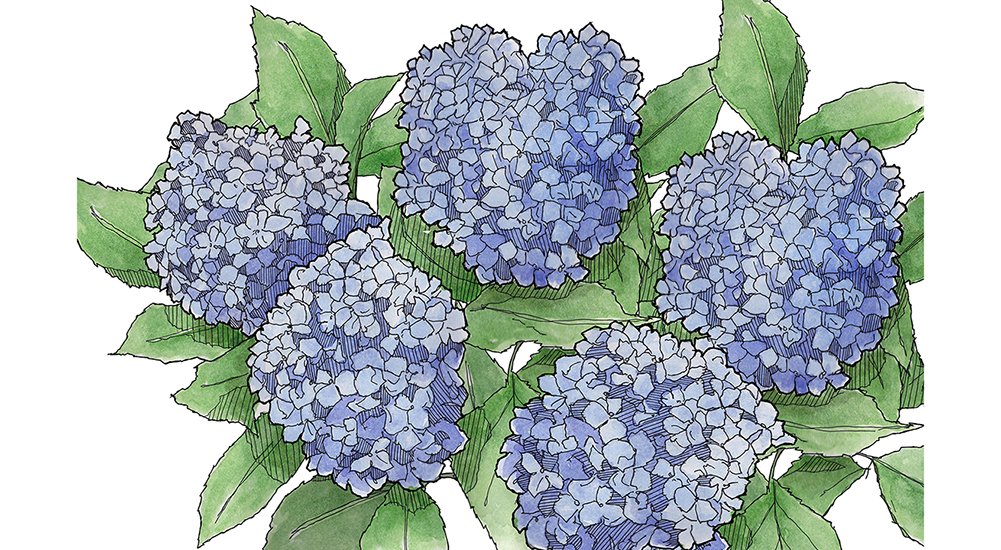
Hydrangea [illustration by karen blackerby logan]

Protecting

Hydrangeas in Winter

The cool weather is here so let’s make sure our hydrangeas are ready for winter! Here are some simple guidelines to help keep your hydrangeas healthy for next summer.

Overwintering

Hydrangea

Checklist

1. Stop Fertilizing

2. Don’t Prune

3. Water Until Frost

4. Insulate Plants

5. Bring Plants Inside

* LEARN MORE *

************

Summer Blooming Shrubs Affected By Late Spring Freeze 

Did you wonder why your beautiful summer blooming shrubs did not perform as well this year?

Many of you asked why your typically prolific summer blooming shrubs like Mophead Hydrangeas, Vitex and Butterfly Bushes had died back so heavily this summer. The reason this occurred was due to warm temperatures in the spring followed by a cold snap. The temperature dropped below five degrees for two days and the plants had not fully acclimated. These plants are typically well adapted to the lows of our hardiness zone but the temperature dropped below that zone. The good news is the ground did not freeze so most of those shrubs survived. When cut back to the new growth they flowered.

The shrubs most affected by the freeze that our commonly used in Vineyard landscapes:

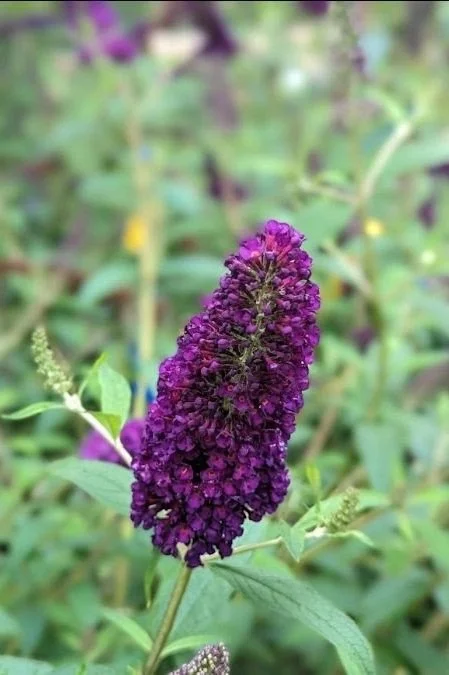
Budleia_ Butterfly Bush

- VITEX

- BUTTERFLY BUSH

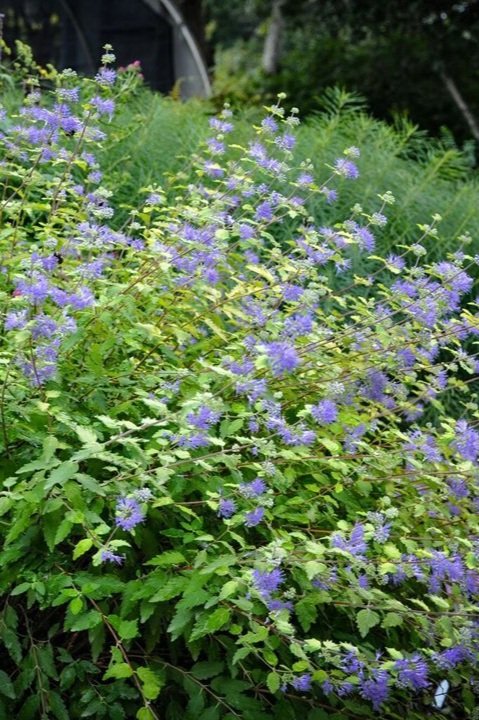
- CARYOPTERIS

- CREPE MYRTLE

- BLUE MOPHEAD

HYDRANGEA

Caryopteris x clandonensis

SALE

closing for the season sale!

EVERGREENS

for screening

In NOVEMBER, FLOWERING SHRUBS, FIELD NOTES Tags hydrangeas, overwintering hydrangeas
Comment

CAMELLIAS

October 24, 2023 Karen Logan

CAMELLIAS

Broad leaf evergreens with showy flowers and shiny foliage. They are native to Eastern and Southern Asia.

Protect your Camellias, the deer will eat them!

******************

CAMELLIA JAPONICA

Camellia japonica is the species most available in the trade. It is cultivated for its beautiful flowers and it’s shiny leaves. There are over than 200 cultivars of C japonica. First seen in Europe in late 1800’s but originated in Asia hundreds of years earlier. They have a variety of flowers from singles to doubles to anemone flowered. C. japonica flowers in late winter into spring. They can get 6-8 ft tall here on Martha’s Vineyard. Polly Hill Arboretum in West Tisbury is a great place to see them when they are in bloom. C. japonica tend to have hardiness issues this far North so make sure to plant them in a protected spot. They are much more popular in the south where they grow much bigger.

The Ice Angel series are the hardiest of camellias we know.

  • “Winter Snowman” has a double white flowered bloom.

  • “April Remembered” has a soft pink bloom. It is a hardy Camellia developed and introduced at the University of North Carolina and Camellia Forest Nursery in Chapel Hill, NC. Growing Camellia’s on the Vineyard can be frustrating but when successful, very rewarding. There are many species and selections but most often grown are C. japonica and C. sasanqua. The plants themselves are reliably hardy outdoors but because they tend to flower in late winter/early spring the flowers are often burnt by freezing temperatures. This doesn’t seem to daunt those who desire their large, formally structured flowers. The plants can become large in time or easily kept trimmed to a neat, tight shrub.

care

*******

* Prefers soil rich

in organic matter

* Likes lots of water

yet well drained soil

* They are not

drought tolerant

* Must be protected

from deer

*Afternoon shade is best

Camellia japonica

plant

*******

* Plant against the

house or a stone wall to

offer some winter

protection

* Prefers a protected

spot because this

far north they are at the

marginsof their

hardiness zone.

******************

CAMELLIA SASANQUA

The flowers on the C. sasanqua’s tend to be smaller and less formal but are produced in abundance in the late autumn. This works in our favor here on the Island since we tend to have a long, languorous fall season. The sasanqua’s flowers also come in a range of colors from red through pink to white in singles and doubles and have the added advantage of being fragrant. Its not sweet or pungent its more a clean, fresh, woodsy scent that is delightful and unexpected.
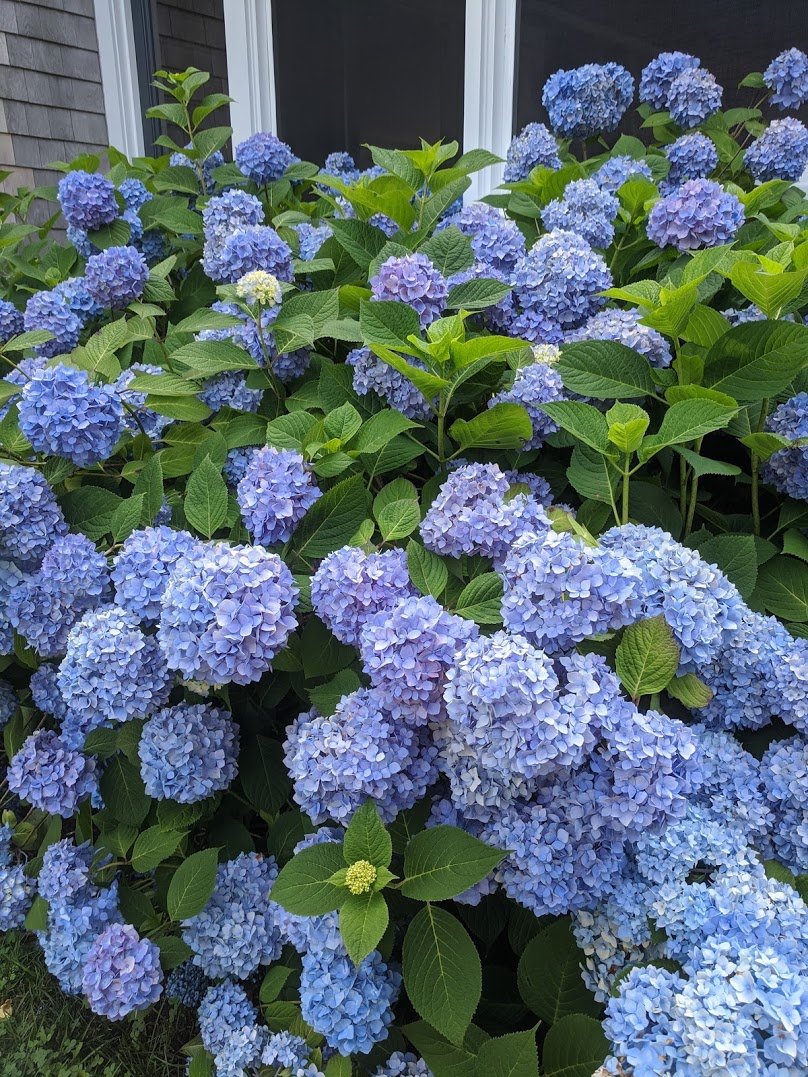
Camellia Sasanqua

C. sasanqua

*******

Think ahead for

what your garden

will be like in the

Vineyard’s long,

mild autumn.

Camellia sasanqua

augment the fall garden

and make lovely, hardy

additions to it.
Camellia Sasanqua

******************

Camellia Sinensis

The tea we drink comes from the steeped and fermented leaves of C. sinensis. The preparations determines whether it is green or black tea. [We do not carry C sinensis but mention it only as a point of interest.]
In FALL PLANTS, OCTOBER, PLANT PROFILES Tags camellias, fall flowers, broad leaf evergreens, camillia japonica

FALL GREENS!

October 3, 2023 Karen Logan

Cool weather greens & herbs [illustration by karen blackerby logan]

**************************

GREAT TIME TO PLANT

YOUR FALL GREENS!

Grow your own lettuce, arugula, spinach and annual herbs like cilantro, parsley and dill! Tastes best fresh from your garden!

**************************

END OF SEASON SALE!

Raspberries and Blackberries 50% off
Mandevilla Vines 50 % off

Mandevilla Vines

Killarney Raspberries

Blackberries

Mandevilla

harvest festival

saturday october 7th

this fall think spring

plant spring bulbs

In SEPTEMBER, VEGETABLE GARDENS, FIELD NOTES Tags cool weather vegetable, fall greens, lettuce
Comment

THIS FALL THINK SPRING!

September 25, 2023 Karen Logan

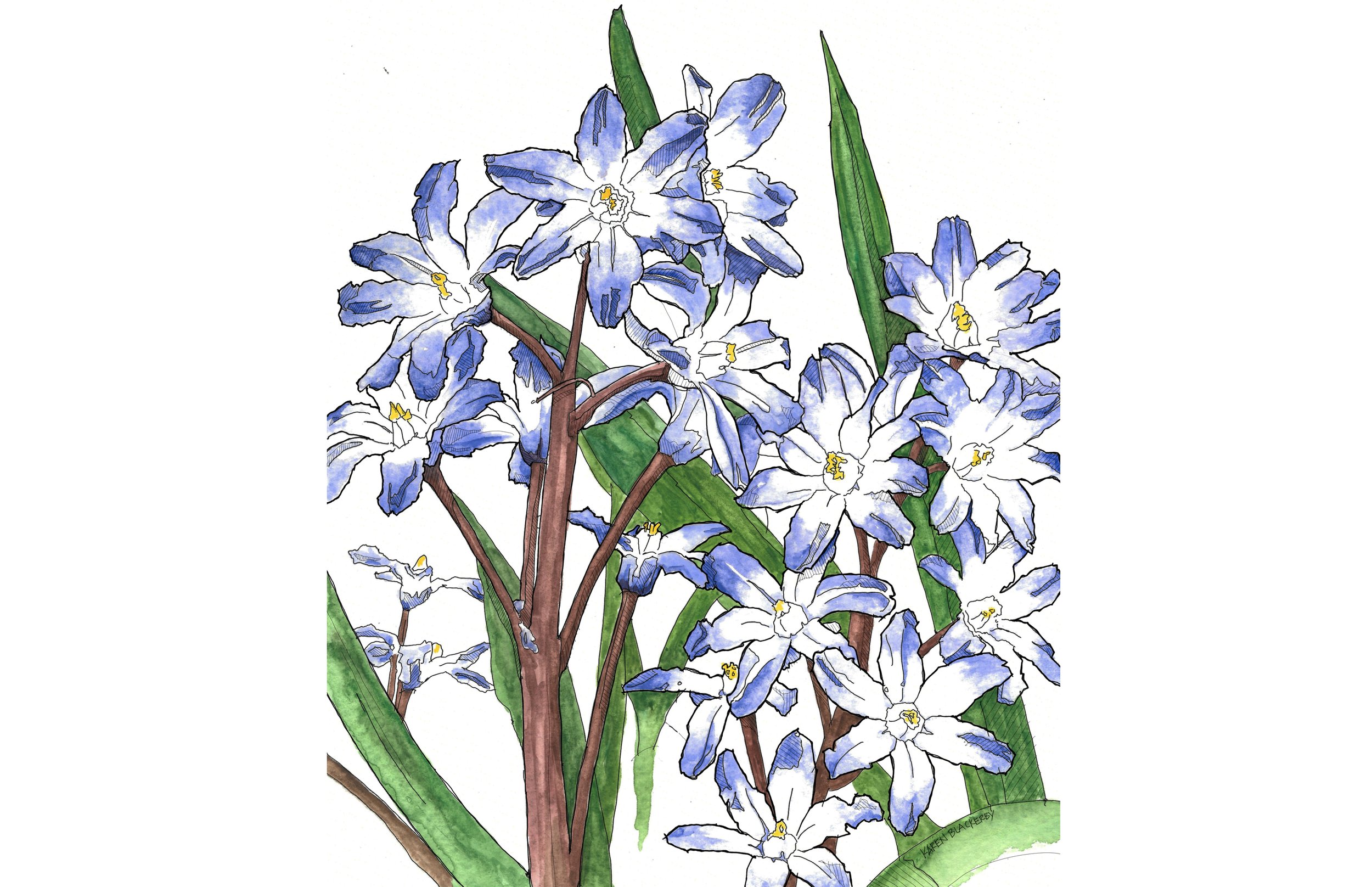
Chionodoxa [illustration karen blackerby logan]

BEST TIME TO PLANT

SPRING BULBS!

We have a variety of fall bulbs ready to plant! Plant them out now and they will be blooming in the spring!

*******************

BULBS WE HAVE AVAILABLE

Narcissus // Allium // Camassia // Iris // Leucojum // Tulips

************************************

In SEPTEMBER, FIELD NOTES Tags fall planting, spring bulbs, spring bulbs planting tips, nederland bulb company

PUMPKINS HAVE ARRIVED!

September 23, 2023 Karen Logan

Pumpkins [illustration by karen blackerby logan]

IT’S FALL Y’ALL!

And we have all the plants, pumpkins and gourds to make this time of year festive!

PUMPKINS // FALL MUMS // ORNAMENTAL KALE, CABBAGE & PEPPERS // HOME GROWN GOURDS // ASTERS

**************************

**************************

A VARIETY OF PUMPKINS TO CHOOSE FROM!

SUGAR PUMPKINS // CINDERELLA PUMPKINS // WHITE PUMPKINS

Sugar pumpkins

Sugar pumpkins

Fall Display [ Asters, Mums & Pumpkins]

Cinderella & white pumpkins

**************************

OUR OWN HOME GROWN GOURDS!

**************************

SPICE UP YOUR GARDEN WITH “ORNAMENTAL” CABBAGES, KALE & PEPPERS

**************************

ASTERS

**************************

FALL MUMS

4” Mums

medium mums

**************************

FALL PLANTED BULBS

We have a variety of fall bulbs ready to plant, including daffodil and tulip bulbs. Plant them out now and they will be blooming in the spring!

harvest festival

saturday october 7th

asters & goldenrod

beauty & pollinator benefits

autumn garden

learn more

Fall mums [illustration by karen blackerby logan]

In SEPTEMBER, FALL PLANTS Tags Vineyard Gardens Harvest Festival, pumpkins on martha's vineyard, gourds, harvest time, fall mums, Asters
Comment

FEATURED PROPERTY BY VINEYARD GARDENS LANDSCAPING

September 6, 2023 Karen Logan

A QUIET OASIS

VINEYARD GARDENS LANDSCAPING HARMONIOUSLY MERGES THIS CHILMARK PROPERTY INTO ITS NATIVE ECOSYSTEM

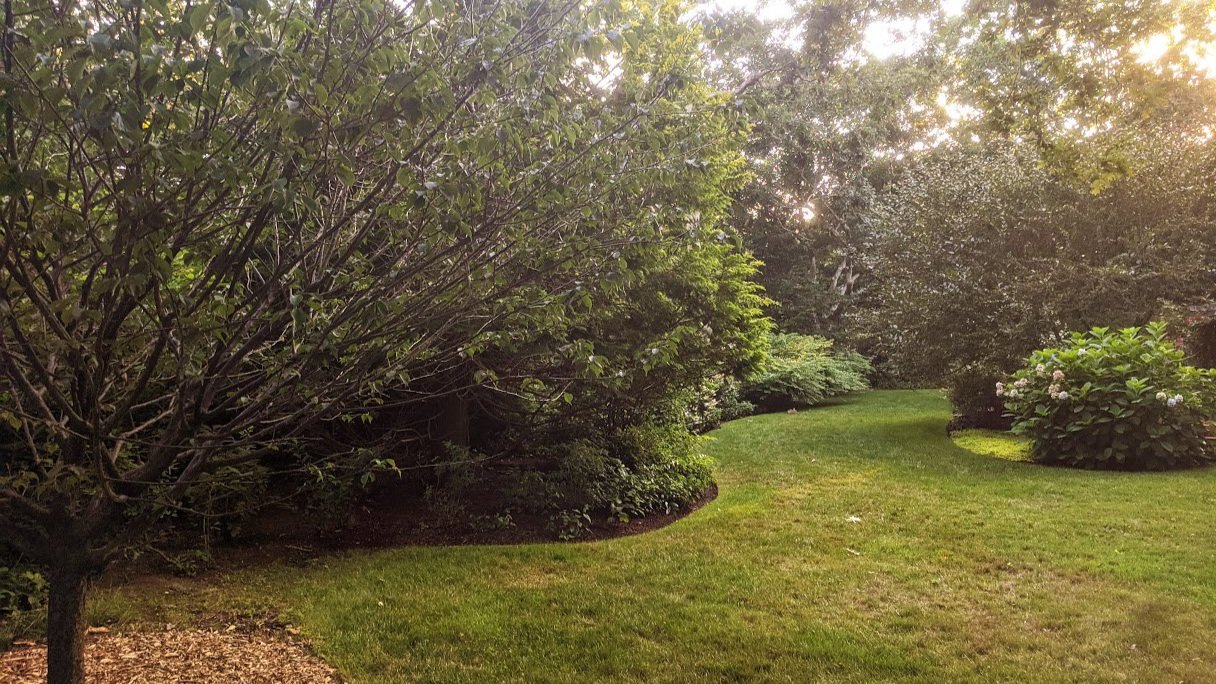
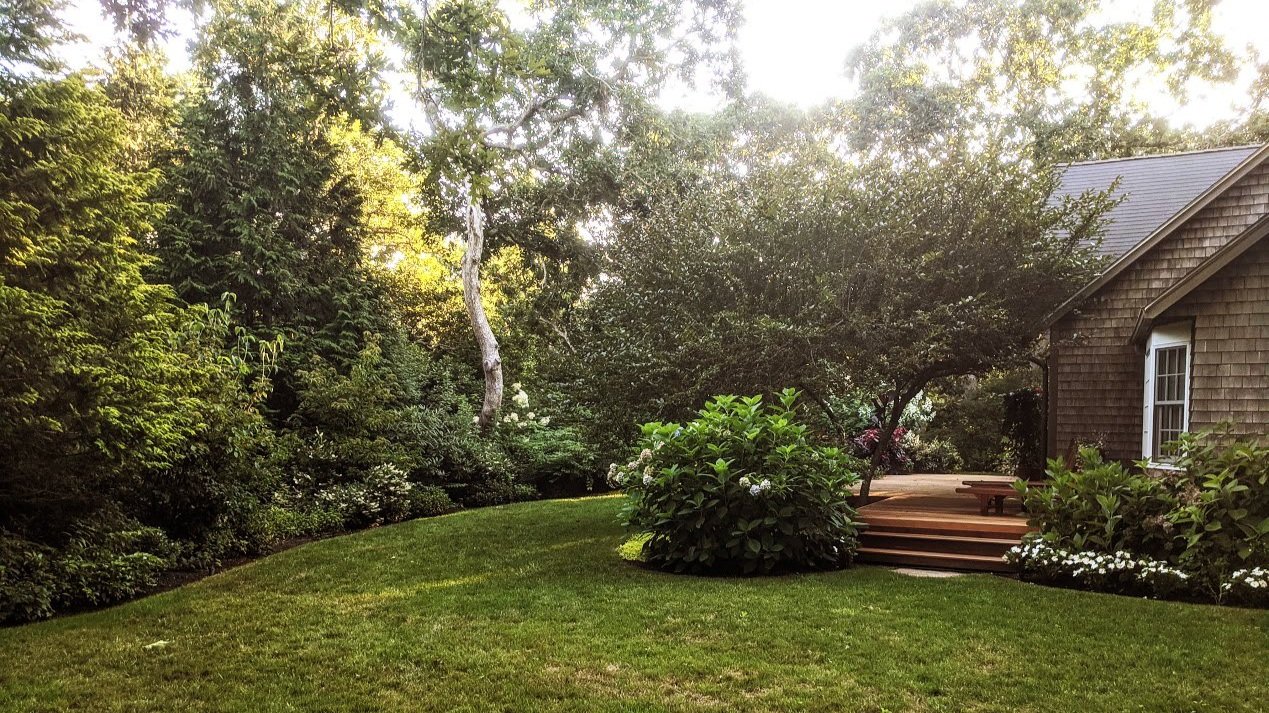
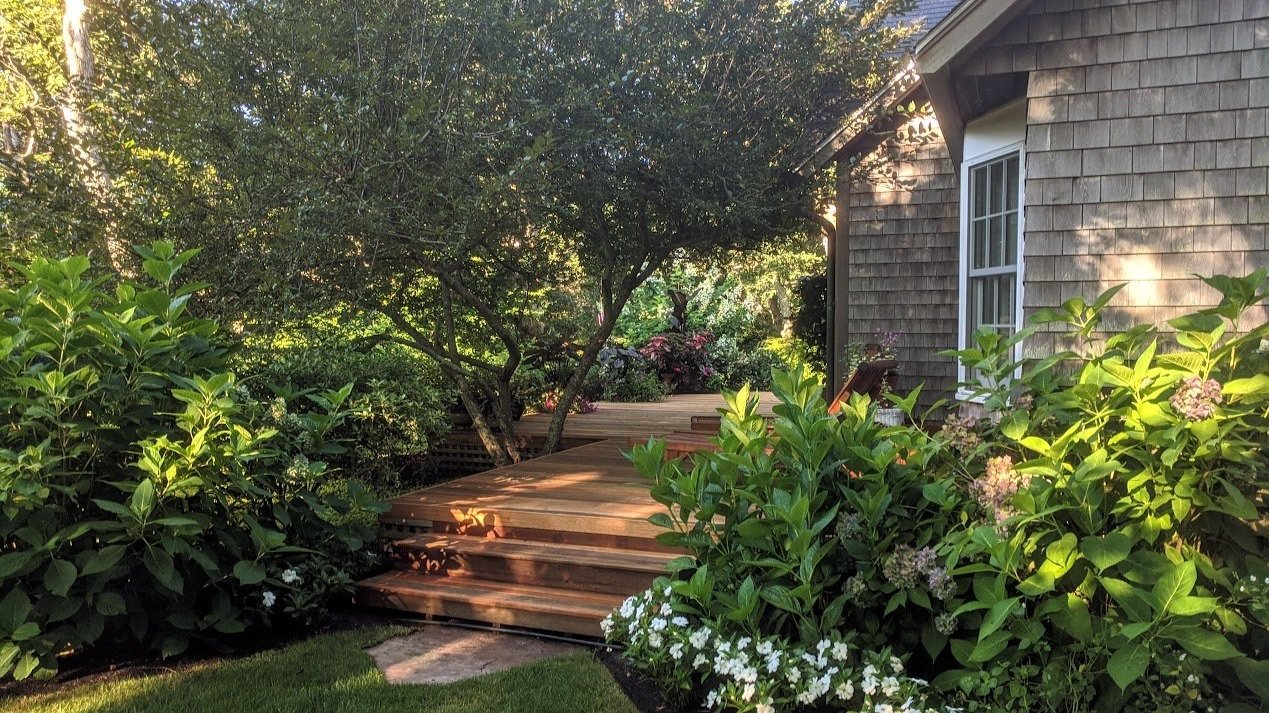
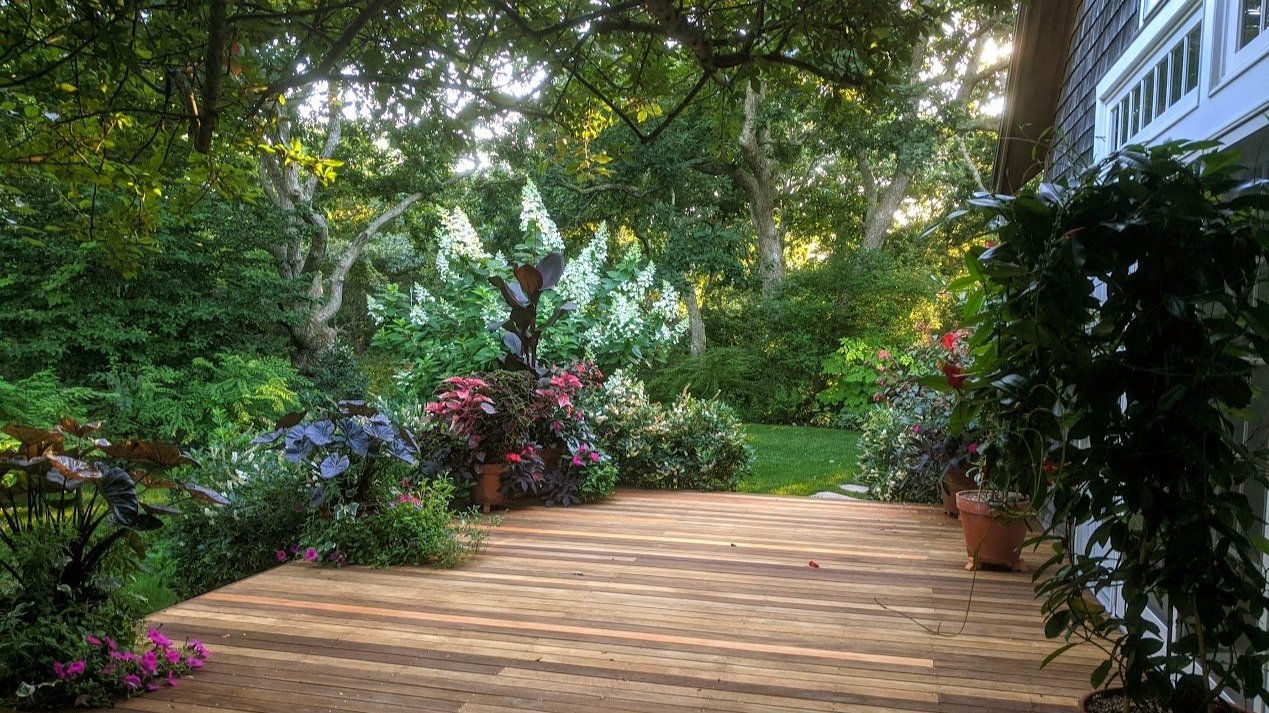
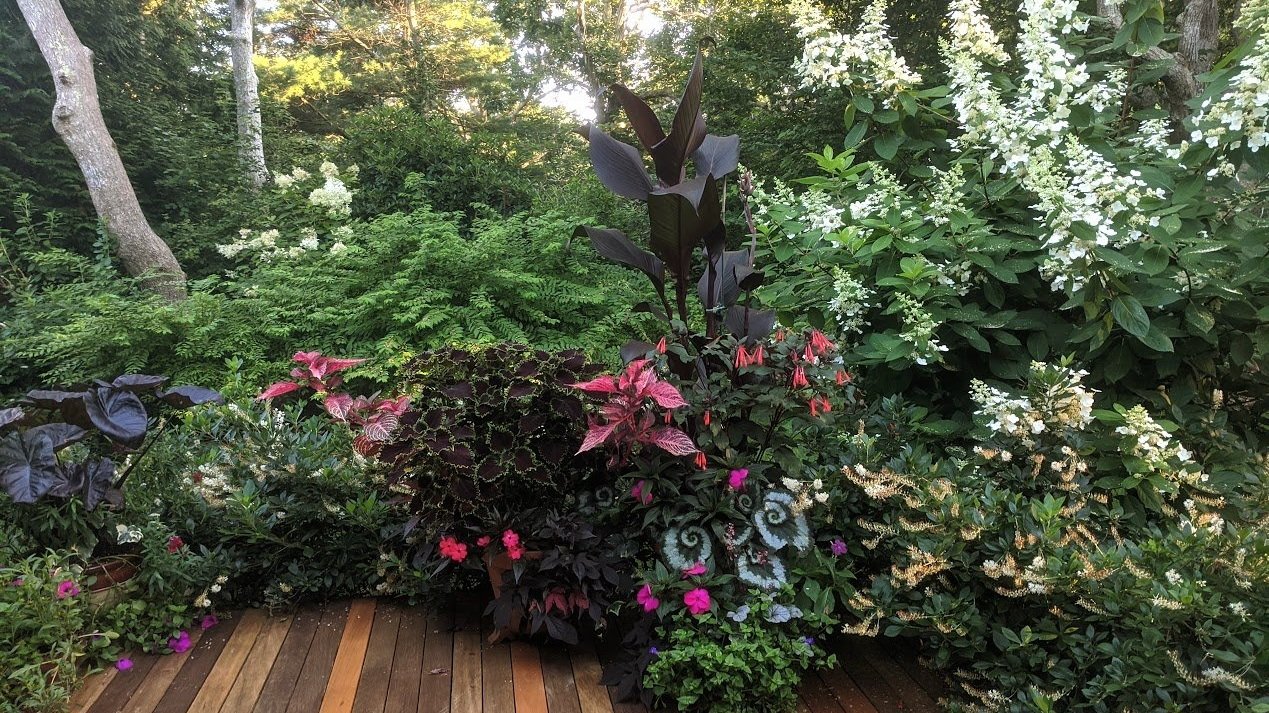
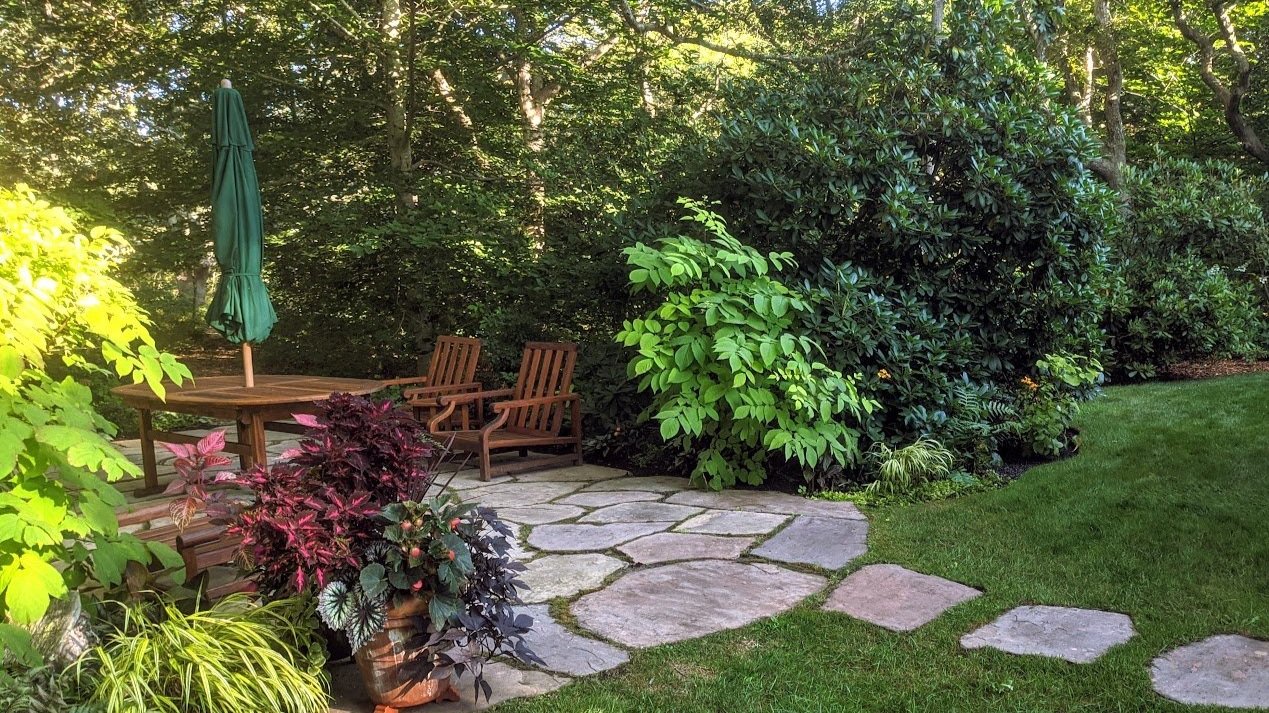
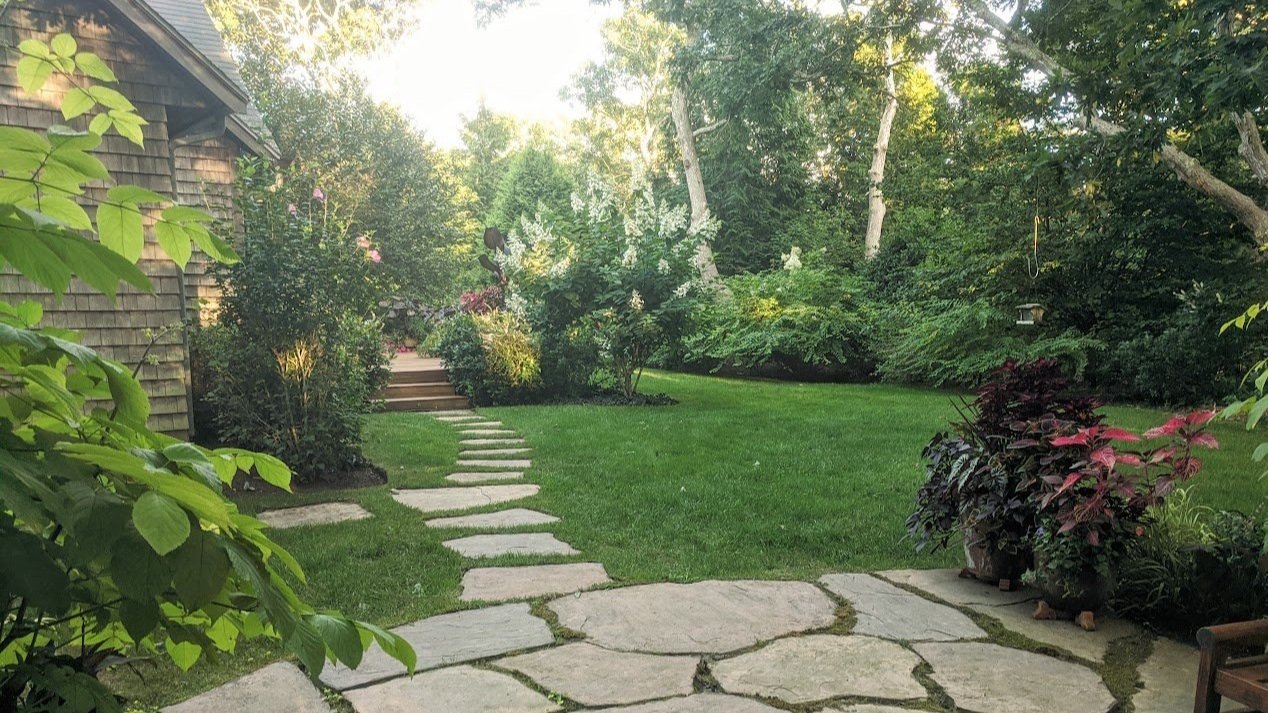
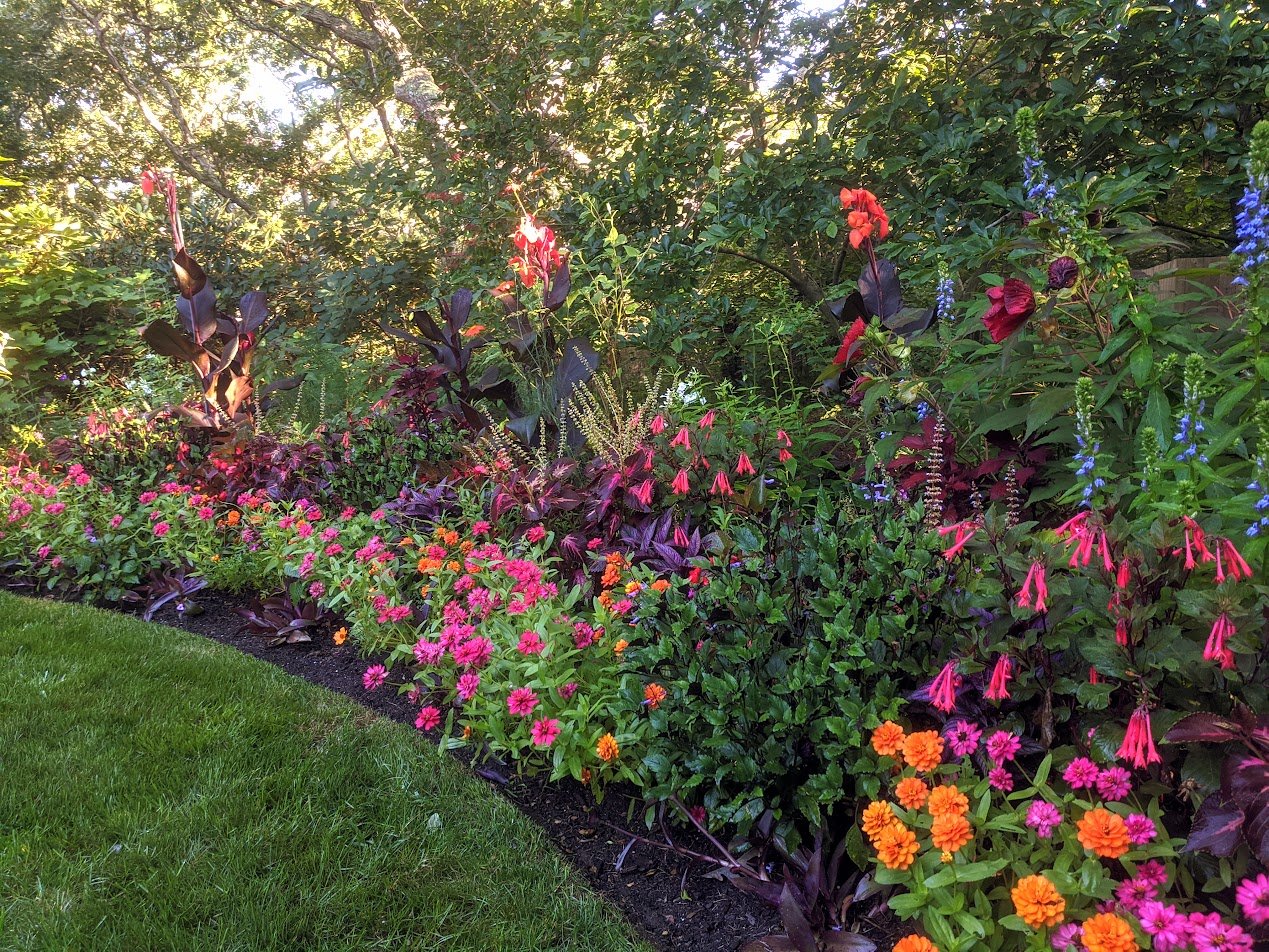
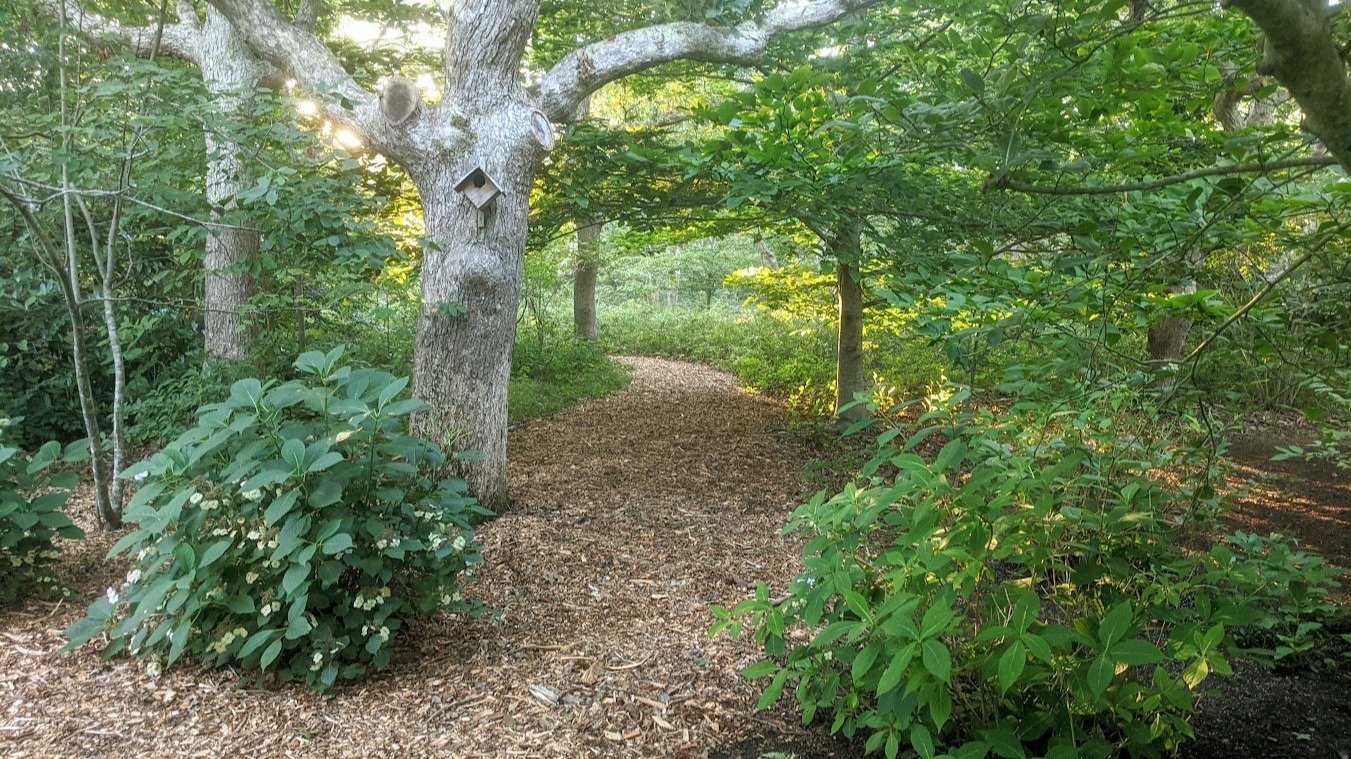
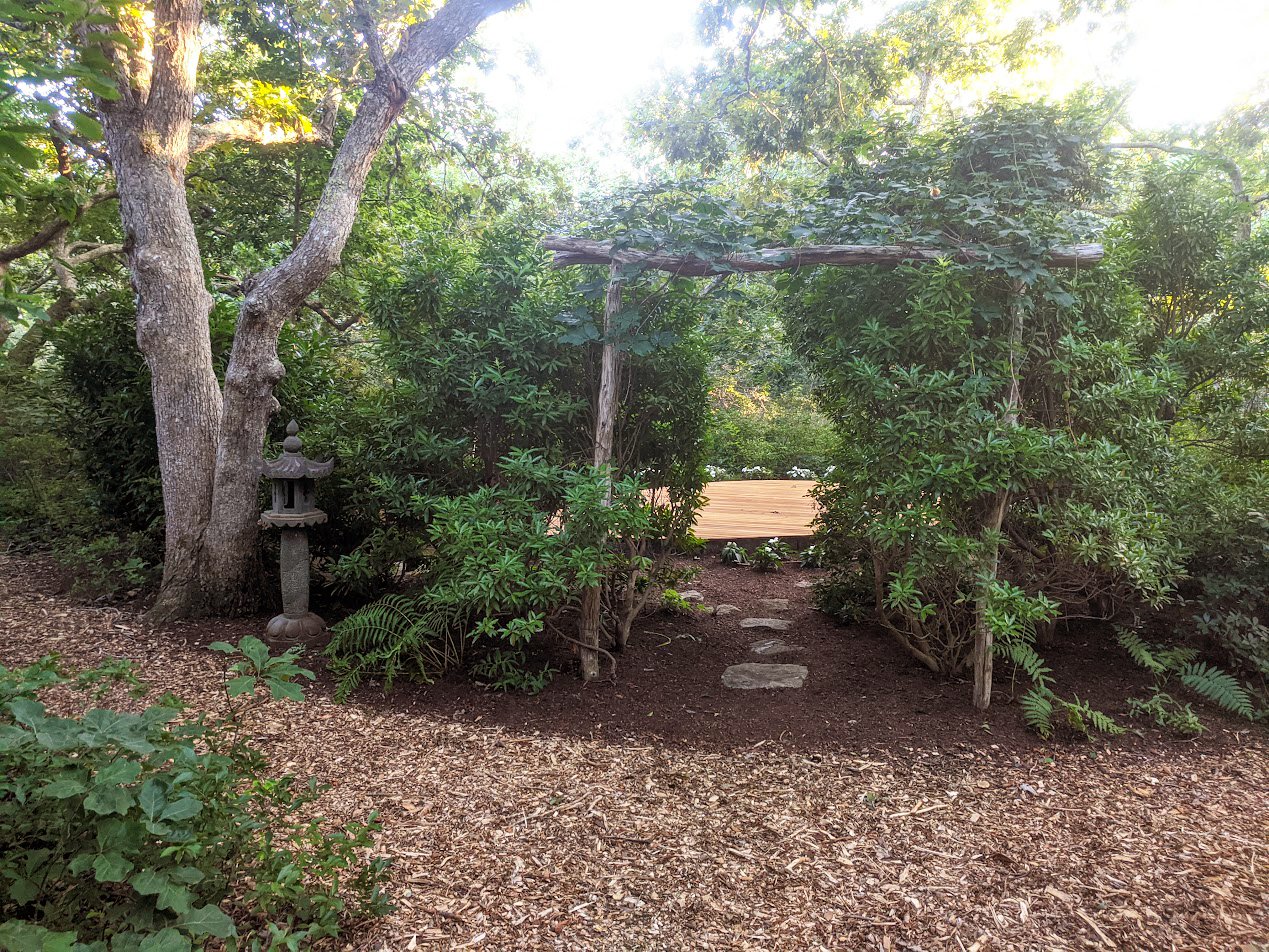
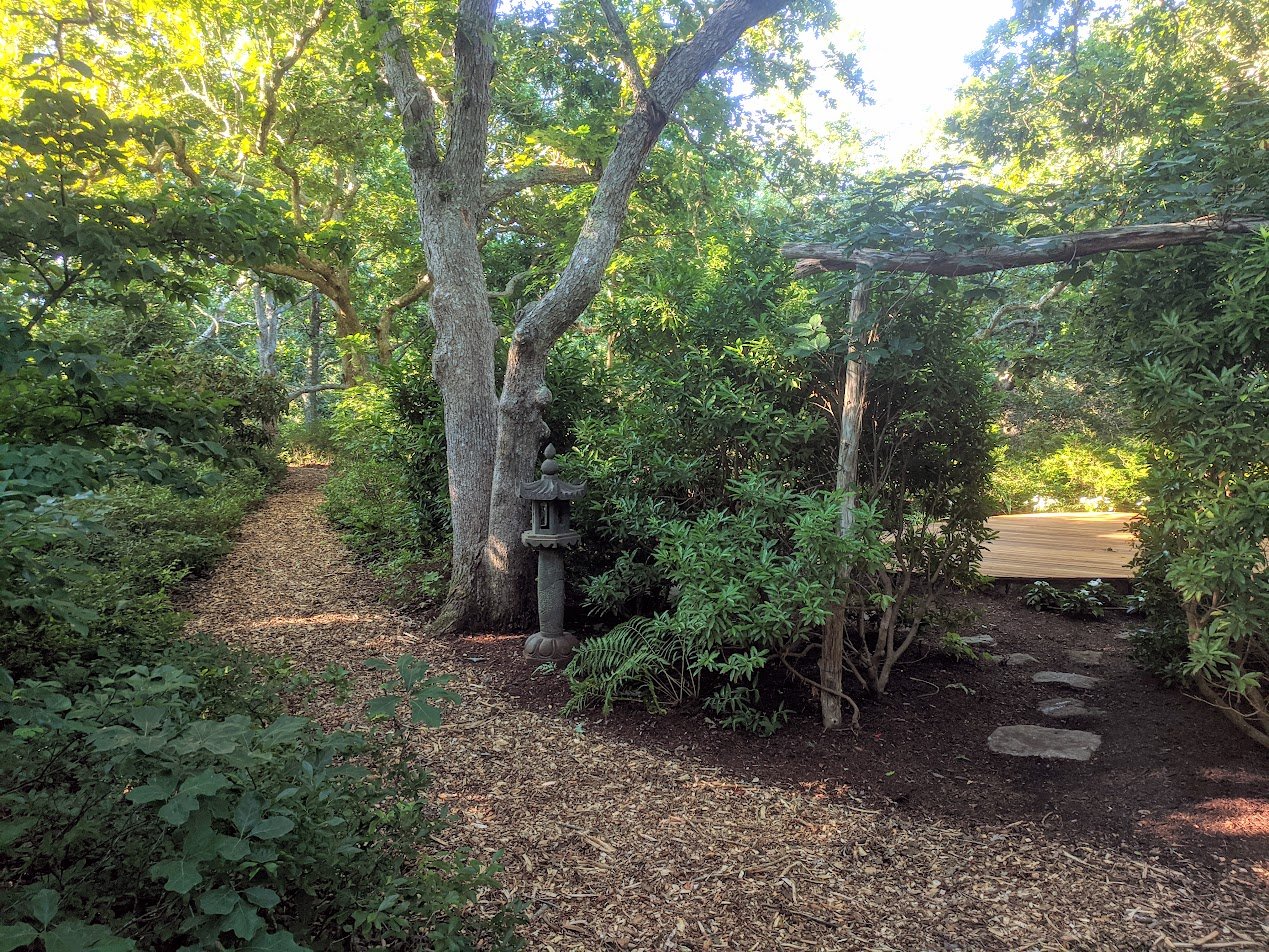
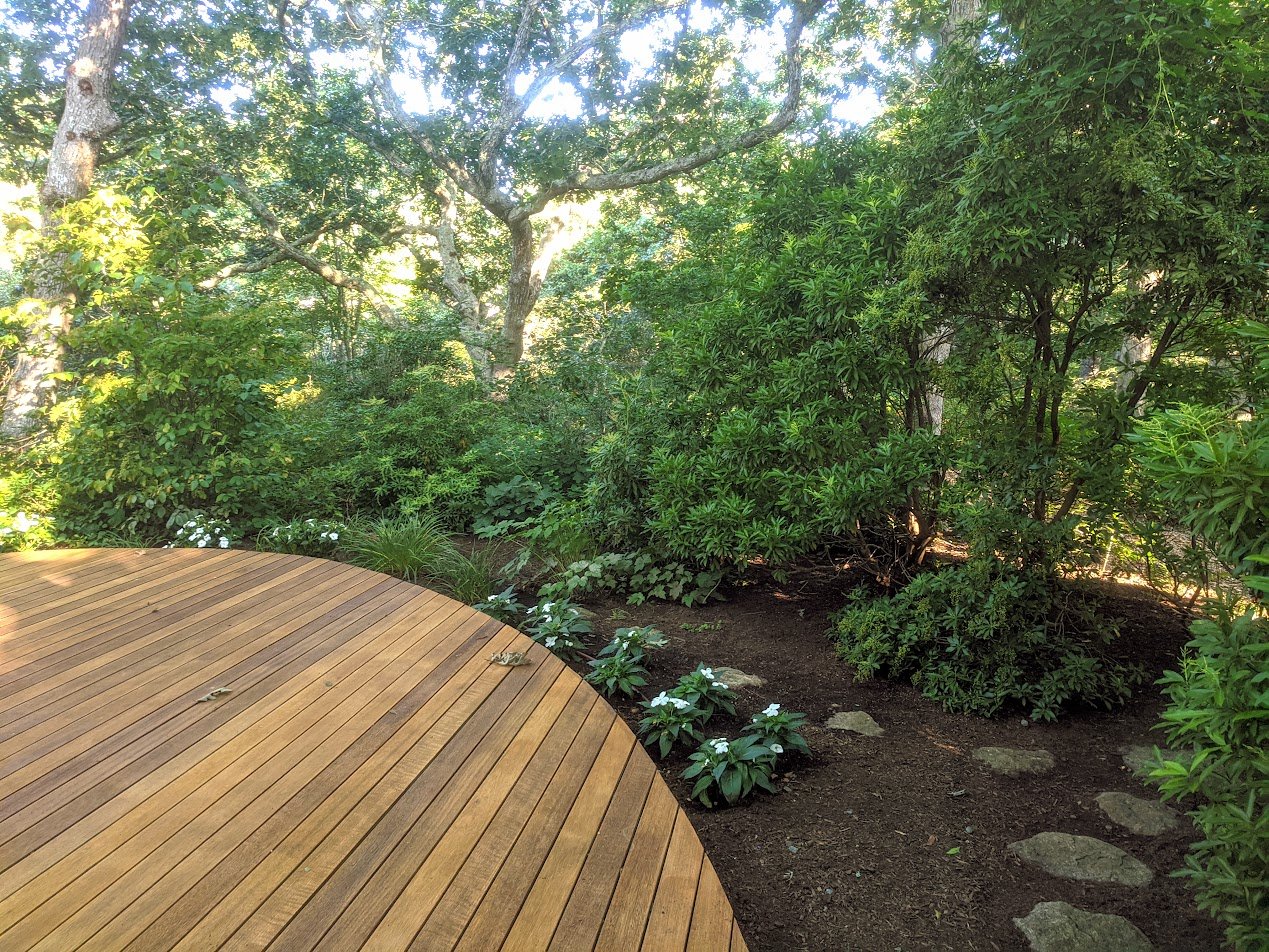
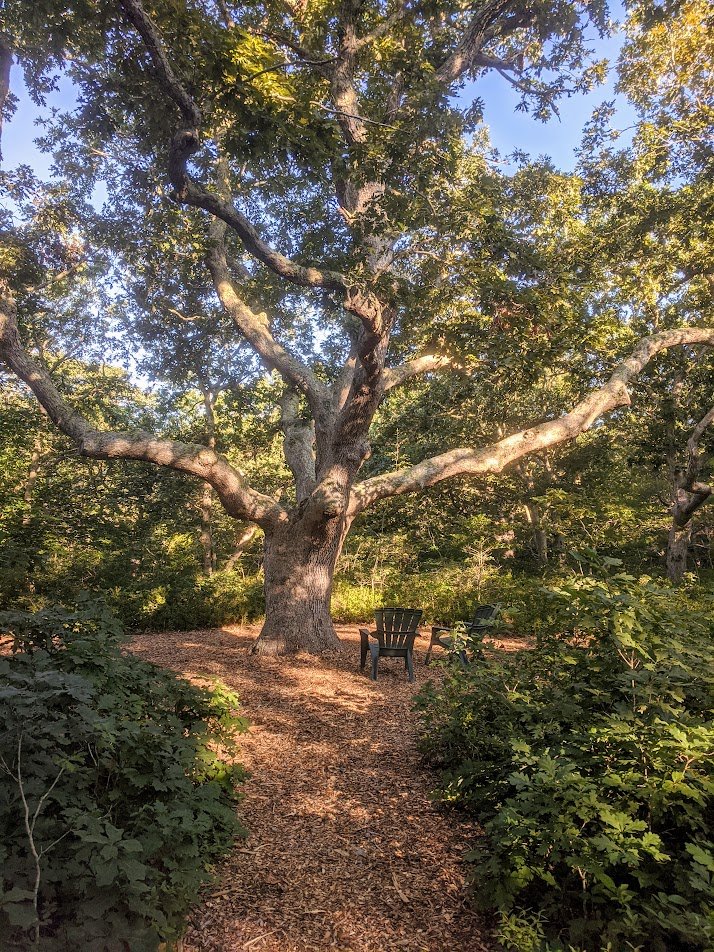
Situated down a dirt road in the woods of Chilmark, this property is surrounded by mature oaks, pines and flowering shrubs. The cultivated landscape meshes beautifully with the surrounding ecosystem. A path-like lawn winds it’s way around the house meandering past native and ornamental shrubs alike, a mixture of evergreen screening and a colorful annual garden. A beautiful container garden sits upon the back patio with the backdrop of large PG Hydrangeas and native Clethra. A stone pathway from the house leads to a patio nestled in the woods. This property sits on a few acres with wood chip paths lined with well placed rhododendrons, hydrangeas and native shrubs. The path meanders past a yoga area and a sitting area under a gorgeous oak tree.

1_IMG_20220819_080820.jpg
2_IMG_20220820_185138.jpg
7_IMG_20220820_183423.jpg
9_IMG_20220819_080632.jpg
12_IMG_20220820_183449.jpg
17_IMG_20220820_183519.jpg
25_IMG_20220819_075141.jpg
26_IMG_20220820_184208.jpg
32_IMG_20220819_074618.jpg
30_IMG_20220820_184449.jpg
40_IMG_20220820_183836.jpg
41_IMG_20220819_075620.jpg
42_IMG_20220819_075529.jpg
43_IMG_20220819_080000.jpg
1_IMG_20220819_080820.jpg 2_IMG_20220820_185138.jpg 7_IMG_20220820_183423.jpg 9_IMG_20220819_080632.jpg 12_IMG_20220820_183449.jpg 17_IMG_20220820_183519.jpg 25_IMG_20220819_075141.jpg 26_IMG_20220820_184208.jpg 32_IMG_20220819_074618.jpg 30_IMG_20220820_184449.jpg 40_IMG_20220820_183836.jpg 41_IMG_20220819_075620.jpg 42_IMG_20220819_075529.jpg 43_IMG_20220819_080000.jpg

**************************

SHRUBS, TREES & PLANTS INCORPORATED INTO THIS LANDSCAPE

The screening is a mixture of big evergreens: Western Red Cedar (native), American Hollys (native) and Rhododendron maximum (native to eastern seaboard but not Martha’s Vineyard). Deciduous flowering shrubs are incorporated within the screening such as Viburnums (some native) and a mixture of hydrangeas (Oak Leaf (native), Blue Ball, Climbing and PG). To finish it off we intermixed many ferns and astilbe.

Big evergreens for screening: Western Red Cedars (native), American Hollys (native)

Viburnums in the screening (native), Oak Lead Hydrangea, Clethra (native)

Rhododendron maximum

**************************

BEFORE & AFTER : TRAILS ON THE PROPERTY

BEFORE

AFTER

autumn climbers

plant profile

autumn garden

learn more

In SEPTEMBER, LANDSCAPING, VINEYARD GARDENS PROJECTS, FIELD NOTES Tags featured garden, landscaping, landscape screening
Comment

[PLANT PROFILE] AGASTACHE

August 9, 2023 Karen Logan

Agastache (left corner) infront of the herb garden

AGASTACHE

***************************************

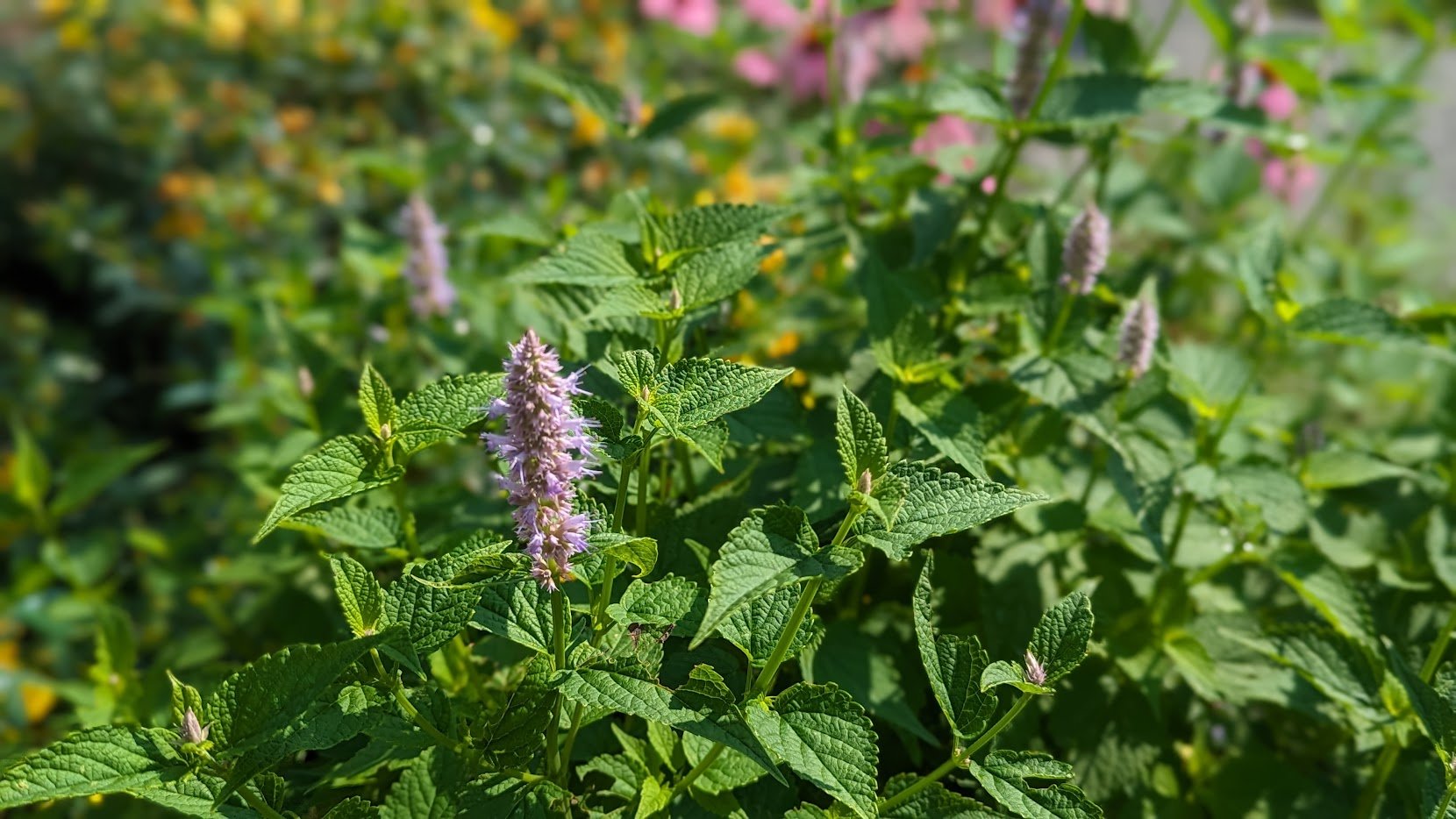
Agastache foeniculum will grow 2-3′ tall in full sun and well drained soil. Numerous species of bees and butterflies are attracted to it’s purple-blue flowers.

Agastache

foeniculum

ANISE HYSSOP / HUMMINGBIRD MINT

Agastache foeniculum is a native edible perennial flower that is extremely long blooming and one of the best for pollinators. It’s tubular flowers are highly attractive to bees, butterflies and hummingbirds. It is a member of the mint family and produces aromatic foliage. Agastache will grow best in full sun and prefers dry to medium soil. It is not suitable to wet areas or flooding.

Agastache foeniculum

Agastache foeniculum Blue Fortune

Agastache foeniculum

There are four cultivars of Agastache foeniculum we sell as perennials. All four will come back year after year. They have a spike of blue / lavender flowers in midsummer and fragrant foliage that repel deer. They also are known for reseeding and spreading in your sunny garden.

Agastache Black Adder

Agastache foeniculum cultivars

————————————-

- Black Adder

- Blue Fortune

(RHS Award)

- Golden Jubilee

(yellow foliage)

- Little Adder

(dwarf blue cultivar)

Agastache Little Adder

***************************************

Other Agastache We Carry

There are many other Agastache species and hybrids we carry. Even though the literature and the catalogs tout them as zone 5 plants we have not had good luck with them perennializing. If our winters were a typical zone 5 winter, where the ground freezes and stays frozen all winter they would survive but with our freeze thaw cycles all winter long they do not usually survive. Therefore, we treat them as annuals. These Agastache start blooming in early summer and continue to bloom until a killing frost, which is often not until Thanksgiving or later.

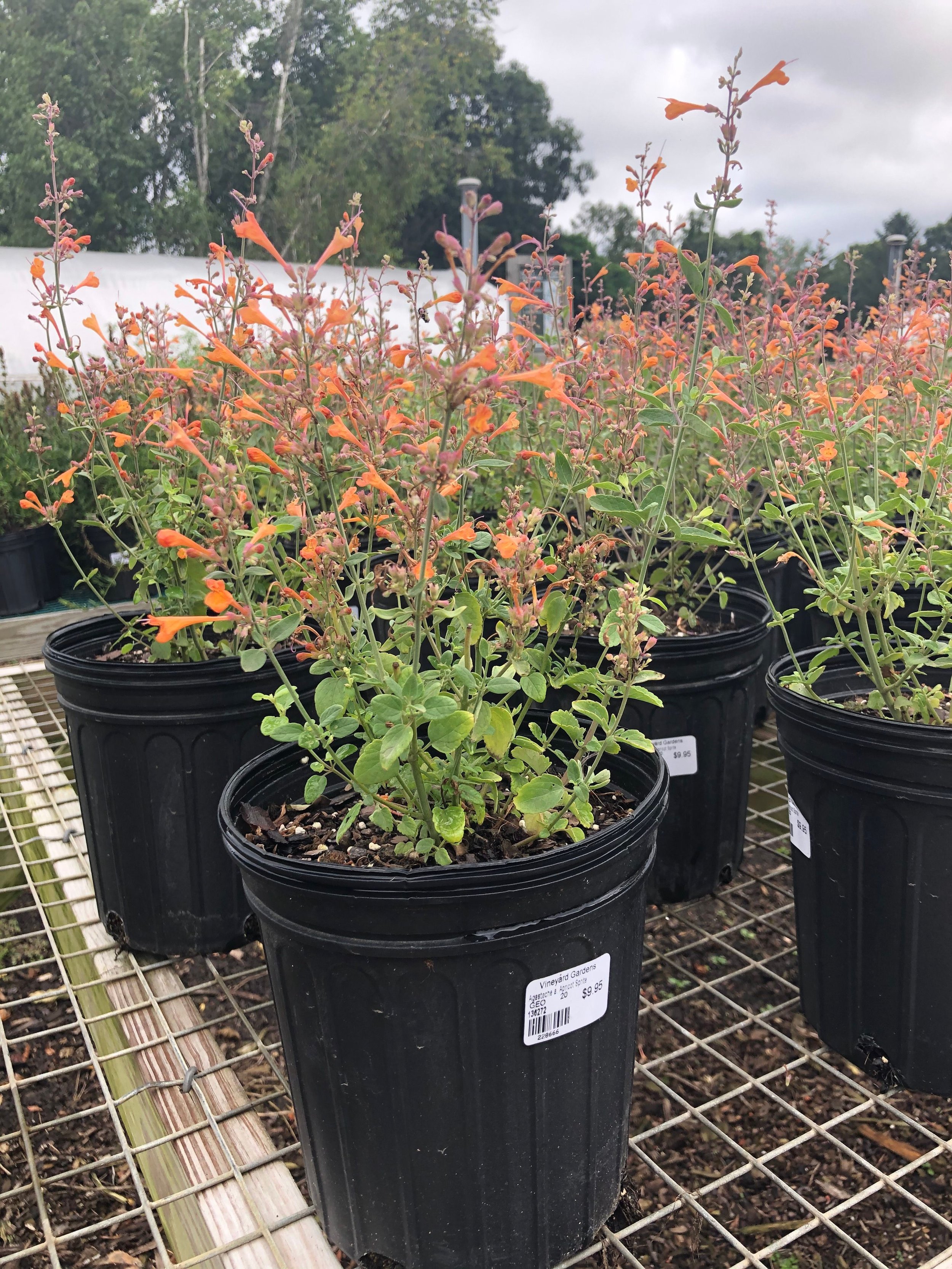
  • Agastache auriantica ‘Apricot Sprite’ : We grow these from seed and they are a great season extender. It is the perfect orange color for fall.

  • Agastache Kudos series : A hybrid Agastache developed at the famous Terra Nova nurseries and is more compact than the species. It comes in many colors: Mandarin, Ambrosia, Coral, Gold and Slivery Blue and Blue Boa. Plant these in the summer for a long fall season of color. They are great season extenders. A bonus, their minty foliage is not eaten by deer.

“Combine them with other season extenders like salvias and chrysanthemums. Plant them with late season asters, perennial sunflowers and rudbeckia.” -Chris Wiley, owner

  • Agastache ‘Rosie Posey’ & ‘Peachie Keen’ : Walters Gardens introductions that we still have in stock. These are shorter, more mounded plants that want a sunny location and are drought tolerant once established. Easy to grow.

  • Agastache ‘Mango Tango’

  • Agastache ‘Guava Lava’ and ‘Queen Nectarine’ : Two new Walters Gardens introductions we have ordered for 2024 (a Proven Winner variety). New for next year!

Agastache Mango Tango

Agastache Kudos Coral

Agastache Apricot Sprite

***************************************

DESIGN TIPS

Agastache is a versatile perennial, with many uses in the landscape. Here are a few ideas:

  • Plant a compact variety in a rock garden in combination with creeping succulents, thyme, stonecrop, dianthus, ice plant (Delosperma), and blue fescue.

  • Adorn a curbside strip with agastache and other long blooming, low water perennials such as lavender, catmint, yarrow, beardtongue (Penstemon) and fountain grass (Pennisetum).

  • Place a large decorative ceramic container near a deck or patio and plant with a compact variety of agastache alongside other plants with similar cultural needs such as lantana, gazania, African daisy (Osteospermum), ‘Angelina’ sedum, or New Zealand flax (Phormium).

  • Naturalize in a meadow setting with other flowering natives such as black-eyed Susan, gayfeather (Liatris), purple coneflower (Echinacea), salvia, milkweed, and asters to attract hummingbirds, butterflies and insect pollinators.

  • Plant an herb garden with anise hyssop (Agastache foeniculum) and some of your culinary favorites such as oregano, marjoram, sage, rosemary, thyme, mint, and lavender.

  • Mass along a slope, alternating groupings of other long blooming drought-tolerant plants such as lavender, Russian sage (Perovskia), salvia, sea holly (Eryngium) or tickseed (Coreopsis).

  • For late season color, plant agastache alongside asters, goldenrod, salvia, Joe pye weed, silvergrass (Miscanthus), stonecrop (Sedum), and little bluestem (Schizachyrium scoparium).

    [Resource: Garden Design}

Agastache foeniculum

*************************************

autumn climbers

clematis / wisteria / honeysuckle

grow native massachusetts

every garden matters

In PLANT PROFILES, AUGUST, NATIVE PLANTS Tags Agastache foeniculum, native plants, hummingbird mint, anise hyssop
Comment

[PLANT PROFILE] AUTUMN CLIMBERS

August 2, 2023 Karen Logan

Scentsation Honeysuckle

AUTUMN CLIMBERS

Late season blooming vines brighten your autumn landscapes just as the summer flowers are waning.

*************************************

HONEYSUCKLE

These flowering vines are lush with often very fragrant flowers that are beloved by butterflies and hummingbirds.

Goldflame Honeysuckle

Scentsation Honeysuckle

Goldflame Honeysuckle

*************************************

WISTERIA

Wisteria is a high-climbing, long-lived vining plant with cascades of blue to purple flowers that look spectacular hanging from a pergola or archway. Wisteria only blooms on new wood so pruning is a secret to it’s success.

*************************************

CLEMATIS

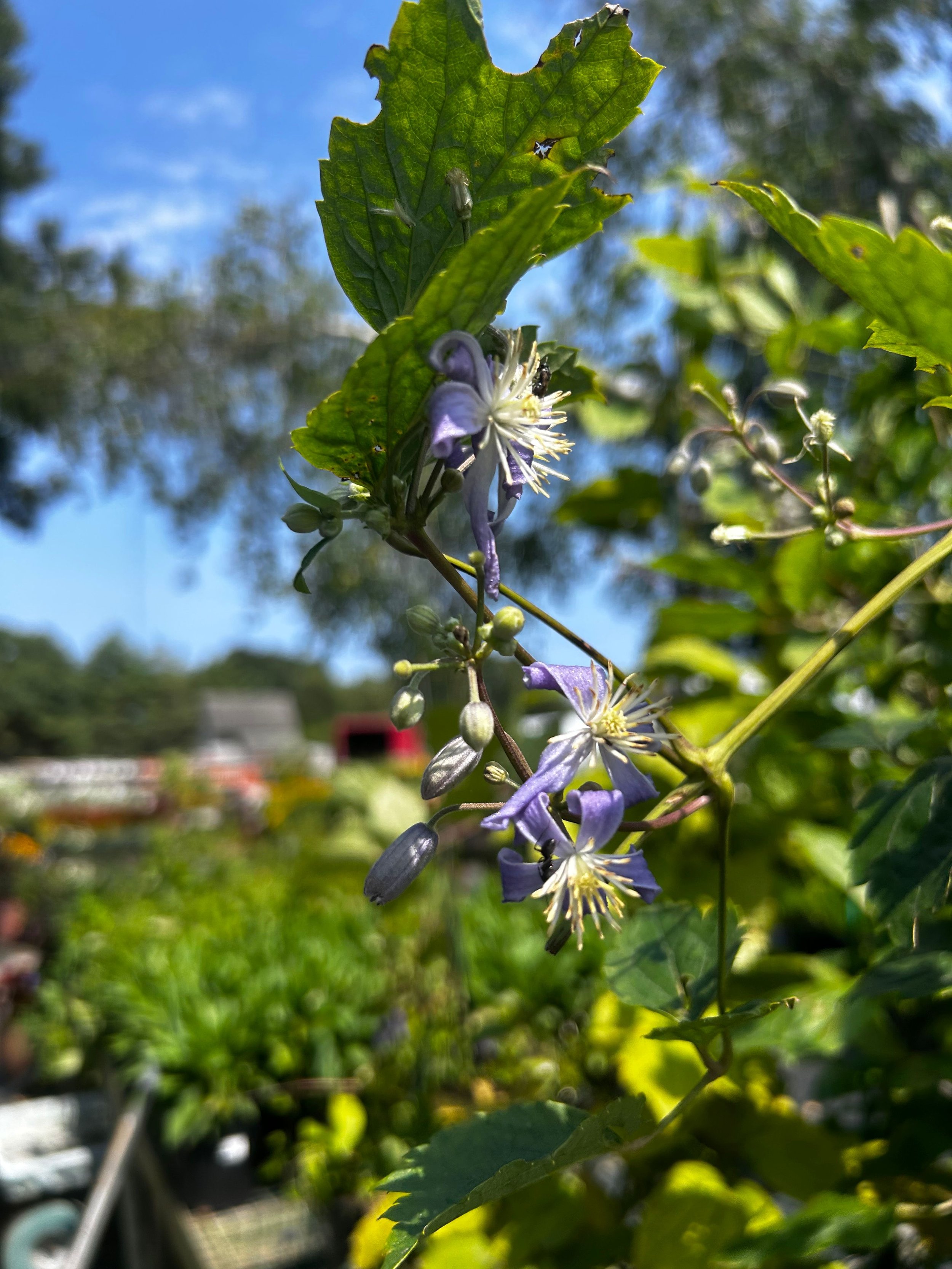
  • Clematis viticellas are the smaller flowered clematis such as Roguchi and Betty Corning. They are both fragrant, very floriferous and excellent climbers attaching with tendrils .

  • Autumn Clematis is an evergreen woody high-climbing vine with late-season blossoms and wonderfully fragrant blooms!

    Clematis like their roots in the shade and the vining part in the sun. Pruning in spring results in more stems coming from the crown of the plant.

Sweet Autumn Clematis

Varieties available

———————————

paniculata


Roguchi


Betty Corning


Robert Brydon

Sweet Summer Love


Rouge Cardinal


Diamond Ball


Pink Mist

Roguchi Clematis

Clematis Rooguchi seed pod

Roguchi Clematis

Clematis Mrs. Robert Brydor

*************************************

honeysuckles in bloom

monrovia

backyard vines with fall flair

birds & blooms

growing vertical with vines

wild seed project

In AUGUST, PERENNIALS, VINES, PLANT PROFILES
Comment

[PLANT PROFILE] LILIES

August 2, 2023 Karen Logan

Lily illustration by karen blackerby logan

LILIES 30% OFF!

Lilies are colorful, star-shaped flowers that add elegance and fragrance to any garden. They come in an endless range of colors, shapes, heights and bloom times. When blending the right varieties together you can enjoy lilies throughout the entire growing season, from spring to first frost. Popular lily species, include Daylilies, Orientals & Asiatics.

_____________________________________

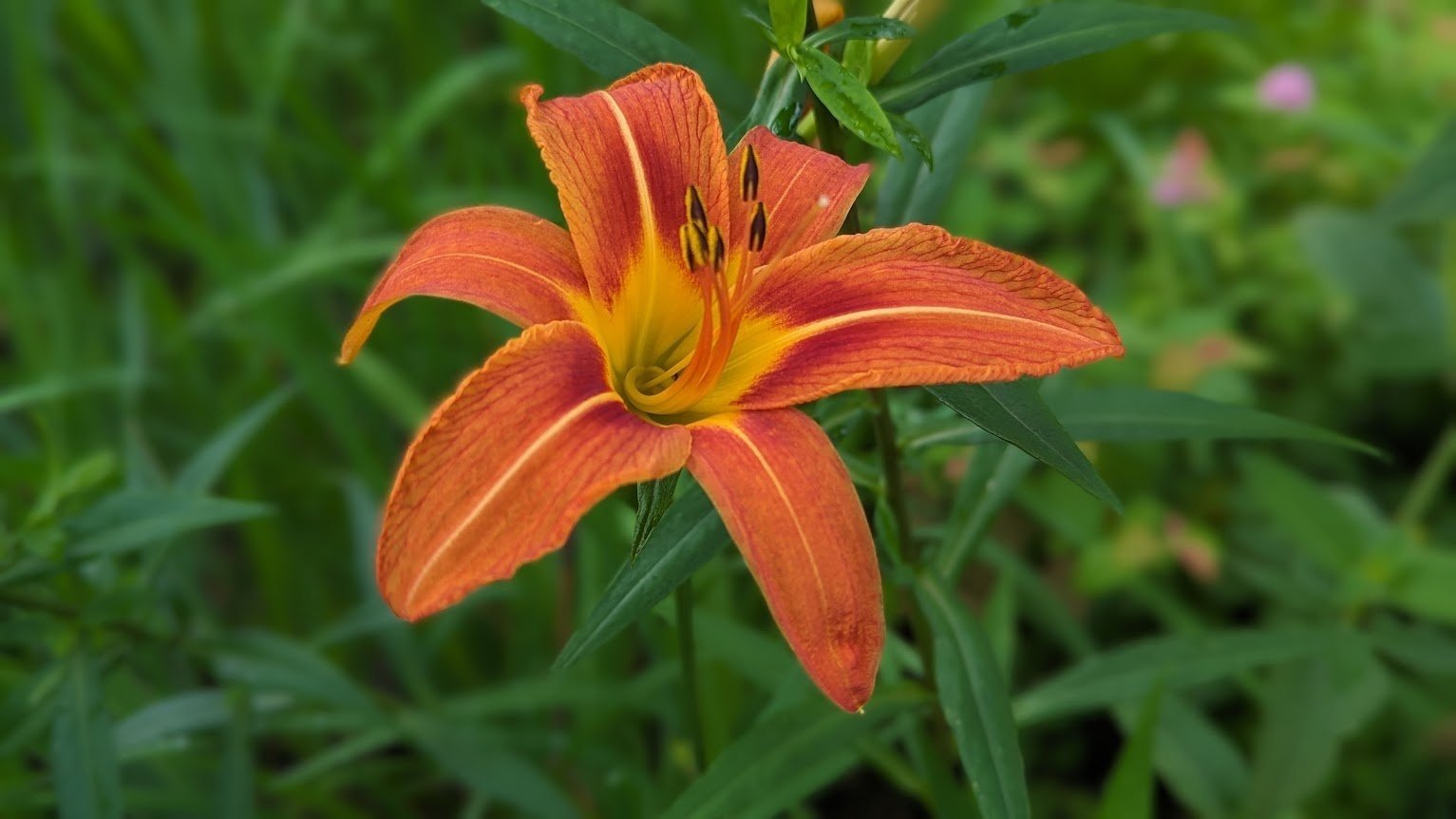
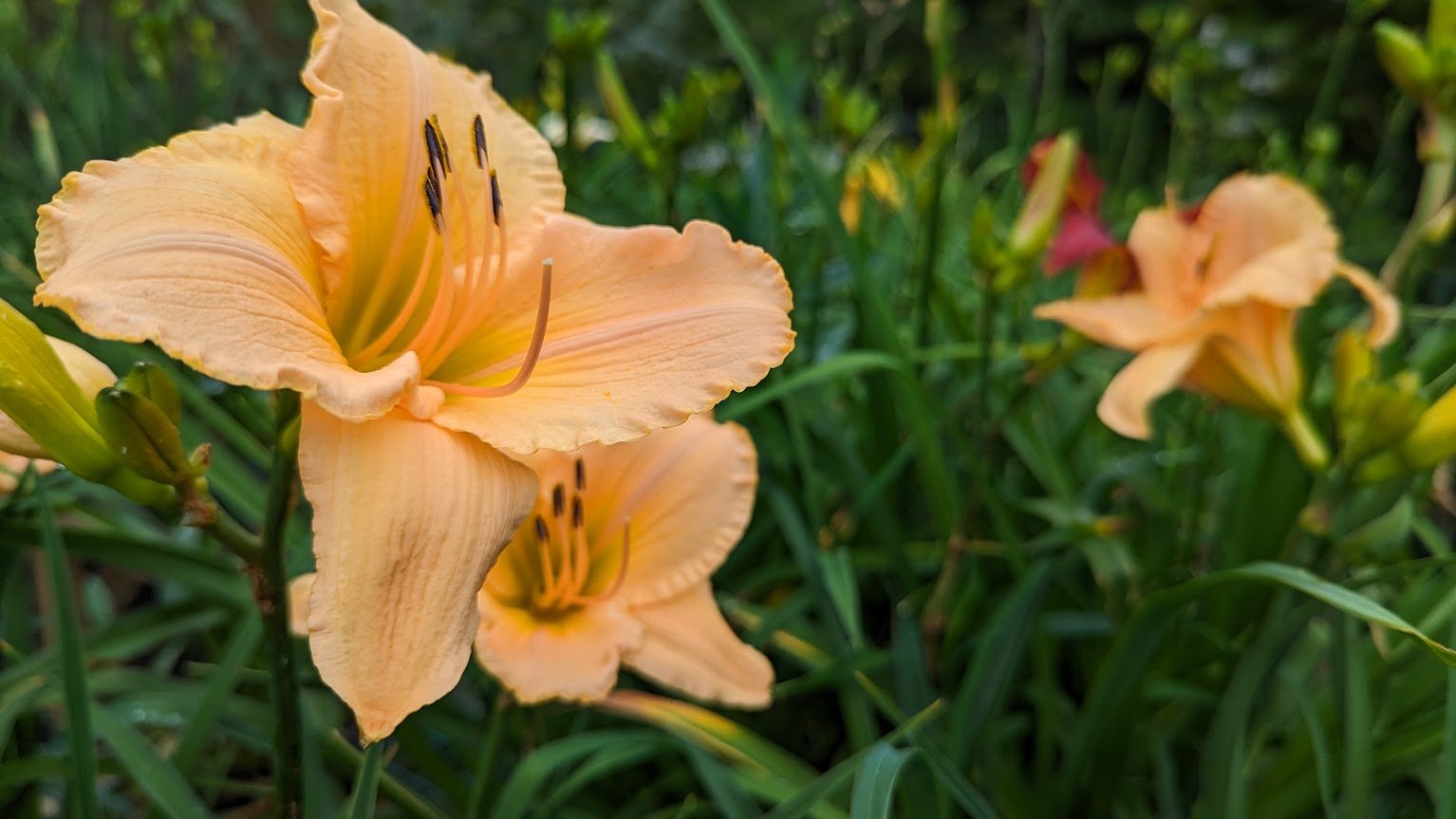
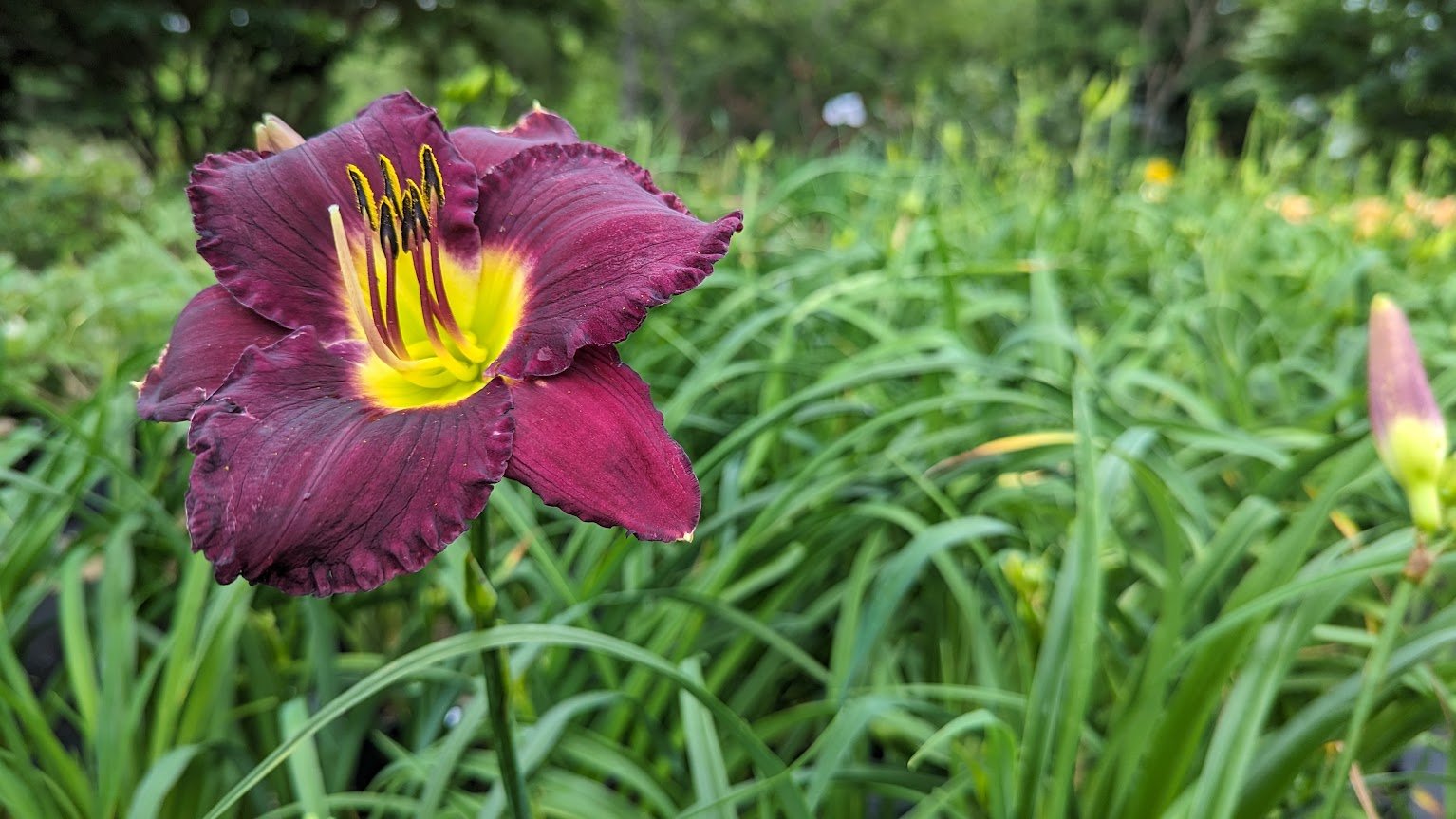
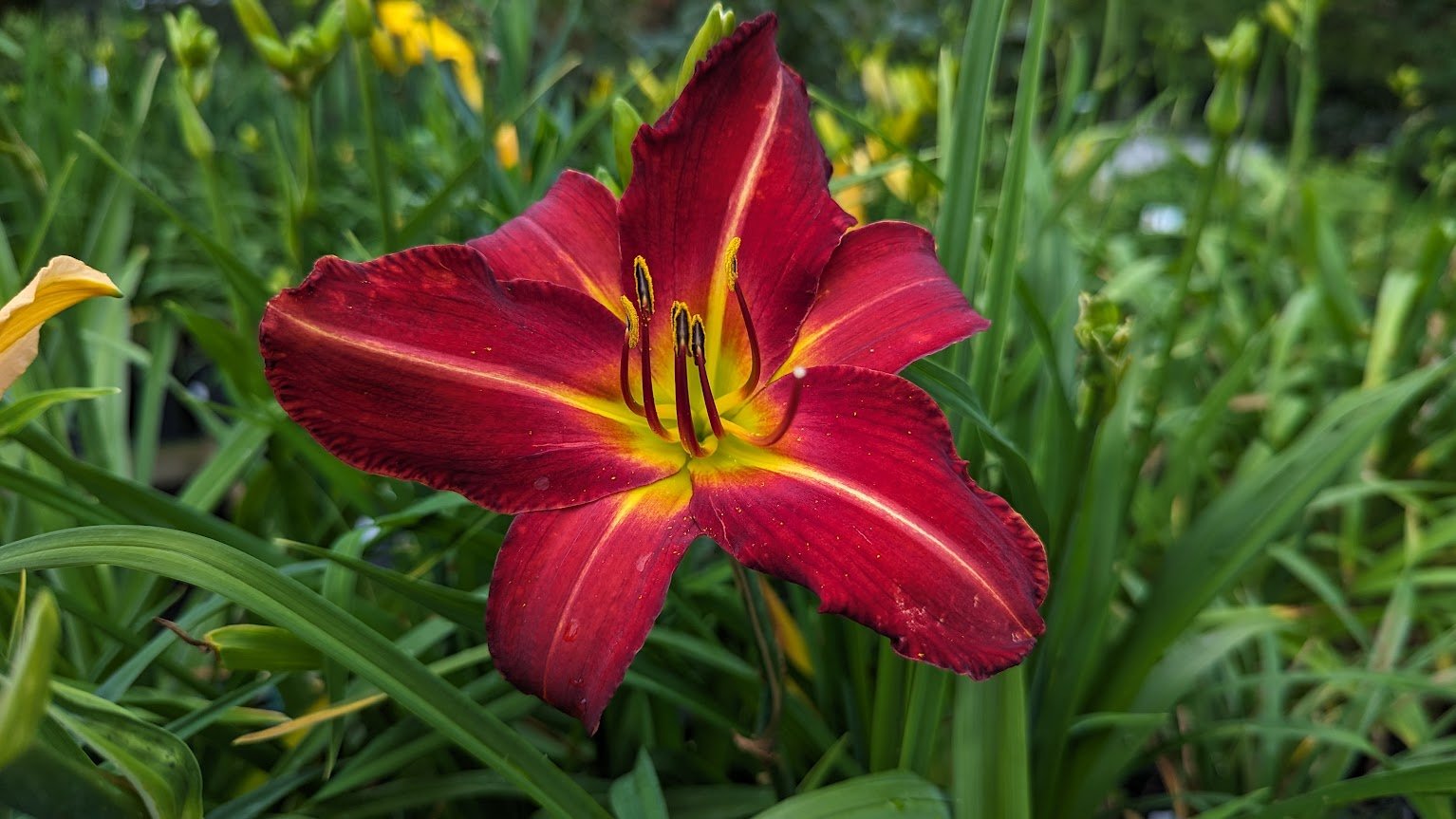
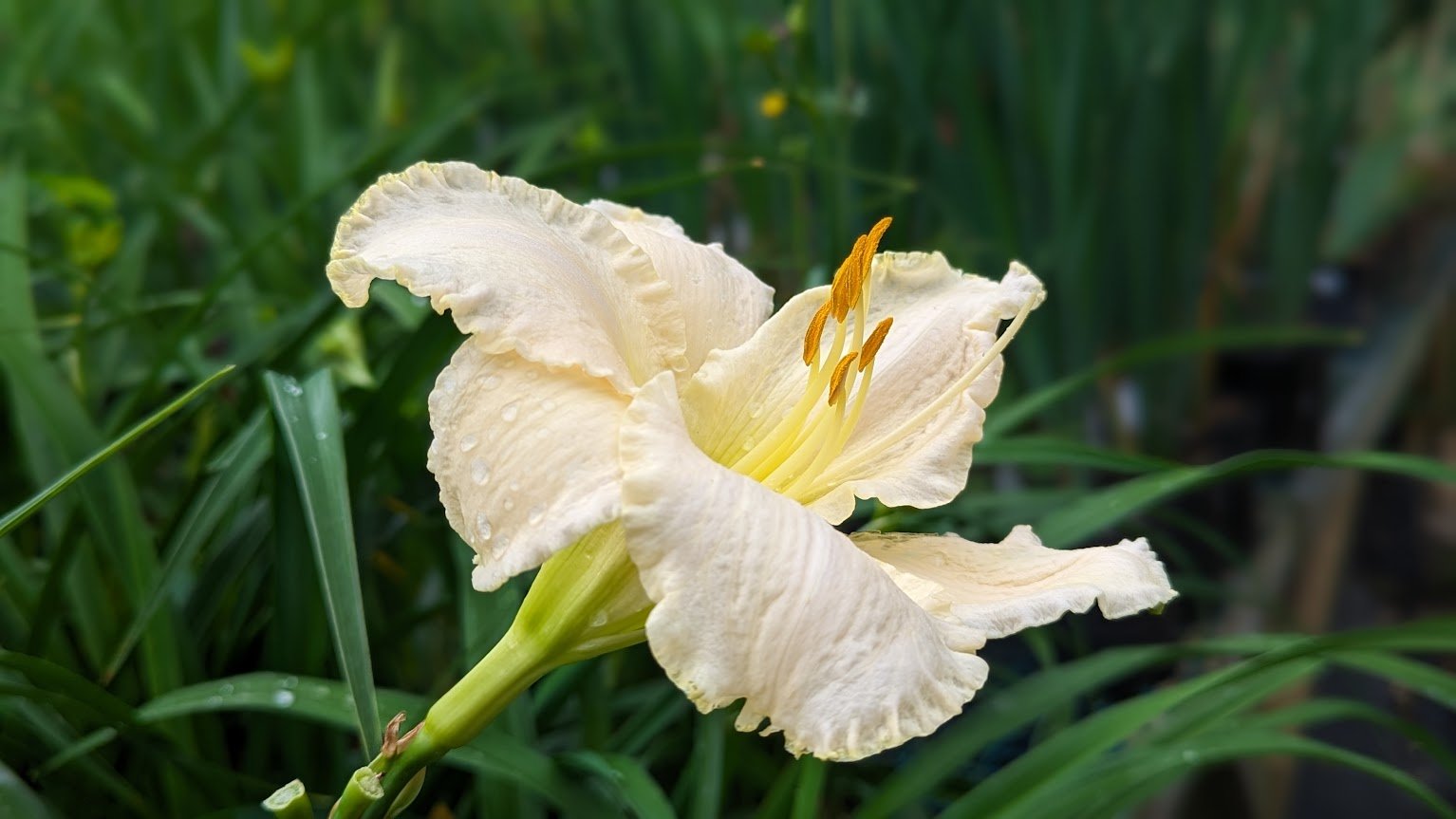
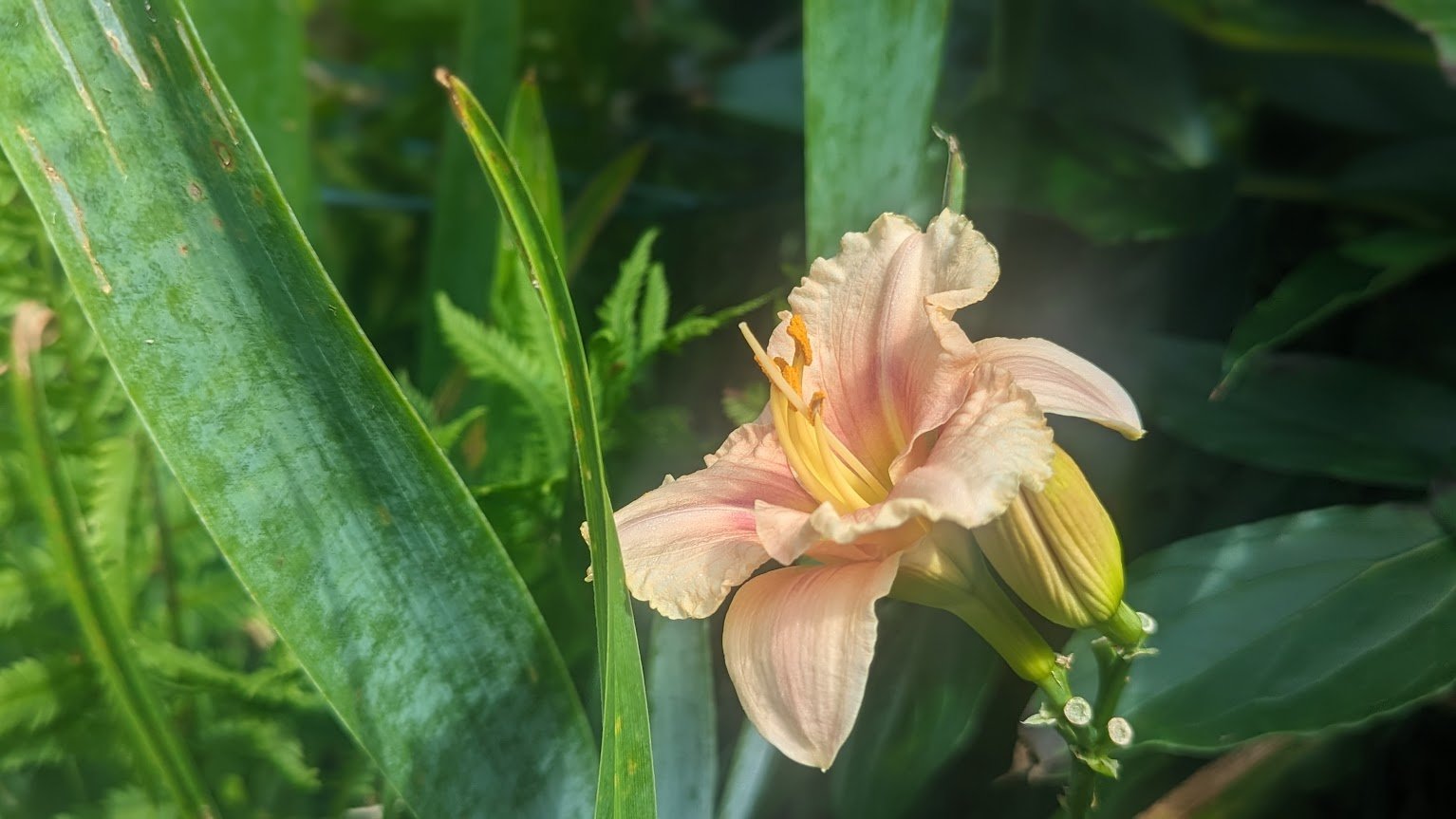
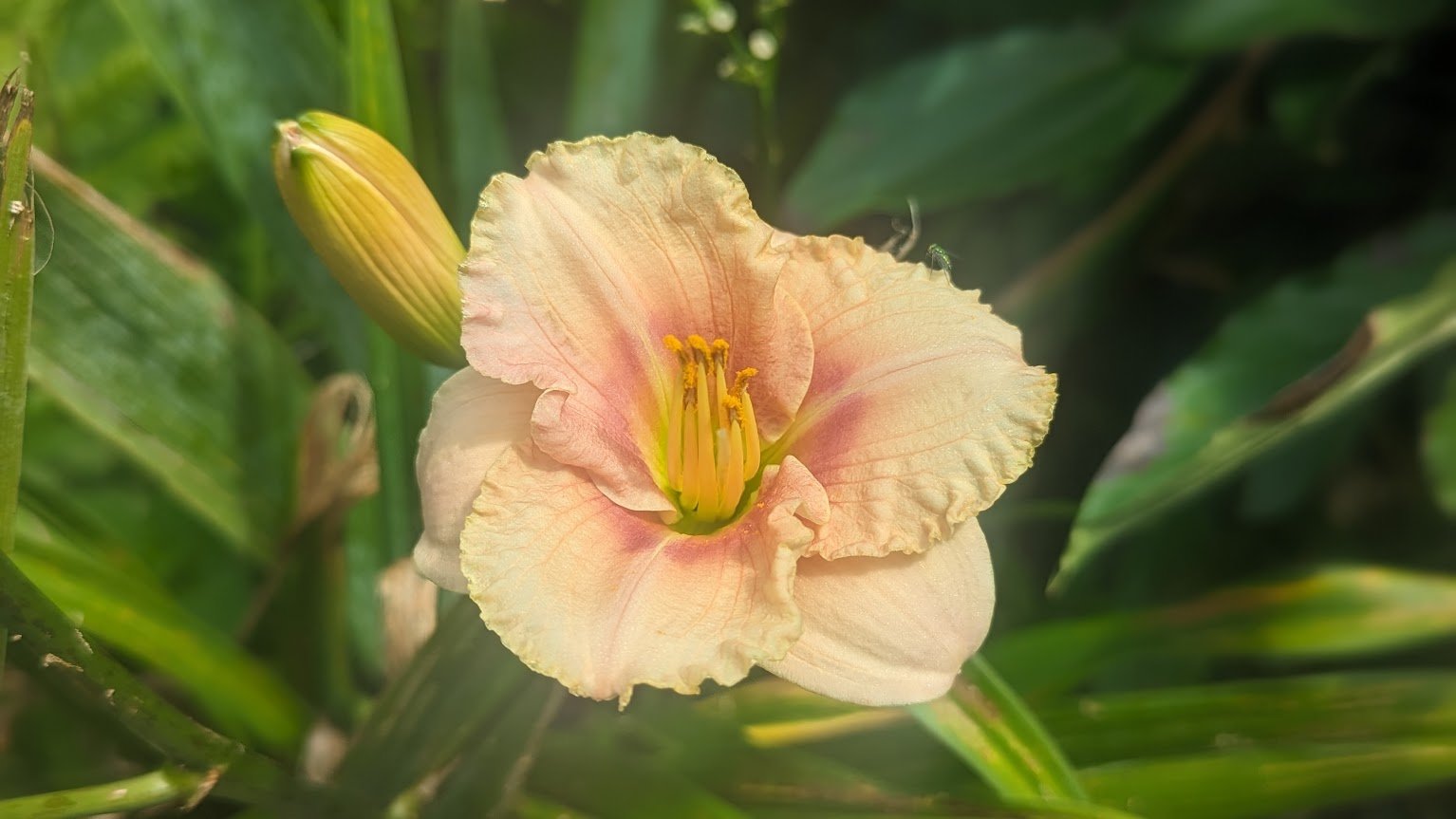
Daylily

LILIES

*************************************

DAYLILY

Daylilies are grown via tuberous roots and have multiple stems.

Daylilies [illustration by karen blackerby logan]

daylilies.jpg
lily seaside scallop1.jpg
PXL_20230710_152806974.MP.jpg
PXL_20230710_152917469.jpg
PXL_20230710_153015141.PORTRAIT.jpg
PXL_20230731_144438309.PORTRAIT.jpg
PXL_20230731_144443383.PORTRAIT.jpg
daylilies.jpg lily seaside scallop1.jpg PXL_20230710_152806974.MP.jpg PXL_20230710_152917469.jpg PXL_20230710_153015141.PORTRAIT.jpg PXL_20230731_144438309.PORTRAIT.jpg PXL_20230731_144443383.PORTRAIT.jpg

Varieties available

______________

Hemerocallis altissima


Regal Flare


Tetrinas Daughter

Golden Prize


Gulf Stream

Ruffled Apricot


Indian Hill dbl


Buttered Popcorn


Sea Wampum

Seaside Sun Glow

*************************************

ORIENTAL LILIES

Oriental Lilies are native to Japan and developed from only a few species . They are heavily scented, with much larger flowers, and bloom later than most other types of Lilium.

Oriental Lilies

Stargazer Lily [illustration by karen blackerby logan]

Varieties available

____________

Lillium Casa Blanca


Lillium Honeymoon


Lillium Black Beauty

Stargazer Lilies

*************************************

ASIATIC LILIES

Asiatic lilies are grown via bulbs and only have single stems,

Tiger Lily

*************************************

TORCH LILIES

  • Kniphofia (Torch Lilies) produce spikes of upright, brightly colored flowers above the foliage, in shades of red, orange and yellow. They produce abundant nectar attracting bees and hummingbirds.

Kniphofia Flamanco Mix

Kniphofia Solar Flare

daylily varieties

bloom times

grow massachusetts

tips for this week

recipe

cooking with lily bulbs

In PLANT PROFILES, AUGUST Tags Lilies, Daylily, Oriental Lilies, Asiatic Lily
Comment

FALL COOL WEATHER CROPS

July 29, 2023 Karen Logan

COOL WEATHER

CROPS FOR FALL

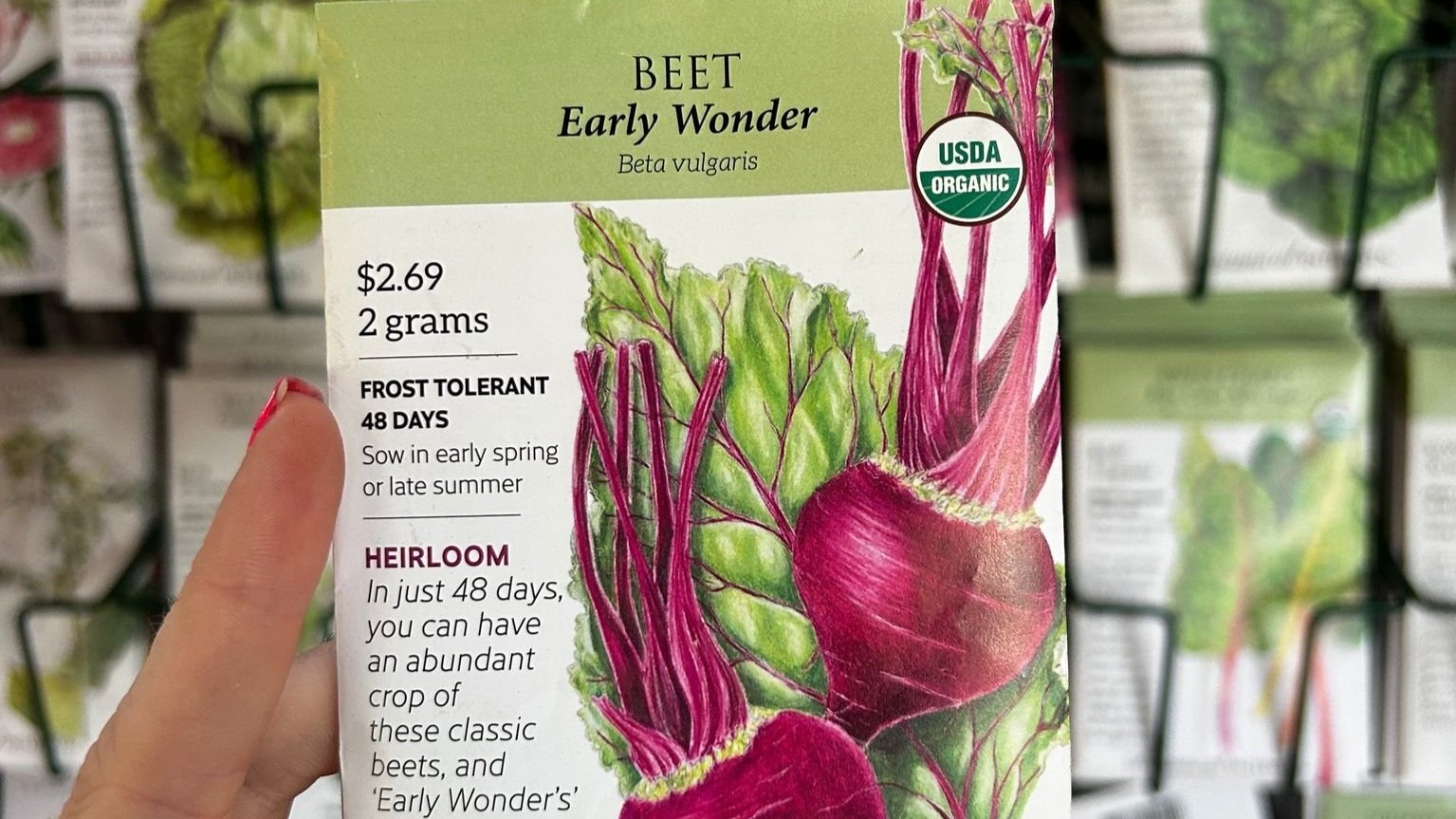
The warmest days of summer mark a time when Martha’s Vineyard gardeners can start a new round of crops. Being on an island surrounded by water allows for an extended growing season with a few light frosts in October but generally there is not a hard frost until November. This long beautiful fall makes it a great reason to plant now for a bountiful autumn harvest!

Lettuce+buttercrunch.jpg
beet+early+wonder.jpg
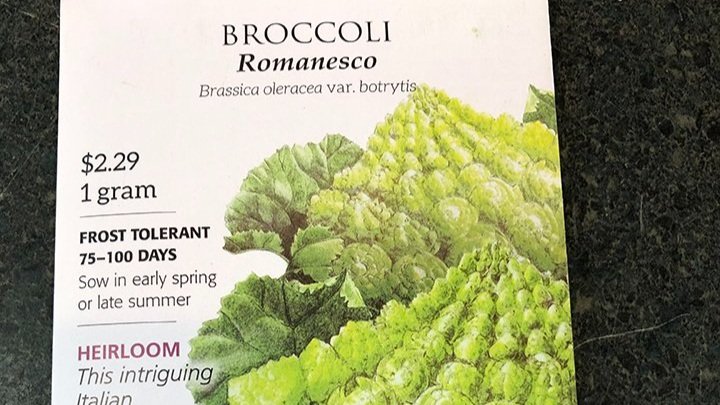
Broccoli+di+ciccio.jpg
Broccoli+ramenesco.jpg
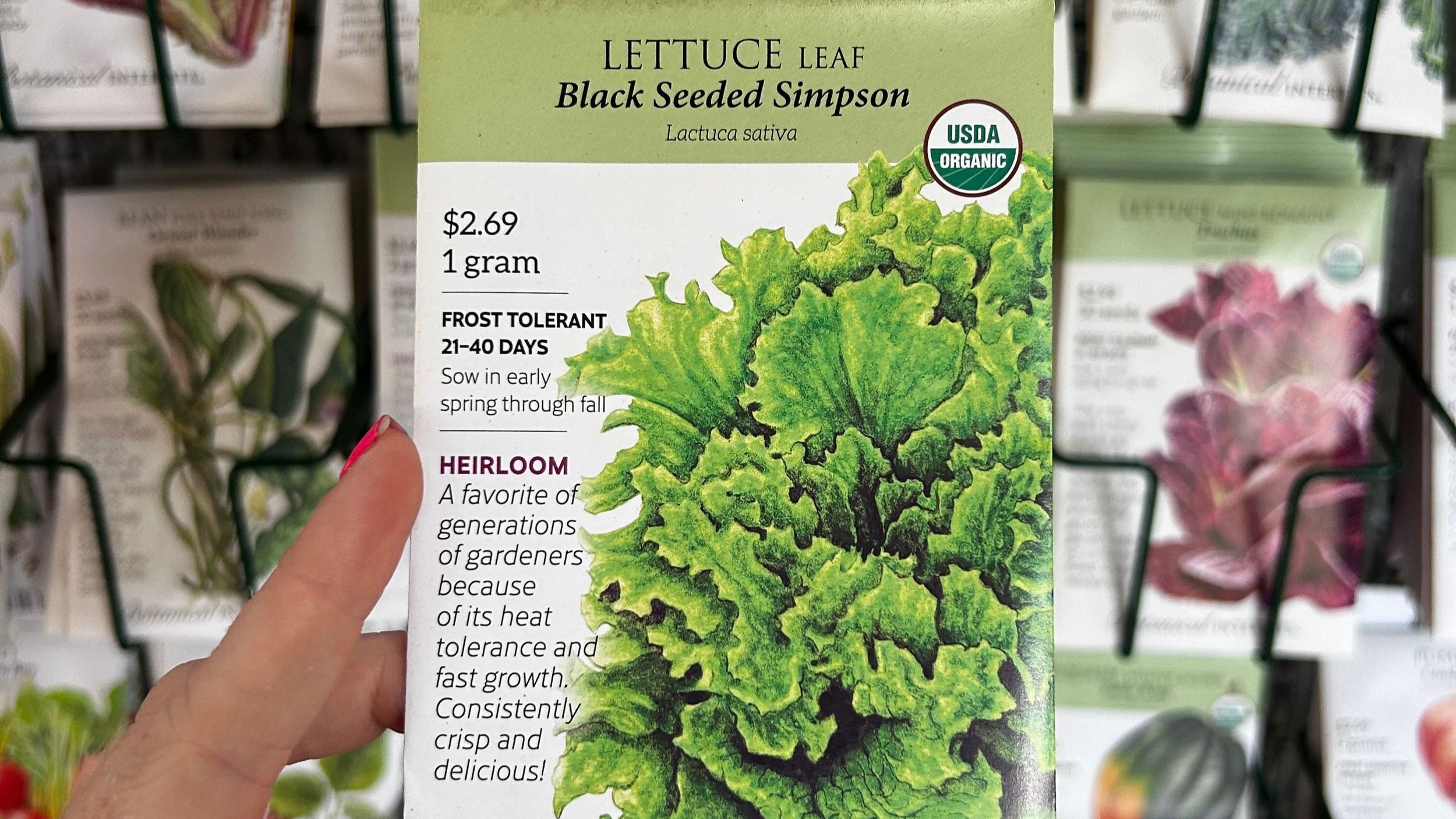
Lettuce+black+seeded+simpson.jpg
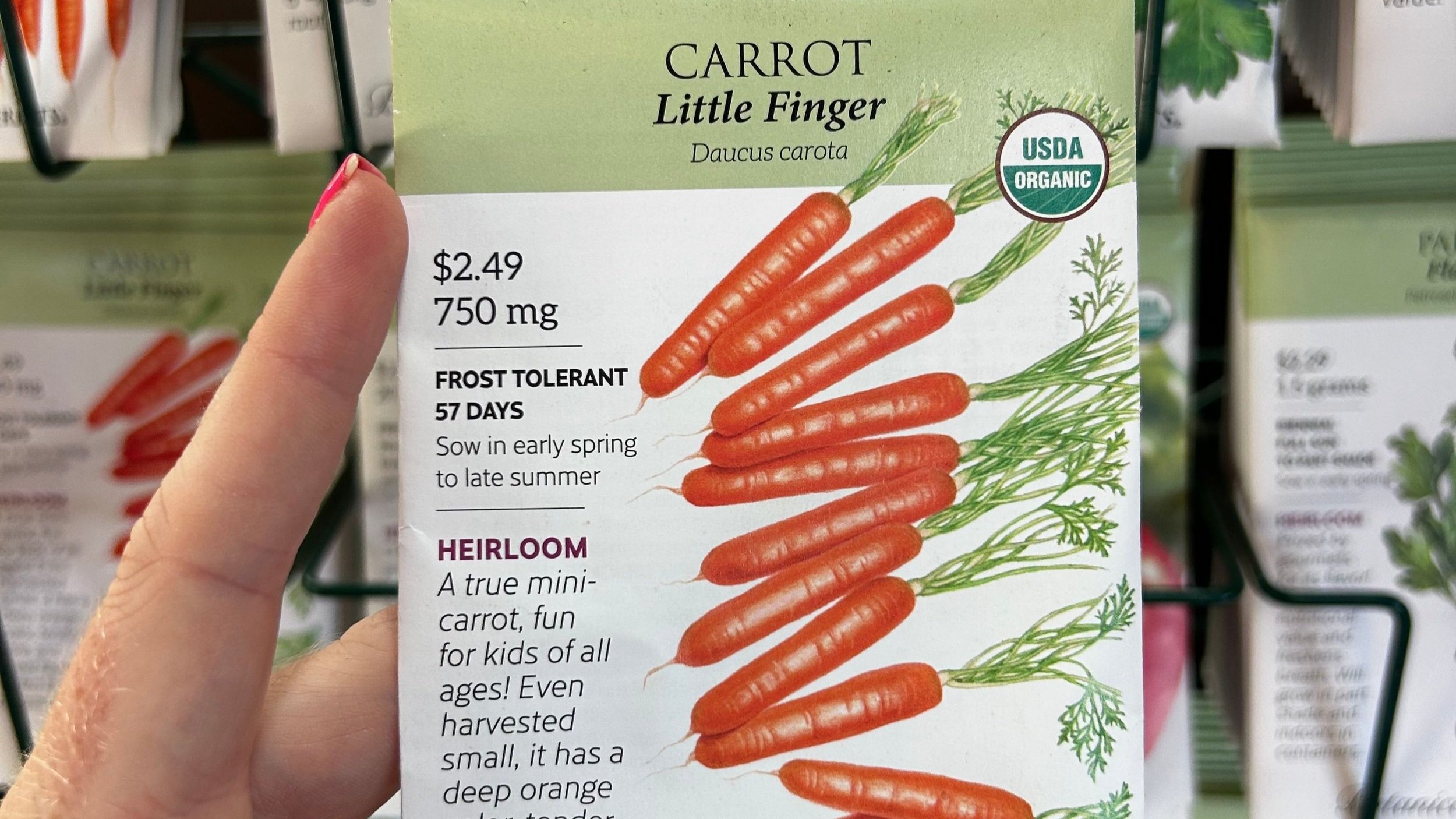
Carrot+little+finger.jpg
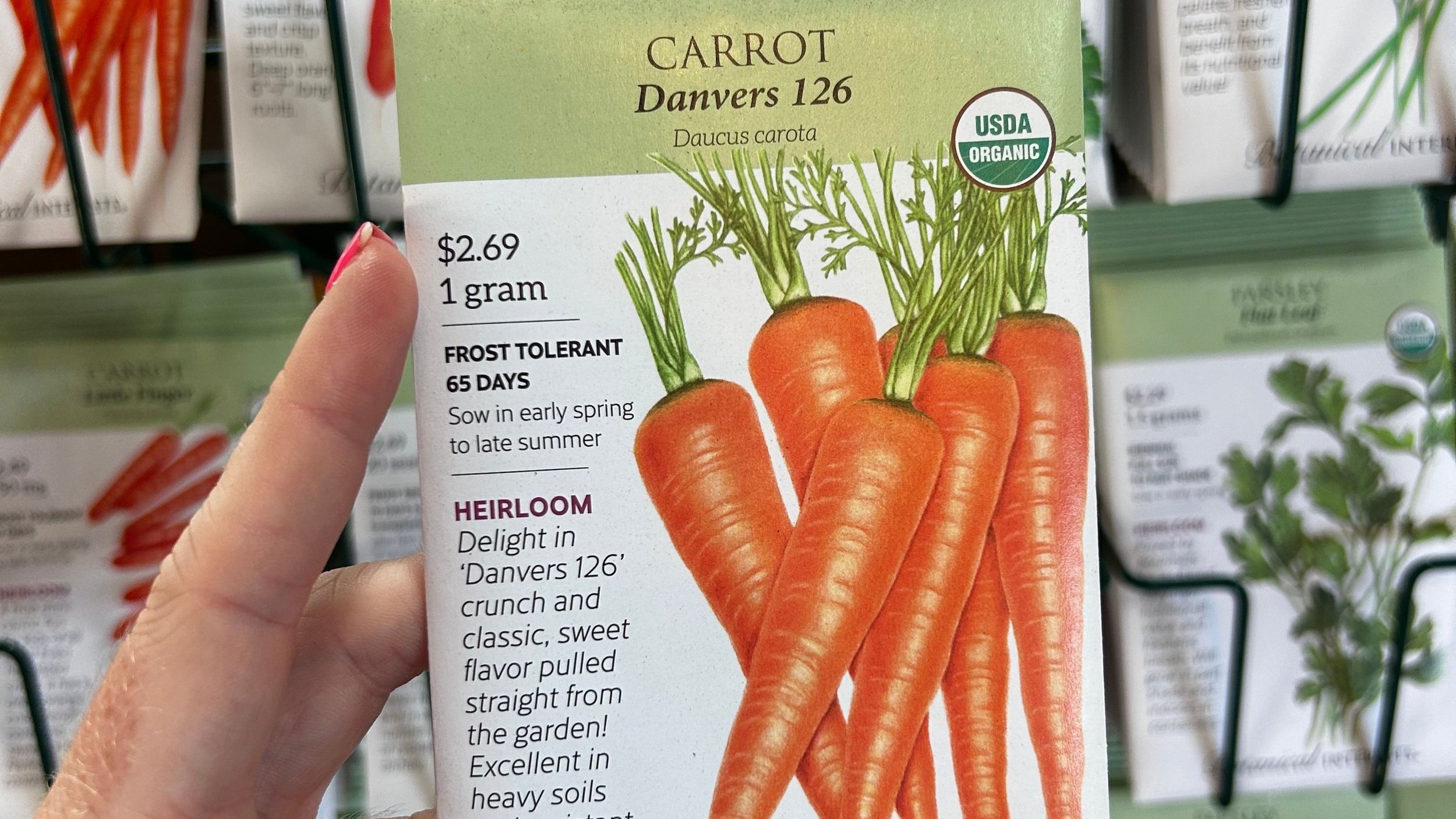
Carrots+danvers+126.jpg
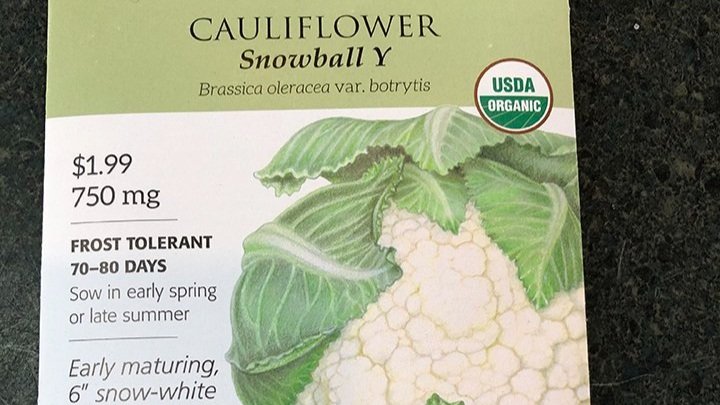
Cauliflower+snowball+y.jpg
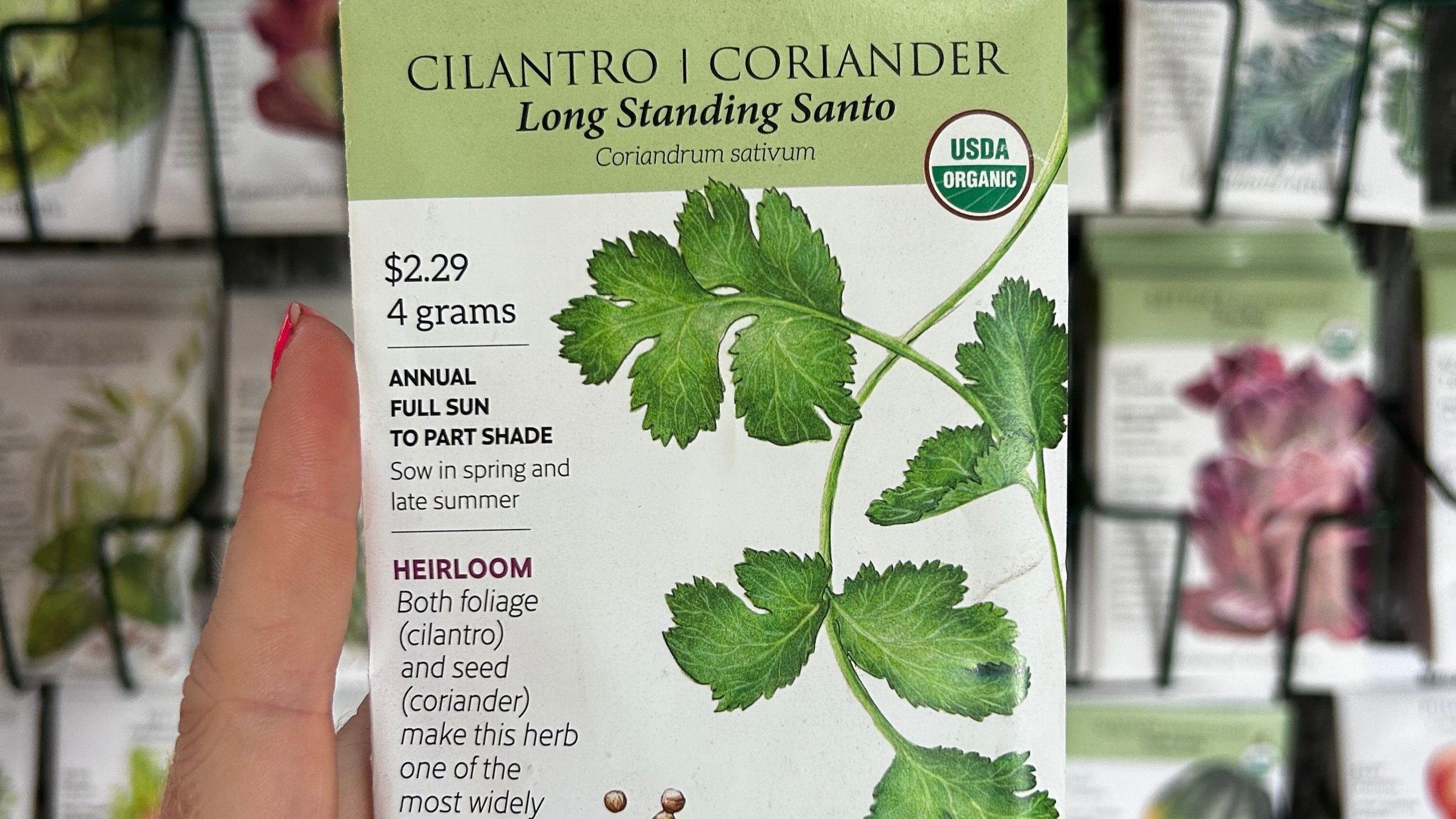
Cilantro+long+standing+santo.jpg
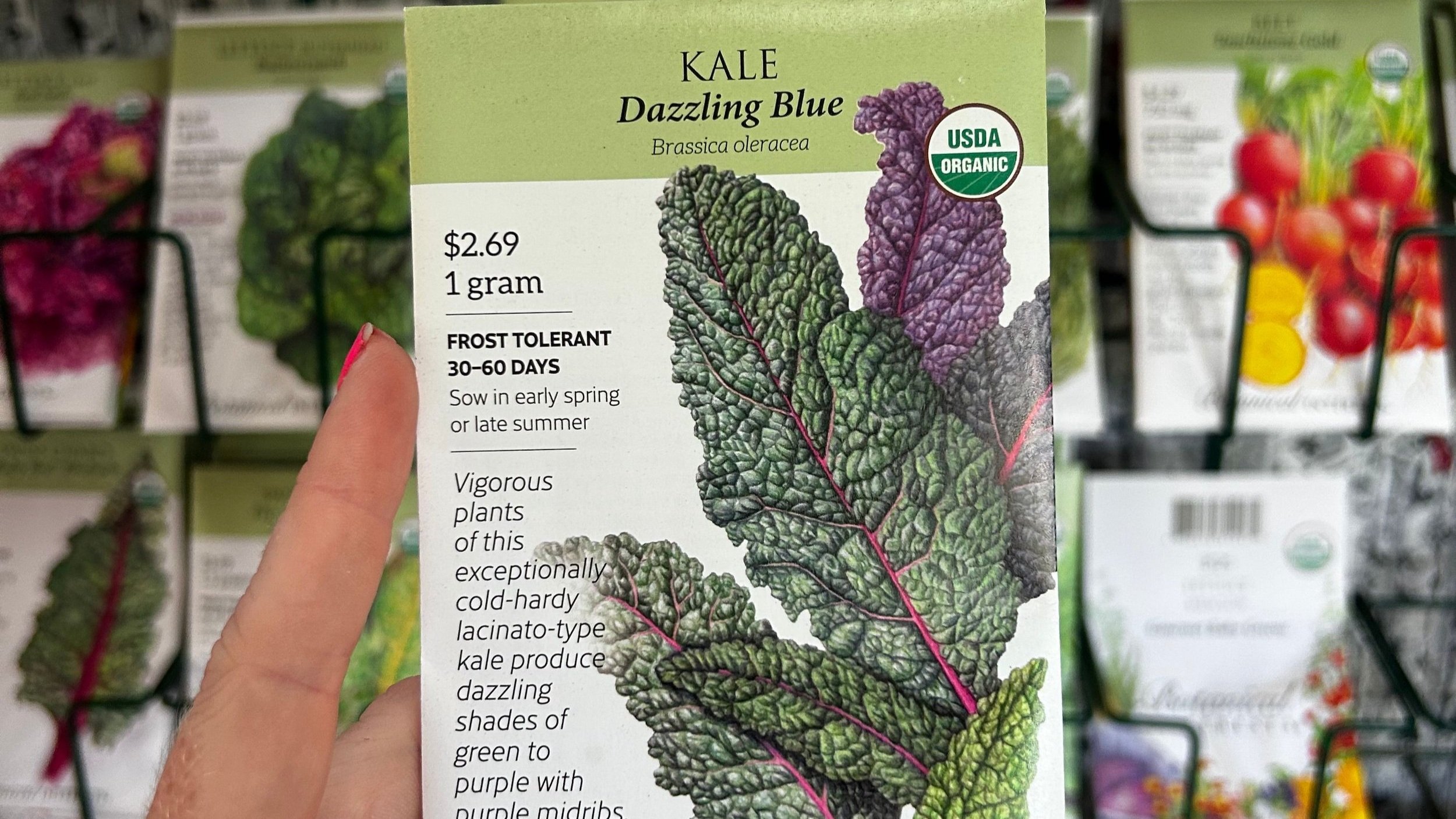
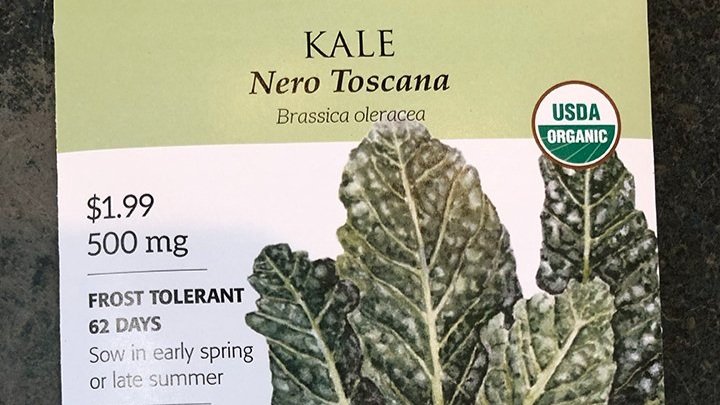
Kale+dazzling+blue.jpg
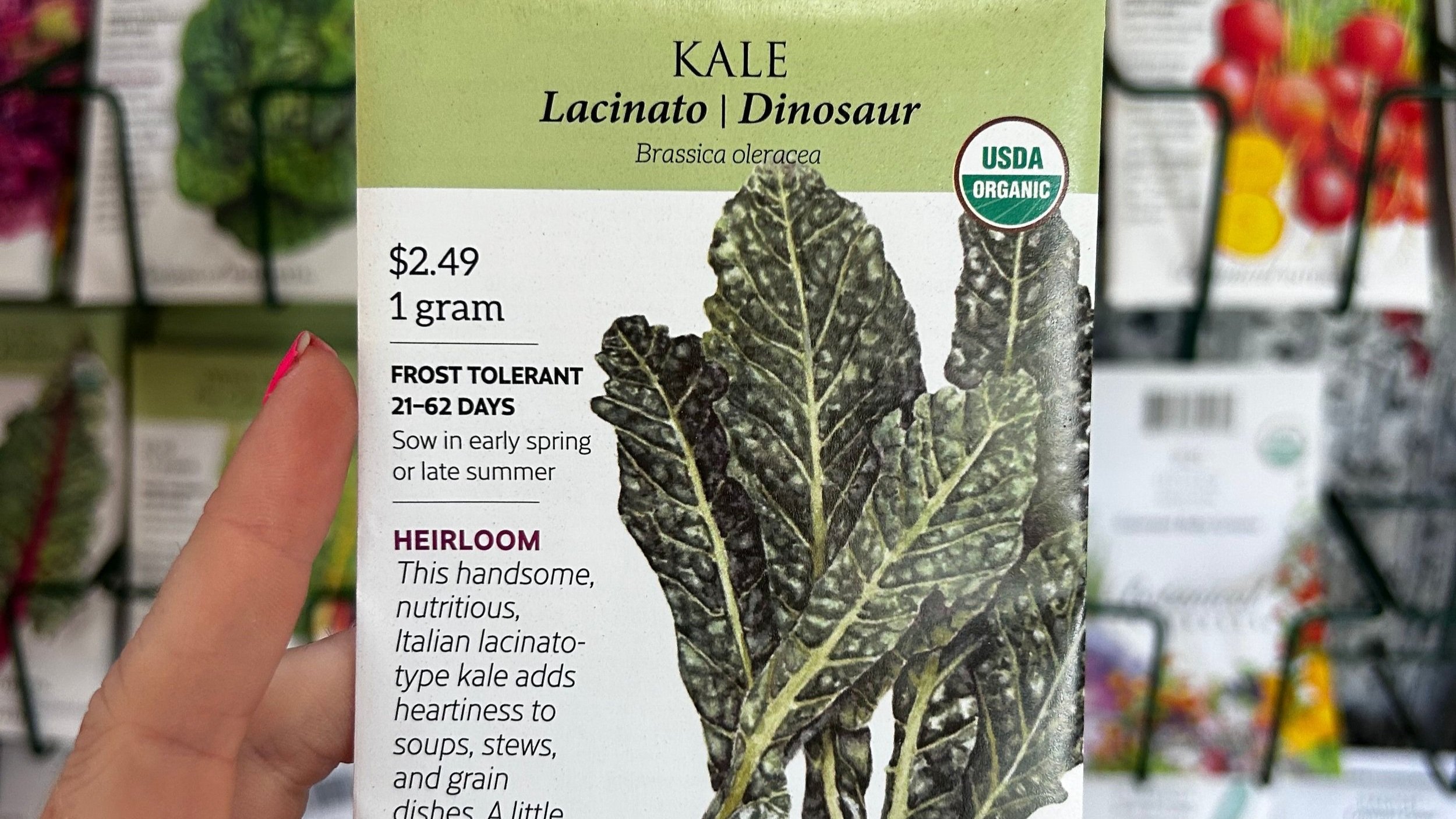
Kale+dinosaur.jpg
Kale+Nero+tuscano.jpg
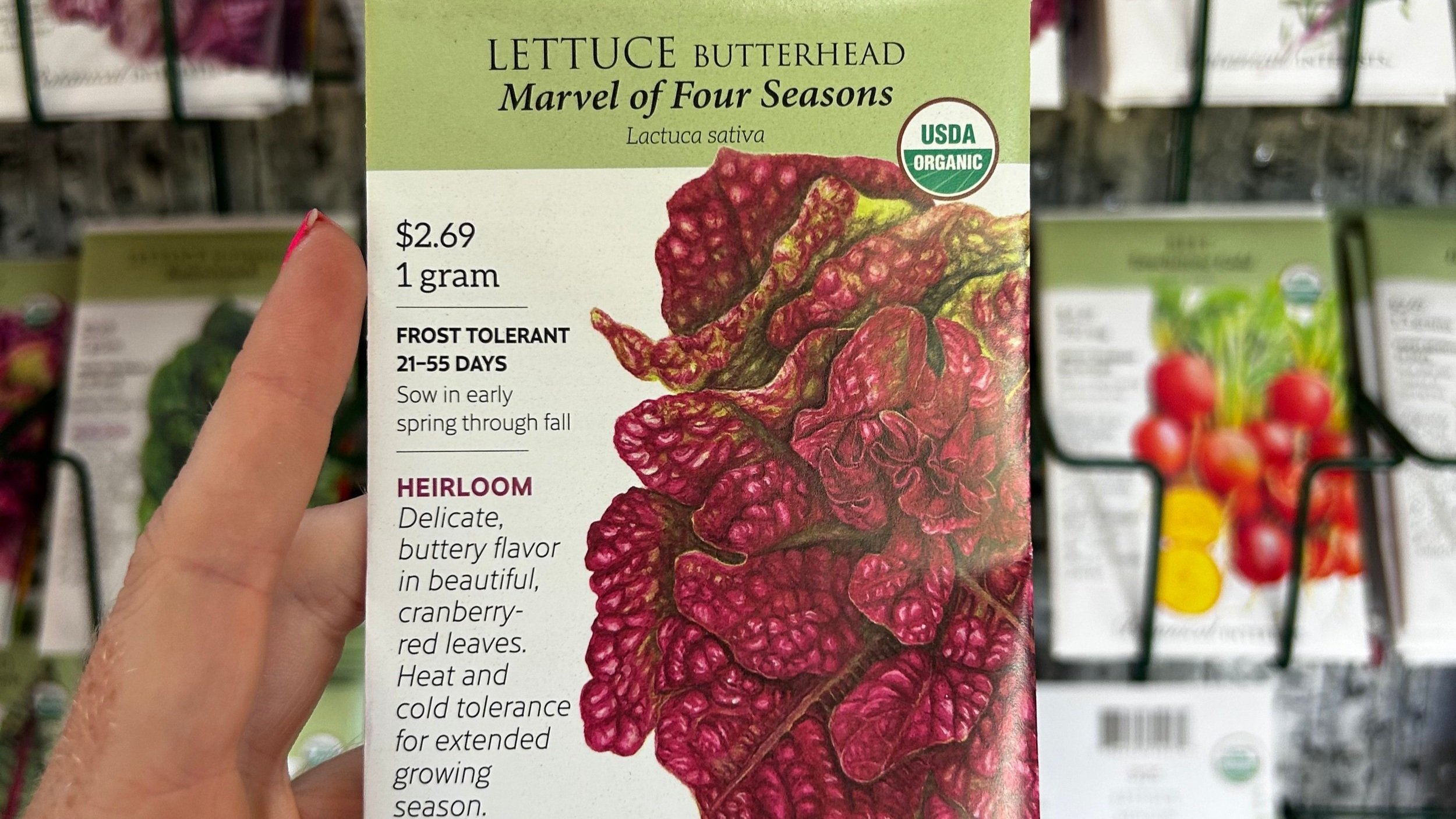
Lettuce+marvel+of+four+seasons.jpg
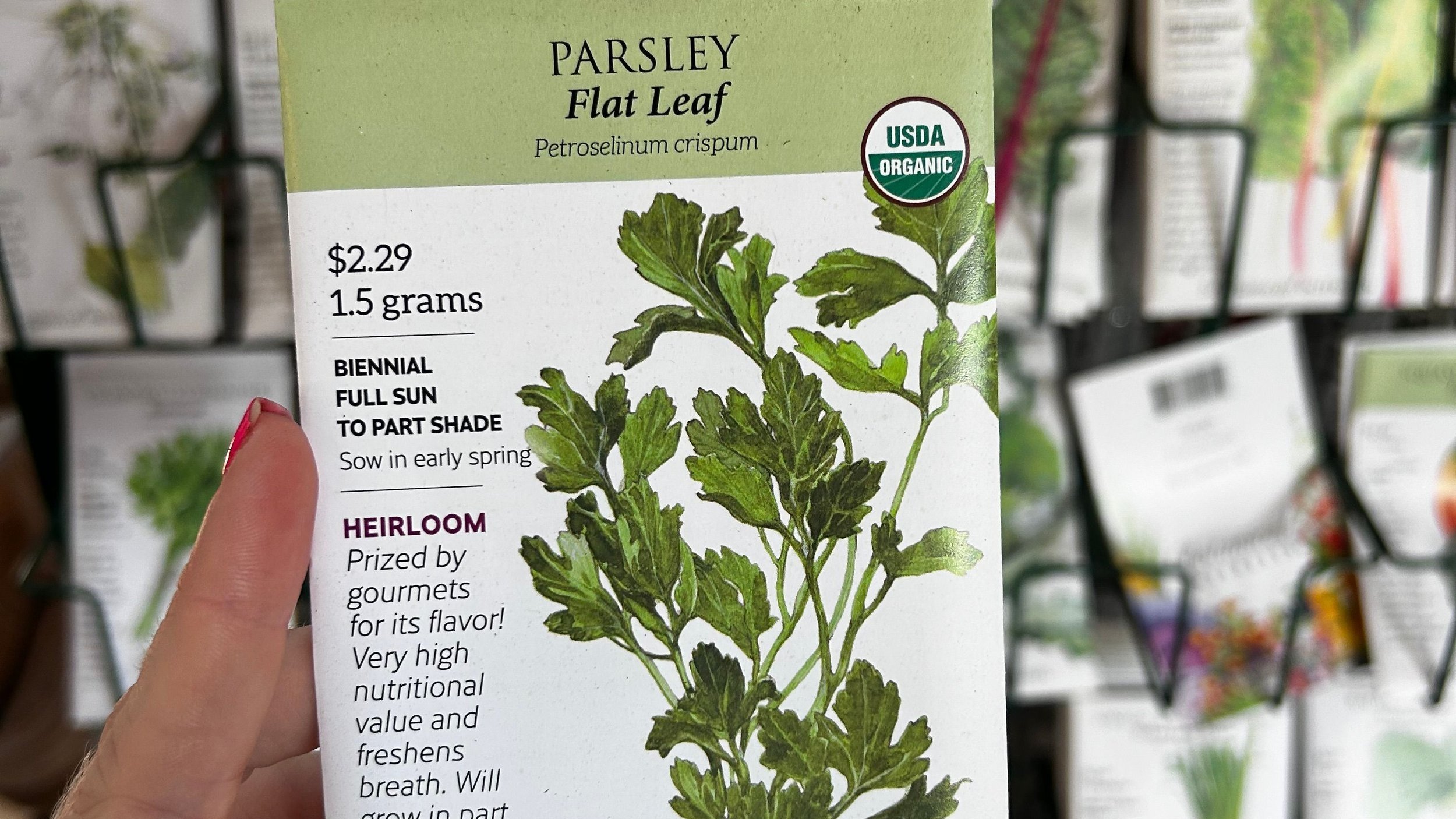
Parsley+flat+leaf..jpg
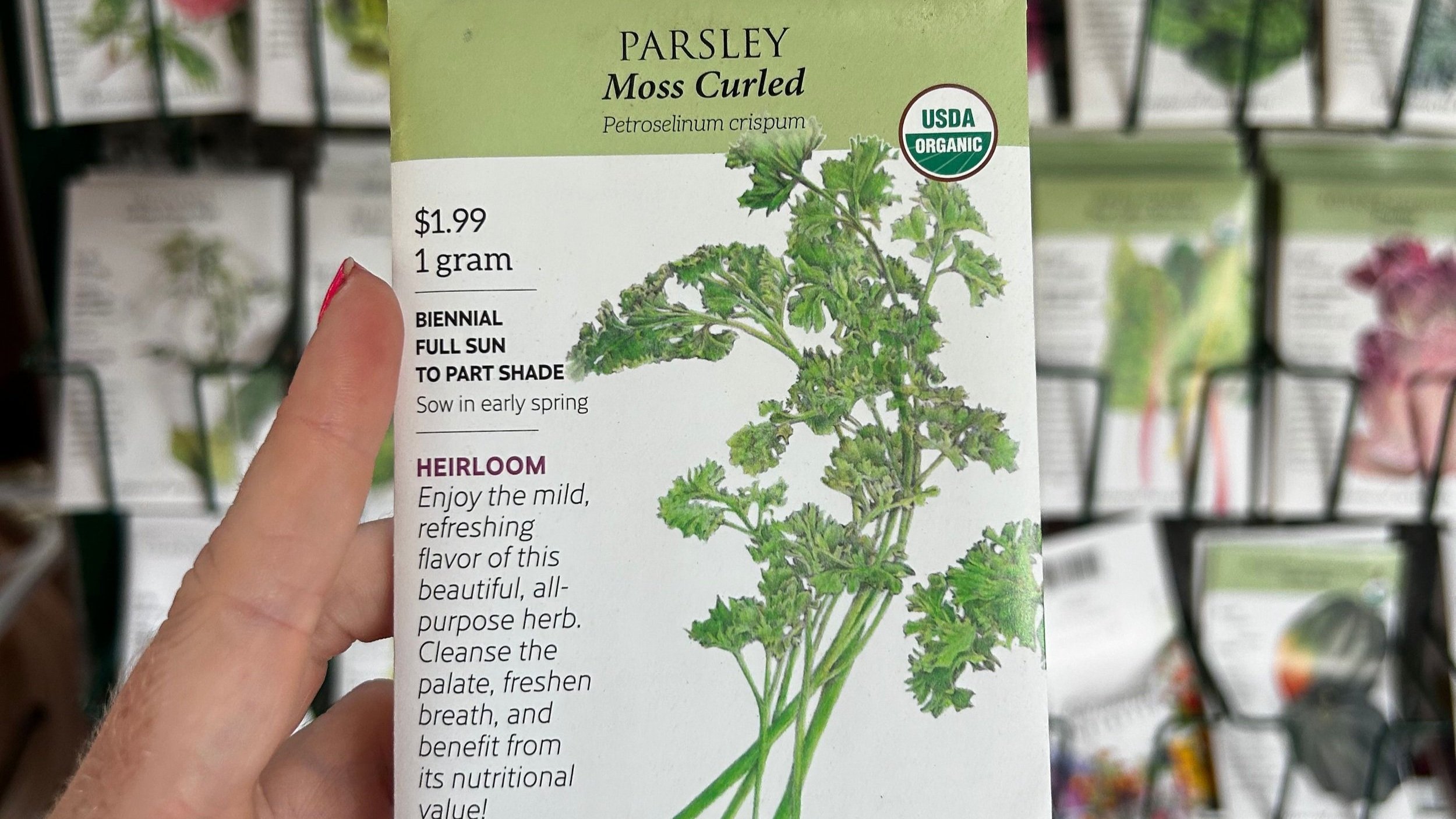
Parsley+moss+curled.jpg
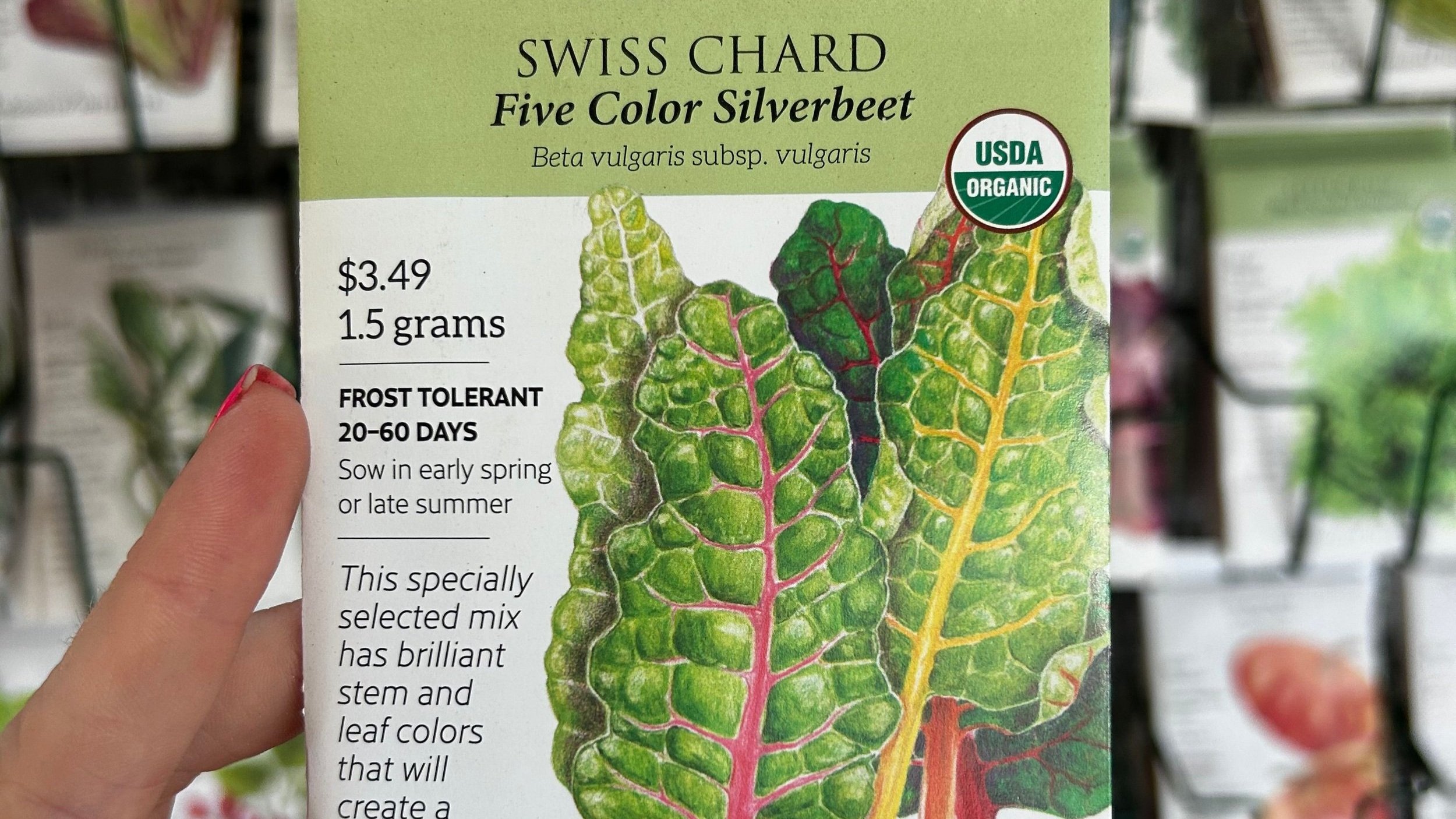
Swiss+chard+five+color+silverbeet.jpg
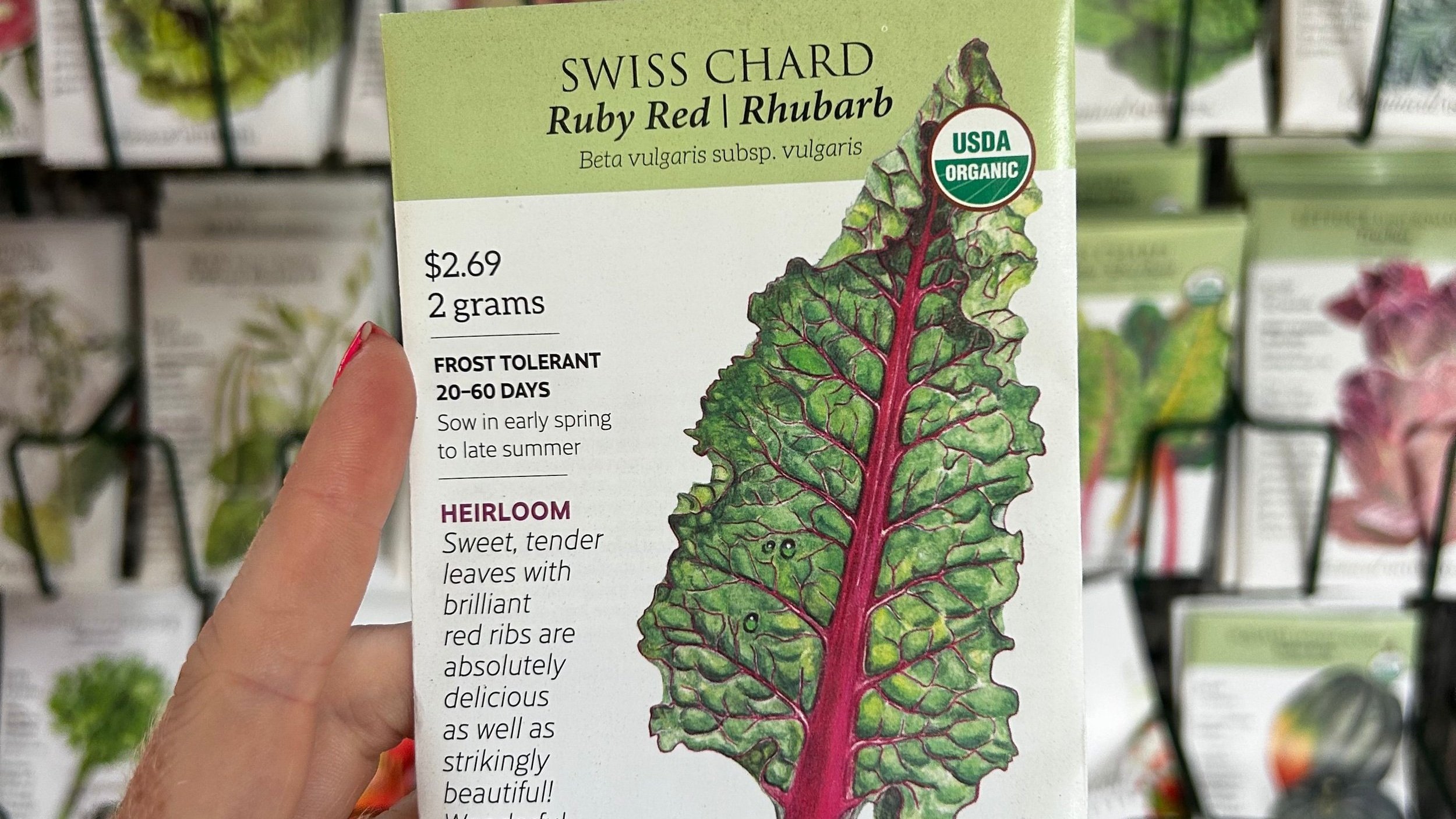
Swiss+chard+ruby+red.jpg
Lettuce+buttercrunch.jpg beet+early+wonder.jpg Broccoli+di+ciccio.jpg Broccoli+ramenesco.jpg Lettuce+black+seeded+simpson.jpg Carrot+little+finger.jpg Carrots+danvers+126.jpg Cauliflower+snowball+y.jpg Cilantro+long+standing+santo.jpg Kale+dazzling+blue.jpg Kale+dinosaur.jpg Kale+Nero+tuscano.jpg Lettuce+marvel+of+four+seasons.jpg Parsley+flat+leaf..jpg Parsley+moss+curled.jpg Swiss+chard+five+color+silverbeet.jpg Swiss+chard+ruby+red.jpg
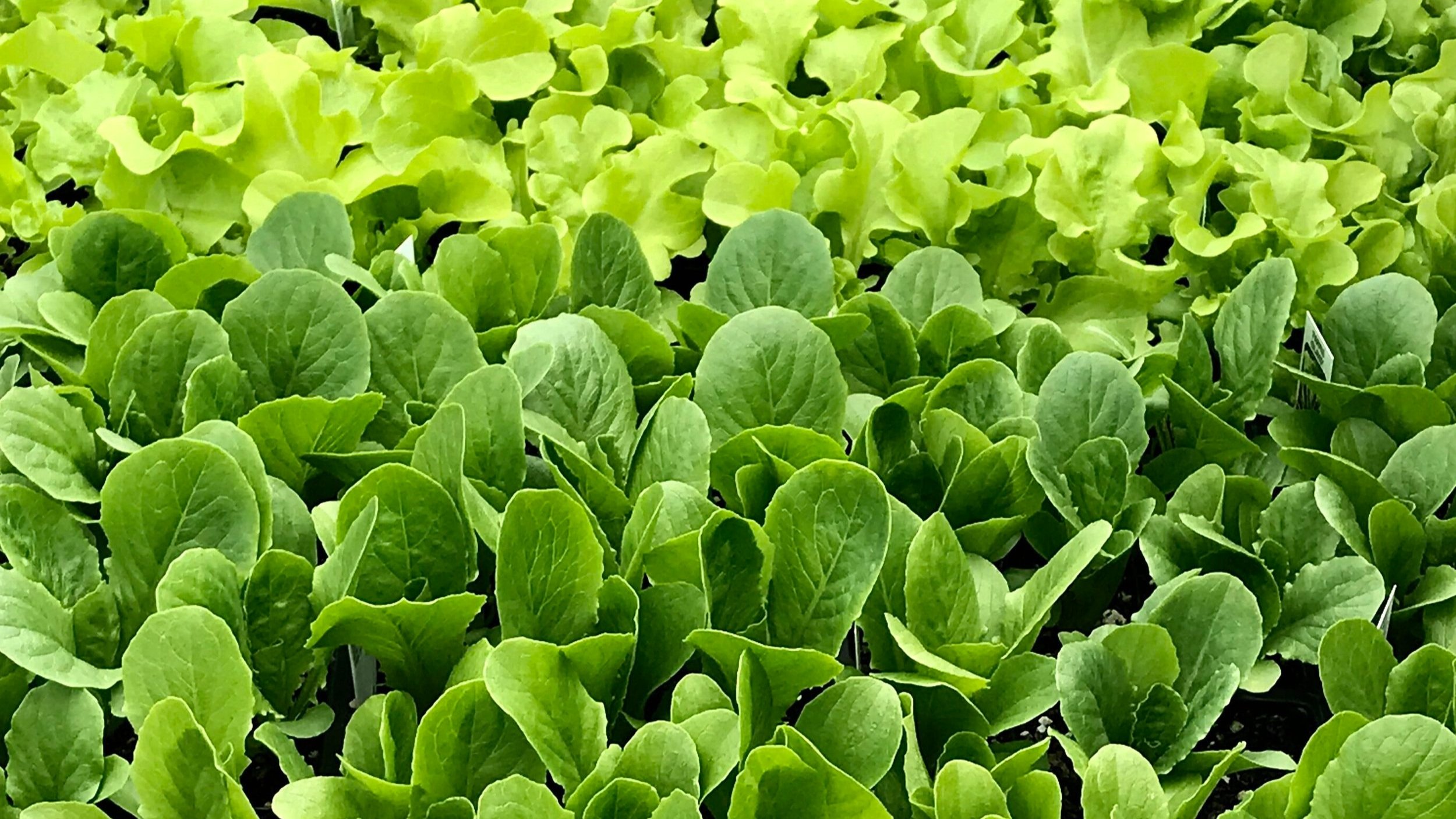
Lettuces
Lettuces
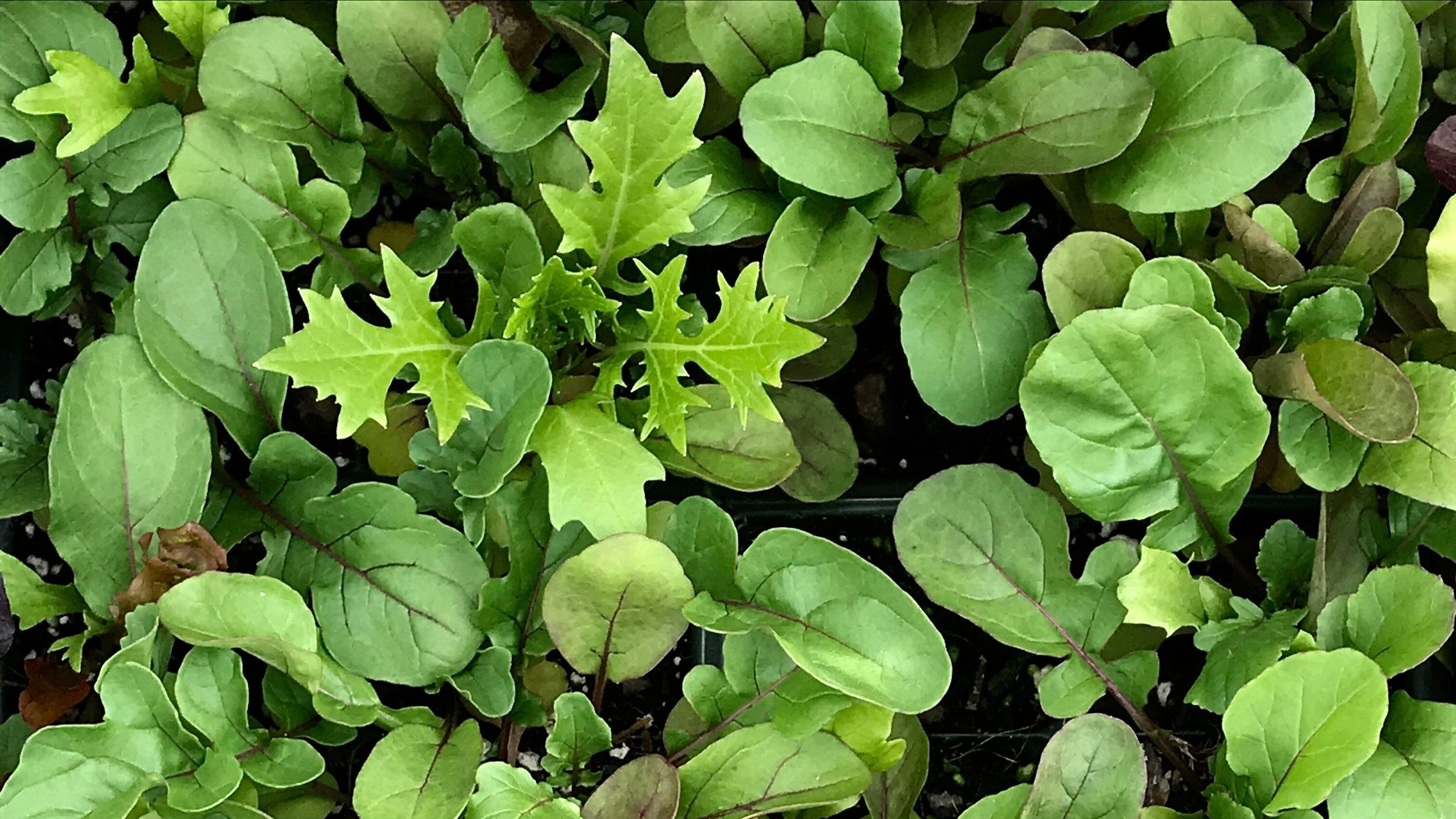
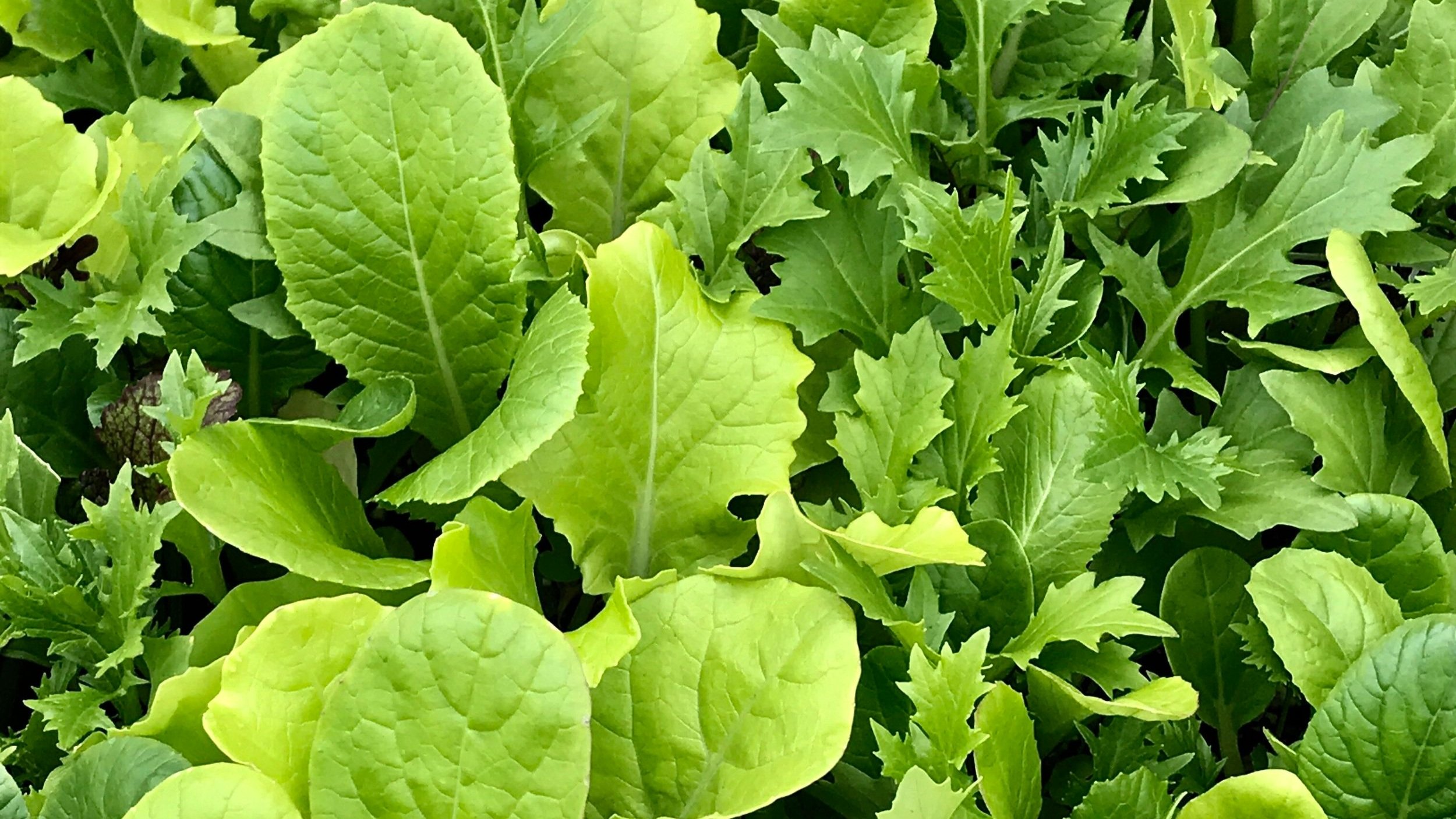
Mixed Mesclun Greens
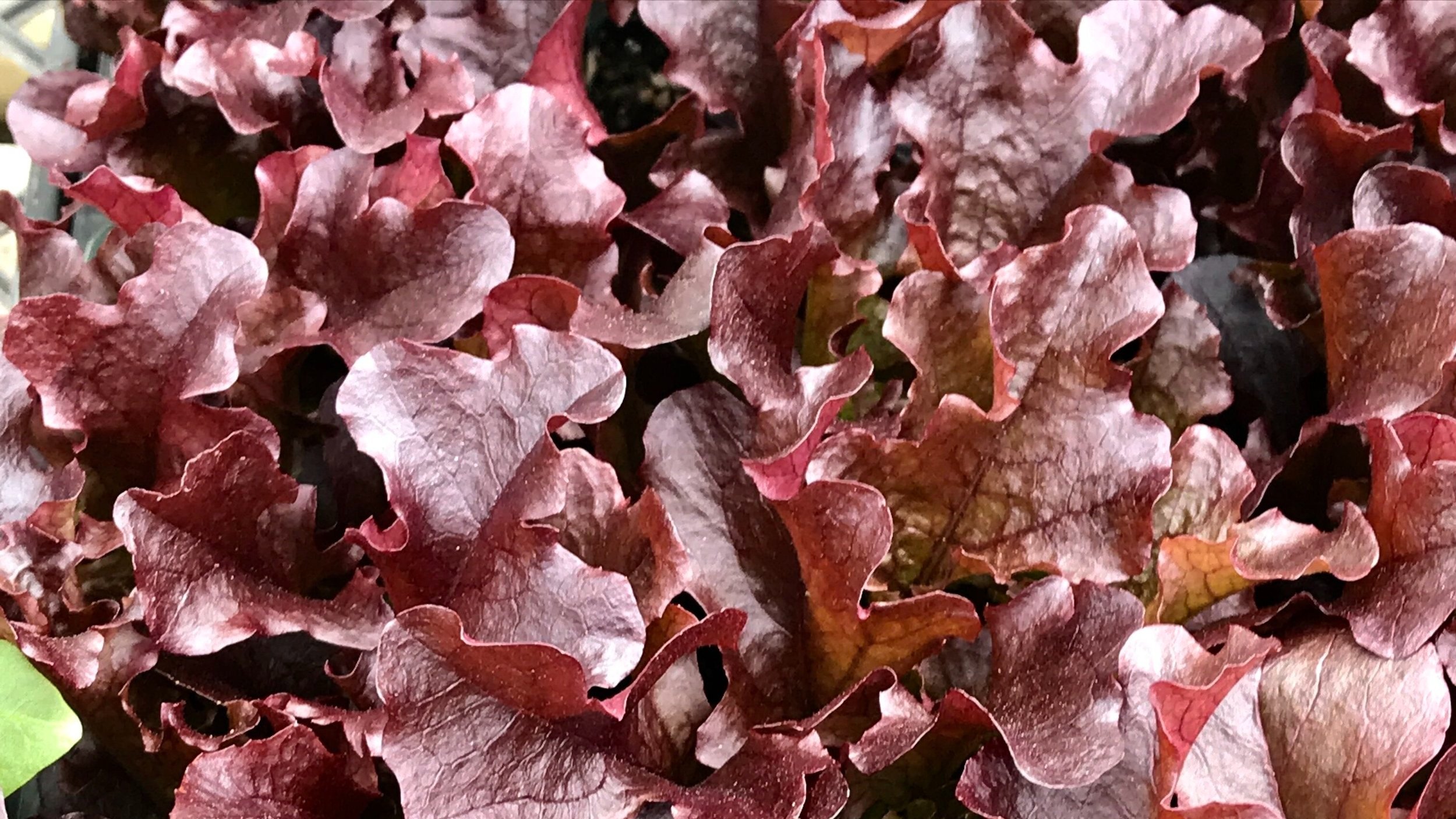
Red Leaf Lettuce
Red Leaf Lettuce
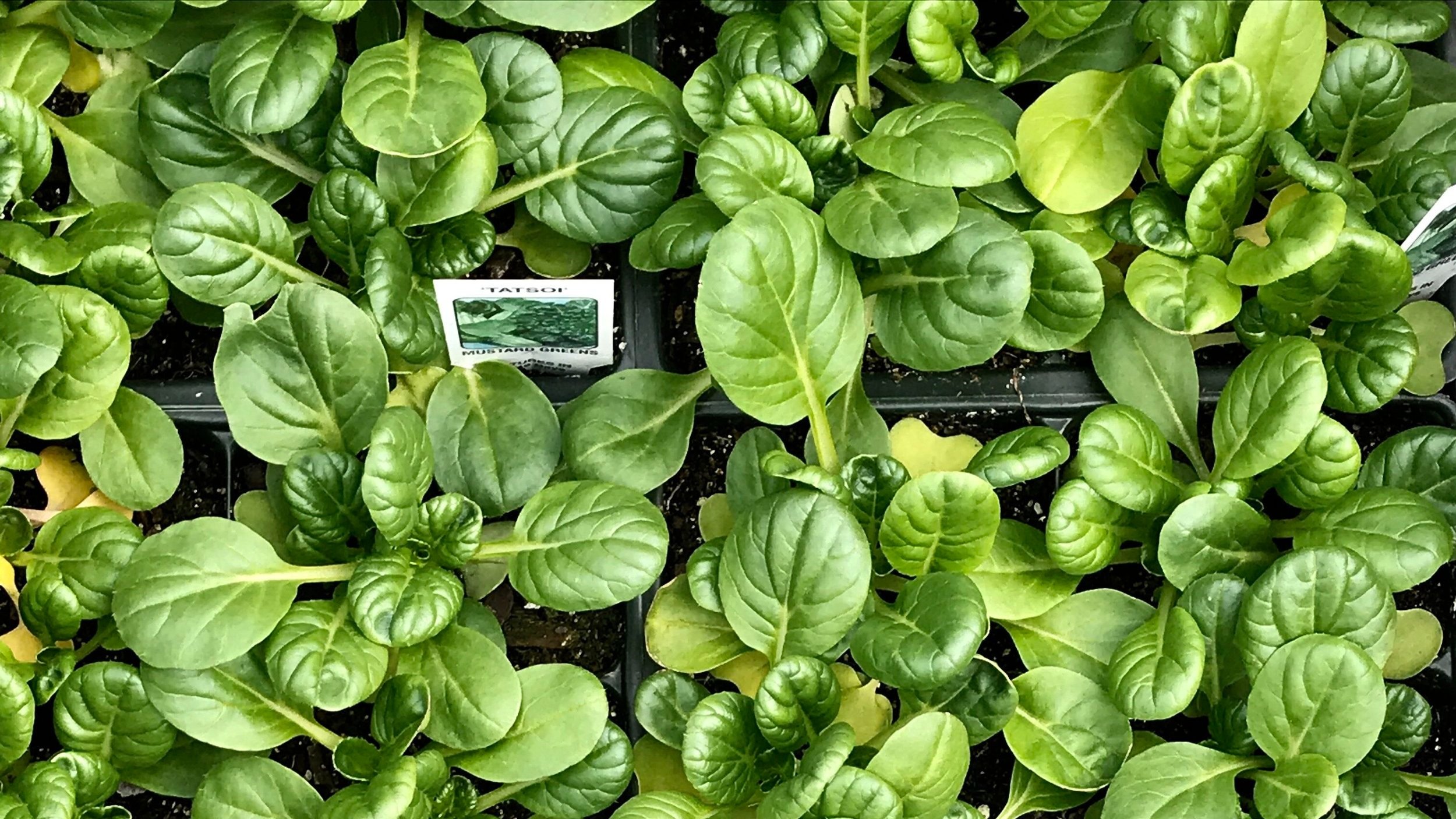
Tat soi (miniature Chinese cabbage-like)
Spicy Micro Greens
Spicy Micro Greens
Arugula Astro
Arugula Astro
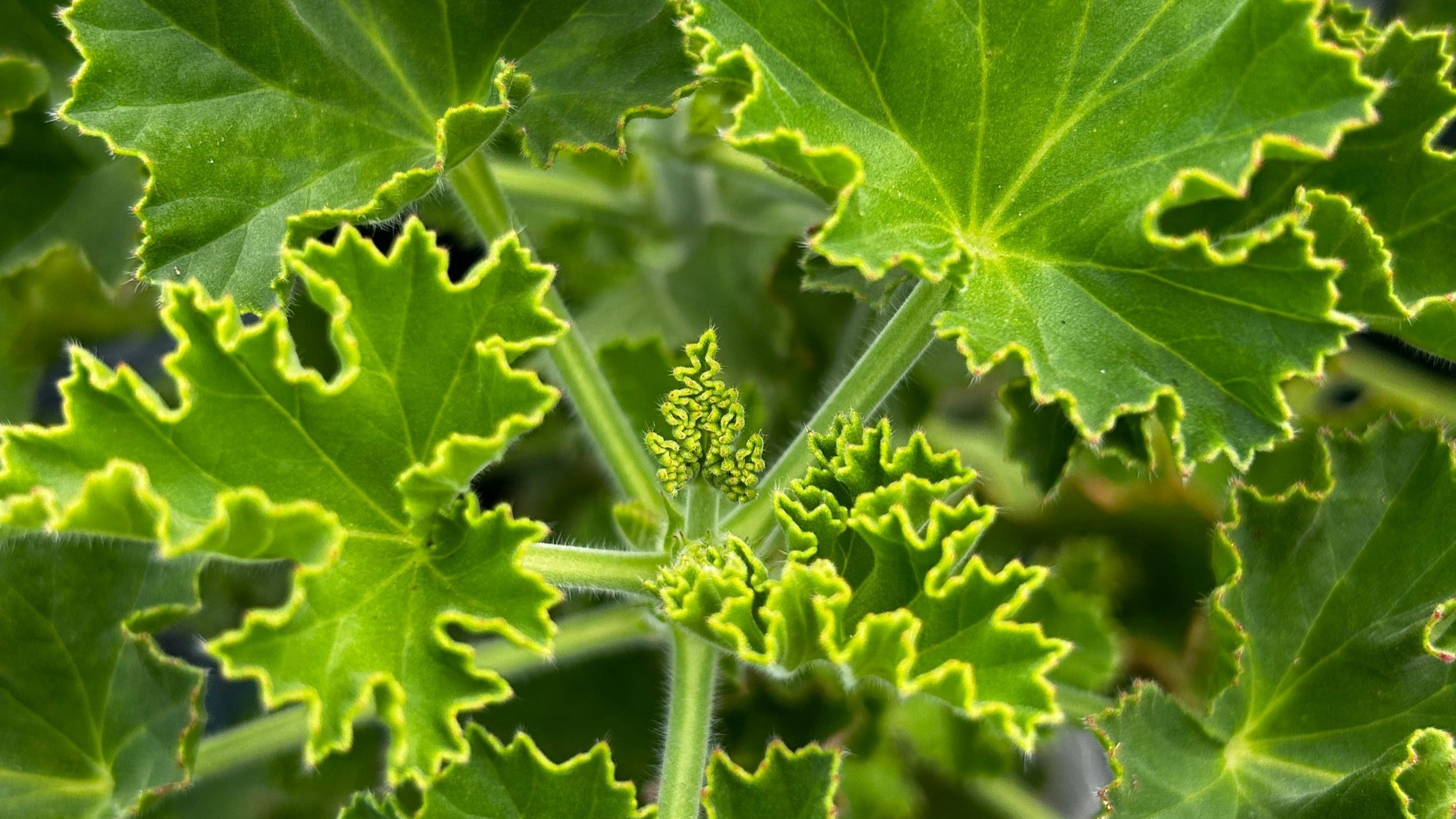
Zonal Scented Geranium
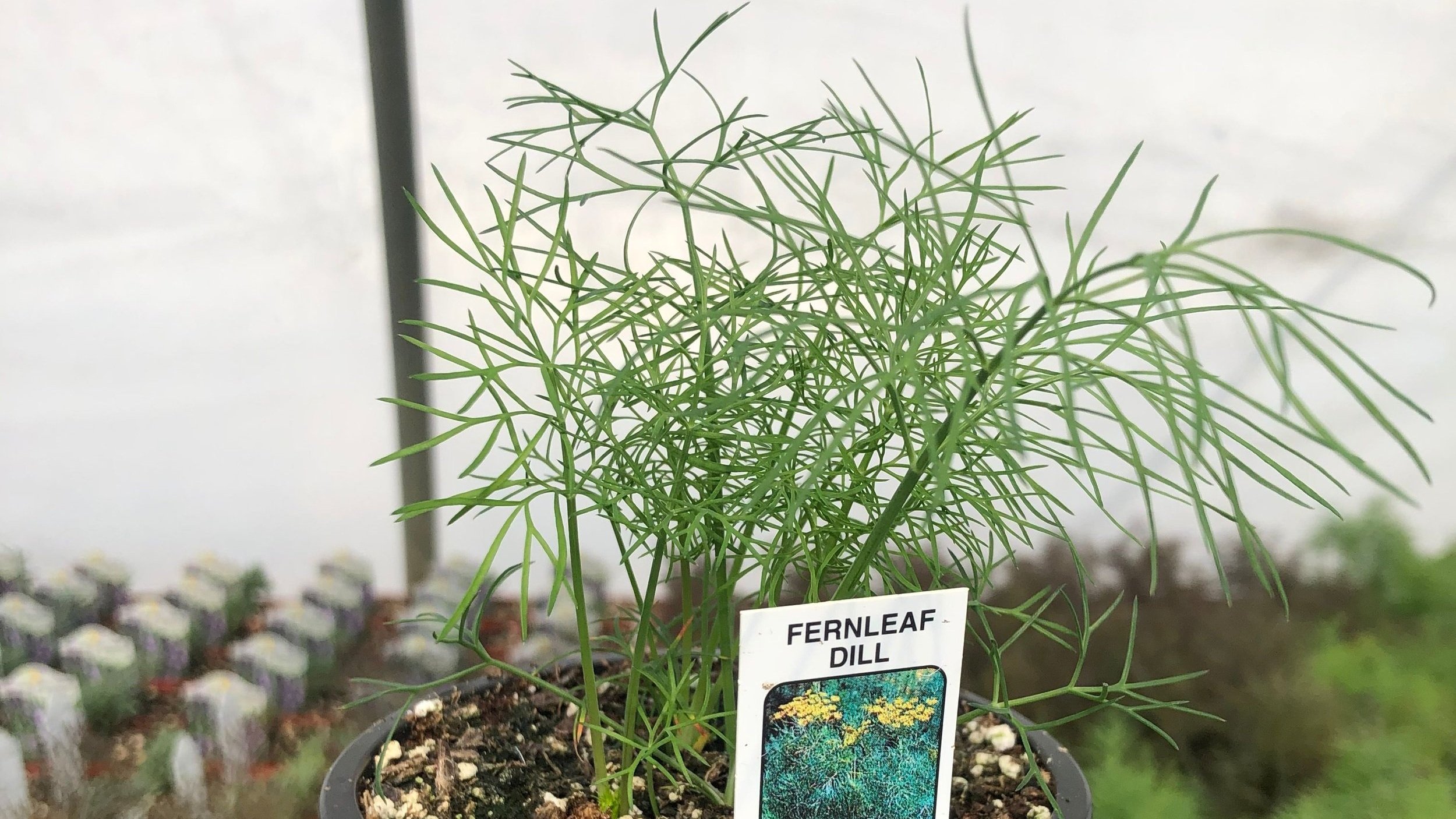
Dill+fernleaf.jpg
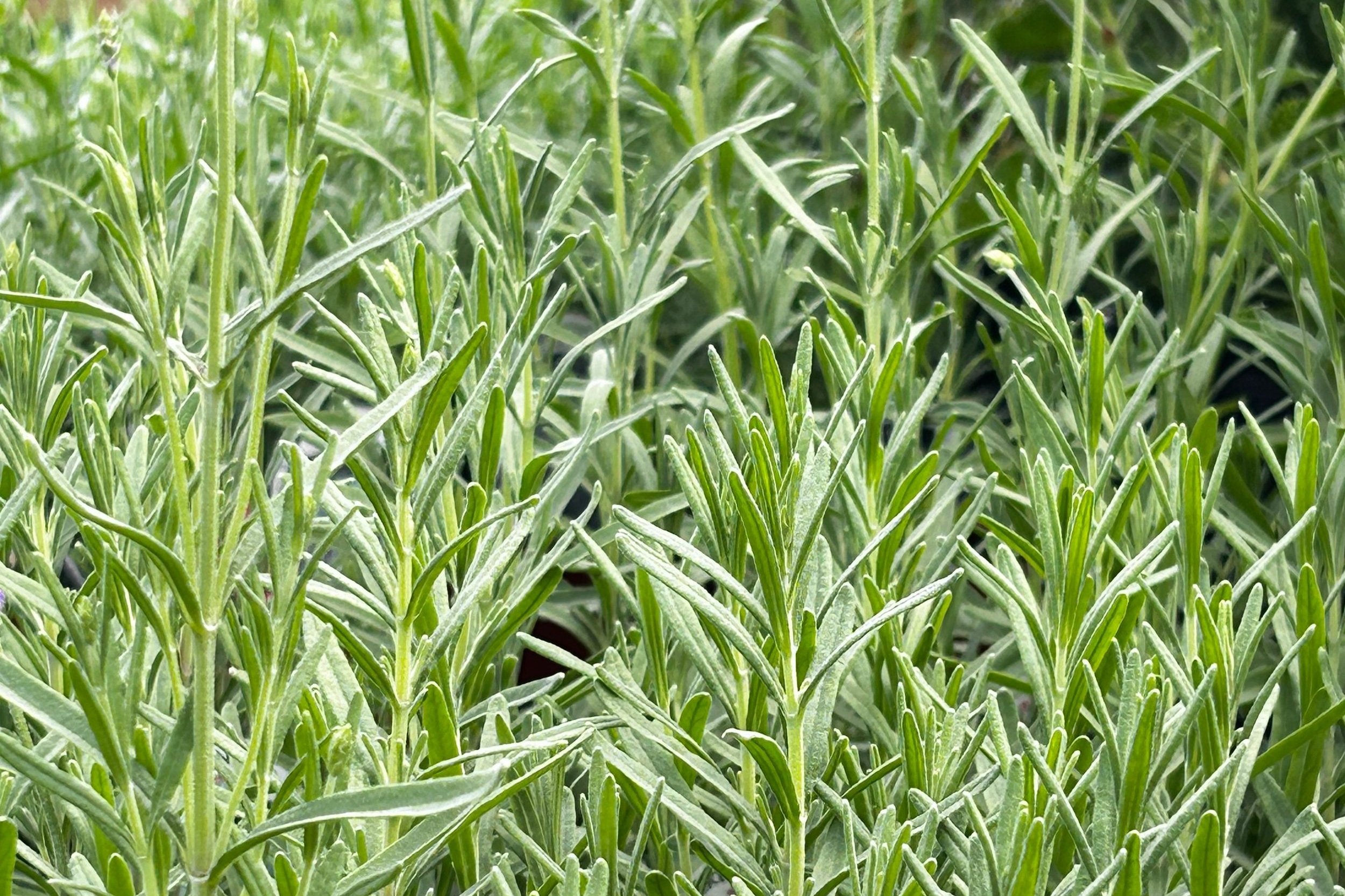
Lavender hidcote
Lavender hidcote
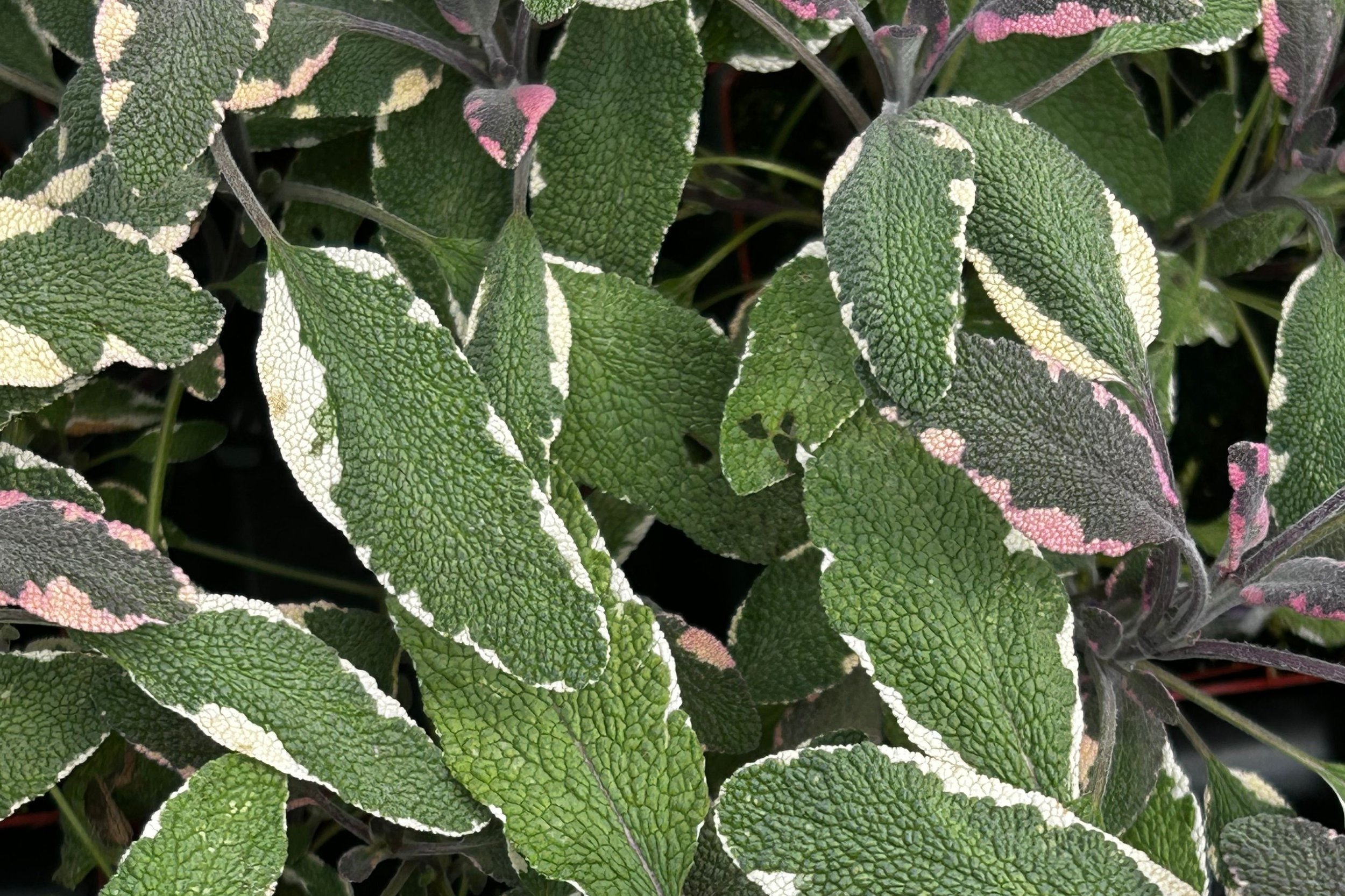
Sage tricolor
Sage tricolor
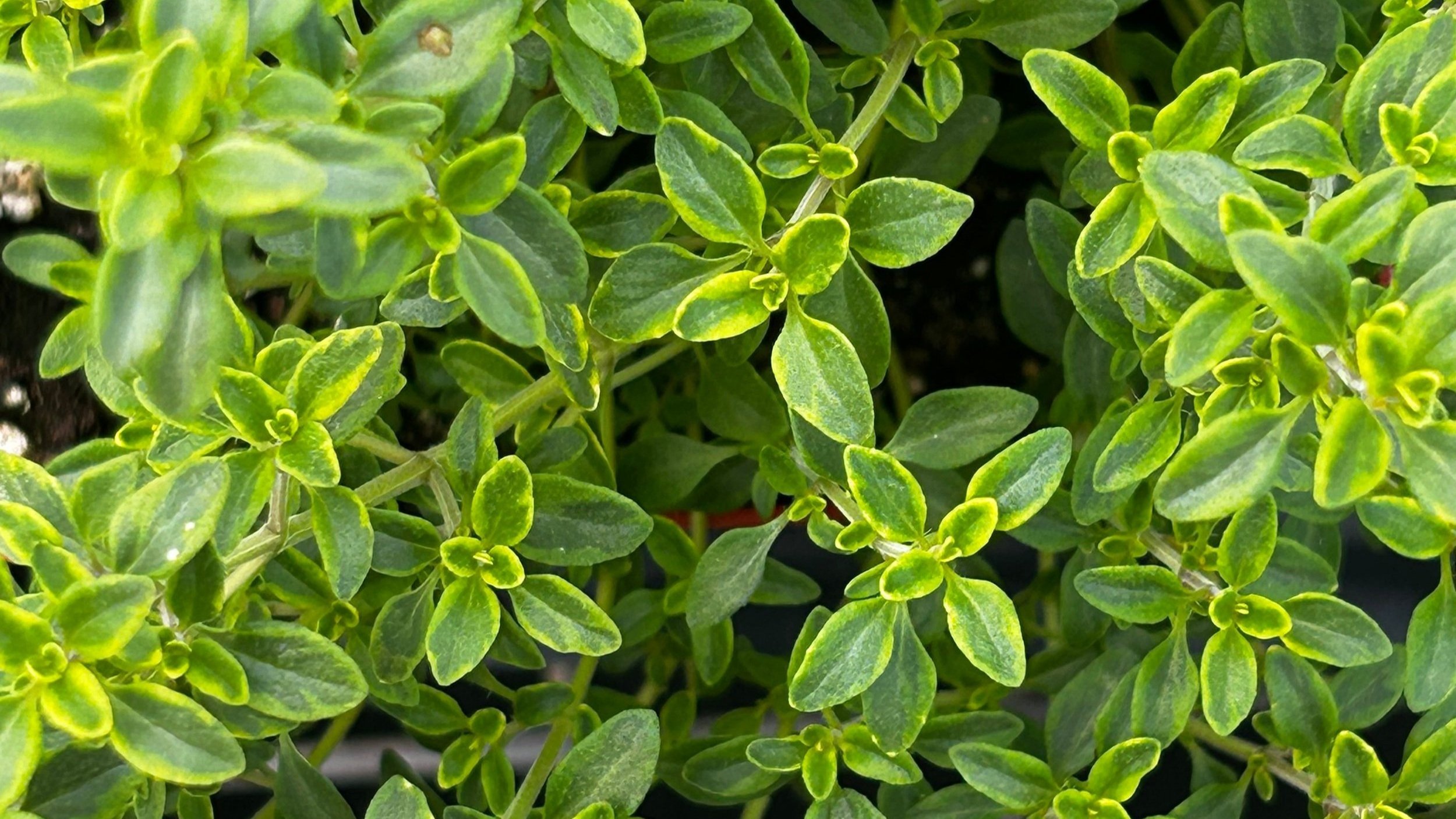
Thyme Lemon
Thyme Lemon
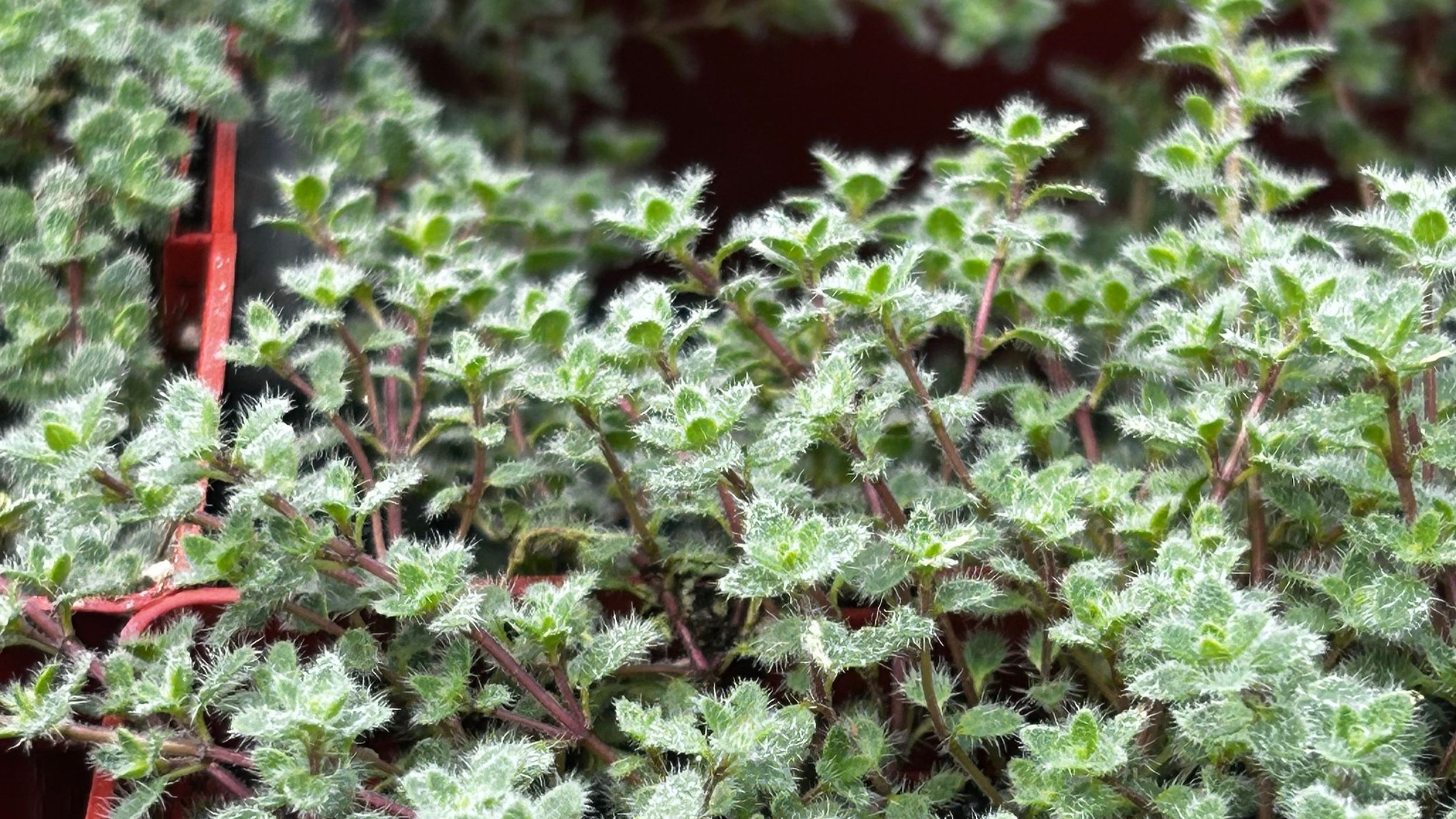
Thyme Woolly
Thyme Woolly
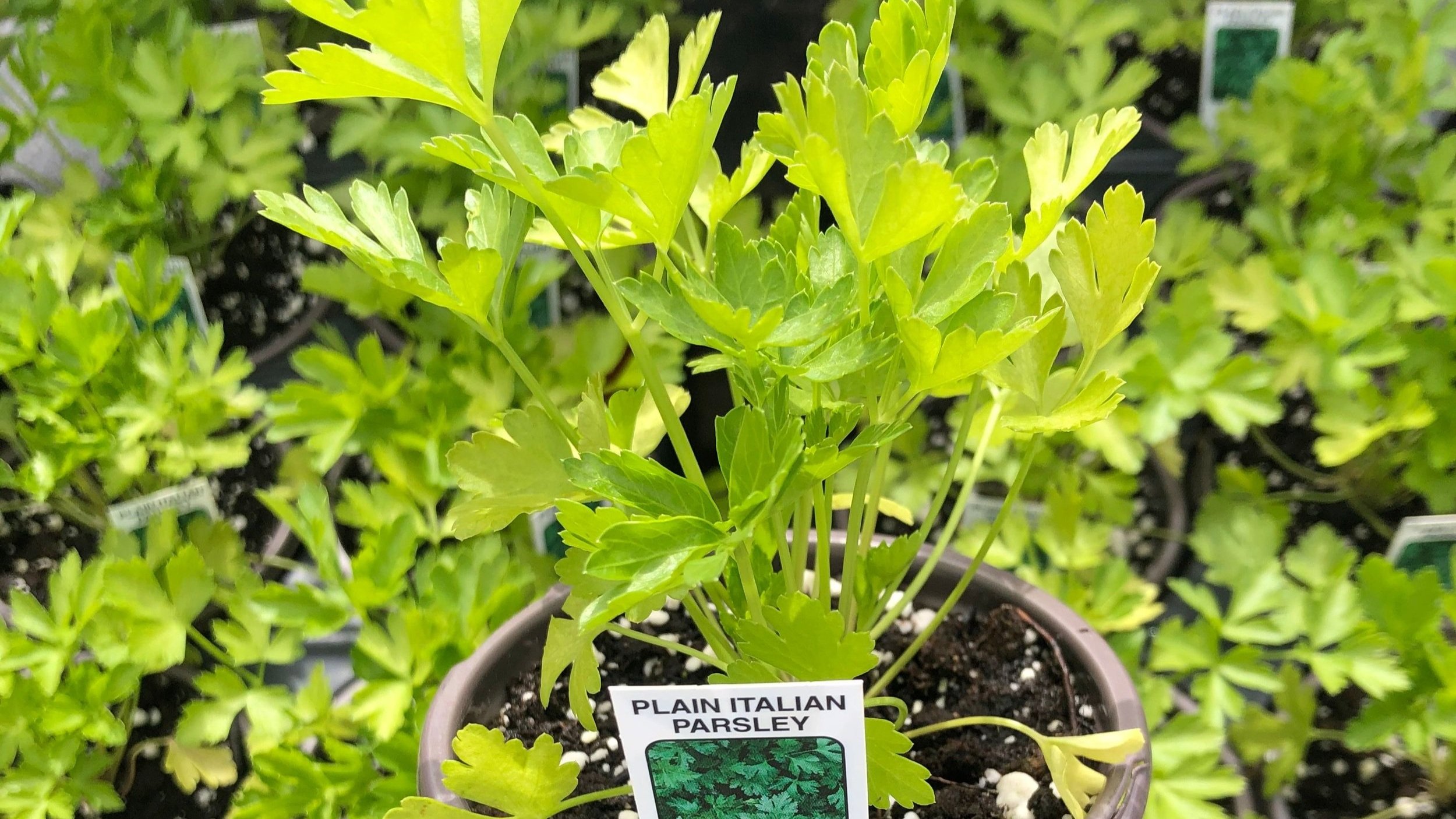
Parsley+Italian+flat+leaf.jpg
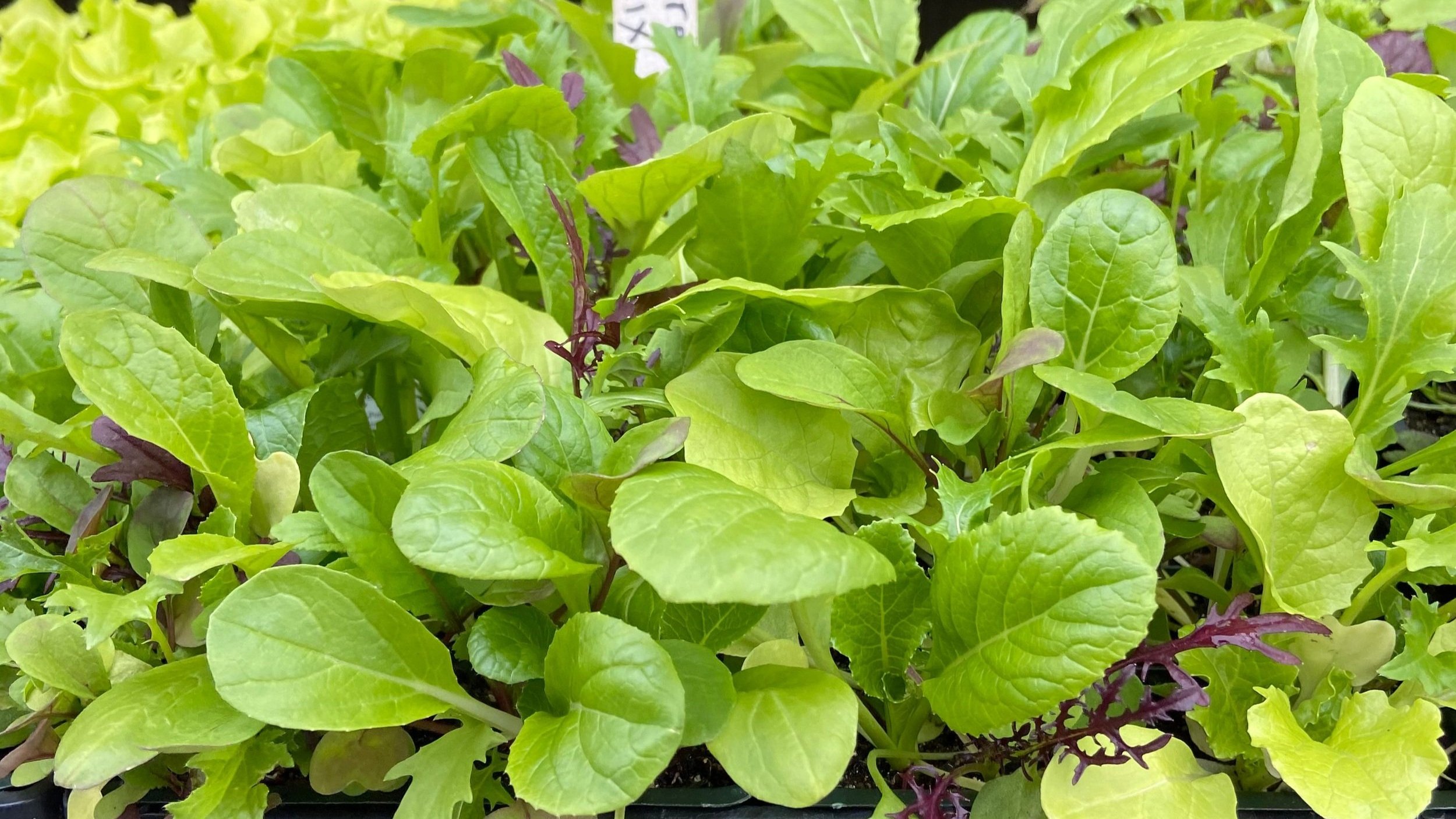
Mesculin Mix Asian Salad Greens
Lettuces Mixed Mesclun Greens Red Leaf Lettuce Tat soi (miniature Chinese cabbage-like) Spicy Micro Greens Arugula Astro Zonal Scented Geranium Dill+fernleaf.jpg Lavender hidcote Sage tricolor Thyme Lemon Thyme Woolly Parsley+Italian+flat+leaf.jpg Mesculin Mix Asian Salad Greens

******************************************

VEGETABLE SEEDS & SEEDLINGS AVAILABLE NOW

START PLANTING TODAY!

______________________

VEGETABLES & GREENS

  • We have started our first batch of lettuce and arugula.

    • We will continue to seed lettuce every couple of weeks into the fall.

    • Late in summer we will focus on the hardier winter lettuces.

  • Our spinach has germinated.

  • Broccoli and cauliflower

  • Other greens we are growing:

    • Kale

    • Oakleaf Lettuce

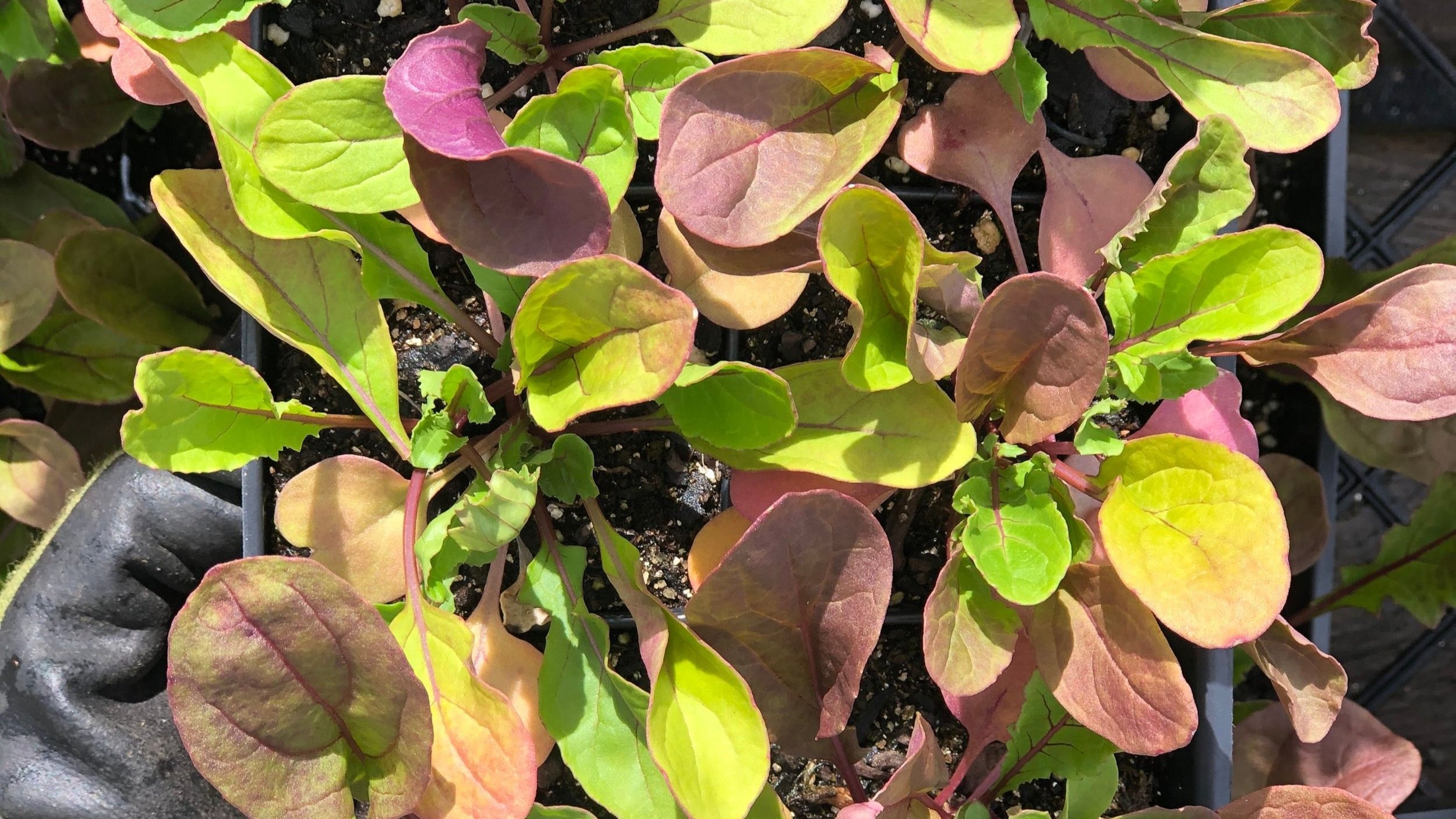
    • Red Swiss Chard

    • Asian greens like Pac Choy and Bok Choy

HERBS

Now also available for planting!

  • Thyme (Lemon & White 'Albiflorus')

  • Alpine Strawberries

  • Scented Geraniums

  • Sage

  • Germander

  • Lavender

  • Rosemary

  • Greek Oregano

  • Chives

  • French Tarragon

______________________

DESCRIPTION OF THE GREENS WE ARE GROWING FROM FEDCO SEED

  • Broccoli Waltham 29: "We’ve found a reliable strain that consistently produces 6" heads with medium beads on attractive stocky 20" plants."

  • Arugula Ice bread: "This is arugula with more bite, vigorous with complex full flavors."

  • Kale Dazzling Blue Dinosaur: "Vigorous 24–34" upright savoyed lacinato-leaved kale in a range of bluish-green shades and all with a dramatic pink mid-rib. Sure to attract attention of chefs, market growers and gardeners alike."

  • Swiss chard Red rhubarb:  "Deep crimson stalks, dark green leaves. Very hardy. Beautiful for edible landscapes. Heirloom from Europe goes back to 1857"

  • Lettuce red sails: "An attractive large plant with purplish red-splashed rosettes serrated with bubbled frills, Red Sails delivers lightly crunchy lobes with good melting texture. "

  • Lettuce New red Fire: "Has Red Sails’ characteristic ruffled leaves, though slightly lighter coloration, and good size. Has been among the last to bolt, lasting as late as July 29. Also quite cold-hardy. Tender sweet flavor with almost no bitterness."

  • Lettuce Black Seeded Simpson: "The earliest and most popular looseleaf variety."

  • Spinach Tundra: "Tastefully crinkled oval leaves are held off the ground for easy baby-leaf and mature harvests."

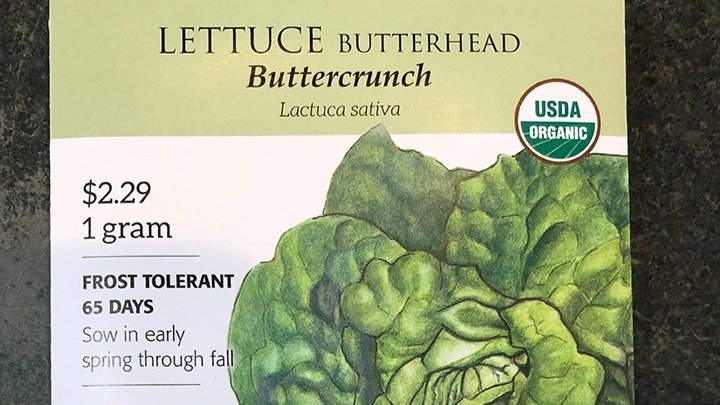
  • Buttercrunch: “Dark green outer leaves with broad mid-ribs and a creamy white center heart. Slow to bolt. Excellent flavor.”

  • Blue Scotch Kale: “Dense frilly finely curled blue-green leaves on compact upright 12–16" plants stand well, maintain color and resist yellowing in cold and heat. Hardy and productive. Best as a fall crop, planted in July or early August. More variable than the hybrids. Cold-hardy.”

  • Bok Choy Prize Choy: “Open-pollinated. Classy pac choi with celery-like white stems and vase-shaped 15-18" tall heads. Succulent stems and tender greens.”

    [*Descriptions cited from Fedco Seed Catalog]

    ______________________

***************************

SMALL FRUITS

AVAILABLE

BLUEBERRIES (Patriot, Bluecrop, Chippewa, Chandler, Reka & Darrow) / RASPBERRIES (Killarney & Caroline) / BLACKBERRIES (Natchez) / ELDERBERRY (Samdal & Samyl)

RASPBERRIES 50%off

killarney & caroline raspberries

Killarney Raspberry display

Caroline Raspberry display

Blueberry display

Highbush Blueberry

Alpine Strawberries

Blackberries

***************************

WARM WEATHER

CROPS

TOMATOES, EGGPLANT & PEPPERS

Eggplant

Eggplant

Sungold Tomatoes

***************************

fedco

information on vegetables

summer crops

for fall harvests

In JULY, VEGETABLE GARDENS, FIELD NOTES
Comment

[PLANT PROFILE] FILIPENDULA

July 11, 2023 Karen Logan

Filipendula ‘Queen of the Praire’ and Filipendula ‘Dwarf Meadowsweet’

FILIPENDULA

******************************************

Filipendula is a native perennial to the northeast. It is a great foliage plant that is valued for both its leaves and its flowers. Most filipendulas grow in average, medium to wet, well-drained soil in full sun to part shade.

Filipendula ‘Kahome’ (front) & Filipendula ‘Queen of the Prarie’ (back)

******************************************

Filipendula Varieties

__________________________

Filipendula rubra Venusta Magnifica ‘Queen of the Prarie’

Astilbe-like, wide panicles of tiny, fragrant, pale pink flowers that bloom in early to mid summer.

USES:

Borders (rear), cottage gardens, native plant gardens, wild/naturalized areas, wet meadows or moist areas along streams or ponds.

  • This is a large plant for large gardens.

  • Can be spectacular, particularly when massed.

  • Great for naturalizing in moist meadows.

    **A highlight of midsummer!**

Filipendula rubra

Filipendula rubra

Venusta Magnifica

‘Queen of the Prarie’

____________

* Grows up to 8’ tall

(usually shorter)

* Pale Pink blooms June-

Aug

* Full sun to part shade

* Medium to wet soil

* Native to moist soils but will

do well in average or dry

soils.

Filipendula rubra

__________________________

Filipendula ‘Kahome’ (Dwarf Meadowsweet)

An upright, clump-forming perennial that typically grows only 8-12” tall and features branched, terminal, Astilbe-like panicles of tiny, fragrant, rosy pink flowers in summer.

USES:

Border fronts, cottage gardens, wild/naturalized areas, wet meadows or moist areas along streams or ponds. Dwarf size facilitates massing this plant as a ground cover.

filipendula ‘Kahome’

Meadowsweet

____________

* 8-12” tall

* Blooms June to July

* Full sun to part shade

* Medium to wet soil

******************************************

Benefits

Attracts butterflies, pollinators and is deer resistant !

******************************************

JULY

GARDEN TIPS

PERENNIALS

FOR SHADE

In JULY, GROUNDCOVERS, NATIVE PLANTS, PERENNIALS, PLANT PROFILES Tags groundcovers, shade perennials, native perennials, filipendula, meadowsweet, wet soil perennials
Comment

[PLANT PROFILE] HOSTAS

July 5, 2023 Karen Logan

Hosta [illustration by karen blackerby logan]

30% OFF HOSTAS

******************************************

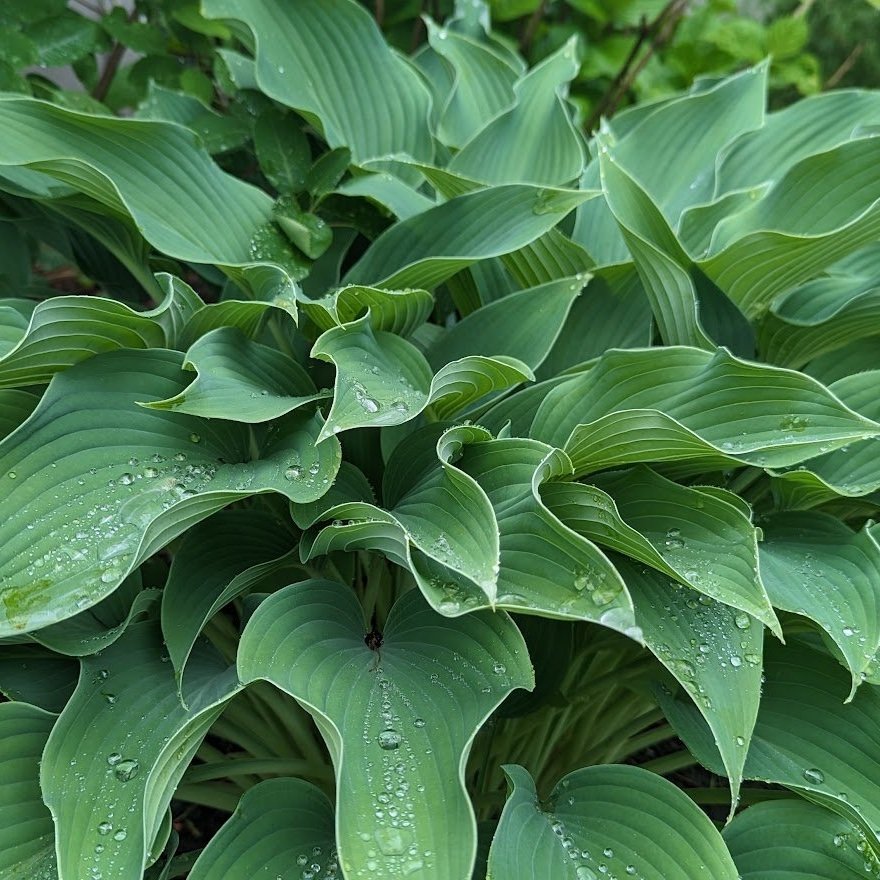
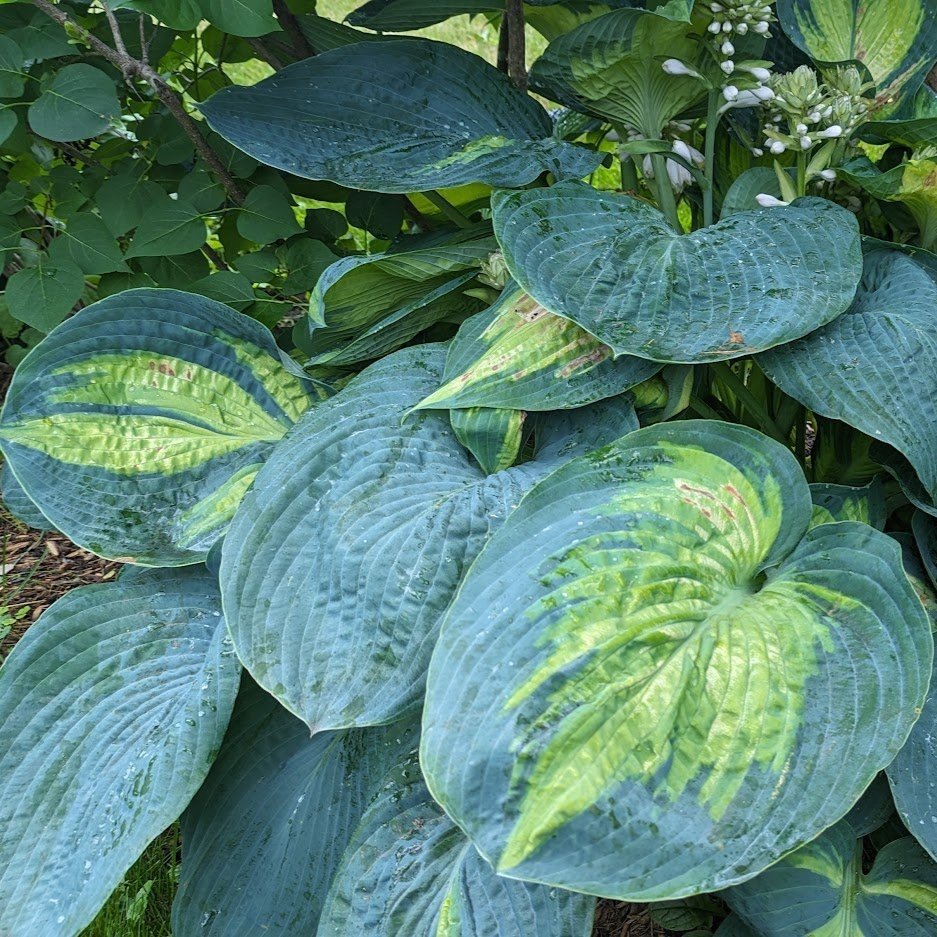
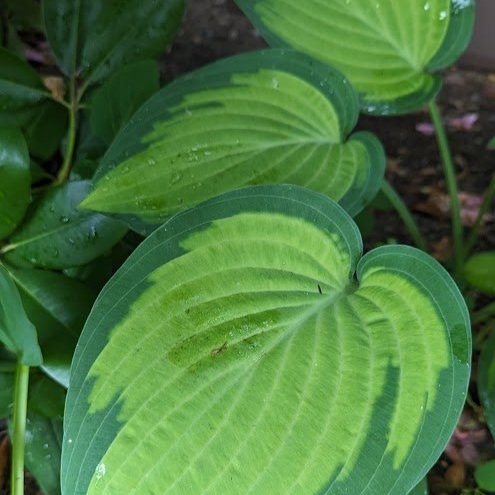
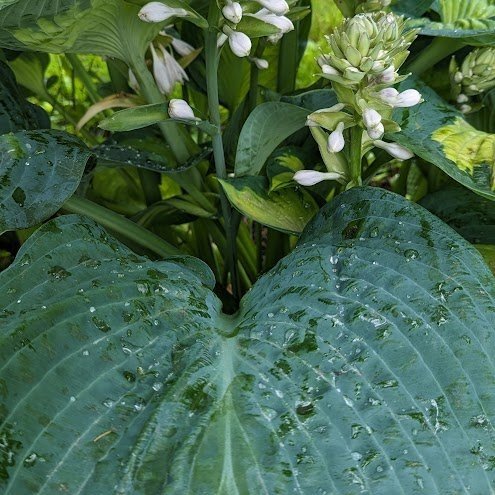
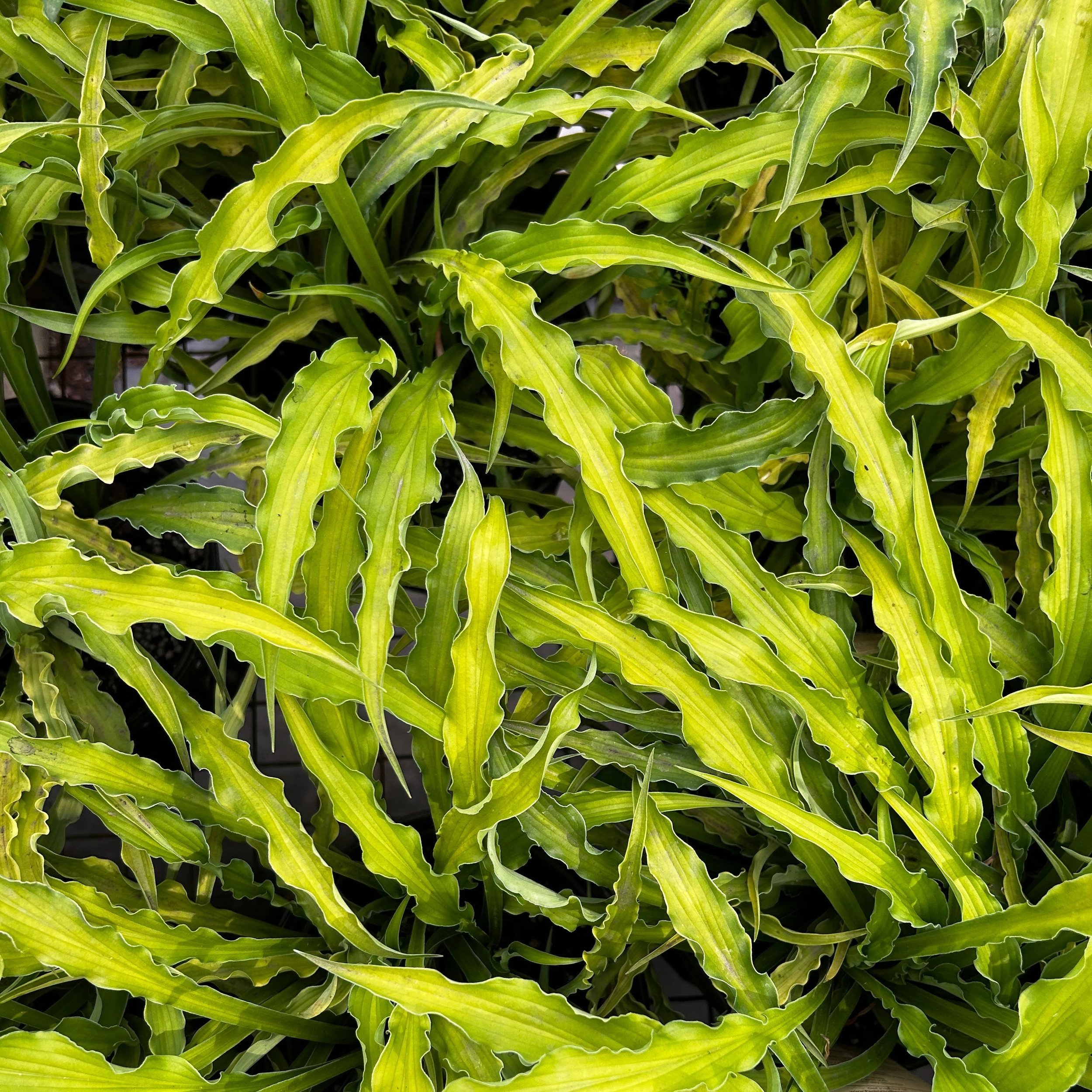
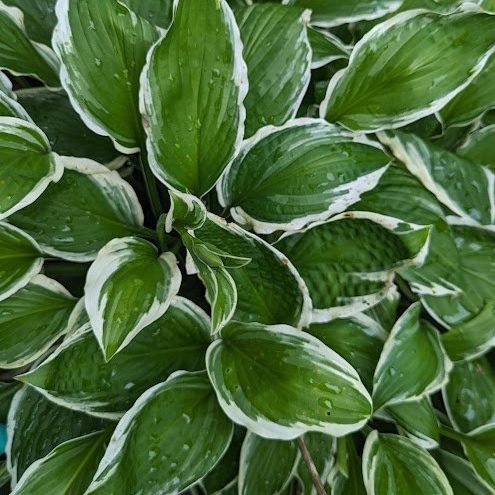
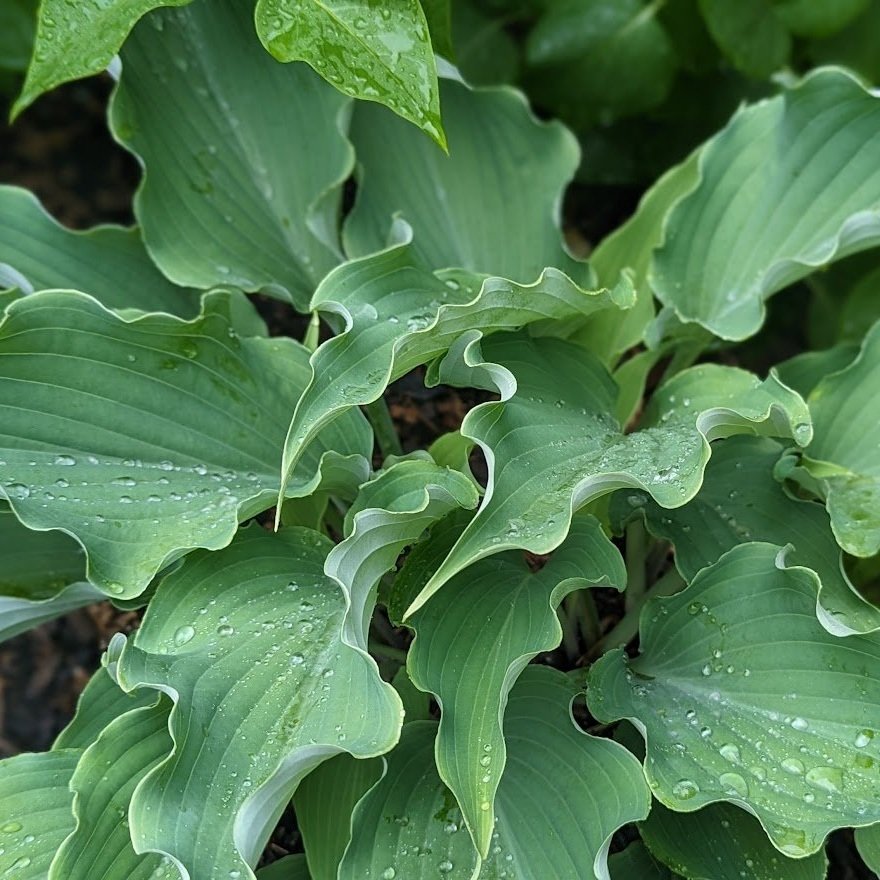
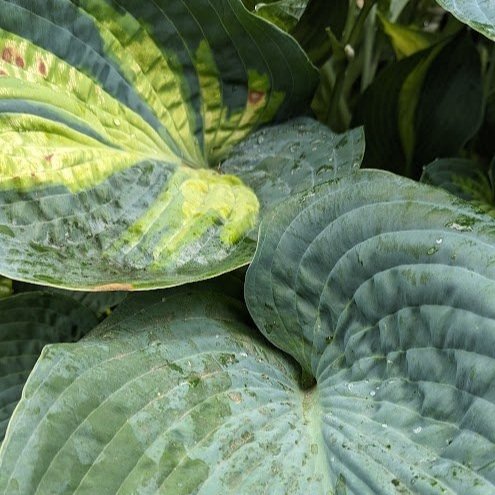
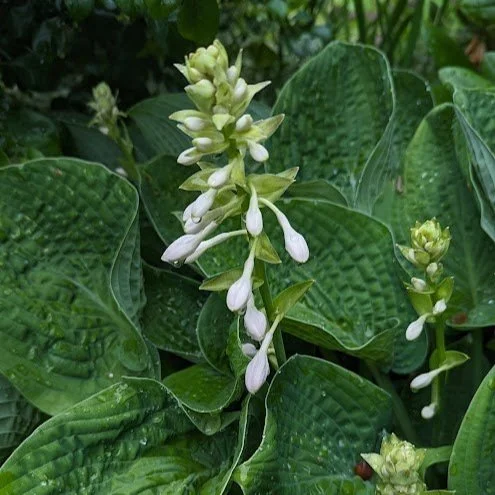
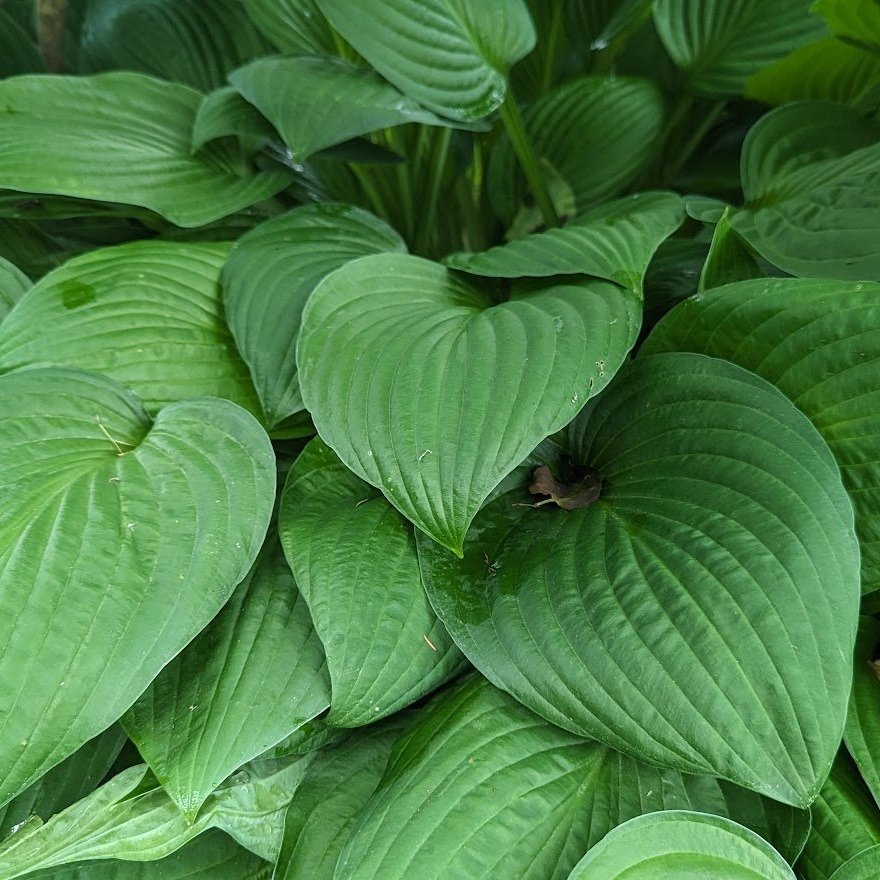
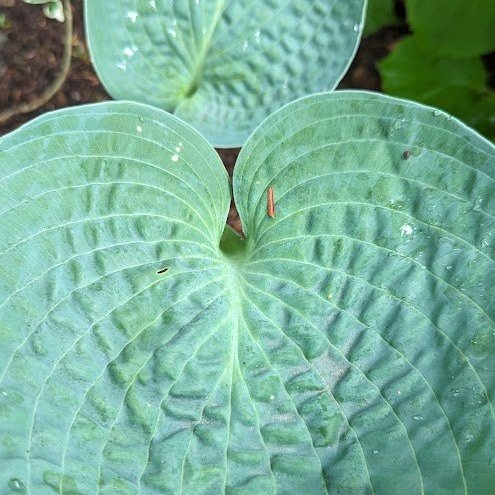
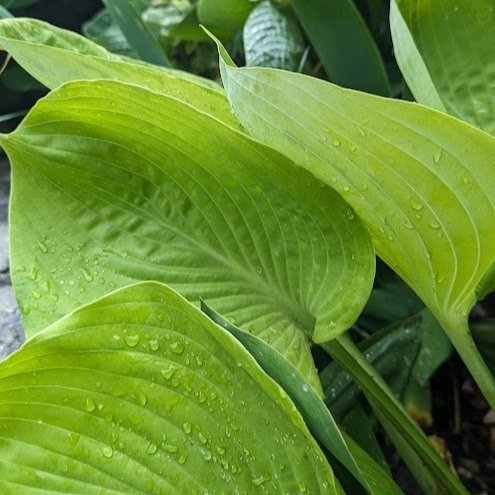
Hostas are a shade loving perennial with lavender or white blooms, which are popular among hummingbirds.  Hostas are late to emerge in spring and partner up well with early blooming spring bulbs that will be passing by the time the Hosta emerges. Crocus, Muscari, Eranthis or Chionodoxa foliage will easily get covered by the Hosta foliage, hiding the foliage of those early spring bulbs as they die back. There are a variety of Hostas available, differing in their leaf color, shape, size, and texture. They are easy to maintain and are shade tolerate.

Hosta leaves are very beautiful from early summer through fall!

CARE

____________

* In spring when growth

emerges apply fertilizer

* Keep plant moist

* Place mulch around

plant to retain moisture

* Remove flower stalks

after bloom to

encourage new growth

* In the fall, when frost

turns the leaves brown,

cut back to the ground

and apply a little fresh

mulch or leaf mold over

the plant, like a blanket.

DIVIDING HOSTA

____________

* Divide late in the

season because the

leaves will get damaged

during the division

process.

* Do not plant too deep

after dividing. Same

level that it was before.

* Add the ‘blanket’


leaf mold or mulch


******************************************

Texture, Shape

& Size

Hostas add a lot of dimension to your shade garden through their various shades of green, leaf sizes, textures and shapes.

PXL_20230613_170724929.jpg
PXL_20230628_193455273.jpg
PXL_20230628_194429011.jpg
PXL_20230628_194639163.jpg
hosta+french+fries.jpg
PXL_20230628_203907516.jpg
PXL_20230613_170742212.PORTRAIT.jpg
PXL_20230628_194623137.jpg
PXL_20230628_194444457.jpg
PXL_20230628_194702361.jpg
PXL_20230628_194347633.jpg
PXL_20230628_194529062.jpg

******************************************

**Deer do like to browse on Hosta foliage**
Spray with Bobbex deer repellent

******************************************

JULY

GARDEN TIPS

PERENNIALS

FOR SHADE

In JULY, GROUNDCOVERS, PLANT PROFILES Tags hostas, groundcovers, shade perennials
Comment

DECIDUOUS TREES AND SHRUBS FOR SHADE

June 29, 2023 Karen Logan

Fothergilla illustration by Karen Blackerby Logan

DECIDUOUS TREES AND SHRUBS FOR SHADE

************************

Sorbaria sorbifolia (Tree Astilbe )

Clethra alnifolia

FOTHERGILLA
(Native) (Deer Resistant)

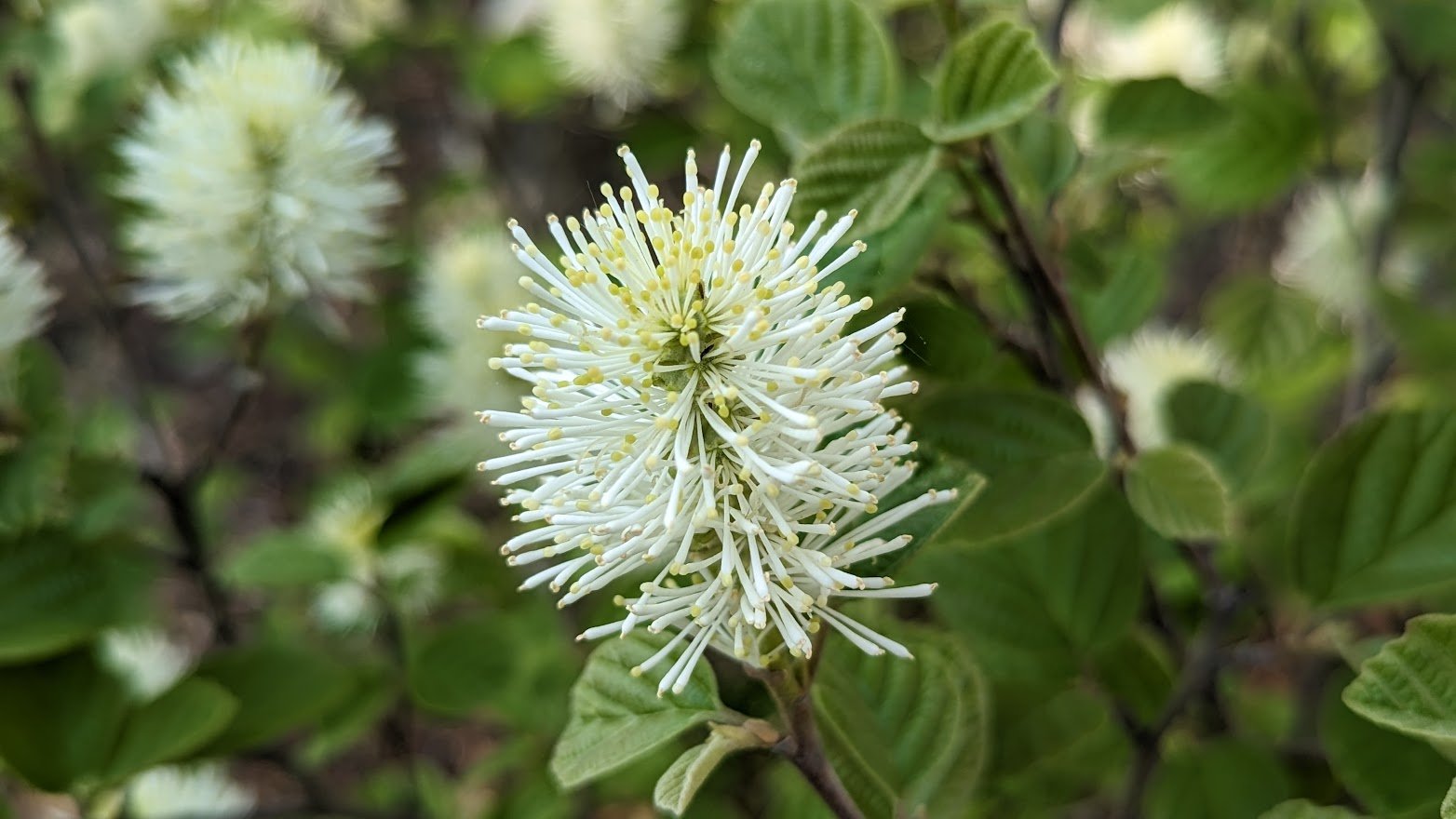
  • Fothergilla Mt. Airy

  • Fothergilla gardenii (Dwarfed)

SPIREA
(Seldom severely damaged by deer)

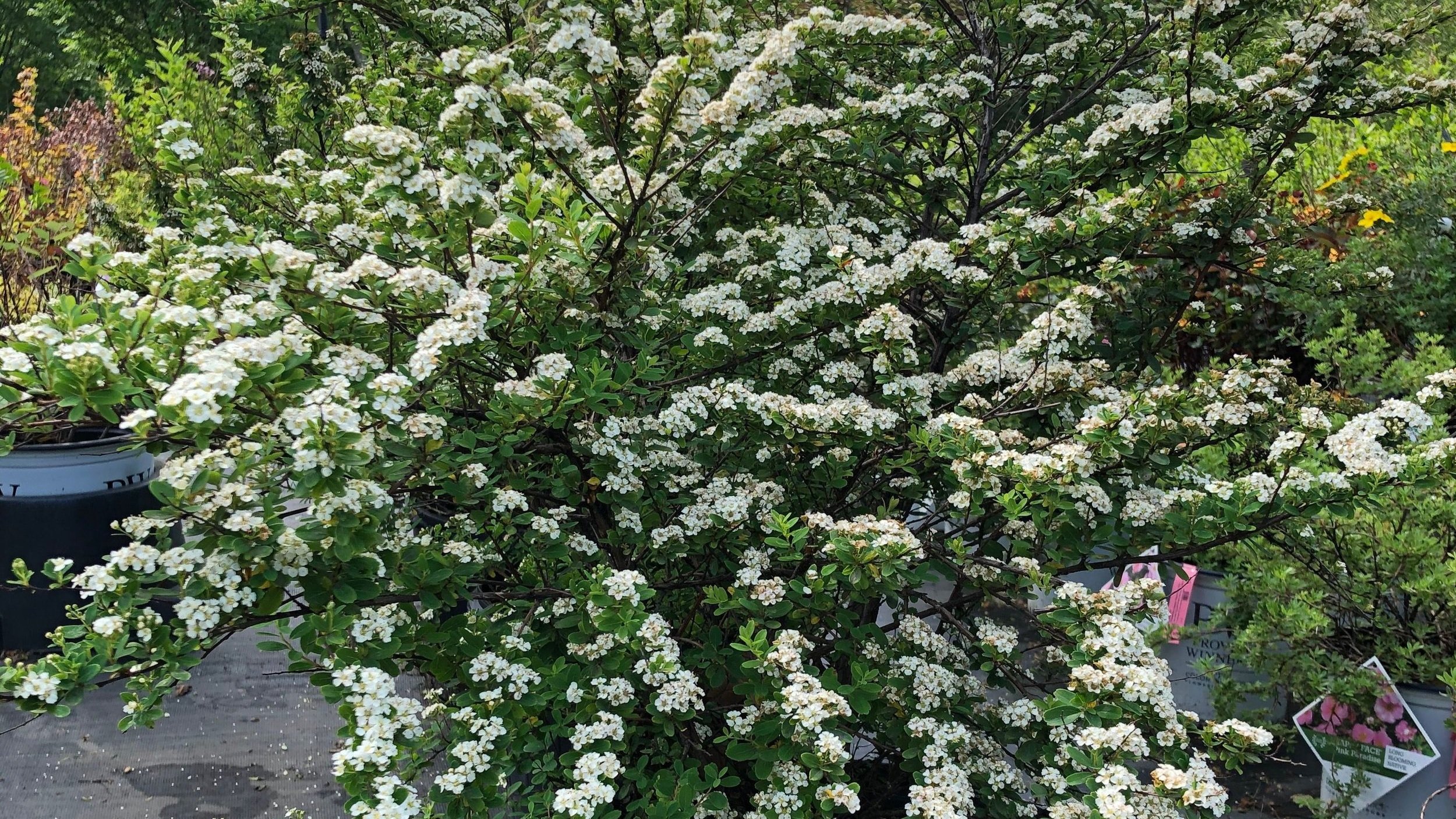
  • Spirea Anthony Waterer

  • Spirea Snow Mound

VIBURNUM

  • Viburnum dentatum (Native) (Rarely damaged by deer)

    • Viburnum dentatum Blue Muffin (Rarely damaged by deer)

    • Viburnum dentatum Sparkler (Rarely damaged by deer)

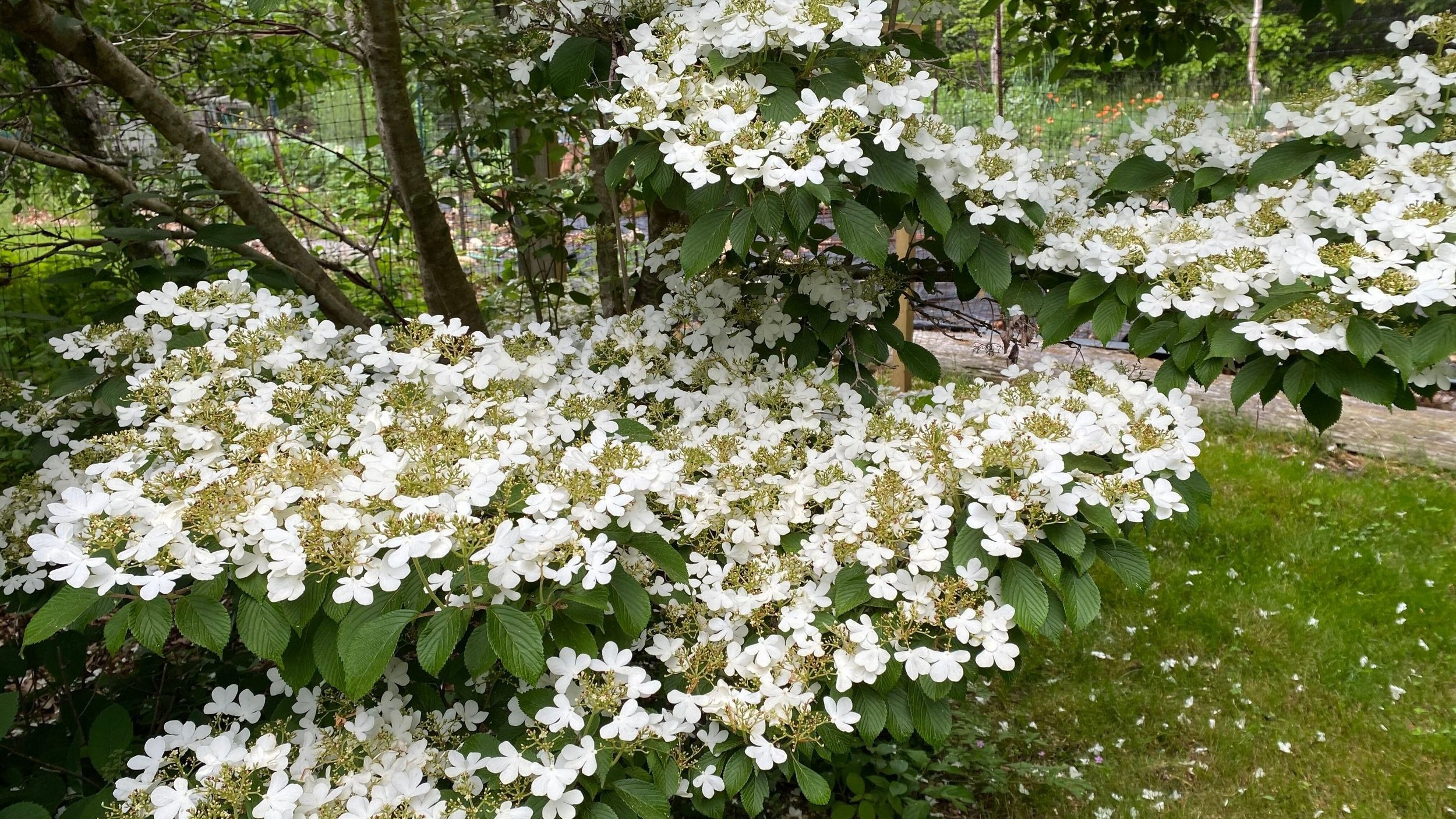
  • Viburnum plicatums (a non native species)

    • Viburnum plicatum Mariesii

    • Viburnum plicatum Popcorn

  • Viburnum carlesii Spice Baby 

DECIDUOUS TREES & SHRUBS

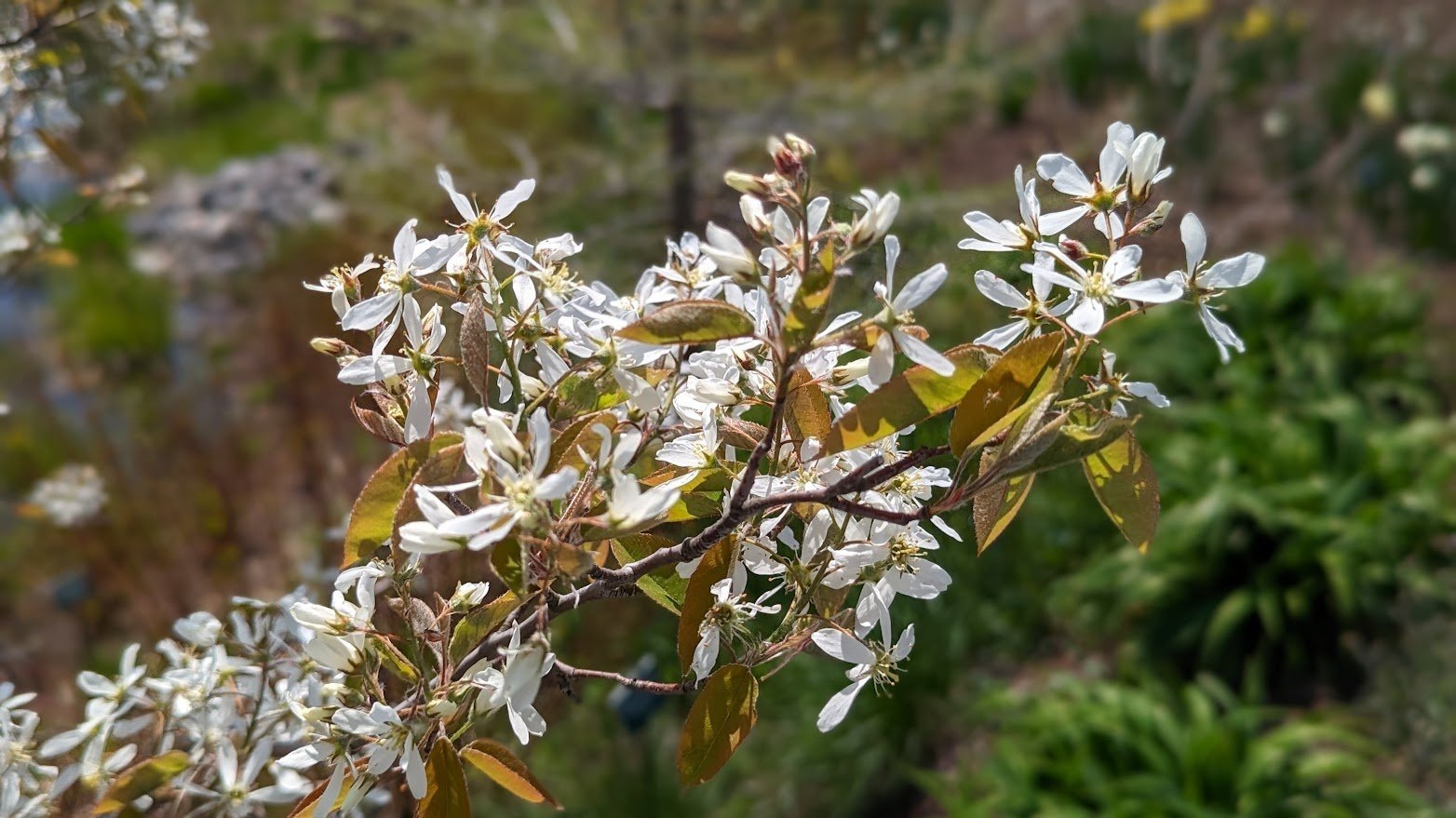
  • Amelanchier canadensis, Serviceberry (Native) (Seldom severely damaged by deer)

  • Aesculus parviflora (Bottlebrush Buckeye) (Native) (Rarely damaged by deer)

  • Deciduous Azaleas (Native) Deer love evergreen Azaleas but are less likely to eat deciduous ones.

  • Heptacodium micinoides (Seven-Son Flower) (Rarely damaged by deer) Fragrant flowers late in the season followed by beautiful fall display.

  • Rhus aromatica 'Gro Low' (Rarely damaged by deer)

  • Sorbaria sorbifolia (Tree Astilbe ) (Rarely damaged by deer) Spreads vigorously. Try 'SEM' for a more compact and controlled cultivar.

CLETHRA alnifolia
(All Native) (Rarely damaged by deer)

  • Clethra Vanilla Spice

  • Clethra Hummingbird 

  • Clethra Ruby Spice 

HYDRANGEA

  • Hydrangea arborescens (Native)

  • Hydrangea Macrophylla (Big Leaf) (Occasionally severely damaged by deer)

  • Hydrangea petiolaris (Climbing) (Occasionally severely damaged by deer)

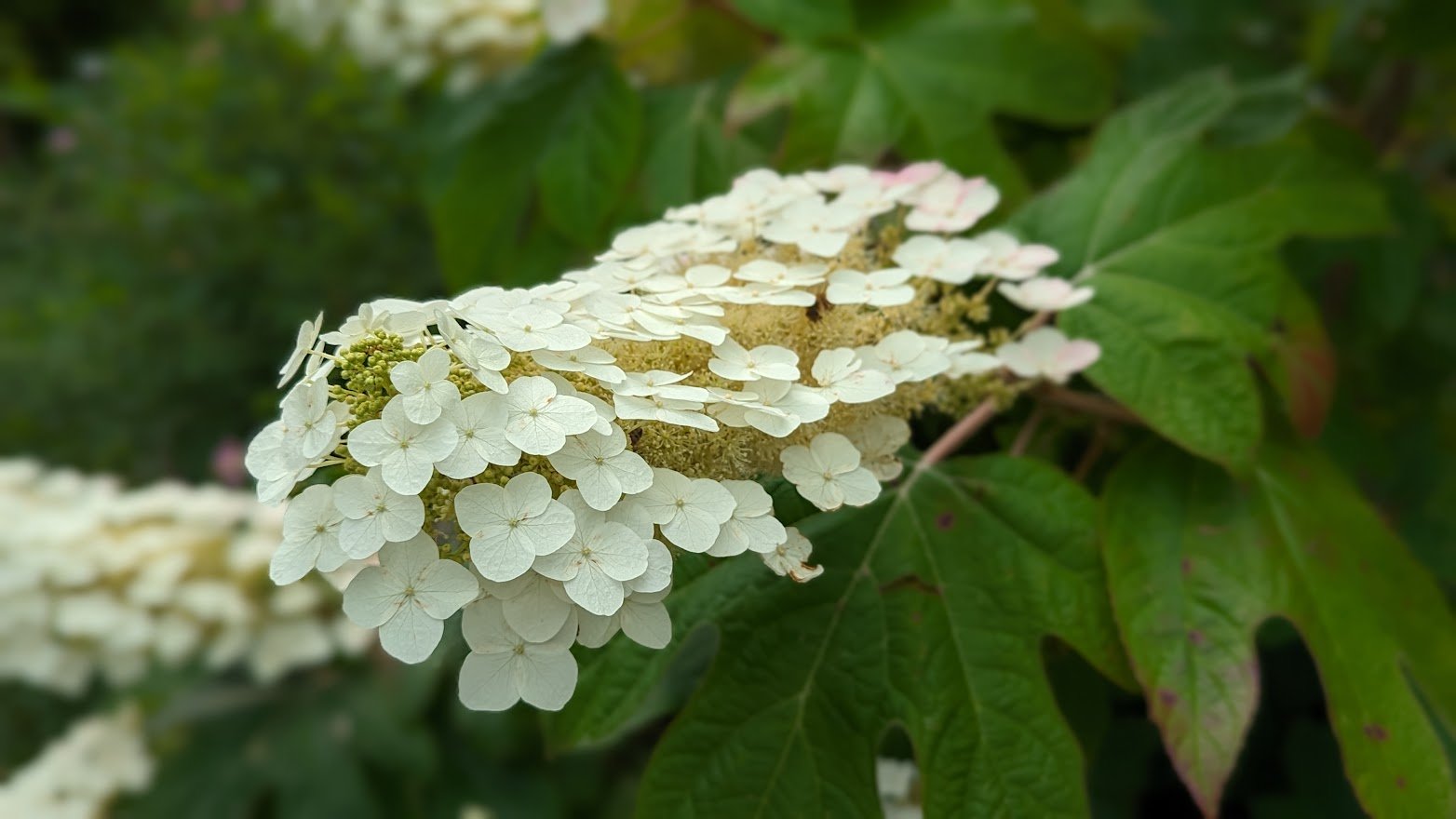
  • Hydrangea quercifolia (Oakleaf) (Occasionally severely damaged by deer)

Amelanchier canadensis, Serviceberry
Oakleaf Hydrangea
Oakleaf Hydrangea
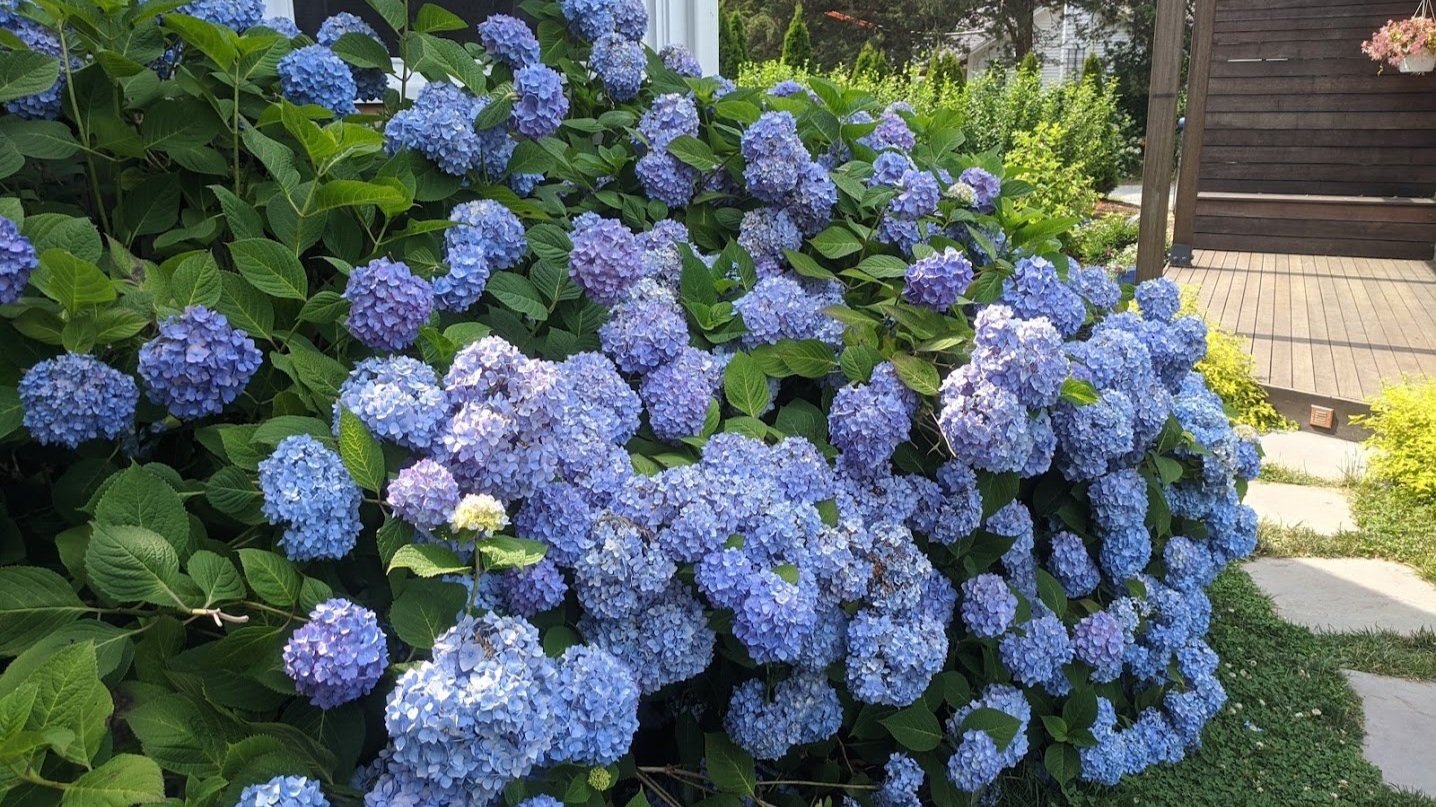
Hydrangea macrophylla
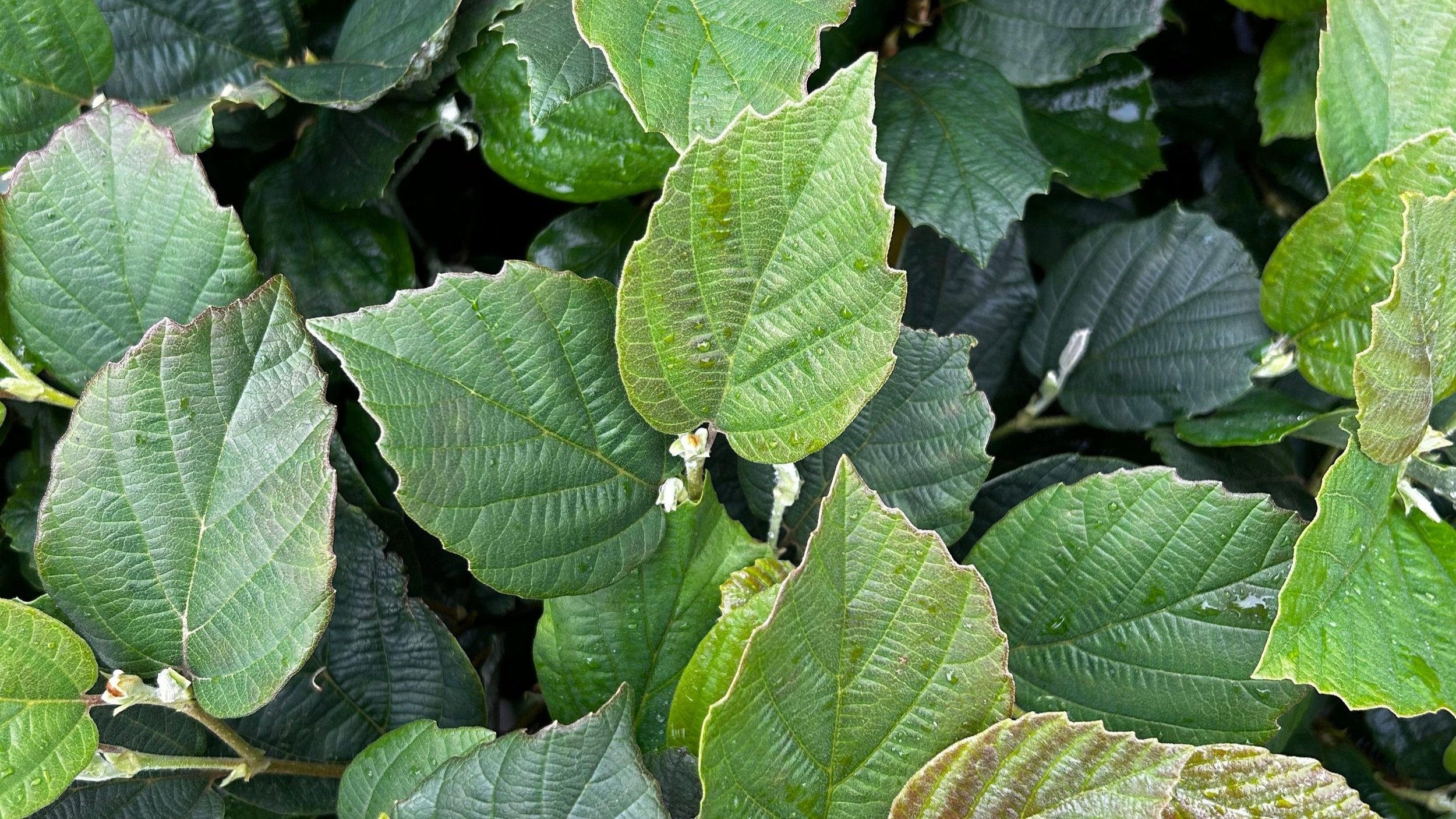
Fothergilla Major Mt Airy
Fothergilla
Fothergilla
Spirea Snowmound
Spirea Snowmound
Viburnum plicatum
Viburnum plicatum
Amelanchier canadensis, Serviceberry Oakleaf Hydrangea Hydrangea macrophylla Fothergilla Major Mt Airy Fothergilla Spirea Snowmound Viburnum plicatum

[plant profile]

Hydrangea macrophylla

trees for wildlife

national wildlife federation

In JUNE, GARDEN TIPS, NATIVE PLANTS, DEER RESISTANT, FIELD NOTES Tags trees for shade, shrubs for shade, fothergilla, deer resistant, native trees, native shrubs, deciduous trees, deciduous shrubs
Comment

[PLANT PROFILE] HYDRANGEA MACROPHYLLA

June 27, 2023 Karen Logan

Hydrangea [illustration by karen blackerby logan]

Hydrangea

macrophylla

Big Leaf Hydrangea

******************************************

HYDRANGEA MACROPHYLLA (Big Leaf Hydrangea)

The genus name Hydrangea comes from hydor meaning "water" and aggeion meaning "vessel", in reference to the cup-like capsular fruit.

  • A deciduous shrub with a rounded habit that typically grows 3-6’ tall and as wide unless damaged by harsh winters or pruned smaller.

  • Generally features serrate, obovate to elliptic, dark green leaves (4-8” long) and large clusters of long-blooming summer flowers in either lacecap form (flattened flower clusters of small fertile florets with scattered showy sterile florets often forming a marginal ring) or mophead form (globose flower clusters of mostly showy sterile florets).

'Penny Mac' was first introduced into commerce by Penny McHenry of Atlanta, Georgia

(founder of The American Hydrangea Society)

Hydrangea Seaside Serenade Cape Lookout

GROWING HYDRANGEA MACROPHYLLA

******************************************

  • Best grown in rich, medium moisture, well-drained soils in part shade. Tolerates full sun only if grown in consistently moist soils.

  • Soil pH affects the flower color of most cultivars except white (blue in highly acidic soils and lilac to pink in slightly acidic to alkaline soils). Add aluminum sulfate to the soil to make the flowers bluer or add lime to the soil to make the flowers pinker. Begin soil treatments well in advance of flowering, as in late autumn or early spring.

  • Plants generally need little pruning. If needed, prune immediately after flowering by cutting back flowering stems to a pair of healthy buds. Prune out weak or winter-damaged stems in late winter/early spring.

  • Best to mulch plants year-round with 3" of shredded bark, peat or compost.

  • Winter hardy to USDA Zone 6. For added protection, however, plants grown in USDA Zone 5 should be sited in sheltered locations and given additional winter protection, as needed, for the purposes of minimizing the risk of loss of significant numbers of flower buds or possible die-back to the ground in an extremely harsh winter. A burlap wrap of stems or circle of chicken wire filled with leaves or straw to 8-12" are time-consuming and visually unattractive landscape options, but can be effective. Regardless of protective measures taken, most bigleaf hydrangeas simply will not bloom (or will bloom poorly) in some years because of a variety of winter occurrences beyond the control of the gardener (e.g. low temperatures, sudden wide temperature fluctuations, icy conditions, late frosts). Some newer cultivars have been selected that flower on both old and new wood. Their pruning and flowering can differ from that of the species.

    'Penny Mac' blooms on both old and new growth and is winter hardy to USDA Zone 5. This means ‘Penny Mac’ will reliably flower each year, regardless of winter temperature or added protection.

USES

____________

* Group or mass in the

shrub boarder.

* A specimen or accent

for foundations and

other locations

near homes or patios.

* Hedges

* Containers

Late season spent flowers of Hydrangea macrophylla

****************************************

FERTILIZE HYDRANGEAS IN EARLY SUMMER

All hydrangeas tend to grow better when they are fertilized, even the native ones.

If you missed feeding your plants early in the season when you did your spring clean up, you can make up for that now (before August 1). The plants that respond best to fertilizer this time of year are the rebloomers: big leaf (macrophylla), mountain (serrata) and woodland/smooth (arborescens) varieties. You want to help them produce those reblooming flowers to carry your garden through to the end of the season

****************************************

Fertilizing Hydrangeas

Early Summer

Pollinator Garden Styles

Inspirations

Hydrangea [illustration by karen blackerby logan]

In GARDEN TIPS, SHRUBS, JUNE, PLANT PROFILES Tags hydrangeas, fertilizing hydrangeas, hydrangea macrophylla, big leaf hydrangea, Penny Mac Hydrangea
Comment
← Newer Posts Older Posts →

484 State Rd. West Tisbury, MA 02575

mon - fri 8am - 4pm // sat 8am - 1pm

Closed Sundays

(508) 693.8512