• Home
  • ABOUT
    • PROJECTS
    • Landscape Teams
    • LANDSCAPE DESIGN
    • LANDSCAPE CONSTRUCTION
    • LANDSCAPE MAINTENANCE
    • Nursery
    • SALES & DISCOUNTS
    • BULK MATERIAL
    • PLANT PROFILES
  • Application
  • EVENTS
  • FIELD NOTES
  • TESTIMONIALS
  • Contact
Menu

Vineyard Gardens

484 State Road
West Tisbury, MA, 02575
508.693.8512
Landscaping & Garden Center

Your Custom Text Here

Vineyard Gardens

  • Home
  • ABOUT
  • LANDSCAPING
    • PROJECTS
    • Landscape Teams
    • LANDSCAPE DESIGN
    • LANDSCAPE CONSTRUCTION
    • LANDSCAPE MAINTENANCE
  • NURSERY
    • Nursery
    • SALES & DISCOUNTS
    • BULK MATERIAL
    • PLANT PROFILES
  • Application
  • EVENTS
  • FIELD NOTES
  • TESTIMONIALS
  • Contact

SUMMER BLOOMING TREES & SHRUBS

June 14, 2024 Karen Logan

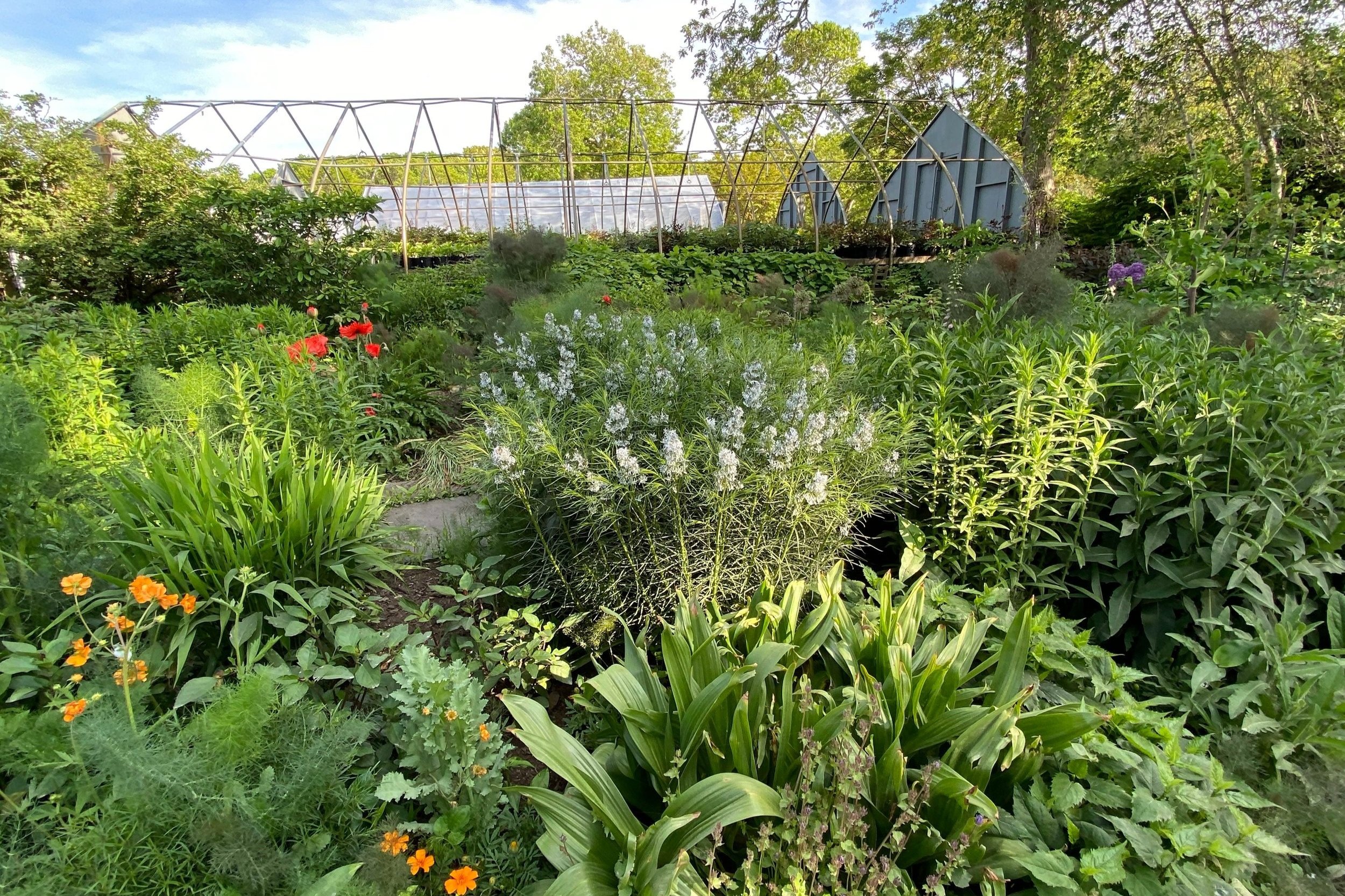
September Border filled with blooming shrubs and perennials: Vitex (purple), Crape Myrtles (white and pink), Rudbeckia & Hibiscus.

************************************

JOIN US THIS SATURDAY MORNING

_______________

GARDEN WORKSHOP

FUNDAMENTALS FOR GARDEN DESIGN

SATURDAY JUNE 15TH // 11:00AM // VINEYARD GARDENS

Please join us in a hands on garden design workshop discussing how to plan a garden. Bring pictures to get questions answered. We look forward to seeing you there! 

************************************

SUMMER BLOOMING

TREES & SHRUBS

Shrubs and trees offer numerous benefits to your landscape

Shrubs and trees are the living structures that make a garden more dynamic. They add depth, weight, height and multiple season interest to a space. Not only do they enrich the landscape with colorful vegetation, flowers, fruit and winter interest, they provide food and shelter for a variety of species. Creating habitat and maximum biodiversity is essential to providing for pollinators. Adding native shrubs and trees transforms environments into climate resilient landscapes through erosion control, drought tolerance and flooding.

Hypericum & Hydrangea paniculata

************************************

Clethra alnifolia

SWEET PEPPERBUSH (Native)

Clethra is a wonderful addition to any garden, a versatile shrub that can thrive in most conditions. Typically found in open woodlands or swamps along the Atlantic coast this workhorse can flower from full sun to shade. Clethra prefers moist soil but can even adjust to dry, compact soil. It is a sweet scented native shrub that is a pollinator magnet. The white spire blooms lure butterflies, bees and hummingbirds. In addition, to being a hardy shrub, Clethera has year round interest. The deep green summer leaves turn yellow in autumn and in winter clusters of attractive seed pods remain.

  • USES: Seaside plantings, mass plantings, hedges or rain gardens

Clethra alnifolia

Clethra (in foreground and flanking the stairs)

************************************

Vitex castus-agnus

CHASTE TREE

Vitex is a beautiful summer blooming shrub. A deciduous, multi-trunk shrub with fragrant lilac blooms backed by unique aromatic gray-green foliage. Bees and many other pollinators are attracted to its flowers and foliage. In addition, Vitex are deer resistant, moderately salt tolerant and have good drought tolerance once established. Full sun.

USES: Shrub border or train for use as a small tree to accent the landscape or patio.

Vitex castus-agnus with a Rose of Sharon

Vitex castus-agnus

************************************

Lagerstroemia

CRAPE MYRTLE

Crape Myrtle is a deciduous tree that performs best in full sun. Loved for their showy, long lasting summer flowers and their naturally sculpted trunks with attractive exfoliating bark. Crape Myrtle comes in a range of sizes from dwarf 2-3’ tall shrubs to standard tree size of about 20-30’ tall. The larger ones are often pollarded, a type of hard pruning that keeps the plant smaller and blooms more profuse.


USE: Focal tree, a hedge or as part of a border

***************************

Hypericum

ST JOHNS WORT

Midsummer this outstanding pollinator shrub is adorned with vibrant yellow blooms with abundant pollen bearing stamens, backed by gray blue fine textured foliage. During the winter the attractive three chamber seed pods remain, offering food for birds and late season visual interest. St John’s Wort prefers moist well drained soil but are highly adaptable and can withstand drought and soil compaction. They grow naturally on rocky ledges, in sandy areas and woodland openings. Prune hard in spring . They bloom on the new growth.

We carry 3 or 4 cultivars. Hypericum hidcote is very popular with it’s blue foliage and longevity.

USE: Mass plantings borders or hedges

***************************

Hydrangea

paniculata

Panicle Hydrangeas are the no fuss hydrangea with long lasting blooms. They are the autumn stars when most other shrubs are no longer blooming. Hydrangea panicle goes through a color transformation starting with early summer white that fades to shades of pink or red before drying to beige in the winter. Their nectar-rich flowers attract butterflies and bees late into the season, providing them with a vital food source. They adapt to full sun or part sun. Some popular panicle hydrangeas we carry are Limelight, Limelight Prime, Little Lime and Bobo. Check out our latest blog with all the varieties of hydrangea we carry.

USES: Natural fence or border, focal point, erosion control or containers.

***************************

garden tips

JUNE

hydrangeas

learn more

In DEER RESISTANT, JUNE, FLOWERING SHRUBS, SHRUBS, FIELD NOTES Tags summer blooming shrubs, summer blooming trees, clethera, vitex, crepe myrtle, st johns wort, hydrangea paniculata
Comment

HYDRANGEA

June 12, 2024 Karen Logan

Nikko Blue Hydrangea [illustration by karen blackerby logan]

HYDRANGEAS

If you have a garden then most likely there is a good spot for a hydrangea. There are so many different varieties, sizes and light requirements that there is something for everyone. Panicle hydrangeas are your late bloomers that can withstand full sun; mopheads are shade loving hydrangeas; there are dwarf options for smaller gardens; large ones for back of garden; and most of them do well in containers. Oak leaf hydrangeas are bee magnets and there is even a northeast native that provides a valuable food source for the hydrangea sphinx moth. Hydrangeas mix well in both the cultivated and natural garden with their broad leaves complimenting the finer foliage textures of other plants and shrubs.

******************************************

HYDRANGEA

MACROPHYLLA

Big Leaf, Mophead or Lacecap

The genus name Hydrangea comes from hydor meaning "water" and aggeion meaning "vessel", in reference to the cup-like flower.

  • A deciduous shrub with a rounded habit that typically grows 3-6’ tall and as wide unless damaged by harsh winters or pruned smaller.

  • Mophead Hydrangeas produce ball shaped flower clusters

  • Lacecap Hydrangeas produce small flowers surrounded by a ring of larger flowers

Lacecap Hydrangea

Endless Summer, a newer macrophylla(mophead) that blooms on new growth instead of last years stems, so flower buds don’t get frosted in a severe winter or late spring frost.

GROWING HYDRANGEA MACROPHYLLA

******************************************

  • Best grown in rich, medium moisture, well-drained soils in part shade. Tolerates full sun only if grown in consistently moist soils.

  • Soil pH affects the flower color of most cultivars except white (blue in highly acidic soils and lilac to pink in slightly acidic to alkaline soils). Add aluminum sulfate to the soil to make the flowers bluer or add lime to the soil to make the flowers pinker. Begin soil treatments well in advance of flowering, as in late autumn or early spring.

  • Plants generally need little pruning. If needed, prune immediately after flowering by cutting back flowering stems to a pair of healthy buds. Prune out weak or winter-damaged stems in late winter/early spring.

  • Best to mulch plants year-round with 3" of shredded bark, peat or compost.

  • Winter hardy but planted in sheltered locations gives additional winter protection. Regardless of protective measures taken, most bigleaf hydrangeas simply will not bloom (or will bloom poorly) in some years due to a variety of winter conditions. Some newer cultivars have been selected that flower on both old and new wood.

    'Hydranges Bloomstruck' blooms on both old and new growth, has strong stems and is resistant to powdery mildew.

Nikko Blue

hydrangea macrophylla

*********

Nikko Blue

Endless Summer

Bloomstruck

Blue Enchantress

Penny Mac

Glowing Embers

Lanarth White

Blushing Bride

Hydrangea Seaside Serenade Cape Lookout

USES

____________

* Group or mass in the

shrub border.

* A specimen or accent

for foundations and

other locations

near homes or patios.

* Hedges

* Containers

Late season spent flowers of Hydrangea macrophylla

****************************************

HYDRANGEA

PANICULATA

Panicle Hydrangeas

Panicle Hydrangeas are the no fuss hydrangea with long lasting blooms. They range in size from large to compact depending on variety, allowing for many planting options in the landscape. A late blooming shrub, they become the autumn stars when most other shrubs are no longer blooming. Triggered by air temperature fluctuations, hydrangea panicle go through a color transformation starting with an early summer white that fades to shades of pink or red before drying to beige in the winter. Their nectar-rich flowers attract butterflies and bees late into the season, providing them with a vital food source.

Panicle Hydrangea Little Lime

HYDRANGEA PANICULATA ATTRIBUTES

******************************************

  • Panicle Hydrangeas thrive in full sun or morning sun, a place in the garden that mophead hydrangeas don’t flourish.

  • Bloom on new growth each summer so there is no risk of flower buds being harmed by the cold winter or late frost.

  • As the rest of the garden winds down, the fall panicle hydrangeas take center stage.

  • Flowers can even be left to dry on the plant in the fall and can stay looking good into the winter.

Quick Fire Hydrangea

hydrangea paniculata

**********

Limelight

Limelight Prime

Little Lime

Quick Fire

Little Quick Fire

Bobo (dwarf variety)

Bobo

USES

____________

* Variety of sizes means

there’s a perfect fit for

most situations

* Smaller specimens ideal for

foundation, mass or

container planting

* Larger specimens ideal for

hedges and back of the

garden

****************************************

HYDRANGEA

QUERCIFOLIA

Oakleaf Hydrangea

Oak leaf hydrangeas have beautiful large leaves similarly shaped to an oak leaf. The flower panicles are large, white and attract many bees. In autumn the leaves turn to a reddish hue. foliage transitions from green to maroon, falling off in winter to reveal beautiful exfoliating bark. Beyond its impressive foliage, the flowers also put on an exquisite show, changing from white to a stunning pink or red as the plant matures. Oak leaf hydrangeas prefer partial shade.

Oak Leaf hydrangea on the highline in NYC vibrating with bees.

****************************************

HYDRANGEA

ANOMALA PETIOLARIS

Climbing Hydrangea

“First it sleeps, then it creeps and then it leaps.” This old adage seems to speak directly to the climbing hydrangea. This vine is slow to start but once it gets establish after a couple years it leaps! A vigorous vine with lush green foliage blanketed by beautiful lace cap white blooms. This hydrangea has year round interest, with their long lasting summer blooms that dry beautifully on the vine in autumn and when the leaves have fallen gorgeous exfoliating bark is revealed. Climbing hydrangea can thrive in full sun to shade. It can be planted on sturdy structures, like stone or brick walls, chimneys, and houses

****************************************

HYDRANGEA

ARBORESCENS

Smooth Hydrangea

Hydrangea arborescens, our native hydrangea, is found along rocky wooded slopes, ravines, streambanks, and bluff bases in the eastern United States. Smooth hydrangea is the host plant of the hydrangea sphinx moth and attacts butterflies, moths, pollinators and songbirds. The blooms are on new wood and can be pruned back close to the ground in late winter. Several cultivars have flowers that make a ball-shaped bloom. It is low growing and stacks well beneath taller trees and shrubs.

Hydrangea arborescens cultivars we carry:

Annabelle and the newer Invincible Spirit

Hydrangea Annabelle

USES

———————

*Planted in mass

*Native specimen

*Pollinator garden

*Rain garden

*Shade garden

*Grows well on a slope,

naturalized area or

in a woodland

****************************************

FERTILIZE HYDRANGEAS IN EARLY SUMMER

All hydrangeas tend to grow better when they are fertilized, even the native ones.

If you missed feeding your plants early in the season when you did your spring clean up, you can make up for that now (before August 1). The plants that respond best to fertilizer this time of year are the rebloomers: big leaf (macrophylla), mountain (serrata) and woodland/smooth (arborescens) varieties. You may want to help them produce those reblooming flowers to carry your garden through to the end of the season

****************************************

gardening tips

JUNE

events

garden talks at the nursery

Hydrangea [illustration by karen blackerby logan]

In SHRUBS, JUNE, PLANT PROFILES Tags hydrangeas, hydrangea macrophylla, big leaf hydrangea, mophead hydrangea, hydrangea arborescens, hydrangea paniculata, Oakleaf Hydrangea
Comment

HERBS & CONTAINER GARDENS

June 7, 2024 Karen Logan

Chives illustration by karen blackerby logan

************************************

JOIN US THIS SATURDAY MORNING

_______________

GARDEN WORKSHOP

CONTAINER GARDENING

SATURDAY JUNE 8TH // 11:00AM // VINEYARD GARDENS

Please join us in a hands on workshop to learn how to make your own long blooming planted containers. We look forward to seeing you there! 

************************************

CONTAINER

PLANTING

Add annuals to your perennial beds, containers & hanging baskets

Annuals long bloom season offers a consistency in color and blooms that keep your containers looking fresh through the fall. Try adding annual vines to containers and hanging baskets like Mina lobata, Thunbergias, Cobaea scandens (Cup and Saucer Vine) & Mandevilla.

************************************

Tips for Planting Containers

Plant your flower pots now! They are a welcoming splash of color at your entrance, on your deck or patio. Pots can vary in size and can be combinations of sizes and heights arranged together to make a dynamic display. Sometimes just one kind of plant in several pots arranged together can be simple and elegant, such as one large hosta in a shade pot next to an impatiens pot. Or an acanthus plant in an urn. An advantage of utilizing planted containers allows you to be flexible with the arrangement.

  • In mixed containers the plants will be married together for the whole season so be sure they have similar requirements. Group full sun plants or shade plants together depending on your spot.

  • We usually recommend annuals for pots because they bloom all summer, perennials usually only bloom for 4 or 5 weeks. Although do consider perennials because some have beautiful foliage and do very well in pots, plus their flowers can be an extra bonus for a little while. Some examples are Heucheras(Coral Bells) or Brunnera Jack Frost (Forget me nots) or even one large Hosta in a pot can be very effective in shade.

  • Geraniums are an old time favorite. They are drought tolerant once established. Combine them with other drought tolerant sun lovers like Euphorbia Diamond Frost instead of the traditional vinca major.

  • Great container plants for sun include Verbenas, Calibracoa ‘Million Bells’, Petunias, Zinnias, Euphorbia Diamond Frost, Salvias, Sweet Alyssum and Sweet Potato Vine. A simple pot can just be Cosmos sonata, dwarf series. You could also try something new like Browallia americana or Cephalophora aromatica.

  • Great container plants for shade include Impatiens, Begonias, Fuschias, Four O’ Clocks, Nicotiana, Rudbeckia hirtas ‘Black eyed Susan’, Coleus, Lobelia, and Sweet Potato Vine.

  • Plant the taller plants in the center and the trailers around the outside. 

  • An easy way to insure proper fertility is to put some Osmocote fertilizer on the soil surface when you finish planting your pots and then water with the hose. Otherwise mix a few tablespoons of water soluble fertilizer into your watering can and water them with fertilizer about once a week.

  • It is still early in the season and annuals grow quickly so don’t overcrowd them.

  • Most importantly have fun designing and planting your pots and watching them grow.

COLOR COMBINATIONS

______________

In combining annuals

and perennials watch

your color combinations.

Different tones of the

same color look great

together. The contrast

between dark and white

works well. Blues, grays

and greens help tone

down the louder colors

like orange and red.

Keep it simple but

effective.

Trachymene caerulea (the blue lace flowers)


************************************

HERBS

Come check out our herb house & herb garden. Now is the time to plant some perennial, annual and edible herbs! They are a wonderful addition to container gardens!

ANNUAL HERBS (6 packs / $5.95 & 2” herb pots / $3.95): Cilantro, Parsley, Dill, Chervil

Chevril

Parsley curled

Cilantro

************************************

PERENNIAL HERBS

Sage, Thyme, Lavender, Chives & Tarragon

Perennial herbs tend to live longer that two years. They go dormant in the winter and return in the spring sending up new stems and leaves from the crown. Chives are usually the first to pop up in March. Most herbs in the mint family are perennial, such as oregano, thyme, sage, lemon balm and mint

PERENNIAL HERBS (4" pots / $6.95): Thyme. Sage, Mint, Tarragon, Lemon Verbena and Lemon Balm

***************************

SAGE

Sages are known for both their ornamental and culinary qualities. On top of that, they are drought tolerant and deer resistant. Sage grows best in full sun, well draining soil and can withstand frost.

Sage ‘Berggarten’

Sage 'Purpurascens’

Sage ‘Tricolor’

***************************

CHIVES

Chives are cool-season, cold-tolerant perennials best planted in early to mid-spring for an early summer harvest. They are a wonderful companion plant that deters pests. Plant alongside carrots, celery, lettuce, peas, and tomatoes.

Chive

Chives

***************************

THYME

A hardy low growing evergreen herb with small, fragrant leaves and thin, woody stems. Thyme has ornamental, culinary and medicinal qualities.

Wooly Thyme

Lemon Thyme

Creeping Thyme

***************************

LAVENDER

'“Lavender, an herb with many culinary uses, also makes a stunning addition to borders and perennial gardens, providing sweeping drifts of color from early summer into fall. With its silvery-green foliage, upright flower spikes and compact shrub-like form, lavender is ideal for creating informal hedges. You can also harvest it for fragrant floral arrangements, sachets, and potpourri.” Garden Design

Munstead Lavender

English Lavender

Hidcote Lavender

TIMING IS KEY IN GARDENING! DON’T WAIT TO GET STARTED!

garden tips

JUNE

events

garden workshops

In DEER RESISTANT, JUNE, FIELD NOTES Tags perennial herbs, small fruits workshop, culinary herbs, sage, thyme, lavender, chives, tarragon
Comment

SALVIAS

June 5, 2024 Karen Logan

SALVIAS

Salvias are North American natives in the mint family. There are over 900 species, both annuals and perennials and a few biennial. Salvia are pollinator magnets! Wonderful plants for hummingbirds, bees, butterflies and other pollinators.

Salvia Leucantha

Salvia Blue Monday

Salvia nemorosa (perennial)

GROWING SALVIA

Salvia flowers come in a variety of colors, but mostly blues and purples. There are some varieties of pinks, fuchsia, white, red and a yellow one we are trying this year. They are easy to grow, easy to care for, deer resistant, bloom abundantly and have long lasting blooms. They do best in full sun and well drained soil. We have a wonderful selection of perennial and annual salvia at the nursery.

THINK OF LATE SUMMER AND FALL EFFECT WHEN PLANTING NOW. THE LATER BLOOMING SEASON EXTENDER SALVIAS CAN DO THAT FOR YOU!

How to Plant Salvia for Success

Salvias are sun-loving, low-maintenance perennials that thrive in well-drained soil and reward you with vibrant blooms and pollinator activity all season long. Here's how to give them the best start:

  1. Choose the Right Spot
    Select a location with full sun and good drainage. Salvias don’t like soggy roots.

  2. Prepare the Soil
    Dig a hole twice the width of the plant’s container to give the roots room to grow.
    Mix a 3-inch layer of compost into the existing soil to enrich and improve drainage.

  3. Planting
    Gently remove the Salvia from its container. Place it in the hole so the top of the root ball is level with the surrounding soil.
    Space plants 1 to 3 feet apart, depending on the variety, to allow for airflow and mature growth.

  4. Backfill and Firm
    Fill in around the plant with soil, pressing gently to eliminate air pockets and stabilize the root ball.

  5. Water Well
    Give your newly planted Salvias a deep, thorough watering to help settle the soil and reduce transplant stress.

Tip: Salvias are drought-tolerant once established, but consistent watering during the first few weeks is key to healthy root development.

Salvia Purple Rain

Salvia Care Tips for Thriving Plants

Once your Salvias are planted, a little routine care will keep them blooming beautifully all season long.

  • Mulch Wisely
    Apply a thin layer of mulch around the base of the plant to retain moisture, suppress weeds, and regulate soil temperature.

  • Water Deeply
    Water regularly and deeply, especially during the first few weeks after planting. Once established, Salvias become more drought-tolerant but still appreciate occasional deep watering during dry spells.

  • Encourage More Blooms
    Deadheading spent flowers encourages repeat blooming. Follow the flower stem down to the base and cut just above the foliage for a clean finish and more blossoms.

  • Spring Cleanup
    Wait until early spring, when you see signs of new growth, to cut back old stems. This helps protect the plant during winter and gives you a clearer view of what's emerging.

  • Divide Every 3 Years
    To keep your Salvias vigorous, divide clumps every 3 years. The best time to divide is in early spring, before new growth fully emerges.

With just a bit of maintenance, Salvias reward you with long-lasting color and a steady stream of pollinators.

***************************************

PERENNIAL SALVIAS

The perennial salvias mostly bloom in early summer and if deadheaded will give a second flush of bloom that same year. The perennial Salvias are blooming now!

Perennial Salvias Available this Year:

Salvia Wind Walker Red

————————

A perennial species of

Salvia that is majestic

for it’s size, 4’ tall.

Graceful arching stems

with brilliant red flowers

bloom from late June

through fall. Cut this

Salvia back to 6” in

early summer to keep

stems shorter and

stronger. Hummingbirds

love it!

Salvia nemorosa Species

  • Savatore Blue: Aromatic royal purple/blue spikes adds depth and upright interest to garden beds and planters

  • Dark Matter

  • Caradonna

  • Feathers Peacock

  • White Profusion

  • Blue by You

  • Violet Riot

  • East Friesland

  • Blue Marvel

  • Rose Marvel

  • Snow Hill

Perennial salvia

  • Salvia greggi Mirage. A new perennial salvia series we are carrying. We have Mirage Salmon and Mirage Blue

  • Salvia Midnight Model : striking violet blue flowers in a round, dense clump.

  • Salvia Evening Attire : Huge, vivid violet blue flowers are packed tightly into a refined habit.

  • Salvia Moulin Rouge : Huge, rosy pink flowers.

  • Salvia verticillata ‘Purple Rain’: An oldie but Goody

  • Salvia sclarea turkestanica : this variety has white flecks with pink.

  • Salvia sclarea ‘Clary Sage’ : A biennial species of Salvia that we grow from seed. This one is native to the Mediterranean basin. It is very showy with big spikes bearing large colorful bracts that seem to last all summer. This is a big plant! The straight species is pink with darker pink edges.

Salvia argentea : Commonly called silver sage is a clump-forming biennial with silvery leaves and white flowers

  • Salvia Lyrical Blue : meadow sage, indigo-blue petals and burgundy accents

  • Salvia Lyrical Rose

  • Salvia Rhythm and Blues

***************************************

ANNUAL SALVIA:

SEASON EXTENDERS

Plant them now and they will be gorgeous in the fall!

We also carry a vast selection of annual salvias. They are considered season extenders because they bloom all summer and into late fall. Sometimes the Pineapple Sage is still blooming in November! They benefit from being planted early so they can reach full size. Annual Salvia do great in containers or in your garden beds but remember they are annuals so will not come back next year. This year we have a wonderful stock of Salvia Indigo Spires, Salvia guaranitica Black and Blue, Salvia leucantha and Salvia uliginosa. They are referred to as tender Salvias and are good season extenders!

Salvia guaranitica Black and Blue

Salvia Wendy’s Wish

***************************************

Annual seed grown Salvias are fabulous garden performers.

Clary sages (salvia) are grown from seed . These Salvias are a Vineyard Gardens favorite. The bracts are prominent making the flower large and exotic looking. Long lasting blooms. It grows at Monticello.

  • Salvia horminium Blue Monday (a VG favorite)

  • Salvia horminium Rose Sundae

  • Salvia patens Patio Sky Blue

Salvia Blue Monday

Salvia patens Blue Angel

***************************************
Salvias grown from plugs

  • Salvia guaranitica Black and Blue

  • Salvia Indigo Spires: A deep blue. Will still be blooming in your gardens with the asters and mums in fall.

  • Salvia Amistad (Andrews recommendation)

  • Salivia Skyscraper Orange

  • Salvia Skyscraper Pink

  • Unplugged Pink

  • Salvia Rockin Deep Purple

  • Salvia Rockin Blue Suede Shoes

  • Salvia Rockin Fuschia

  • Salvia Wendys Wish: A customer favorite. A hot pink flower.

  • Salvia Love and Wishes: A customer favorite. Antique shade of pink

  • Salvia leucantha ‘Mexican Sage’: great season extender. Blooms in October.

Salvia Wendy’s Wish

Salvia ‘Indigo Spires’

Salvia madrensis

Tender Salvia

***************************************

Salvias (sage) in the herb house

Tricolor variegated Sage

  • Salvia elegans ‘Pineapple Sage’ (annual): Elgens means it is tender and will not overwinter. A great season extender. Does especially well when planted in spring or early summer and allowed to reach full size before bloom. A 4” pot of Pineapple sage will reach 4-5 feet tall and wide in one season. It bears beautiful red spiked flowers in late summer and into the fall. It’s foliage smells like pineapple and can be brewed into a tea.

Salvia officinalis or the culinary sages (perennial)

  • The species and Bergarten are the two most popular ones used for culinary purposes.

  • Purple Leaf Sage

  • Golden Sage

  • Tricolor Sage: An very ornamental sage with purple, pink and white leaves.

In PERENNIALS, ANNUALS, JUNE, PLANT PROFILES Tags salvia, vineyard garden salvia sale, growing salvia, care for salvia, black and blue salvia, blue salvia, clary sage

POLLINATOR-FRIENDLY PERENNIALS, SHRUBS & TREES

June 1, 2024 Karen Logan

St. John’s Wort & Cleome (pollinators and deer resistant) photo by keith kurman

*****************************************

FLOWERING PLANTS

ARE POLLINATOR

PLANTS

Do you want your garden to come alive this summer with bees, butterflies, birds and beneficial insects?!

Imagine your garden buzzing with bees, fluttering with butterflies, and alive with birds and beneficial insects—nature in action, right in your backyard. Want to make it happen? Here's the secret: every flowering plant is a pollinator plant.

Pollinators—like bees, butterflies, hummingbirds, and beetles—are drawn to flowers because they offer nectar and pollen, their essential food sources. While feeding, these tiny visitors perform one of the most magical tasks in nature: pollination. As they move from bloom to bloom, pollen grains hitch a ride on their feet and bodies, landing on the female parts of the next flower and sparking the creation of seeds and fruit. The pollen grain grows a tube that travels all the way down the stigma to the ovary of the flower where it then fertilizes the female egg inside the ovary. It then develops into an embryo within a seed. The flower is the reproductive structure of flowering plants. The fruit is the swollen ovary of the female reproductive structure. And inside the fruit are the seeds.

Next time you bite into a strawberry, take a closer look—the seeds on the outside and the tiny hairs (stigmas) are the remnants of this beautiful process.

[Videos] Allium buzzing with bees. Oak Leaf Hydrangeas on the Highline in NYC.

*****************************************

Why Native

Plants Matter

Some pollinators rely on very specific plants to complete their life cycles. That’s why planting native is so important—native plants have co-evolved with local pollinators, making them the best hosts for supporting their life cycles. At Vineyard Gardens, we’re passionate about helping you create vibrant, pollinator-friendly gardens using native and well-researched perennials. Whether you're starting fresh or enhancing an existing landscape, your choices make a real difference for pollinator health and biodiversity. There has been a surge of understanding around the importance of caring for the native ecosystem through native plants to protect our pollinators. Horticulturalists are continually doing research and trials on plants that stand out as pollinator favorites. More and more customers are looking to grow pollinator friendly gardens and to cultivate a healthy native landscape.

Not sure where to begin? Check out the Cape Cod Native Plants website for a fantastic online tool to help you select the right plants for your site conditions.

St Johns Wort

Echinacea purpurea

Rudbeckia fulgida Goldsturm

More and more customers are joining this movement to support a healthier planet—and you can too.

Learn more : Native Plant List / Cape & The Islands
Learn more: Native Plant Finder / National Wildlife Federation

*****************************************

Pollinator

Power Plants:

Our Favorite Perennials

Here’s a list of powerhouse plants that will invite pollinators and energize your garden all season long:

Mondarda, Spotted Beebalm

🌱 Native Pollinator Perennials:

  • Ageratum (Coelestinum)

  • Goldenrod (Solidago flexicaulis)

  • Joe Pye Weed (Eutrochium ‘Gateway’)

  • Solomon’s Seal (Polygonatum)

  • Blazing Star (Liatris spicata)

  • Mallow ‘Rose’ (Hibiscus moscheutos)

  • Butterfly Milkweed (Asclepias tuberosa)

  • Evening Primrose (Oenothera biennis)

  • Aromatic Aster (Symphyotrichum oblongifolius)

  • Woods Purple Aster (Eurybia divaricata)

  • Baptisia (Baptisia australis)

  • Beebalm (Monarda didyma)

  • Black-eyed Susan (Rudbeckia fulgida)

  • Purple Coneflower (Echinacea purpurea)

  • Cutleaf Coneflower (Rudbeckia laciniata)

  • Foamflower (Tiarella cordifolia)

Lavender

🌿 Perennial Pollinators:

  • Agastache (‘Kudos’ Coral, Ambrosia, Mandarin, Blue Fortune, Black Adder, Little Adder)

  • Bluebeard (Caryopteris)

  • Coneflower (Echinacea) – Sombrero Series, White Swan, Green Twister

  • Coreopsis – Solanna™ Bright Touch, UpTick™ Gold & Bronze

  • Goldenrod (Solidago)

  • Lavender (Lavandula)

  • Milkweed (Asclepias)

  • Phlox (Phlox paniculata)

  • Salvia

  • Perennial Sunflower (Helianthus)

  • Stonecrop (Sedum)

  • Yarrow (Achillea)

Asters

Goldenrod, Rudbeckia photo by keith kurman

Sedum, Butterfly Milkweed, Quickfire Hydrangea

Swamp Milkweed

*****************************************

POLLINATOR FRIENDLY SHRUBS

Clethra, Sweet Pepperbush

Native Pollinator Shrubs:

  • Lowbush Blueberry (Vaccinium angustifolium)

  • Winterberry (Ilex verticillata)

  • Beach Plum (Prunus maritima)

  • Arrowwood Viburnum (Viburnum dentatum)

  • Inkberry (Ilex glabra)

  • Sweet Pepperbush (Clethra alnifolia)

  • American Elderberry (Sambucus nigra ssp. canadensis)

  • Highbush Blueberry (Vaccinium corymbosum)

  • Sweet Fern (Comptonia peregrina)

  • Willow (Salix)

  • Buttonbush (Cephalanthus occidentalis)

St. John’s Wort - Hypericum

Pollinator Shrubs:

  • Butterfly Bush (Buddleia)

  • Double File Viburnum (Viburnum plicatum)

  • Fothergilla

  • Lilac (Syringa vulgaris)

  • Ninebark (Physocarpus)

  • Oakleaf Hydrangea (Hydrangea quercifolia)

  • St. John’s Wort (Hypericum)

Buttonbush

Purple Leaf Sand Cherry

Elderberry

*****************************************

POLLINATOR FRIENDLY TREES

Eastern Redbud (Cercis canadensis Pendula) photo by keith kurman

Native Pollinator Trees:

  • Red Maple (Acer rubrum)

  • Tulip Tree (Liriodendron tulipifera)

  • Sassafras (Sassafras albidum)

  • White Oak (Quercus alba)

  • American Holly (Ilex opaca)

  • Eastern Redbud (Cercis canadensis)

  • Magnolia virginiana

  • Dogwoods – Gray, Silky, Red-twig, Pagoda, Flowering

Additional Pollinator Trees:

  • Magnolia (Magnolia grandiflora 'Little Gem')

  • Stewartia


*****************************************

Ready to Grow a

Buzz-Worthy Garden?

Let your garden be a living, blooming, buzzing celebration of life.

  • Visit us at Vineyard Gardens to explore our curated selection of native and pollinator-friendly plants.

  • Talk to our team for personalized advice on what will thrive in your space.

  • Start planting and be part of the pollinator movement—one flower at a time!

Agastache, Allium, Rudbeckia

Foam Flower, Tiarella cordifolia

Native Eastern Red Columbine (Aquilegia canadensis)

Homegrown National Park

Doug Tallamy

native pollinators

resources

In GARDEN TIPS, PERENNIALS, SHRUBS, JUNE, FIELD NOTES Tags pollinator plants, pollinator friendly perennials, pollinator friendly shrubs, pollinator friendly trees, native plants
Comment

AMSONIA

May 29, 2024 Karen Logan

AMSONIA

The Amsonia tabernamontana was brought to my attention long ago with it’s recognizably distinct shape and blue flowers. That year I noticed the shape of the Amsonia again, in it’s beautiful yellow fall color. Their stupendous rounded form originates from the central crown of the plant. It’s rounded shape and sturdy form result from many individual stems with the exact right length to round it out. When in bloom, a cluster of small blue, star shaped flowers adorn every tip. Hence the common name, Blue Star.

THE AMSONIA TABERNAEMONTANA WAS ON THE LIST AWARDED BEST 75 GARDEN PLANTS BY AMERICAN HORTICULTURAL SOCIETY!

Amsonia

Amsonia tabernaemontana Bluestar

Amsonia

AMSONIA WE CARRY AT VINEYARD GARDENS

Amsonia has multi season interest with it’s blue spring flowers, fall color and interesting texture. Amsonia’s texture contrasts beautifully with the plants around it, in particular the hubrichtii with it’s long needle like foliage. Amsonia offers a lot in the garden plus it is deer resistant!

  • Amsonia tabernamontana: the species

  • Blue Ice: a more compact cultivar

  • Amsonia hubrichtii is another species of Amsonia we carry. It is quite different than the tabernamontana. It has very narrow, needle like leaves that line the stems, which again originate in a central crown. Tips lined with blue flowers. Amsonia hubrichtii was awarded the Perennial Plant of the Year Award in 2011.

PLANTS ARE CLASSIFIED BY THEIR FLOWERS. IT’S THE FLOWERS THAT HAVE TO BE SIMILAR FOR THE PLANTS TO BE RELATED.

Blue Ice Blue Star

Stiff Bluestar

Amsonia hubrichtii

CARE

  • Amsonia are easy to grow. They are US prairie plants so they are not fussy.

  • They prefer well drained soil

  • They prefer full sun, but tabernamontana does ok in a partial shade. It just won’t bloom as well.

Since that first encounter long ago I have grown to love the Genus!

Amsonia hubrichtii in Vinieyard Gardens garden bed

Amsonia hubrichtii

Amsonia Bluestar

pollinator plants

perennials, shrubs & trees

learn more

deer resistant plants and shrubs

In JUNE, FALL PLANTS, PERENNIALS, PLANT PROFILES Tags Amsonia, Blue Star, Blue Ice, Amsonia hubrichtii, Amsonia tabernamontana, spring blooms, fall color
Comment

DEER RESISTANT PLANTS

May 24, 2024 Karen Logan

Vineyard Gardens garden bed. Amsonia hubrichtii (center with blue flowers) and Bronze Fennel, a perennial herb (in the background) are both deer resistant perennials

********************

DEER IN YOUR GARDEN

Deer show distinct preferences to certain types of flowers. Plants that are soft to the touch with high water content (like hostas) are favorites, as well as buds and rhododendrons. Deer don’t seem to like plants with coarse, bristly, fuzzy, or spiny textures, nor do they enjoy those with intense aromas. That said, if hungry enough, deer will eat anything. They will leave jagged damage on your plant leaves so you will know they have been to your house for dinner. The heaviest browsing by deer will occur from October through February, especially during difficult winter months.


Note: Even “resistant” varieties can be vulnerable in the first few weeks after planting. If you have major deer problems, we recommend spraying new plants with a deer-repellent for 3 to 4 weeks after planting to prevent them from being nibbled on and damaged. The plants should survive even if they are feasted on, as long as the root systems of the plants are not damaged.

Black Chokeberry, a deer resistant native shrub

Forget Me Nots & Bleeding Hearts are both deer resistant plants.

********************

CONTROL AND PREVENTION

How to Get Rid of Deer

There are many techniques you can try to deter deer from munching on your plants. Try some of these methods for your garden:

  • Spray flowers and shrubs with a deer repellent that contains a mixture of dried bovine blood, sulfured eggs, and garlic. These repellents are available at most home and garden stores. They will not harm your plants and are usually effective in deterring deer.

  • Scatter or hang bars of deodorant or cheap motel soap around the garden; if you leave the wrappers on, the soap will last longer. Irish Spring is particularly recommended.

  • For your garden, choose flowers and shrubs that are unpalatable to deer, such as forsythia, lilac bush, marigolds, zinnias, daffodils, lavender and snapdragons. Contact your local cooperative extension for suggestions in your area. Here is the Almanac’s list of deer-resistant plants.

  • Put strong-smelling plants that deer don’t like on the outside of your garden and smaller plants that need more protection on the inside. Deer tend to stay away from poisonous plants, strongly flavored plants, and plants with hairy or furry leaves.

  • The most reliable method is to fence in your garden. We sell a black vinyl fence for keeping deer out. The fence needs to be at least 8ft tall. A strong 8ft metal fence would work nicely but that can get quite expensive.

Plastic deer fencing

Plastic deer fencing

Wooded gate & plastic deer fencing

Wooden gate & plastic deer fencing

********************
DEER RESISTANT ANNUALS

Lantana ‘Sunrise Rose’

Alyssum

Calendula Bon Bon mix. A dwarf Calendula. Blooms all summer in full sun or part shade.

DEER RESISTANT ANNUALS

  • Acroclinum (Paper Flower)

  • Ageratum

  • Angelonia: Dwarf Serena, tall Angelonias and our favorite tall one is the Angel Face Series

  • Bachelor Buttons (Corn Flowers)

  • Bracteantha (Strawflower)

  • Brugmansia

  • Calendula (Angel's Trumpets)

  • Cleome (Spider Flowers)

  • Cosmos sulphureus: Cosmos Xanthos,Cosmos Apricotta and our new Cosmos Diablo

  • Datura (Trumpet Flower)

  • Delphinium (Larkspur)

  • Dusty Miller (Silver Ragwort)

  • Euphorbia marginatá ‘Snow on the Mountain’

  • Geraniums (Crane's Bill)

  • Geraniums (scented)

  • Gomphrena (Globe amaranth)

  • Gypsophila (Baby's Breath)

  • Heliotropium (Heliotrope)

  • Herbs (annuals): cilantro / parsley / dill / chervil / lemon grass / lavender / lemon verbena / marjoram

  • Lantana

  • Limonium (Statice) (Sea lavenders)

  • Lobularia maritima (Alyssum)

  • Papaver  (Poppies)

  • Salvias

  • Tagetes (Marigolds)

Heliotrope Fragrant Delight

Lantana

Salvia “Amistad” (annual and season extender)

********************

DEER RESISTANT PERENNIALS

Nepeta “Walkers Low’ catmint

Pennisetum Moudry-black fountain grass blooms in late summer

Bearded Iris

DEER RESISTANT PERENNIALS

  • Achillea (Yarrow)

  • Aconitum (Wolf's bane)

  • Agastache (Anise hyssop)

  • Allium Ornamental Onion)

  • Alpestris (Forget-Me-Nots)

  • Amsonia (Blue Stars)

  • Ariseama (Jack-in-the-Pulpit)

  • Arum (Arum Lilies)

  • Aruncus (Goatsbeard)

  • Artemesia (Mugworts)

  • Asarum (Wild Gingers)

  • Asclepias tuberosa (Butterfly Weed)

  • Aster

  • Astilbe (False Goatsbeard)

  • Baptisia (Wild Indigo)

  • Borage

  • Bronze Fennel

  • Cimicifuga (Bugbane)

  • Coreopsis verticillata ‘Zagreb’ and ‘Moonbeam’ (Whorled Tickseed)

  • Corydalis

  • Dicentra (Bleeding Heart)

  • Digitalis (Foxglove)

  • Dryopteris (Wood Ferns)

  • Echinops (Globe Thistle)

  • Epimedium (Barrenwort)

  • Euphorbia (Spurges)

  • Festuca glauca (Blue Fescue)

  • Helleborus (Hellebore)

  • Herbs (perennial): Rosemary / thyme / sage / tarragon / mints / Rue

  • Iris: Bearded, Japanese and Siberian Iris

  • Kirengeshoma (Yellow Wax Bells)

  • Lavandula (Lavender)

  • Liatris (Blazing stars)

  • Lily if the valley

  • Marrubium vulgare (Horehound)

  • Melissa officinalis (Lemon balm)

  • Mint family perennials

  • Monarda (Beebalm)

  • Narcissus (Daffodils)

  • Nepeta (Catnips)

  • Oregano Drops of Gold Jupiter (new)

  • Oregano: ornamental and edible

  • Ornamental Grasses

  • Osmunda Fern (Royal Fern)

  • Pachysandra

  • Paeonia (Peonies)

  • Papaver (Poppies)

  • Perovskia (Russian Sage)

  • Salvia

  • Stachys bizantina (Lambs Ears)

  • Teucrium (Germanders)

  • Yucca

Echinops, Globe Thistle

Dicentra Bleeding Hearts

Hellebores

Thyme Lemon Variegated

Helictotrichon Saphirsprudel

Foxglove

Amsonia hubrichtii

********************

DEER RESISTANT TREES & SHRUBS

Lilac

Pieris japonica

DEER RESISTANT TREES & SHRUBS

  • Abelia

  • Acer (Maple)

  • Aesculus (Horse Chestnut)

  • Amelanchier (Serviceberry)

  • Aralia (Spikenards)

  • Arctostaphylos uva-ursi (Bearberry)

  • Aronia (Chokeberry)

  • Aucuba (spotted laurel)

  • Betula (Birch)

  • Buddleja davidii (Butterfly Bush)

  • Buxus (Boxwood)

  • Callicarpa (Beautyberry)

  • Calycanthus floridus (Sweet Shrub)

  • Calycanthus virginicum (Carolina Allspice)

  • Caryopteris (Bluebeard)

  • Cercidiphyllum (Katsura)

  • Chaenomeles (Flowering Quince)

  • Chamaecyparis (False Cypress)

  • Chionanthus

  • Clerodendron trichotoma (Harlequin Glorybower)

  • Clethra (Sweet Pepperbush)

  • Cotinus (Smoke bush)

  • Cornus (Dogwood)

  • Cotoneaster (Bearberry cotoneaster)

  • Cryptomeria (sugi)

  • Daphne

  • Deutzia

  • Enkianthus

  • Forsythia

  • Fothergilla

  • Gleditsia

  • Hamamelis (Witch-hazel)

  • Hibiscus syriacus (Rose of Sharon)

  • Hypericum (St. Johns Wort)

  • Ilex opaca (American Holly)

  • Ilex verticillata (Winterberry Holly)

  • Illicium floridanum (Florida Anise)

  • Itea virginica (Virginia sweetspire)

  • Juniperus (Junipers)

  • Kerria japonica

  • Kolkwitzia (Beauty Bush)

  • Symphoricarpos (Crepe Myrtle)

  • Leucothoe fontanesiana (Fetterbush)

  • Lindera (Spicebush)

  • Liriodendron tulipifera (tuliptree)

  • Magnolia

  • Mahonia aquifolium (Oregon Grape Holly)

  • Mahonia nervosa

  • Mahonia repens

  • Metasequoia (dawn redwood)

  • Microbiota decussata (Siberian Cypress)

  • Myrica pensylvanica (Bayberry)

  • Nellia sinensis

  • Osmanthus (Devilwood)

  • Oxydendrum (sorrel tree)

  • Philadelphus  (Mock oranges)

  • Picea glauca (Alberta Spruce)

  • Pieris japonica (Andromeda)

  • Pines

  • Potentilla (Cinquefoil)

  • Prunus laurocerasus (Cherry Laurel)

  • Prunus maritima (Beach plum)

  • Prunus serrulata (Japanese Cherry)

  • Rhus (Sumac)

  • Rubus (Trailing Blackberry)

  • Salix (Willows)

  • Sambucus (Elderberry)

  • Sarcococca hookeriana (Sweetbox)

  • Skimmia

  • Spirea (Meadowsweets)

  • Symphoricarpos (Coralberry)

  • Syringa vulgaris (Lilac)

  • Viburnum dentatum (Arrowwood Viburnum)

  • Weigela

  • Wisteria

Clethra

Fothergilla

Spirea

Callicarpa

variegated Boxwood

oh deer!

Monrovia deer resistant plants

deer resistant plant rating

In DEER RESISTANT, GARDEN TIPS, MAY, FIELD NOTES Tags Deer resistant plants, Deer resistant annuals, Deer resistant perennials, Deer resistant shrubs
Comment

ROSES

May 23, 2024 Karen Logan

Roses [illustration by karen blackerby logan]

ROSES

With all the beautiful varieties out there, how do you choose which rose fits your landscape?

Vineyard Gardens can help you choose the perfect rose for your desired location! Here is a breakdown of the types of roses and a sampling of what we carry.

David Austin Roses photo by keith kurman

David Austin Roses

ROSE VARIETIES

  • CLIMBING ROSES

    Climbing roses work great on fences or a trellis. You can train your rose to climb in any direction that you choose by tying it in that direction.

    David Austin Climbing Roses we carry:

    New Dawn Roses: One of the most popular roses that climbs is the New Dawn Rose. It is a pale pink climber that is very popular on the white fences in Edgartown. We have large 9 gal trellised New Dawns for $149.95 and 20 gal for $239.95

    Tess of the D’Urbervilles: A compact climbing rose with Crimson red blooms. A medium Old Rose fragrance

    Bathsheba: A climbing rose with apricot flowers. Myrrh fragrance.

    Zephirine Drouhin: A climbing rose with deep rose pink flowers. A strong fruity fragrance.

Climbing New Dawn Rose (David Austin Roses)

Climbing New Dawn Rose

  1. SHRUB ROSES:

    Knock Out Roses: Have you ever heard of a Knock Out Rose? They have a traditional rose bloom. They are great repeat bloomers and tend to bloom longer than most other rose bushes! They hold a mounded shape if pruned correctly but they DO NOT climb. We have the double pink knockout, the red knockout and the double red knock out for $49.96.

    Rosa palustris Marsh: Swamp Rose is a native multi-branched perennial shrub with extremely fragrant pink blooms. The rose hip fruit is red and fleshy. Birds love the seeds inside.

    Julia Child Rose: Pale yellow flowers with licorice clove scent

    Seafoam Rose: Creamy white blooms with a light fragrance.

    Blanc Double de Coubert: Intensely fragrant pure white blooms.


    David Austin shrub Roses we carry:

    ** DAVID AUSTIN ROSES: These are large shrub roses known for their double flowers and fragrant blooms. Plus they are disease resistance! We sell them for $54.95.

    Vanessa Bell: Pale yellow flowers with a fragrance is similar to green tea. It forms a bushy, upright shrub. 4’ x 3’

    Desdemona: White with pinkish hue blooms. Old Rose fragrance with hints of almond blossom, cucumber and lemon zest.

    Gertrude Jekyll: Large shrub with bright pink blooms. Old Rose fragrance.

    Olivia Rose: Medium shrub with mid pink flowers and fruity fragrance.

    The Fairy: Small shrub with light pink flowers and mild fragrance.

Knockout Roses

Rosa double pink knockout.

  • GROUND COVER ROSES

    Ground Cover Roses are great for border planting or erosion control. They will add color to any full sun area. They are best planted in the front of the garden as they stay low and sprawl!

  • ROSA RUGOSA

    Our naturalized beach rose. The most drought tolerant rose I have ever come across. We have 3 gal pink and 1 gal, 3 gal and 10 gal alba or white.

  • MINIATURE ROSES

    Do you want a rose bush but don’t have the garden space? We have brought in a few different varieties of dwarf roses to give you the opportunity to grow these great cut flowers in containers!

Rose mini

ROSE CARE

Roses love full sun, well drained soil & manure!

Apply a fertilizer now. The recommended fertilizer would be Plant-tone.

Looking for something different? We have just touched the surface on rose varieties. To learn more come visit us at the nursery and we will surely find the perfect fit for your property!

PLANT PROFILE

PEONIES

GARDEN TIPS

MAY

In GROUNDCOVERS, PERENNIALS, MAY, SHRUBS, PLANT PROFILES Tags Roses, climbing roses, groundcover roses, knockout roses, shrub roses, miniature roses, rosa rugosa, New Dawn Rose
Comment

TOMATOES

May 16, 2024 Karen Logan

TOMATOES

(Solanum lycopersicon)

History of the tomatoes goes back to 500 BC. Apparently many different cultivars were displayed at an Aztec Market in Tenochtitlan, ranging in color from the brightest red to the deepest yellow.

Tomato season is upon us and there are so many varieties available. How do you choose which to grow? At Vineyard Gardens we are very proud of our heirloom selection that we grow from seed. Fedco is one of our major sources for heirloom tomato seeds. We grow disease resistant tomatoes as well. We order our cherry, grape tomatoes, mid-size sandwich tomatoes and the big extra large tomatoes.

PLANTING TOMATOES

  • Right now, we recommend you start with a plant because it’s too late in the season to start tomatoes from seed.

  • It is best to start with a young plant that has been greenhouse grown because of the long growing season needed.

  • It is a heat loving plant that likes rich soil and lots of sun.

  • Plant it after the last frost.

  • If you are going to grow it in a pot make sure it is a big pot with good drainage.

  • Cherry tomatoes do well in large pots. Coast of Maine potting soil is a good choice because it has some compost in it. Potting soil has been developed to have good drainage so always use potting soil in pots.

Heirloom vs

Hybrid Tomatoes

At Vineyard Gardens we carry both hybrid and heirloom tomatoes. A few of the  hybrids we carry are Burpees Big Boy and Big Beef, two of the largest ones, and Celebrity, a mid size disease resistant tomato.

HEIRLOOM TOMATOES

Heirloom tomatoes have been grown for around 40 plus years without crossbreeding. They are open-pollinated, which means pollinated by insects or wind without human intervention. That allows them to remain stable in their characteristics from one year to the next. Gardeners appreciate their consistency in taste and agree that most heirloom varieties tend to have greater flavor than hybrids. Heirloom tomatoes are often grown locally and allowed to ripen on the vine, then harvested. This method enhances their flavor. They often produce only a small number of fruit. Since they have not had the selective crossbreeding as hybrids, Heirloom Tomatoes tend to be more susceptible to pest disease, especially fungus, which makes them crack and split. **

HEIRLOOM PLUSES

  • STABILITY: Heirlooms produce large numbers of seeds and bear tomatoes identical to parents

  • TASTE: Heirlooms are considered flavorful, and even superior to commercially-produced varieties

  • INDIVIDUALITY: Many heirlooms have unique shapes and sport a variety of colors, including purple, yellow, white, orange, pink, red, green, black and striped.

 HEIRLOOM MINUSES

  • INDIVIDUALITY: Unusual, misshapen or inconsistent tomatoes.

  • PRODUCTIVITY: Heirlooms take longer to mature and produce fewer tomatoes than hybrids.

  • DISEASE-RESISTANCE: More susceptible to disease.

HYBRID

Hybrid tomatoes typically yield a crop that is uniform in both appearance and timing. Typical supermarket tomatoes are hybrids that have been carefully crossbred to achieve a desired combination.  Some of those characteristics may be bigger in size, better disease resistance, dependability, less required care, early maturity, higher yield, and/or specific plant size.**

 HYBRID PLUSES

  • PRODUCTIVITY: You'll harvest more tomatoes

  • DISEASE-RESISTANCE: Hybrids have a reputation for not being as susceptible to diseases and pests as their heirloom counterparts.

  • STRENGTH: Hybrids are known for yielding tomatoes of similar size and with fewer blemishes.

  • LONGEVITY: Harvested hybrid tomatoes have staying power. They endure the long hours on at the roadside farm stand better than heirlooms

 HYBRID MINUSES

  • FLAVOR: Most gardeners agree that hybrids are not as flavorful as heirlooms

  • INSTABILITY: Long term hybrids don't produce seeds as strong as what birthed them- according to experts. However, many gardeners claim they save hybrid seeds year to year which produce seedlings and fruit that is true to the original hybrid.

Big Beef

Sungold

Supersweet 100

HEIRLOOM TOMATOES VARIETIES at VINEYARD GARDENS

COSMONAUT VOLKOV - ORGANIC (65 days) What makes Cosmonaut so special is it’s sweet, rich and full bodied juice. Fedco catalog editor noted her “Cosmonauts ripened nice fruits outdoors into early October one year, weeks after her other slicers had croaked.” (*Fedco)

BIZHIKI - ORGANIC (75 days)

RUTGERS 250 TOMATO - ORGANIC (75 days) This ½ lb deep red slicer is smooth, solid, blemish and crack free. It’s a perfect palm size, holding and ripening off the vine for at least 10 days. And a real sandwich-maker: tangy-tart with tomato-y depth, and lightly sweet. But it’s also meaty, juicy and firm without being hybrid fiberboard dry or grainy. (*Fedco)

ROSE DE BERNE TOMATO - ORGANIC (80 days) It is widely considered in France, Germany and Switzerland to be the best-flavored tomato. Only medium-sized yet delivers the robust flavor of the bigger types. A recent taste test confirmed it’s the "best pink for it’s size unblemished globes are perfectly round. The only “heirloom to resist the onslaught of tomato diseases in the cold of August 2017 and then ripen beautifully in the warmth of Sept”. (*Fedco)

GERMAN JOHNSON - ORGANIC: An heirloom known for it’s copious yields of pink meaty fruits often exceeding 1lb. Mild with some sweetness.(*Fedco)

PINK BRANDYWINE TOMATO - ORGANIC (82 days) Pink Brandywine is the heirloom that launched a movement, leading many gardeners to be flavor-positive preservation-aware seed-savers. Oblate meaty beefsteak with deep flavor and perfect hints of tart. Fruits average right around a pound, ripening unevenly throughout the season, often preferring cool early fall to peak heat of August. (*Fedco)

WEISNICHT'S UKRAINIAN TOMATO - ORGANIC (85 days) In 2015 it won first prize in the heirloom category in Boston. The oft-bi-lobed medium large 8-18oz scrumptious pink fruits are sparse seed bearers. The flavor is sweet rich and complex with delicious acid overtones. (*Fedco)

GARDEN PEACH TOMATO - ORGANIC (71 days) Yellow fruits blush pink when ripe and have thin fuzzy skins somewhat like peaches, soft-skinned, juicy and very sweet. Light fruity taste is not what you’d expect in a tomato. Burpee in 1893 called it “delicate, melting in the mouth like a grape.” Jim Stockwell from North Carolina would not be without it. “Not only are they early and prolific but their unusual flavor and no core sizes make them perfect for grilling without falling apart.” (*Fedco)

GOLDIE - ORGANIC (75 days) Deep orange beefsteak fruits. Several people who grew our Heirloom Mix said Goldie was their favorite. (*Fedco)

CHEROKEE PURPLE TOMATO - ORGANIC (77 days) Said to have originated with the Cherokee Indians. Best tasting heirloom. Dusky brownish-purple skin, dark green shoulders and brick-red flesh. The real attraction is their rich taste, described as “sweet rich juicy winey,” “delicious sweet,” and “rich Brandywine flavor”. (*Fedco)

BLACK KRIM TOMATO - ORGANIC (80 days) At half green and still firm they are already dead ripe and perfectly delicious. Iridescent purple on the outside usually with dark green-black shoulders.an unusual juicy yet meaty taste and texture. (*Fedco)

PINEAPPLE TOMATO OG (85 days) ”I roast these exceptionally sweet red streaked yellow tomatoes in a hot oven, then saute with garlic, rosemary and extra virgin olive oil and throw over pasta.” Michelle Owen garden author. Pineapple may be the best striped tomato. Typically grows huge fruits in excess of 1lb. Cut in half it looks like the interior of a pineapple except with yellow and red marbling. Doesn’t taste like a pineapple, unique, mild, low, acid fruity sweetness. (*Fedco)

AUNT RUBY'S GERMAN GREEN TOMATO - ORGANIC (85 days) Until you try it, you won’t believe a green tomato could be this good. I rate it second only to Brandywine for flavor and it is on just about everyone’s top-ten list. Don’t allow them to get too soft before picking. The green flesh of this beefsteak is faintly marbled with pink. Flavor sweet and tart, rich and spicy. Flavor deteriorates when cold weather sets in. (*Fedco)

AMISH PASTE TOMATO - ORGANIC (85 days) Listed members’ comments tell all: “large red meaty fruit,” “wonderful paste variety,” “great flavor for cooking, canning or fresh eating,” “the standard by which I judge canning tomatoes,” “huge production,” “great for sauces, salsa, canning.” Larger and better than Roma. Wisconsin heirloom from Amish farmers in the 1870s.(*Fedco)

BEEFSTEAK POLE - ORGANIC “Century-old favorite not only for sandwiches, but also any dish calling for rich, tomato flavor. Vines are so vigorous (up to 6' or more) you will need a sturdy wire cage to support them and the 1–2-pound fruits! Produces summer to fall.” (Botanical Interest)

WATERMELON BEEFSTEAK “Perhaps the best-tasting pink tomato we have ever eaten, this variety is a winner for its refreshing flavor. Super prolific, easy to grow and mighty fine flavor! We love to scoop the firm meaty flesh with a melon baller for salads and snacking.” (Baker Creek Heirloom Seeds)

MORTGAGE LIFTER- Huge heirloom beefsteak. Mild sweet flavor.

ROMA -

CHERRY TOMATOES

HONEYDROP CHERRY TOMATO - ORGANIC (62 days) Honeydrop’s sweet juicy fruity honey-colored treats taste almost like white grapes. They are much less prone to cracking in wet weather than Sun Gold. Great for earliness, sweetness and complexity. (*Fedco) According to Fedco Honeydrop Cherries are better than Sungold.

BLACK CHERRY TOMATO - ORGANIC (75 days) Dusky color and complex flavor typical of the best black tomatoes, juicy and delicious. Somewhat late for a cherry tomato, fruit ripens slowly and individually until frost, but worth the wait. (*Fedco)

PRINCIPE BORGHESE - ORGANIC (75days) Used for sundried tomatoes as it has few seeds and little juice Bears small red fruits in prolific clusters over a long season. (*Fedco)

AOSTA VALLEY We had seed from 2021

HYBRID CHERRY TOMATOES

SUN GOLD CHERRY TOMATO  (57 days) To quote one customer, “Without these little babies, there’s no summer.” A perfect combination of deep sweetness with a hint of acid tartness. They ripen very early to a rich apricot color and keep producing till frost. Very prone to split so pick early when rains are forecast. (*Fedco)

JULIET (60days) Little plum shaped fruits come in clusters everywhere, each truss bearing 6-8 of the 1-2oz grapes. “Juliet is my favorite tomato for drying. Cut them in half, flip out the seeds and dehydrate…they are like tomato raisins, chewy and sweet to just eat or on a pizza” Lynn Sagalyn (*Fedco)

SWEET TREATS (75days) Large fruits come in clusters of 12-15 per truss. Ripens from pink to deep rose. Wait for full color to harvest. (*Fedco)

SUPER SWEET 100 CHERRY TOMATO (78 days) Like the famous Sweet 100, but with more disease resistance. Very popular hybrid cherry tomato ripens clusters of 1" round sweet fruits. Should be staked. Will split in rainy conditions.

YELLOW PEAR FARGO - (82 days) About twice the size of regular pear tomatoes, the meaty morsels are crack resistant. (*Fedco)

HONEY BUNCH GRAPE (62 days) Crack resistant. Sweet with honeyed nuance. Wait until it ripens fully to a bright red in the field. (*Fedco)

HARTMAN’S YELLOW GOOSEBERRY (70-75 days) Sweet, mild, tasty and light golden-yellow in color.

SEEDS

“Saving Tomato Seed is easy. Remove stem-end and crush the fully ripe fruit into a container. Ferment uncovered for a few days until slurry forms a moldy cap. Rinse in a fine strainer and dry seed on a coffee filter. To ensure true-to-type seed, grow open-pollinated varieties and separate by 50ft.” (*Fedco)

We had seed left over from last year that we have planted out. Tomato seed can last up to 5 years!

________________________________________________

REFERENCE

*Description of tomatoes comes from the Fedco Catalog

In VEGETABLE GARDENS, MAY, PLANT PROFILES Tags tomatoes, heirloom tomatoes, cherry tomatoes, hybrid tomatoes, tomato seeds
Comment

WARM WEATHER VEGETABLES

May 16, 2024 Karen Logan

WARM WEATHER

VEGETABLES

As we slowly move into the warmer season, it is safe to plant out your warm weather vegetables. Stake vines and veggies as needed. Mulch or top dress around vegetables to prevent weeds and conserve moisture.

  • All the warm season vegetables can go in now: tomatoes, peppers, eggplants, beans, corn and squash.

  • The tomatoes, eggplants and peppers are growing in small pots. Cucumbers, zucchini and summer squash are growing in little peat pots that can go directly in the ground.

  • Beans and corn should be planted from seed directly in the ground now. Remember to keep them moist until they germinate.

  • We also have in stock annual herbs including Parsley, Basil, Dill, Rosemary, Chervil, Fennel, Summer Savory and Marjoram.

  • We have a nice selection of perennial herbs including Thyme, Tarragon, Sage, Oregano, Sweet Woodruff and Lavender

  • We also carry edible flowers including Violas, Bachelor Buttons, Calendulas, Borago and Nasturtiums.

  • A second crop of the spring cool weather plants can also go in now. Carrots and beets should be seeded again. We have packs of lettuce and arugula and it is still a good time to plant those.

Plant now and enjoy the edible bounty of your efforts later!

*******************

TOMATOES

Tomato season is upon us and there are so many varieties available. How do you choose which to grow? The first step is to understand the differences between heirloom and hybrid tomatoes. Both varieties have their strengths and weaknesses.

Tomato Sungold

Tomato Supersweet 100

Tomato Big Beef

[HEIRLOOM VS HYBRID TOMATOES]

HEIRLOOM

Heirloom tomatoes are varieties that have been grown without cross-pollination for at least 40 years. They are open-pollinated, which means pollinated by insects or wind without human intervention. That allows them to remain stable in their characteristics from one year to the next. Gardeners appreciate their consistency in taste and agree that most heirloom varieties tend to have greater flavor than hybrids. Heirlooms are often grown locally and allowed to ripen on the vine which affects their flavor. They often produce only a small number of fruit since they have not had the selective crossbreeding as hybrids, Heirloom Tomatoes tend to be more susceptible to pest disease, especially fungus, which makes them crack and split.

HYBRID

Hybrid tomatoes typically yield a crop that is uniform in both appearance and timing. Typical supermarket tomatoes are hybrids that have been carefully crossbred to achieve a desired combination.  Some of those characteristics may be bigger in size, better disease resistance, dependability, less required care, early maturity, higher yield, and/or specific plant size.


TOMATOES

——————

Pink Brandywine

Amish Paste

Black Krim

Cherokee Purple

Patio Choice Yellow

Bush Ace

Prudence Purple

Jetstar

Black Prince

Green Zebra

Watermelon

Candyland

Beefsteak

Gold Metal

Golden Yellow

Better Boy

Celebrity

Early Girl

Roma Plum

CHERRY TOMATOES

——————

Supersweet 100

Sungold

Tropical Sunset

Honeydrop

Moby Grape

TOMATOES

varieties available

***************************************

PEPPERS

We carry a variety of different peppers from sweet bell peppers to a range of hot peppers and Shishito Peppers

BELL PEPPERS

—————

CaliforniaWonder

Orange Sun

New Ace

and

Shishito Peppers

Royal Black (ornamental)

HOT PEPPERS

——————

Early Jalepeno

Chili Peppers

Czeck Black

Jaluv an Attitude

Red Long Slim

Annaheim

Banana

***************************************

BASIL

BASIL

———————————

Sweet Basil

Dwarf Greek Basil

Curly Basil

African Basil

Purple Ruffles Basil

Purple Opal Basil

Mammoth Basil

***************************************

SQUASH & CUCUMBERS

Cucumbers have made it to the Nursery, We have pickling & slicing varieties & Japanese Cucumbers. to highlight some specific varieties we have Marketmore, Painted Serpent, & Pickling. We are selling a nice selection of squashes, zucchini and cucumbers in peat pots.

SQUASH

——————

Honeynut Butternut

Squash

(chefs go crazy over

this squash because it

has a soft skin that

can be eaten, unlike

most butternut

squashes)

Spaghetti Squash

Summer Squash (Yellow

Crookneck &

Straightneck)

***************************************
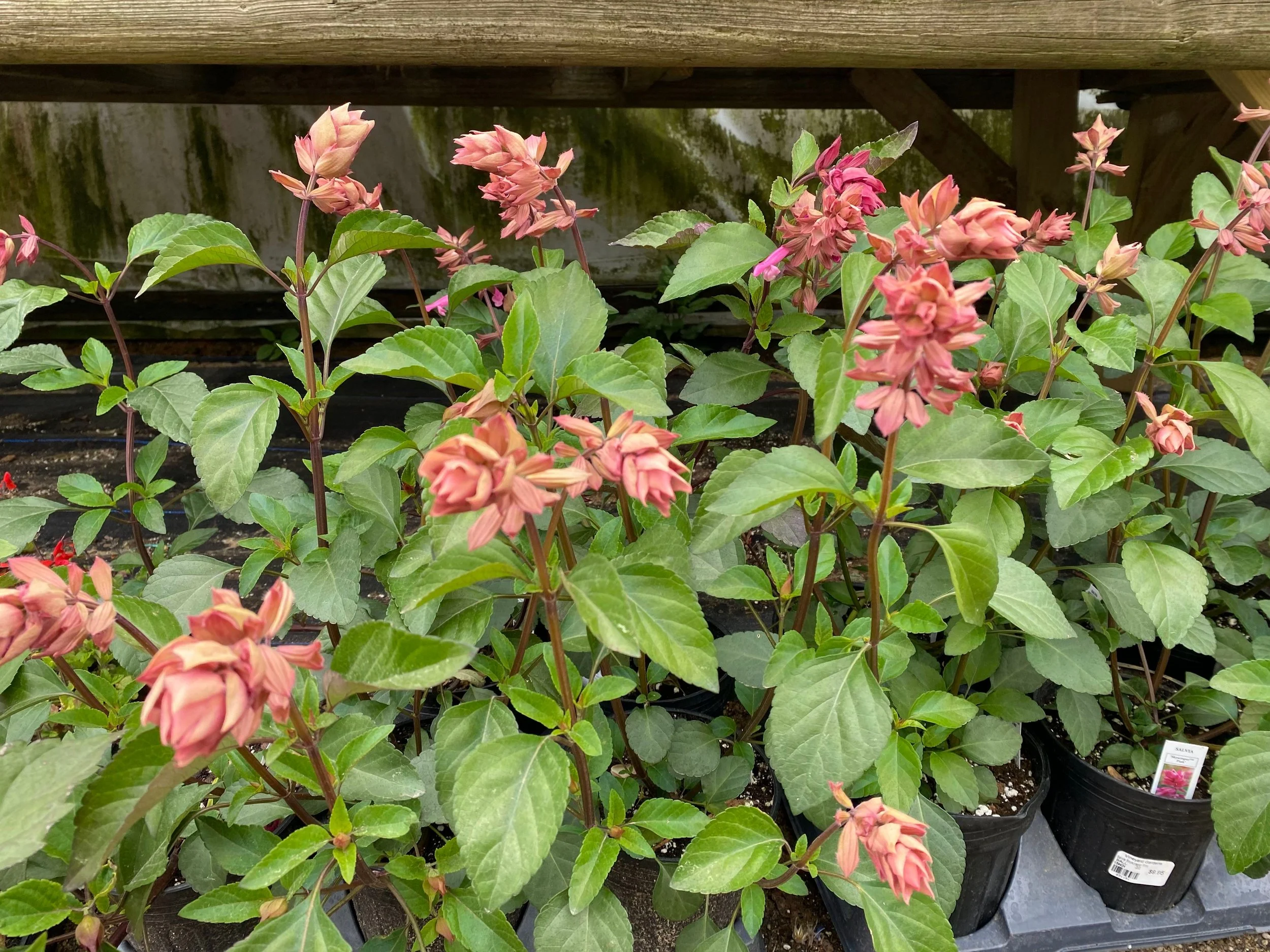
NASTURTIUMS

We carry a variety of colors.

NASTURTIUMS

——————

Milkmaid (white)

Troika Mix

Moonlight (white)

Jewel Cherry Rose

Whirlybird Tangerine

Whirlybird Cream

Troika Cream

Jewel Primrose

***************************************

OTHER WARM WEATHER EDIBLES: ZUCCHINI, EGGPLANT & MUSKMELON

gardening tips

MAY

[plant profile]

SALVIAS

In MAY, FIELD NOTES Tags warm weather veggies, tomatoes, basil, cucumbers, nasturtiums, annual herbs, perennial herbs, edible flowers, squash

FOXGLOVE

May 11, 2024 Karen Logan

Foxglove illustration by karen blackerby logan

Digitalis purpurea

Foxglove

Digitalis purpurea is a stunning species of Foxglove with many cultivars to choose from. They are beautiful right now at the nursery!

Digitalis purpurea is considered a biennial, which means they produce leaf and root in their first year and flower and seed in their second year. They contain both characteristics of annuals and perennials, as well as being over zealous seeders.

Other perennial foxglove species include the Strawberry Foxglove (Digitalis mertonensis),  the Rusty foxglove (Digitalis ferruginea) and the pale yellow Digitalis grandiflora.

Digitalis purpurea cultivars

available

____________

*Digitalis Alba

*Digitalis Apricot Beauty

*Digitalis Excelsior

*Digitalis Pam’s Choice

*Camelot Series: Cream,

White, Lavender & Pink

*Dalmation Series:

Purple & Peach

*Digitalis Artic Fox Rose

A Foxglove in its second year presenting a spectacular spike of flowers.

**************************

GROWING DIGITALIS

Deer Resistant!

Digitalis prefers moist, organically rich, acidic, well-drained soil in full sun to part shade. Soil must not be allowed to dry out. They bloom in late spring. Removal of flower spikes is not recommended if you want reseeding and colonizing. You will get smaller side spikes but it’s that primary spike that is most impressive. Since they are biennials, Digitalis reseed and colonize in the most interesting and beautiful ways.

Digitalis has striking colors and good architectural height in garden beds.

Some cultivars grow to 5 ft tall while some grow between 3-4ft tall (Camelot Series).

Foxglove Alba

Foxglove Pams Choice

Foxglove Excelsior

Foxgloves ‘Apricot’

info

___________

Bloom Time: May to June

Full sun to part shade

Height: 2 to 5 feet

Attracts: Hummingbirds

Tolerate: Rabbit, Deer

Suggested Use: All kinds

of ornamental beds & gardens.

Also, great in naturalized areas

& woodland gardens.

Foxgloves ‘Apricot Beauty’ in the back

**************************

DIGITALIS: HISTORY AS A MEDICINAL PLANT

A SOURCE FOR DIGOXIN USED TO TREAT CARDIAC ARRHYTHMIA

Vineyard Gardens front bed with many biennials on display; Angelica, Echium, a couple types of Digitalis and Fennel.

Digitalis is commonly used as an ornamental plant for gardeners but it has a long history for medicinal use as well. Their dried leaves contain the drug digoxin that is used to treat cardiac arrhythmia. It was popularized in 1785 by a British physician that spoke of Digitalis purpurea helping the heart work more efficiently. A curious story revolves around Vincent Van Gogh and his connection to the use of digitalis to treat his epilepsy. The over use of the chemical digoxin found in digitalis can affect one’s eyesight, by tipping the vision color scale to a yellow tint and seeing halos around objects. People have theorized that Van Gogh was affected by these side effects, alluding to his yellow period and his frequent use of halos in his paintings. In a self portrait Van Gogh is depicted holding a foxglove plant and two paintings of his doctor holding digitalis. However, this may be pure speculation about Van Gogh’s color palette choice but what is known is digitalis has been used for centuries for medicinal purposes.

**************************

Foxglove Fergs pale yellow

Foxglove covering past foliage

Foxglove Digitalis Camelot Lavender

biennials

learn more

succession gardening

In MAY, PLANT PROFILES Tags Digitalis purpurea, digitalis, late spring bloom, foxglove, biennial
Comment

PEONIES

May 10, 2024 Karen Logan

Tree Peony ‘Hoki’

Peonies are a genus of woodland plants which are prized for their exceptionally large, showy flowers in late May and June.

brief timeline

____________

Peonies are thought

to have originated

in China.

Before the 10th century

they were introduced

in Japan.

During the 15th century

Paeonia officinalis was

introduced in Europe,

originally for medicinal

purposes.

In the nineteenth

century Paeony

lactiflora was

introduced from its

native China to Europe.

One was planted at

Kew Gardensin 1789.

care

___________

Peonies prefer rich well

drained soil.

They do not need much

fertilizer.

A top dressing of

compost in the spring

is enough.

Watch for a black

fungal growth

called botrytis.


Carefully cut it out

immediately and throw

in the garbage. It will

cause stems to wilt.

**************************

PAEONIA LACTIFLORA (HERBACEOUS)

There are two distinct types of Peony. Paeonia lactiflora is a herbaceous species which is a low growing (1-2') clump-forming perennial. Commonly called garden peonies, they are ideal for mixed perennial beds in full to part shade (that's 3+ hours of direct sunlight). With may being a windy month, I would be remiss to not mention that garden peonies require support. They become top heavy with their giant flowers and liable to snap when rain or wind disrupts their ornamental show. Vineyard Gardens carries specifically designed peony cages for this purpose. Make sure to pick some up with your next purchase. We carry Herbaceous peonies that are priced as low as $29.95! In the winter these die to the ground.

Paeonia lactiflora we’d like to highlight:

  • Moon River (double soft cream and pink fragrant flowers)

  • Sarah Bernhardt (double pink flowers)

  • Coral Sunset (semi double coral blooms)

  • Jan Van Leeuwen (single white flowers)

  • Laura Dessert (double white flowers)

  • Paul M Wild (double ruby red blooms)

  • Lady Orchid (double pink flowers)

Paeonia lactiflora

Peony cages

**************************

PAEONIA X SUFFRUTICOSA (TREE PEONY)

THE SECOND MAJOR TYPE OF PEONY

It always surprises me how early the Tree Peony’s flower. If you haven’t tried them you might want to. They are an easy plant to grow, slowly becoming a fairly substantial shrub with huge single or double flowers opening in May. The Tree peony, Paeonia x suffruticosa, solves the support concerns of garden peonies with it’s persistent, slow growing, woody structure. Ideal for mixed borders and woodland edges these peonies feature the same large blooms as the garden variety, but can reach up to 6' tall with time. Our Tree Peonies are priced as low as $39.95!

Tree Peony

Tree Peony

**************************

ITOH PEONIES

This year we are carrying the inter-sectional hybrid, or commonly know as Itoh peonies. During the 1940’s Toichi Itoh from Tokyo crossed the herbaceous peony with the tree peony to create the intersectional hybrid peonies, the Itoh peonies. Their characteristics are intermediate between herbaceous and tree peonies, featuring strong stems which do not require caging or other support.

These 2 cultivars are priced at $39.95

  • Paeonia Itoh 'Yellow Crown': Beautiful, fragrant double yellow flowers with a hint of red at the base of the petals.

  • Cora Louise: An Itoh Peony with giant double flowers with white petals and glowing dark red centers.

We carry a smaller quantity of the following:

  • Itoh Old Rose Dandy

  • Itoh Misaka

  • Itoh Takara

Paeonia itoh “Yellow Crown”

Cora Louise

**************************

PEONIES

__________

CUT FLOWERS

EASY TO GROW

LONG LIVED

FRAGRANT &

DEER RESISTANT!!

premier cut flower

__________

The Netherlands are

the number one

producer of cut flower

peonies.

Alaska has developed a

cut flower market with

an extended season

due to long hours

of sunlight in summer.

In MAY, PERENNIALS, PLANT PROFILES Tags Peonies, Tree Peony, Itoh peony, Paeonia lactiflora, summer blooms
Comment

LAVENDER

May 1, 2024 Karen Logan

LAVENDER

Fragrant, deep blue spikes that stick straight up above the grey green foliage. Lavender thrives in full hot sun, in well drained soil. It is drought tolerant once established and deer resistant. They are highly effective in mass plantings. We sell most of them in both 1 gallon and 4” pots. A few varieties we sell in only one size.

English Lavender ‘Phenomenal’

English Lavender ‘Munstead

Perennial Lavenders

Lavandula angustifolium: These are the hardiest species of lavender. All of these lavenders should overwinter if they have good drainage otherwise they will rot when it is cold and wet. We sell several of these varieties.

  • Munstead and Hidcote are the oldest varieties and still two of our favorites.

  • Provence has become very popular.

  • Phenomenal is a newer cultivar, showing a lot of promise.

  • Blue cushion and Super Blue are a few newer cultivars that we are trying out and testing their hardiness. They claim to be hardy.

English Lavender ‘Hidcote’

English Lavenders

Lavender ‘Phenomenal’

Annual Lavenders

The annual lavenders bloom longer than the perennial lavenders but they will not overwinter and come back year after year.

  • Goodwin Creek

  • Grosso

  • Elegance Purple

  • Lavandula dentata, the fringed French lavender

  • Lavandula stoechas: This year we are growing a Spanish Lavender from seed in two colors, deep purple and deep rose. , They will not overwinter.

  • Lavender pinnata: Also known as French Fringed lavender

  • Lavender multimodal ‘Torch Blue’: We grow this lavender from seed

Deer do not eat lavender!

French Lavender

Lavender Goodwin Creek

French Lavender

In PERENNIALS, MAY, PLANT PROFILES Tags Lavender, perennial lavenders, annual lavenders, munstead lavender, hidcote lavender, provence lavender, pruning lavender
Comment

COOL WEATHER ANNUALS

April 25, 2024 Karen Logan

************************************

JOIN US THIS SATURDAY MORNING

_______________

GARDEN WORKSHOP

COOL WEATHER ANNUALS

SATURDAY APRIL 27TH // 11:00AM // VINEYARD GARDENS

Chris Wiley, owner and expert horticulturist, will be discussing cool weather annuals and their growing conditions.

Snapdragon ‘Appleblossom’

Snapdragon Black Prince

Centaurea ‘Boy Black’

******************************

COOL WEATHER

HARDY ANNUALS

CENTAUREA ‘CORN FLOWER’ & LADYBIRD POPPIES

We seeded an assortment of hardy annuals last fall, such as Cornflowers (Centaurea cyanus), Ladybird poppies (Papaver commutatum), Rose of Heaven (Silene ‘Blue Angel’), Larkspurs (Delphinium), Feverfew, Queen Anne’s Lace (Ammi Majus), Snapdragons (Antirrhinum) and some biennials like Lychnis coronaria, Digitalis purpurea (hybrids) and Verbascums that bloom early and will flower through June and some into July. In addition to blooming in June, these annuals knit together a beautiful planting scheme with the evolving summer perennials.

We have a lot of the red Ladybird Poppy that will be gorgeous in June & July! We also carry the beauty Imperial Pink from Select Seed!

Centaurea ‘Boy Pinkie’

Snapdragon Black Prince

Feverfew

Digitalis purpurea ‘Apricot’ (biennial)

Verbascum Wedding Candy (biennial)

************************************

MAGNOLIA MAY

30% OFF
MAGNOLIA STELLATA ‘Magnolia Royal Star’


Sale runs through May
*This specific magnolia only

Magnolia Stellata

Magnolia Stellata

Jane Magnolia (*not on sale)

Jane Magnolia (*not on sale)

TIMING IS KEY IN GARDENING! DON’T WAIT TO GET STARTED!

perennial herbs

events

garden workshops

In APRIL, ANNUALS, FIELD NOTES Tags cool weather annuals, centaurea, Cornflower, Bachelors Button, Delphiniums, snapdragons, biennial, magnolia sale
Comment

DELPHINIUMS

April 23, 2024 Karen Logan

Delphinium illustration by karen blackerby logan

DELPHINIUMS

There are about 300 species of annual and perennial Delphiniums. They have two blooming cycles, one in early summer and if cared for properly, again in late summer or early autumn. Blue is the most common Delphinium flower but there are numerous hybrids available in shades of pink, lavender, red, white and yellow. Blooms may be single or double. Our available colors this year are deep blue, light blue and white. We carry both short and tall delphiniums and are growing two varieties from seed.

Delphinium Summer Nights

Delphinium Guardian Blue

Delphinium Summer Nights

Delphinium PG Gallagad

Delphinium PG Gallagad

***************************************

GROWING DELPHINIUMS

  • Delphinium planting is normally at the back of the bed, where flower spikes can reach 2 to 6 feet tall. Delphinium flowers are often planted in groups.

  • Grow in fertile, well-drained soil in full sun to light shade, with shelter from strong winds.

  • Soil should not dry out. Water plants during the summer if rainfall is less than 1 inch per week.

  • Mulch helps retain moisture and keeps roots cool.

  • Care should include regular fertilization in spring when the plant begins to grow, and during the flowering period.

  • Deadhead the first blooms in early summer. Remove flower stalks when blooms are spent.

  • Taller varieties may require staking.

SUMMER SERIES

——————

(SHORT VARIETY)

Summer Nights

(deep purple and

light blue)

- Delphinium

Blue Butterfly

(we grow in 4 packs)

- Delphinium

Q and S Series

(deep Blue and in

4” pots)

succession gardening

[plant profile]

SERVICEBERRY

In PERENNIALS, APRIL, PLANT PROFILES Tags Delphiniums, perennials

PERENNIAL HERBS

April 18, 2024 Karen Logan

Lavender illustration by karen blackerby logan

************************************

JOIN US THIS SATURDAY MORNING

_______________

GARDEN WORKSHOP

SMALL FRUITS

SATURDAY APRIL 20TH // 11:00AM // VINEYARD GARDENS

Chuck Wiley, owner and expert horticulturist, will be discussing planting, growing and harvesting small fruits.

Blueberry ‘Patriot’

Allstar Junebearing Strawberries

Caroline Raspberry

******************************

HERBS

Now is the time to plant some herbs! Come check out our herb house & herb garden.

ANNUAL HERBS (6 packs / $5.95 & 2” herb pots / $3.95): Cilantro, Parsley, Dill, Chervil

Chevril

Parsley curled

Cilantro

************************************

PERENNIAL HERBS

Sage, Thyme, Lavender, Chives & Tarragon

Perennial herbs tend to live longer that two years. They go dormant in the winter and return in the spring sending up new stems and leaves from the crown. Chives are usually the first to pop up in March. Most herbs in the mint family are perennial, such as rosemary, oregano, thyme, sage, lemon balm, marjoram, anise hyssop, and mint

PERENNIAL HERBS (4" pots / $6.95): Thyme. Sage, Mint, Tarragon, Savory, Lemon Verbena, Rosemary and Lemon Balm

***************************

SAGE

Sages are known for both their ornamental and culinary qualities. On top of that, they are drought tolerant and deer resistant. Sage grows best in full sun, well draining soil and can withstand frost.

Sage ‘Berggarten’

Sage 'Purpurascens’

Sage ‘Tricolor’

***************************

CHIVES

Chives are cool-season, cold-tolerant perennials best planted in early to mid-spring for an early summer harvest. They are a wonderful companion plant that deters pests. Plant alongside carrots, celery, lettuce, peas, and tomatoes.

Chive

***************************

THYME

A hardy low growing evergreen herb with small, fragrant leaves and thin, woody stems. Thyme has ornamental, culinary and medicinal qualities.

Wooly Thyme

Lemon Thyme

Creeping Thyme

***************************

LAVENDER

'“Lavender, an herb with many culinary uses, also makes a stunning addition to borders and perennial gardens, providing sweeping drifts of color from early summer into fall. With its silvery-green foliage, upright flower spikes and compact shrub-like form, lavender is ideal for creating informal hedges. You can also harvest it for fragrant floral arrangements, sachets, and potpourri.” Garden Design

Munstead Lavender

English Lavender

Hidcote Lavender

TIMING IS KEY IN GARDENING! DON’T WAIT TO GET STARTED!

garden tips

APRIL

events

garden workshops

In APRIL, DEER RESISTANT, FIELD NOTES Tags perennial herbs, small fruits workshop, culinary herbs, sage, thyme, lavender, chives, tarragon
Comment

SERVICEBERRY

April 17, 2024 Karen Logan

SERVICEBERRY

(SHAD TREES)

Amelanchier ×grandiflora ‘Autumn Brilliance’

Known as Shad Trees on Martha’s Vineyard because they bloom when the Shad (a type of small fish) swim up the creeks here on the island to breed.

A native multi-stemmed shrub or small tree, about 20 feet tall, has year round interest. Serviceberries are one of the first to burst into bloom in April with their showy white flowers. Once the flowers pass, tasty purple colored fruit, similar in flavor to blueberries, follow in mid June. The fall brings showstopping brilliant orange to red autumn color.

Attract more wildlife to your garden with native berry producing shrubs like Serviceberry!

***********************************

VALUABLE SHRUB FOR WILDLIFE

Native to eastern United States and Canada, Serviceberries support numerous butterfly and bird species These early bloomers support pollinators in spring and produce sweet berries in the summer that support birds like cedar waxwings, robins, and thrushes. Once the berries ripen, they provide a rich source of nutrition and are a crucial food source for early nesting birds and returning migratory species.

Serviceberries are a valuable shrub for wildlife. One of the earliest blooming shrubs in spring, Serviceberries burst into bloom typically in April, making it an essential early spring food source for pollinators.

native berry producing shrubs

attract wildlife to your garden

supporting birds

with native plants

***********************************

GROWING & CARE

Serviceberries have an upright habit with grayish to silver, smooth bark.

  • Easy to grow

  • Tolerant of most site conditions but does not tolerate salt or poor drainage. Prefers acidic, well drained soils in partial shade to sun.

  • It is susceptible to heat and drought stress.

  • Use as a small tree in mixed borders or foundation plantings.

  • Excellent companion with Carolina allspice (Calycanthus floridus), flowering dogwood (CornusBenthamidia florida), mountain laurel (Kalmia latifolia), pink-shell azalea (Rhododendron vaseyi), arrowwood (Viburnum dentatum), and whorled tickseed (Coreopsis verticillata).

***********************************

ATTRIBUTES

Attracts Wildlife: Host Plant / Other Pollinators & Wildlife / Attracts Songbirds / Attracts Bees

Tolerance: Deer & Rabbit Resistant / Urban Environment / Drought Tolerant

Additional Attributes: Edible / Low Maintenance

Landscape Use: Rain Garden / Specimen

Attractive Fall Foliage and/or Ornamental Fruit: Red to Purple Fruit / Fall Foliage

Height: 15-25 ft

Spread: 12-20 ft

Exposure: Sun / Part Shade

Soil Moisture: Average / Dry

Ornamental Interest: Spring Bloom / Summer Fruit / Fall Foliage

In APRIL, DEER RESISTANT, FLOWERING SHRUBS, NATIVE PLANTS, PLANT PROFILES, SHRUBS Tags native shrubs, host plant, deer resistant, Serviceberries, Amelanchier ×grandiflora ‘Autumn Brilliance’, Amelanchier laevis, Amelanchier canadensis
Comment

EAT LOCAL, GROW IT IN YOUR OWN BACKYARD

April 12, 2024 Karen Logan

Blueberry Bush illustration by karen blackerby logan

************************************

JOIN US THIS SATURDAY MORNING

_______________

GARDEN WORKSHOP

SEED SOWING

SATURDAY APRIL 13TH // 11:00AM // VINEYARD GARDENS

Do you want to learn to sow your plants from seed? Chris Wiley, owner and expert horticulturist, shares her tricks of the trade.

seed project

learn more

************************************
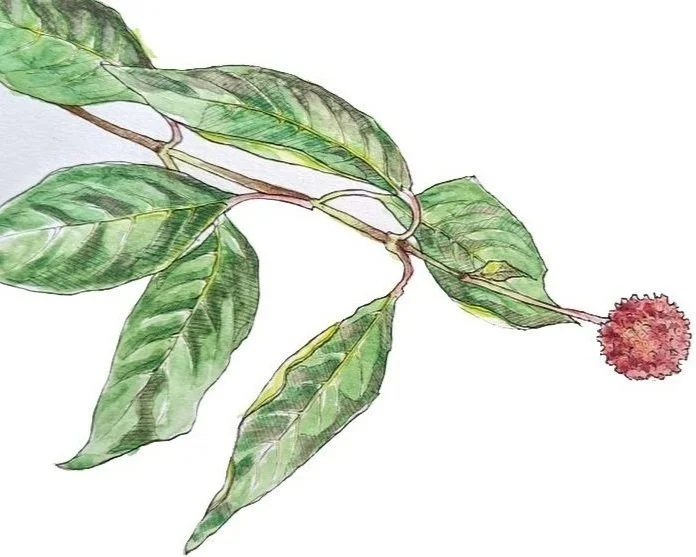
GROWING EARLY

SPRING EDIBLES

SMALL FRUITS & FRUIT TREES

Spring is the best time to prune your fruit trees, grapes, raspberries and blackberries. It is also the best time to plant small fruits and fruit trees. We have a great selection of strawberries, raspberries, blackberries and blueberries. The early spring selection is best!

All these should be planted very soon!

Rasberry Bare Root

Blueberry Vaccinium Top Hat

Strawberry ‘Fort Laramie’

************************************

STRAWBERRIES

TIPS FOR PLANTING STRAWBERRIES

There is a small window of time in the spring to plant strawberries. Strawberries can be grown in garden beds, containers or hanging baskets. Strawberry flowers attract honeybees and butterflies who pollinate the flowers and ensure fruiting success.

  • This year we are carrying 4 cultivars of strawberries

    Strawberries in 3"black pots / $3.95

    • Honeoye is our favorite, but all of them are good. Honeoye bears heavy yields of large fruit with a rich color.

    • Fort Laramie

    • All Star

    • Quinalt

  • Growing potted Strawberries

    • Provide well drained soil with medium moisture. Amend beds in spring and fall with quality Coast of Maine Lobster Compost or Fafard Premium Compost (we carry both!).

    • Strawberries are heavy feeders- feed with organic fertilizer from spring to mid summer.

    • Mulch beds to retain moisture, keep down the weeds and to create a nice clean place for the strawberry fruits to lay on.

    • Thin beds every few years, favoring the strongest runners.

Strawberry All Star

Strawberry Honeoye

************************************
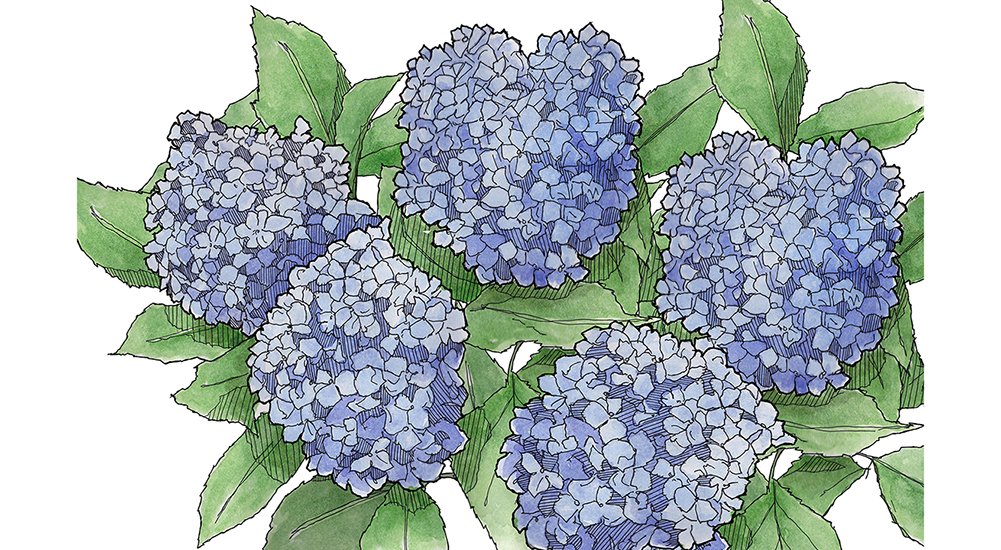
BLUEBERRIES

We have a wonderful selection of early, mid season and late variety blueberries. Now is the time to get them in the ground. We recommend planting early bearing variety, a mid season variety and a late season variety to extend your blueberry picking season.

Blueberries must be planted in early spring!!

Blueberry Flowers

Low Bush Blueberries

Blueberry Chandler

************************************
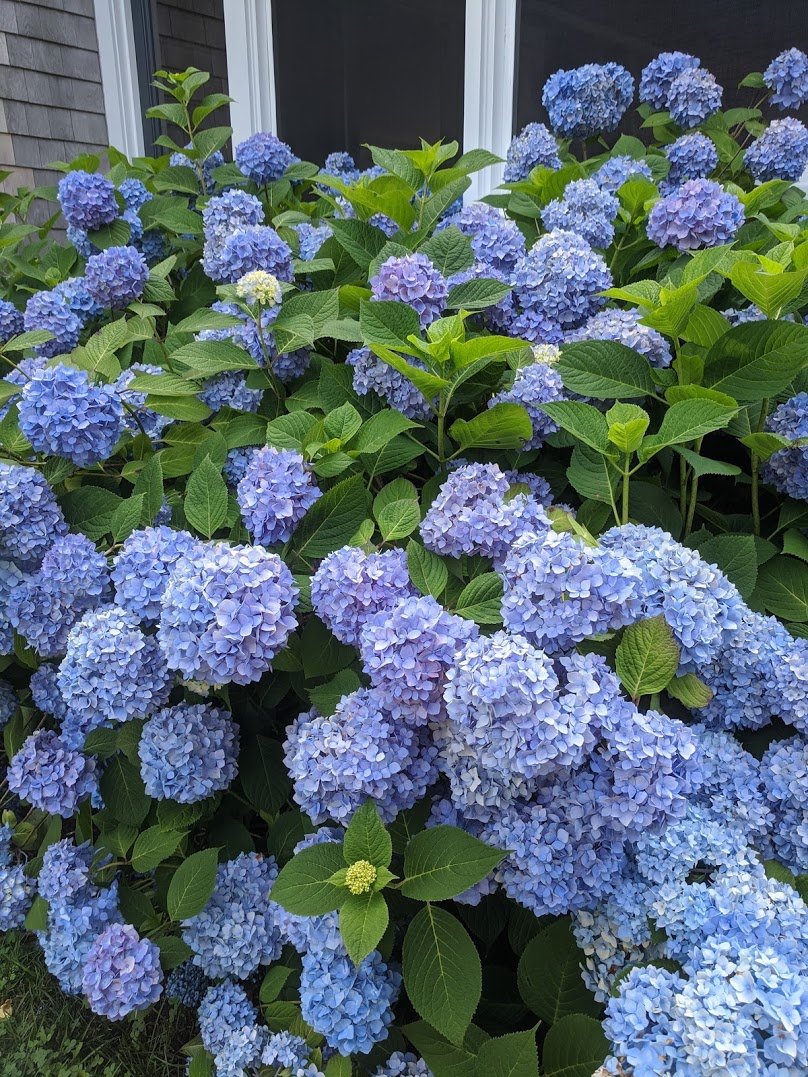
GRAPES & FRUIT TREES

  • GRAPES: Grapes should be pruned as soon as possible on cool days. If pruned much later they will “bleed” sap, much like a maple tree when its tapped for making maple syrup. Pruning for grapes and most fruit trees involves limiting the number of fruits produced as the tree or vine will try to make many more fruits than the tree has the energy to fully mature. Often excess fruits will fall off and the ones remaining may be smaller than on a tree properly pruned. This is also the best time to plant grapes!

  • FRUIT TREES: We carry apple, pear, peaches, cherry and sour cherry. The sour cherries make the very best pies. Spring is the great time to plant them!

    • Pruning apple trees: When you are done pruning an apple tree there is usually more on the ground then left on the tree.

******************************

ASPARAGUS & POTATOES

Now available bare root asparagus and potatoes! We have Asparagus Bareroot Millenium & Asparagus Purple Passion. The Potatoes we carry are Amarosa, French Fingerling, Russet Burbank, Russian Banana and Red Norland.

Asparagus Bundles of 5 / $12,95, Bundles of 10 / $19.95 & Bundles of 25 / $31.95

Asparagus Millenium bundles of 5

Asparagus Purple Passion Bundles of 10

Asparagus Purple Passion Bundles of 25

Potato amarosa

Potato Russian banana

******************************
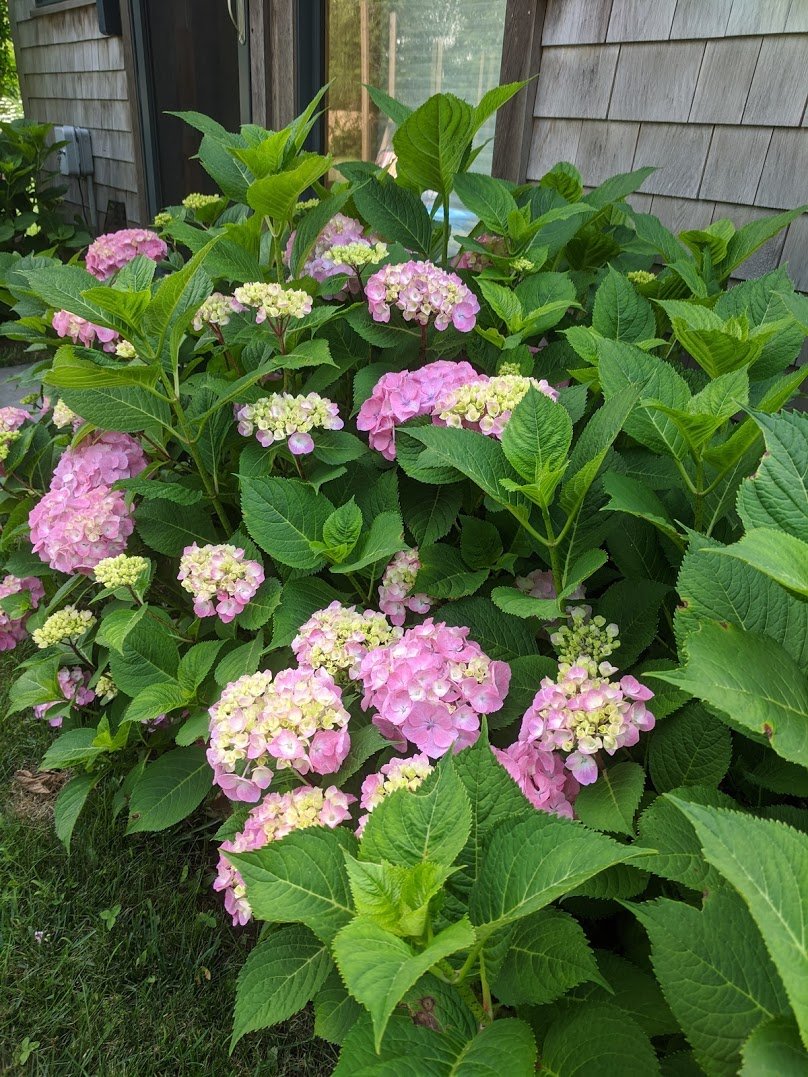
GREENS & COOL

WEATHER VEGGIES

Grow your own Greens

Salad material, lettuce, spinach, endive, mignonette

The lettuces and the cilantro, in particular, can be done by direct seeding in Mid April.

Start the other herbs and cool weather veggies inside first and then plant out as seedlings.

WE GROW ALL THESE IN PACKS FROM SEED . WE HAVE A WONDERFUL SELECTION OF SEEDS & WILL HAVE A GREAT VARIETY OF PACK SELECTIONS!


COOL WEATHER VEGGIES

Brassicas (like broccoli), Cauliflower, Cabbage, Kale, Swiss Chard, Mustards, Collards

Red Leaf Salad

Mesculin Mix Asian Salad Greens

Mustard Greens

TIMING IS KEY IN GARDENING! DON’T WAIT TO GET STARTED!

garden tips

APRIL

events

garden workshops

In GARDEN TIPS, APRIL, FIELD NOTES Tags april gardening tips, spring pruning, pruning grapes, peaches, strawberries, bare root small fruits, blueberries
Comment

POPPIES

April 10, 2024 Karen Logan

Iceland Poppies illustration by karen blackerby logan

POPPIES:

SPRING FAVORITE!

We love our poppies at Vineyard Gardens! We grow a lot of different varieties. There are both annual and perennial poppies. Some are truly perennial, some are short lived perennial and some are annual poppies. The annual poppies love to colonize by reseeding and return year after year. We raise our annual poppies from seed and grow a fine selection for your garden. One perennial poppy we grow from seed is the Spanish poppy, Papaver rupifragum, Double tangerine Gem. It is the latest blooming of the poppies with pretty apricot blooms in late summer. It grows wild in the mountains of Spain along with Spanish lavender.

Poppies like a rich, well drained soil in full sun. Deer Resistant!!

Iceland Poppy

Iceland Poppies

PAPAVER ORIENTALIS/ORIENTAL POPPIES

The most famous of the perennial poppies are the Oriental Poppies. They are long lived perennials that bloom in early spring, go dormant in the heat of summer and then come back bigger and better the next year.

Oriental Poppies are known for their dinner plate sized blooms. The red with the black center is probably the best known. This year we have Crimson Red, Orange Red and Royal Wedding, a white one with a black center. We also have Turkenlouise, a red one with ruffled edges on the petals, and Princess Victoria Louise, a salmon colored one. Oriental Poppies are very dramatic flowers!

Make sure to mark the spot so that you don’t disturb the sleeping poppy!

Oriental poppies photo by keith kurman

Oriental poppies

PAPAVER NUDICAULE/ICELAND POPPIES

Icelandic poppies, Papaver nudicaule (meaning bare stems), are another type of poppy that is considered perennial, but seem to be shorter lived than the Oriental Poppies. Iceland poppies are just gorgeous! Their crepe paper like flowers are very delicate and bloom on tall, thin 1ft stems. Plant 2-3 in a pot and enjoy them all spring and into early summer.

We carry Iceland Poppies in the Champagne Series (individual colors) and the Wonderland Series (a mix of colors). We have the Champagne Series in scarlet, pink, yellow, orange, and red for the individual colors. These are hardy but short lived perennials. They are native to sub polar regions of Asia and North America.

Iceland Poppies are blooming now!

Iceland Poppy

Iceland poppy

Iceland poppies

ANNUAL POPPIES

Papaver rhoeas, Papaver commutatum, Papaver paeoniflorus, Papaver somniferum

The great reseeding poppies are the annual poppies. We grow these from seed, seeded in early to mid February and sell them in packs and 2” pots.

Following the spring through early summer flowering, annual poppies have beautiful seed pods that extend the season from summer into fall. These seed pods ripen and spill out into the surrounding soil and baby seedlings emerge the following year. I know of many sunny gardens where annual poppies have colonized and make a fabulous easy to grow display year after year.

This year we are growing:

  • Shirley Poppies

  • Papaver rhoeas, including Double Choice Mix

  • Select Seed, White Bridal Veil

  • We are growing the peony flowered poppy in Lauren’s Grape, Hungarian Blue and White Cloud.

  • Ladybird Poppy, Papaver commutatum, a red flower with a black blotch at the base of each petal. It is a prolific bloomer.

  • Papaver somniferum, in Imperial Pink and The Giant with a red flower.

    Ready to be planted now!

    **************************************
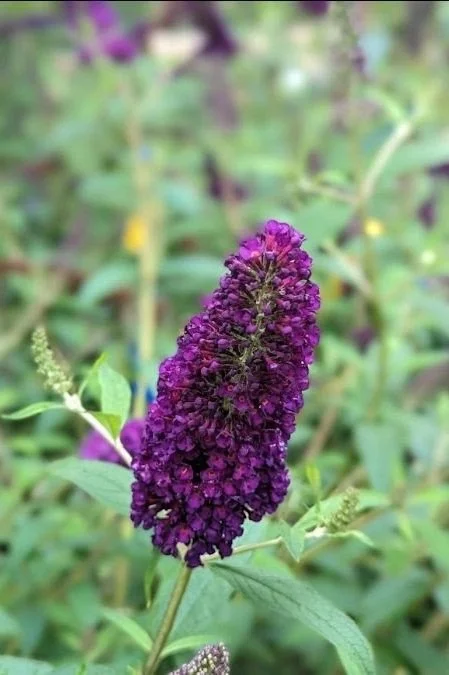
GROWING & CARE

  • Plant your poppies in a full sun garden with well drained soil.

  • They have beautiful seed pods that extend the season beyond bloom.

  • The annual poppies can be dead headed to extend bloom but at some point let the beautiful seed pods develop and let them ripen on the plant.

  • Poppies will reseed and you may have lots of little poppy seedlings for years to come.

  • If they are happy, they will colonize in your garden. It is wonderful when plants colonize! Other plants do this too!

Come to Vineyard Gardens to find out what other plants reseed and colonize in your garden!

In PERENNIALS, GARDEN TIPS, SPRING PLANTS, APRIL, PLANT PROFILES Tags Iceland Poppies, spring perennials, Deer resistant plants, summer blooms, Oriental poppies, annual poppies
Comment

VINEYARD GARDENS WORKSHOPS & COOL WEATHER VEGGIES

April 5, 2024 Karen Logan

Lettuce, herbs and lavender illustration by karen blackerby logan

******************************

Join us Saturday Morning

_______________

GARDEN WORKSHOP

EARLY SPRING PRUNING

SATURDAY APRIL 6TH // 11:00AM // VINEYARD GARDENS

Andrew Wiley will be leading a talk about the ins and outs of early spring pruning.

2024 vineyard garden workshops

******************************
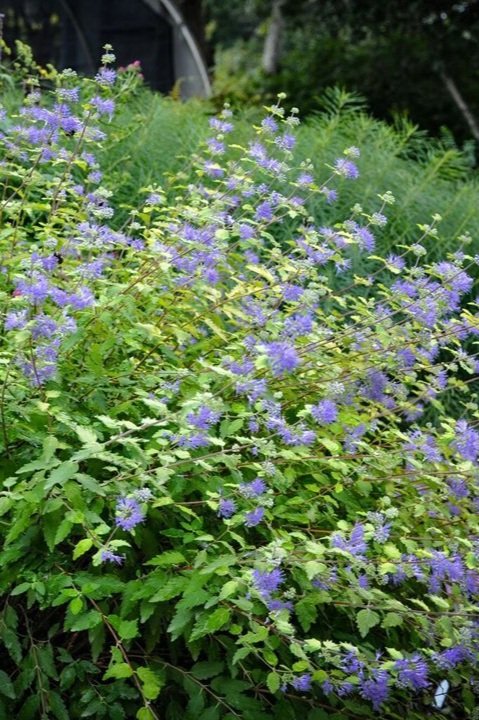
GREENS & COOL

WEATHER VEGGIES

GROW YOUR OWN GREENS

Salad material, lettuce, spinach, endive, mignonette

The lettuces and the cilantro, in particular, can be done by direct seeding in Mid April.

Start the other herbs and cool weather veggies inside first and then plant out as seedlings.

WE GROW ALL THESE IN PACKS FROM SEED . WE HAVE A WONDERFUL SELECTION OF SEEDS & WILL HAVE A GREAT VARIETY OF PACK SELECTIONS!


COOL WEATHER VEGGIES

Brassicas (like broccoli), Cauliflower, Cabbage, Kale, Swiss Chard, Mustards, Collards

EAT LOCAL, GROW IT IN YOUR OWN BACKYARD!


Lettuces

Mustard Greens

Mixed Mesclun Greens

Red Leaf Lettuce

******************************

ORNAMENTAL CHERRIES, JAPANESE APRICOTS & SPRING FLOWERING TREES

Now is the time of year to plant Flowering Apricots and Ornamental Cherries. Japanese Apricot Trees erupt in pink fragrant flowers in mid to late winter. They are especially fragrant on warm days.

Japanese Apricot Tree

Malus Crabapple

Magnolia soulangeana Elizabeth

spring color

spring blooming trees & shrubs

tips & tricks

how to aerate your lawn

In SPRING PLANTS, APRIL, EVENTS Tags cool weather vegetables, lettuces, mustard greens, ornamental cherries, japanese apricots, spring blooms, Vineyard Gardens saturday workshop
Comment
← Newer Posts Older Posts →

484 State Rd. West Tisbury, MA 02575

mon - fri 8am - 4pm // sat 8am - 1pm

Closed Sundays

(508) 693.8512